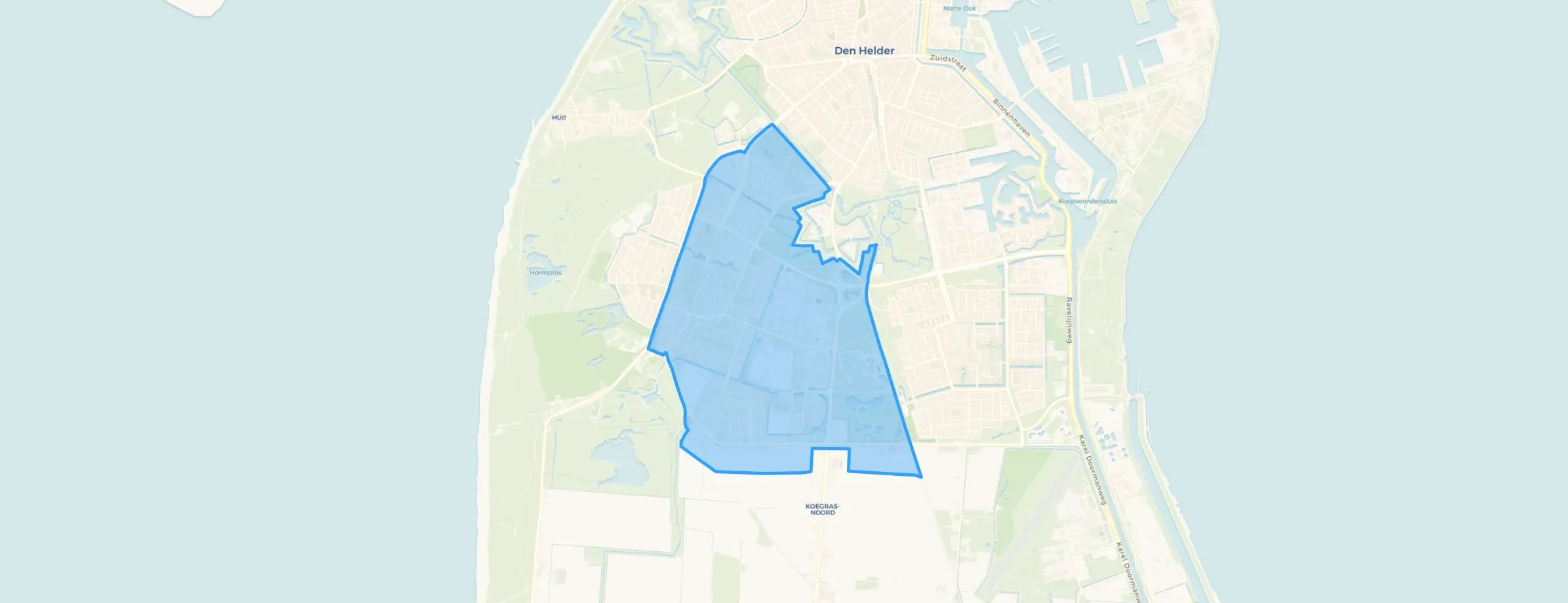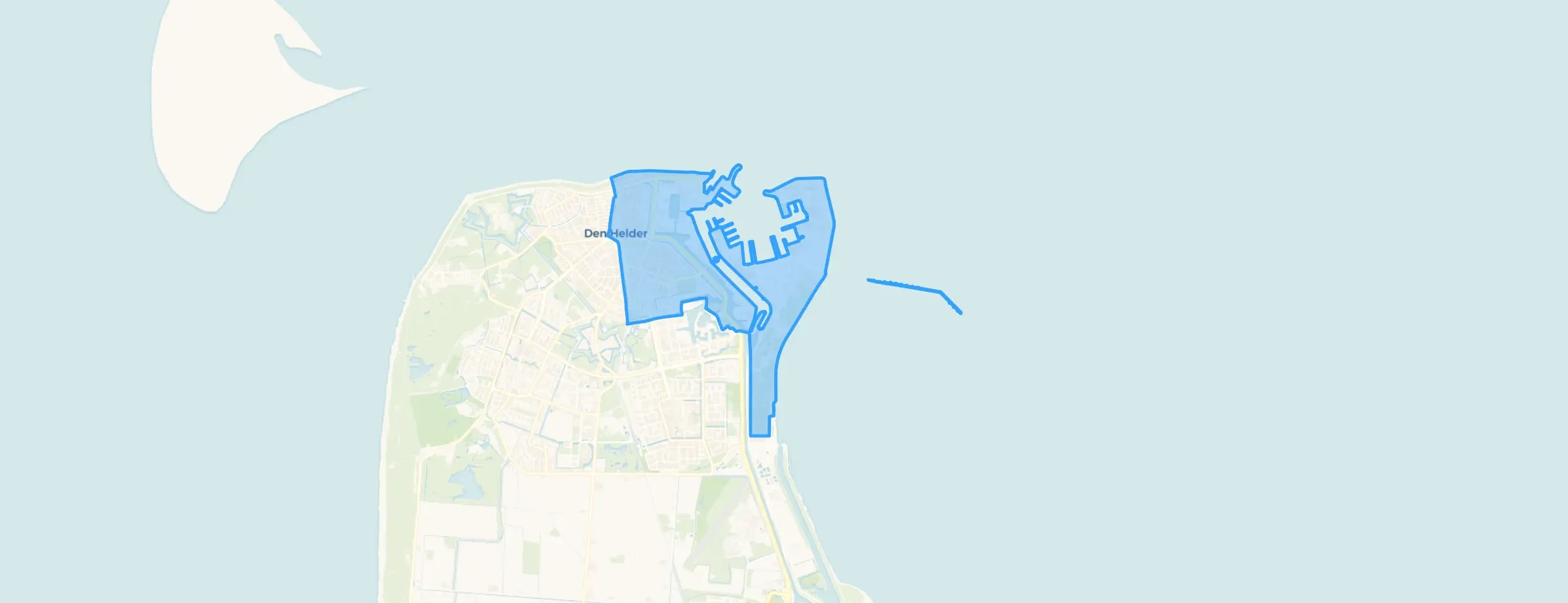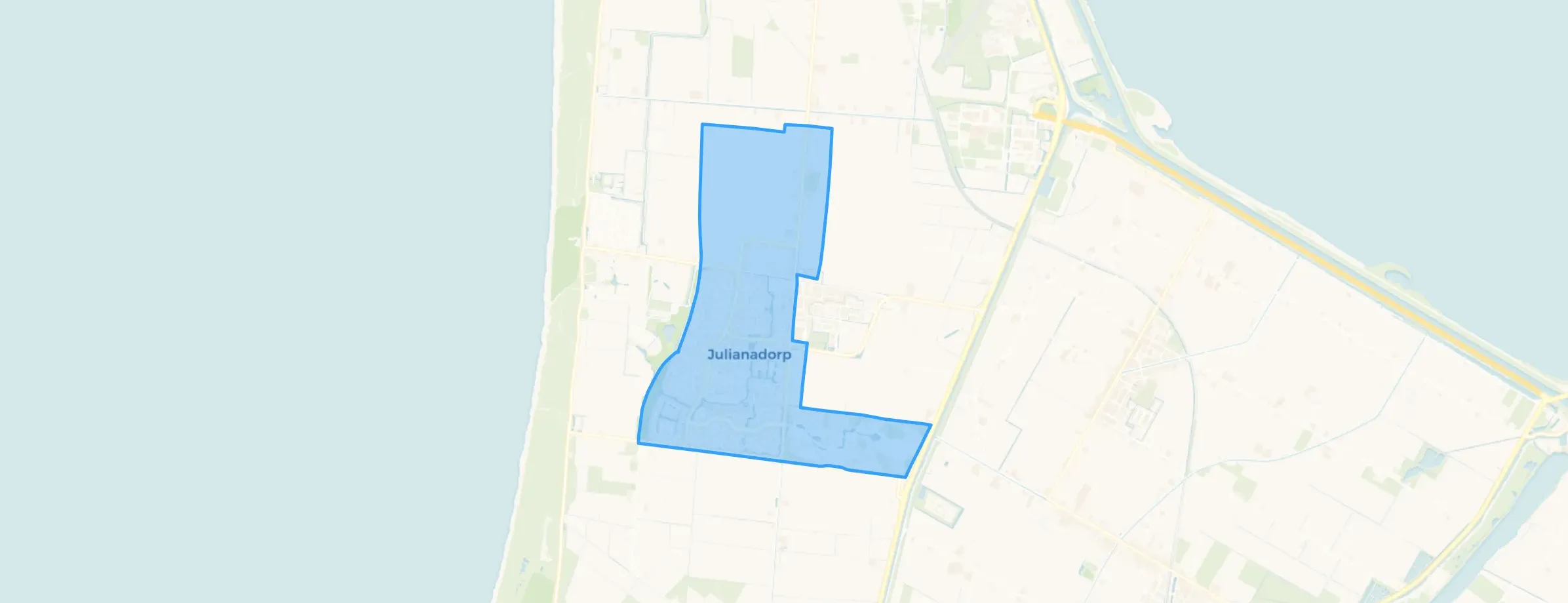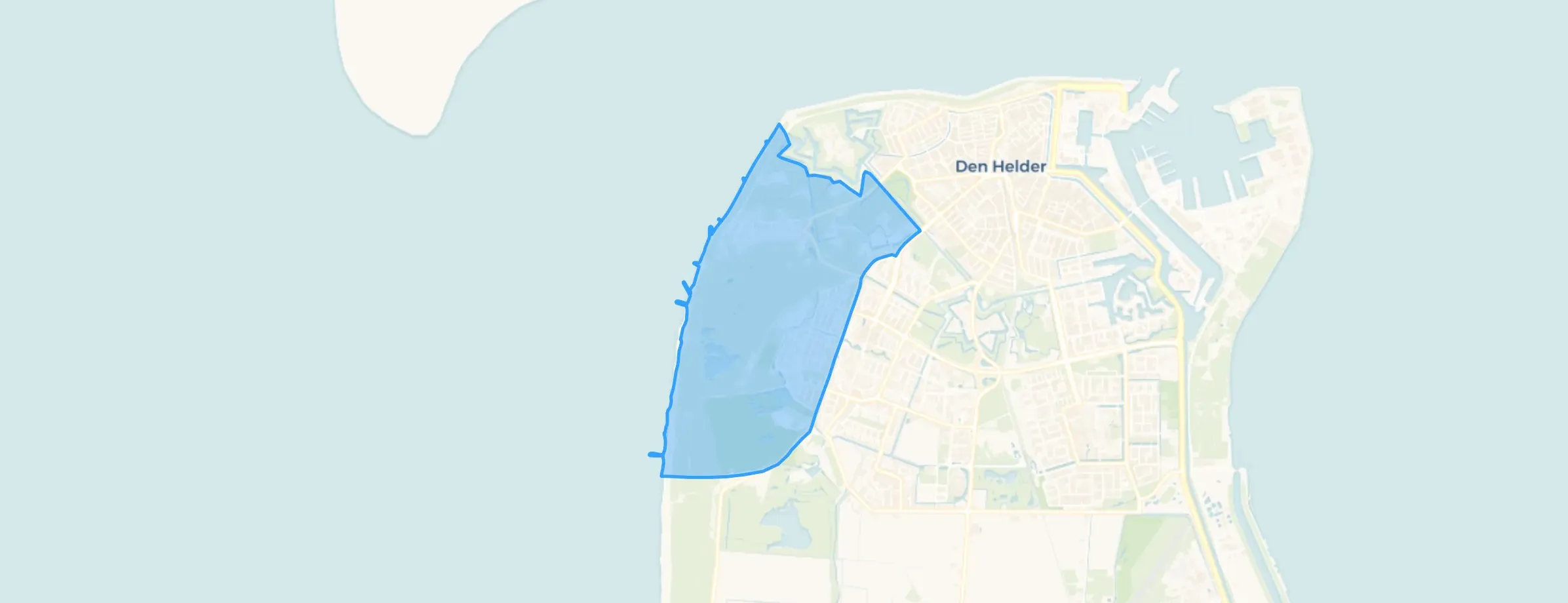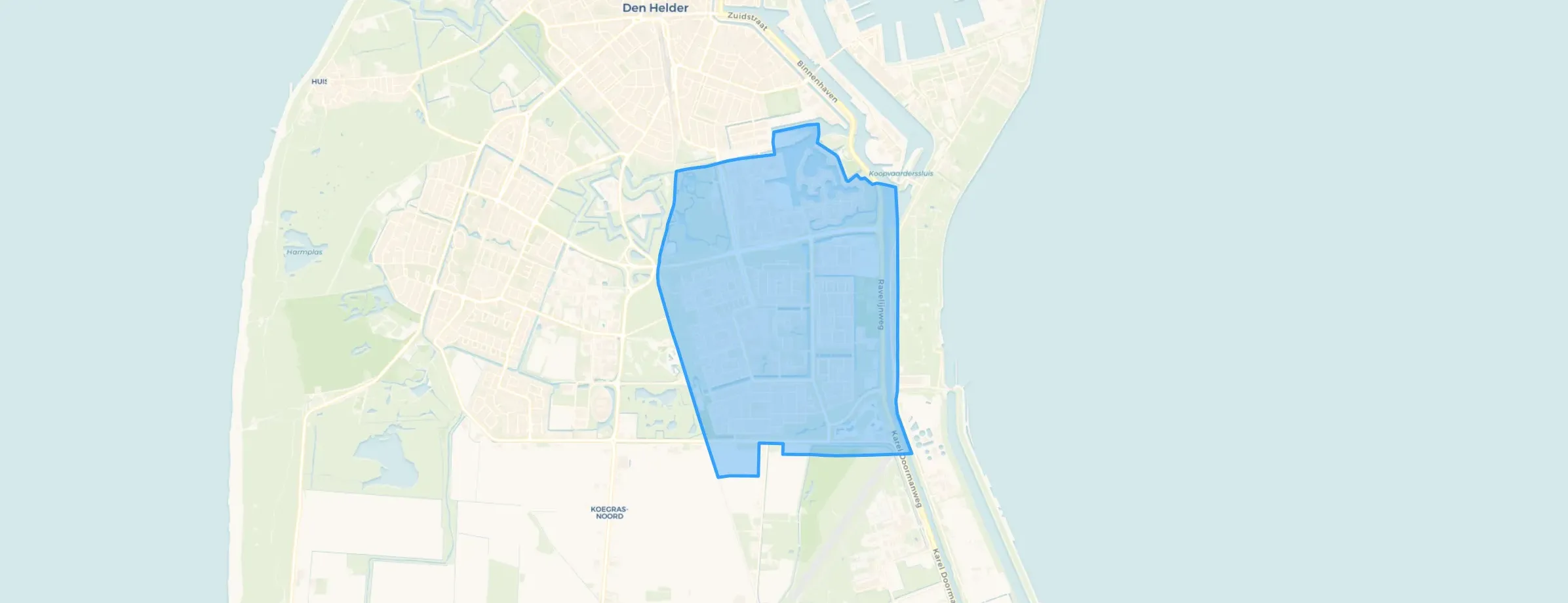
Municipality in Noord-Holland
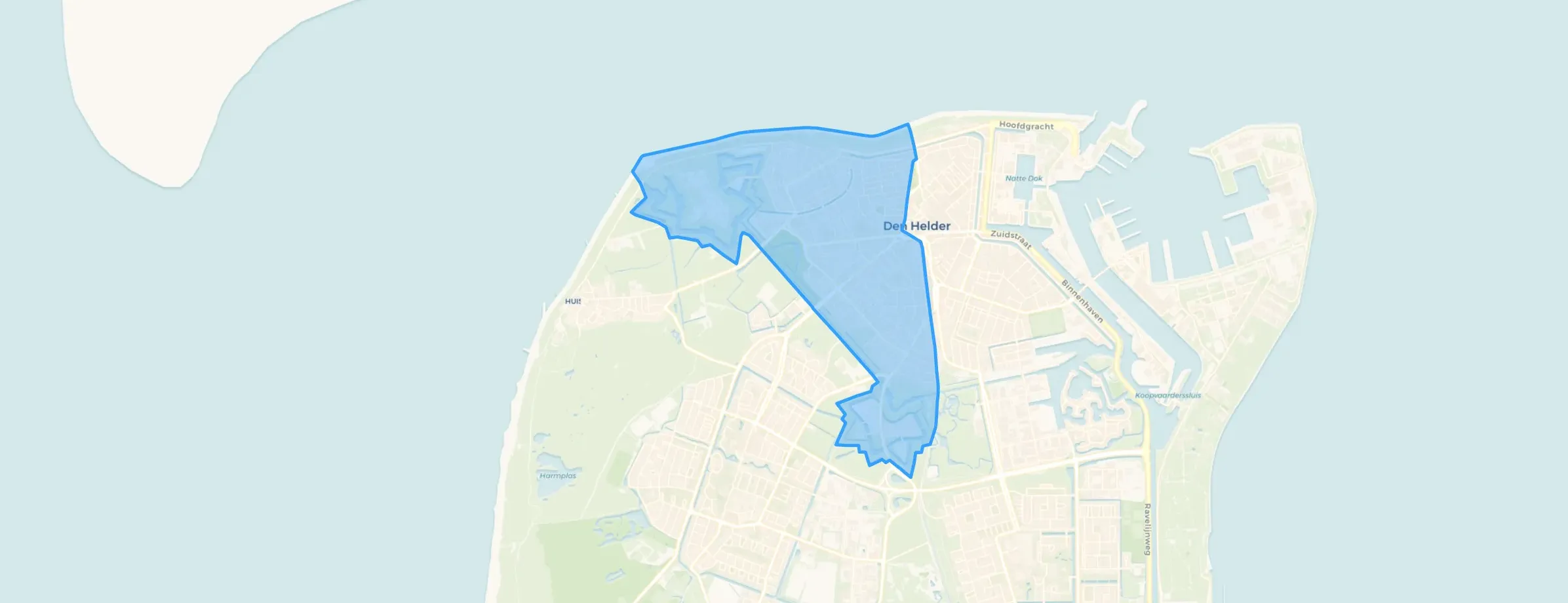
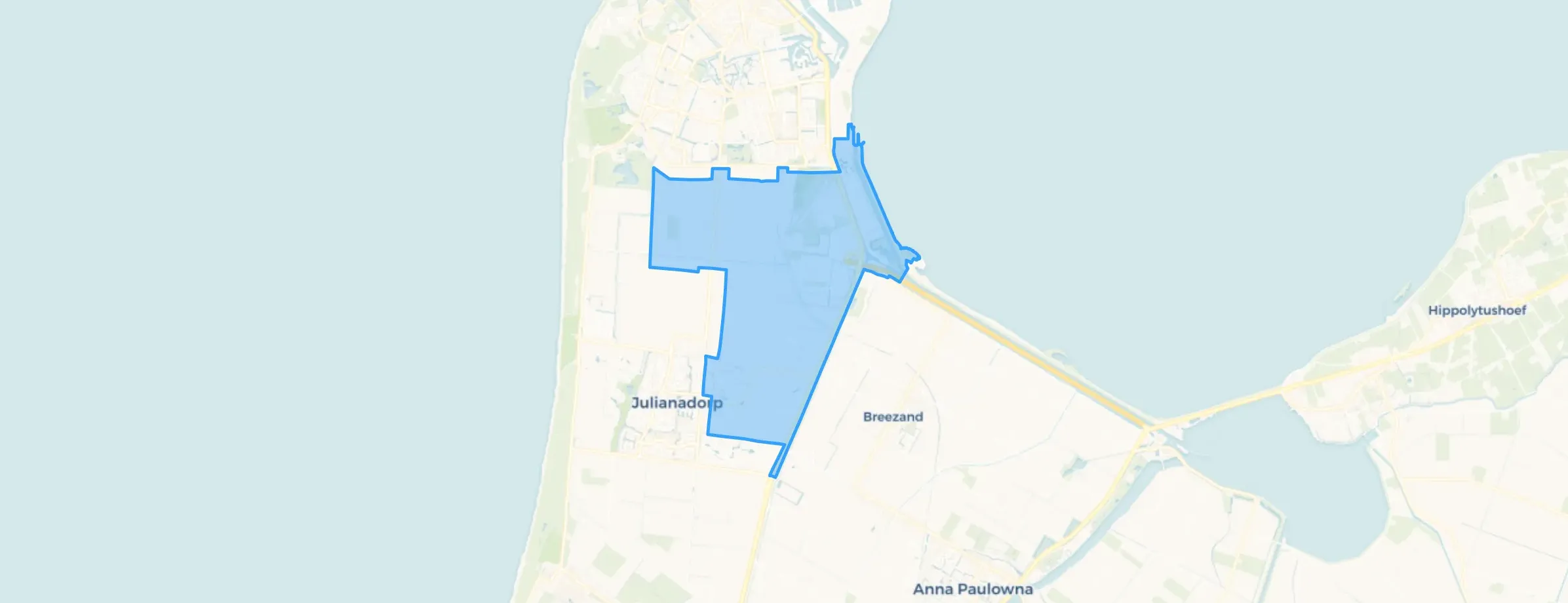
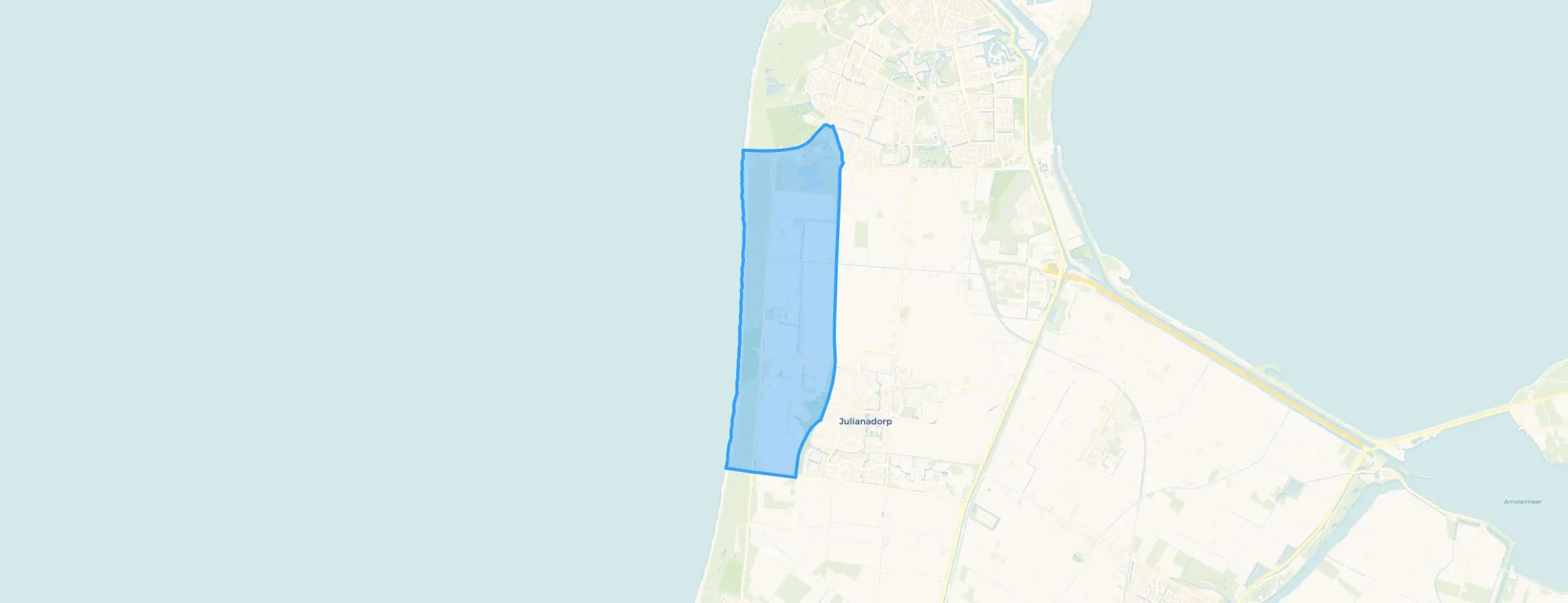
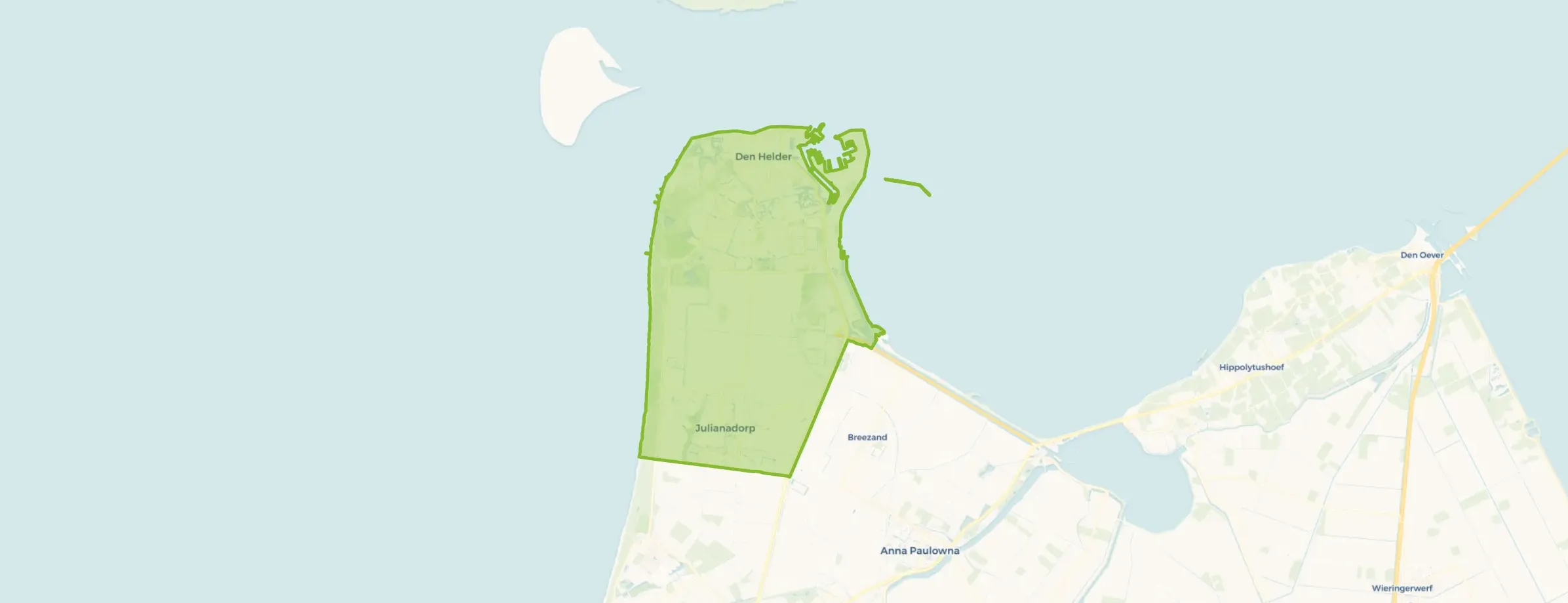
Den Helder is located in the province of Noord-Holland The municipality has a total area of 17.880 hectares, of which 4.510 hectares are land and 13.370 hectares are water. The municipality is coded as GM0400. The postcode area is 1781AA-1789BB.
Den Helder has 56.662 residents. Of these, 49,8% are men and 50,2% are women. Most residents are 45 to 65 years (27,0%). The other age groups are 25,1% for '65 years or older', 23,7% for '25 to 45 years', 13,8% for '0 to 15 years' and 10,5% for '15 to 25 years'. Of the residents, 44,7% is unmarried, 38,9% is married, 10,6% is divorced and 5,8% is widowed. 43.391 residents originate from the Netherlands, 3.670 come from Europe and 9.601 come from countries outside Europe.
There are 27.635 households in Den Helder. 42,2% of these are single-person households, 29,0% households without children and 28,8% households with children. The average household size is 2,0 persons. The national average is 2,1 persons.
In Den Helder there are 46.300 income recipients. The average income per income recipient is €38.600, which is €3.600 (9%) lower than the national average of €42.200. Per resident, the average income is €32.600, which is €2.300 (7%) lower than the national average of €34.900. Most residents of Den Helder are educated to an intermediate level. 51,2% have an intermediate education (HAVO, VWO or MBO 2-4), 30,0% have a lower education (VMBO or MBO 1) and 18,8% have a university or higher professional education (HBO/WO).
Of the 56.662 residents, around 68% are in paid employment, which amounts to 38.530 people. This is 4% lower than the national average of 72%. The majority of workers are in salaried employment (89%), while 11% are self-employed. In Den Helder, 32% of residents receive a benefit. The largest group is those receiving a state pension (AOW). 12.770 people receive this benefit.
In Den Helder there are 28.808 homes with an average assessed value (WOZ) of €261.000. Of these, around 95% are occupied and 5% unoccupied. Most homes are owner-occupied. This amounts to 44% rental homes and 56% owner-occupied homes. Of the homes, 56% privately owned, 36% owned by housing associations and 8% owned by other landlords. The most common construction periods in Den Helder are 1950-1970 (30%) and 1970-1980 (15%).
There are currently no homes for sale in Den Helder. The most recently listed home is Brouwerstraat 69 by Jongewaard Heemskerk NVM Makelaars. No homes were sold in Den Helder over the past year.
There are currently no homes for rent in Den Helder. The most recent home is Kastanjehout 26B, offered by De Huur- en Koopwoningbemiddelaar op Funda. No homes were let in Den Helder over the past year.
No recent rental data available for Den Helder.
In Den Helder there are 21.105 addresses with a registered energy label. The most common labels are C (28%), A (28%) and B (18%). On average, an address in Den Helder uses 2.170 kWh of electricity per year. This is 15% below the national average of 2.550 kWh. Natural gas consumption, at 830 m³ per year, is 4% above the national average of 800 m³.
Het is fijn dat het heel rustig en stil is in de buurt. Buren zijn bereid om elkaar te helpen.
Auto-translated to English by AIGood experience so far
Auto-translated to English by AIGreat
Auto-translated to English by AIEverything is within walking distance, the bus stop is around the corner, a central location that still offers a peaceful environment for me and my family.
Auto-translated to English by AINice neighbourhood to live in, close to the centre, the dike and the ferry to Texel. In the past, at the end of the street there was the very cosy nightlife area, which has moved to another location. Now it's much less cosy and there are far fewer pubs than before. In the part where I live, neighbours take in packages for each other. We also have nice neighbours with whom we get along well. When we go on holiday or away for the weekend, they look after our 3 cats, and vice versa. We help each other, and I think that's very important for a pleasant living environment.
Auto-translated to English by AIWe prefer not to go out when it's dark. Double locks on all doors, including the shed and gate. We both come from a different province in the Netherlands.
Auto-translated to English by AII've only lived in this neighbourhood for a few months, and it's been nothing but pleasant. Little nuisance from neighbours. Some fireworks going off here and there, but where doesn't that happen.
Auto-translated to English by AIAfter a certain time in the evening, I no longer go outside alone. We even have double locks on the gate, shed and aviary. Hygiene: people throw paper etc. into the bushes, empty bottles and cans. Just an ASO neighbourhood. What could be better: fewer coloured people in the neighbourhood, also benefit claimants. Make it a neighbourhood where almost everyone is equal. And where everyone feels safe again to, for example, walk their dog around 10 p.m.
Auto-translated to English by AIThe housing stock is mainly post-war — 50% was built between 1945 and 1990. In addition, the most common type is terraced houses (43%).
Over the past year a home for sale in Den Helder was listed for an average of €321,200 (€3,066 per m²). That is 39% below the Dutch national average. Last quarter prices rose by 6%.
A rental home in Den Helder cost an average of €1,188 per month (€13 per m²). That is 45% below the national average.
Residents give Den Helder a 7.4 out of 10 based on 28 reviews. Especially accessibility (8.2) scores well; community (7.3) receives the lowest rating.
From Den Helder you can on average reach a supermarket at 0.9 km, a GP at 1.1 km, a railway station at 2.9 km, a primary school at 0.8 km (as the crow flies, source: CBS).
Right now you will find 322 homes for sale and 19 homes for rent in Den Helder.