District in Roosendaal
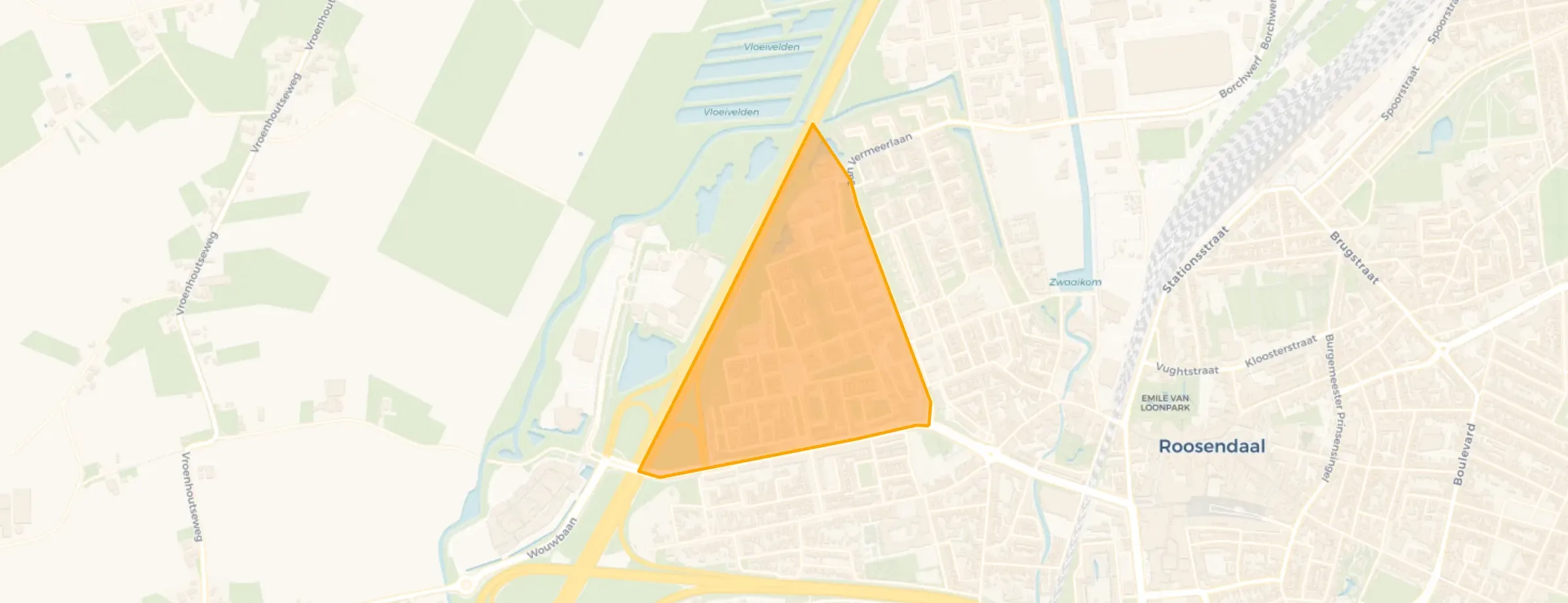
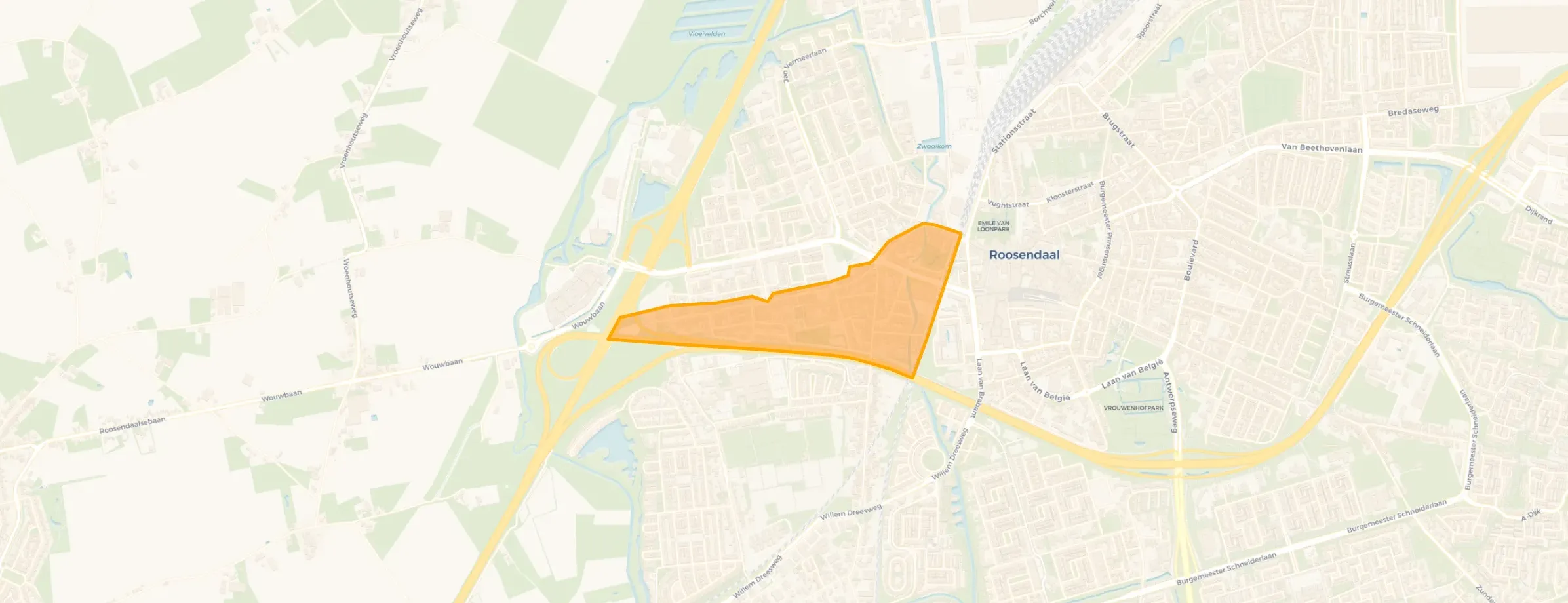
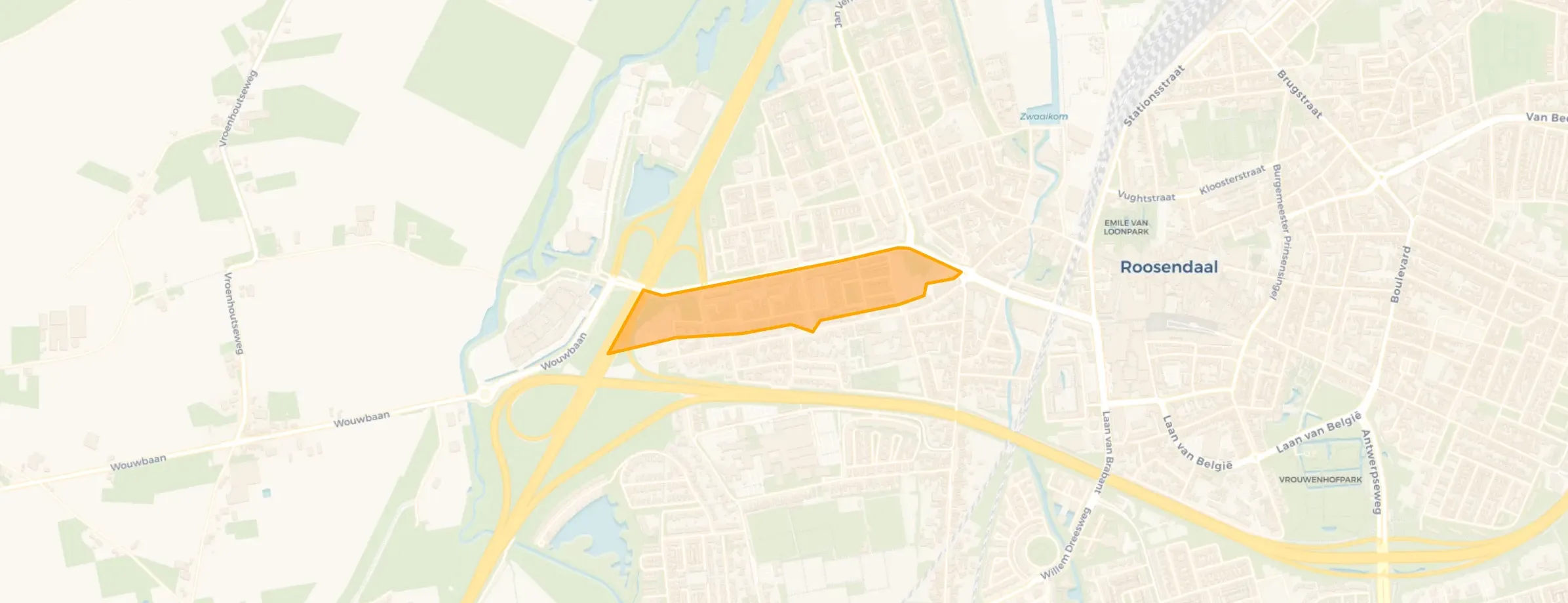
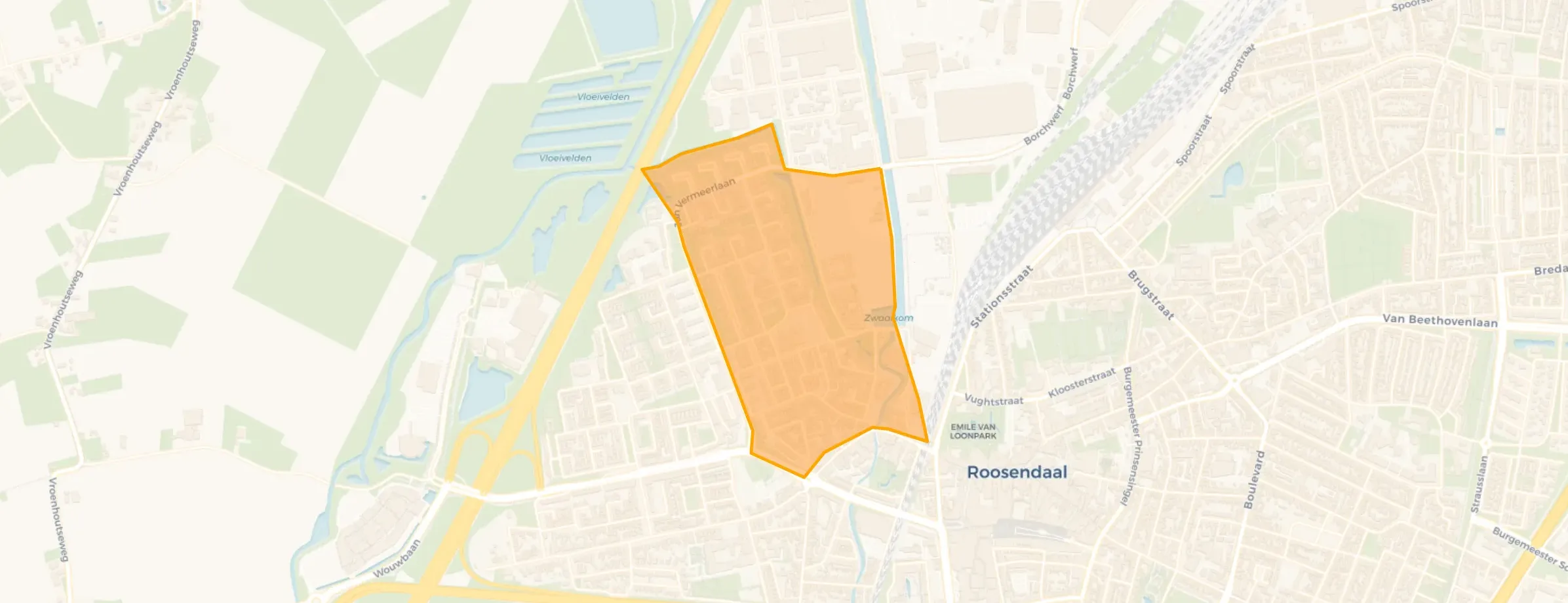
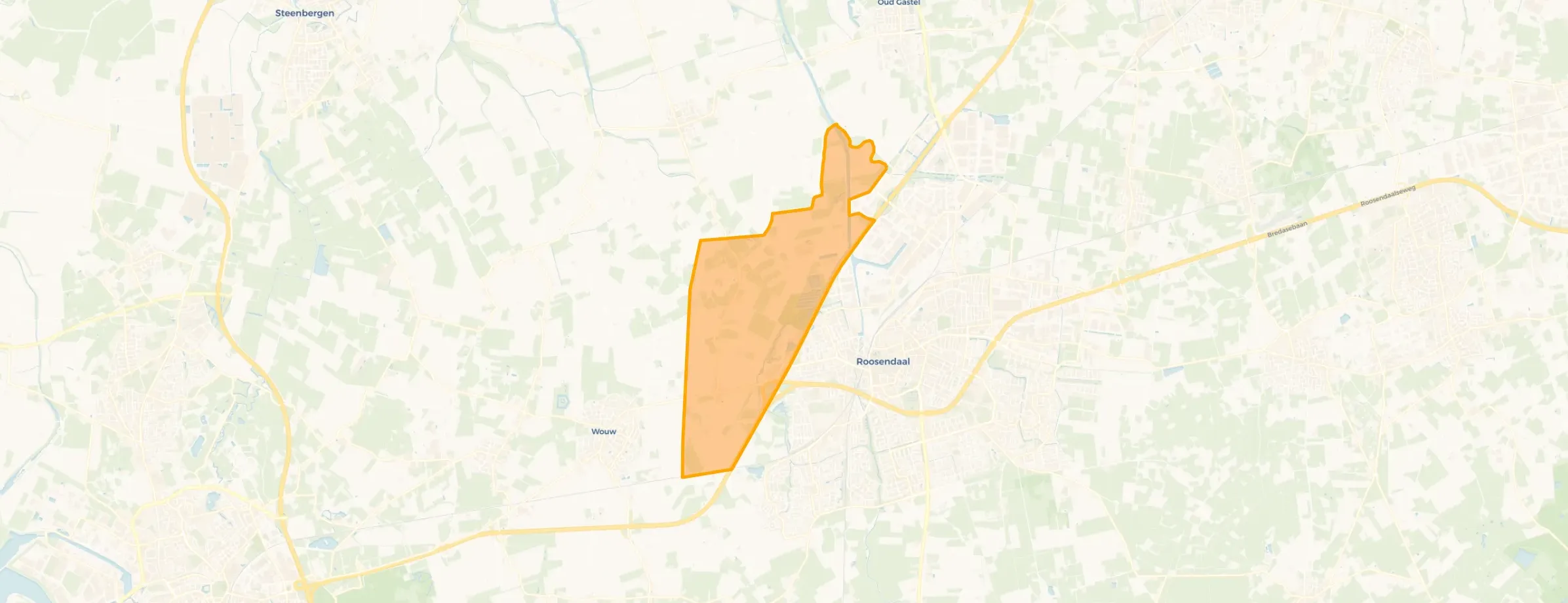
West is located in the province of Noord-Brabant, in the municipality of Roosendaal The district has a total area of 1.035 hectares, of which 1.007 hectares are land and 28 hectares are water. The district is coded as WK167403. The postcode area is 4703AA-4704RB.
West has 7.850 residents. Of these, 51,5% are men and 48,5% are women. Most residents are 25 to 45 years (30,3%). The other age groups are 25,4% for '45 to 65 years', 20,3% for '65 years or older', 13,9% for '0 to 15 years' and 10,1% for '15 to 25 years'. Of the residents, 51,7% is unmarried, 32,1% is married, 10,3% is divorced and 6,0% is widowed. 4.370 residents originate from the Netherlands, 1.375 come from Europe and 2.105 come from countries outside Europe.
There are 4.055 households in West. 50,6% of these are single-person households, 23,9% households without children and 25,5% households with children. The average household size is 1,9 persons. The national average is 2,1 persons.
In West there are 6.100 income recipients. The average income per income recipient is €35.500, which is €6.700 (16%) lower than the national average of €42.200. Per resident, the average income is €29.700, which is €5.200 (15%) lower than the national average of €34.900. Most residents of West are educated to an intermediate level. 49,3% have an intermediate education (HAVO, VWO or MBO 2-4), 32,8% have a lower education (VMBO or MBO 1) and 17,9% have a university or higher professional education (HBO/WO).
Of the 7.850 residents, around 67% are in paid employment, which amounts to 5.260 people. This is 5% lower than the national average of 72%. The majority of workers are in salaried employment (87%), while 13% are self-employed. In West, 29% of residents receive a benefit. The largest group is those receiving a state pension (AOW). 1.390 people receive this benefit.
In West there are 4.026 homes with an average assessed value (WOZ) of €258.000. Of these, around 94% are occupied and 6% unoccupied. In West there are roughly as many rental as owner-occupied homes. This amounts to 51% rental homes and 49% owner-occupied homes. Of the homes, 49% privately owned, 34% owned by housing associations and 17% owned by other landlords. The most common construction periods in West are 1950-1970 (55%) and 1990-2000 (9%).
There are currently no homes for sale in West. The most recently listed home is Memlincstraat 8 by Sweere v.o.f.. No homes were sold in West over the past year.
There are currently no homes for rent in West. The most recent home is Jan Vermeerlaan 77C, offered by www.klikvoorwonen.nl. No homes were let in West over the past year.
No recent rental data available for West.
In West there are 2.910 addresses with a registered energy label. The most common labels are A (42%), C (14%) and B (10%). On average, an address in West uses 2.230 kWh of electricity per year. This is 13% below the national average of 2.550 kWh. Natural gas consumption in this neighbourhood, at 800 m³ per year, exactly matches the national average.
Ettingen is a pleasant and quiet residential area where you quickly feel at home. The neighbourhood is green, with plenty of parks and playgrounds for children. It feels safe, with an involved community. Accessibility is good: you can reach the centre of Roosendaal quickly by bike or car, and public transport is also well organised. There are enough schools and amenities in the area, making it attractive for families. The houses are spacious and well-maintained, and there is a nice mix of young and old in the neighbourhood. In short: a nice place to live.
Auto-translated to English by AII think it's a nice neighbourhood because there is electricity
Auto-translated to English by AINever had any problems, school is nearby and they drive calmly
Auto-translated to English by AIThe residents take part in activities organised by volunteers in the street
Auto-translated to English by AIOur neighbourhood has been a bit abandoned by the municipality. Together with the neighbourhood, we often send messages to the municipality (via the BuitenBeter app) about decay, litter, illegal dumping, poor maintenance of the neighbourhood/living environment, poor maintenance of green spaces, and unsafe conditions around the playground. Illegal parking during busy times at the playground, blocking emergency services. Next to the playground is a street where cars coming to the playground can easily park. Heavy traffic (supply trucks) through our narrow street. We sometimes hold our breath here with all those happy running children heading to the playground. Behind our street is a dead-end street where we (residents) come out. This 'back street' is often 'forgotten' when it comes to sweeping, weeding, and pruning. We always have to complain to the municipality about this. It would be nice if this were just included in green/street maintenance. Rats run through people's gardens here. In our little stretch of street with 4 houses, it's really deteriorating. On one corner live labour migrants (every 3 months new people move in). The garden is overgrown, a dirty awning always hangs down, pieces of plastic in front of the windows. The owner of the house doesn't care about anything. For years, every 3 months, I've put energy into the occupants of that property. It makes me despondent. The municipality only enforces on the number of occupants and fire safety. On the other side, a private individual had the garages demolished. Now there's a fence in front, but it's easy to climb over. Rubbish bags are emptied and the area is overgrown. Adjacent buildings are constantly being partially demolished and then left like that. No one knows what will happen to this piece. The municipality doesn't respond. We've lived here for 42 years. Lived very nicely. Our children went to school here, to the playground, played outside in the 'back alley'. But it's increasingly decaying and deteriorating. Unfortunately. We like living in this part of Roosendaal. The municipality promises that the street will be renewed (sewers, road surface, etc.) but we see little of it. St. Elizabeth has been greatly expanded with maybe 100 residents. Construction traffic destroyed everything. The sewer system wasn't adapted, and residents have to use the road with their walkers and wheelchairs. Pavements are broken, too narrow, or full of cars. For example, during playground season or residents from other streets who don't want to park their cars in front of their own doors due to parking costs. We have a cosy neighbourhood. We look out for each other, help each other, have a good time together.
Auto-translated to English by AIThere aren't many good points as I see it. Many bad points though; It's not safe here for people like me (young girls) and I'm regularly harassed by creepy men. I get called all sorts of names without doing anything at all. Besides that, it's really disgustingly dirty here. You can't even look 2 metres ahead without being able to fill a bag full of rubbish.
Auto-translated to English by AIBagga
Auto-translated to English by AIThe housing stock is mainly post-war — 63% was built between 1945 and 1990. In addition, the most common type is flats (48%).
Over the past year a home for sale in West was listed for an average of €358,867 (€3,342 per m²). That is 32% below the Dutch national average. Last quarter prices fell by 16%.
A rental home in West cost an average of €1,111 per month (€17 per m²). That is 48% below the national average.
Residents give West a 7.0 out of 10 based on 7 reviews. Safety stands out with a 7.6; cleanliness lags behind with a 5.9.
Wijk West has 7,850 residents. The largest age group is 25 to 45 years (30%). Notably, 51% of the households are single-person households.
The housing supply in West is remarkably efficient: 50% has an A, A+ or B label. The average natural gas consumption per household is 800 m³ per year.
From West you can on average reach a supermarket at 0.8 km, a GP at 0.7 km, a railway station at 2.0 km, a primary school at 0.7 km (as the crow flies, source: CBS).
Right now you will find 33 homes for sale and 3 homes for rent in West.