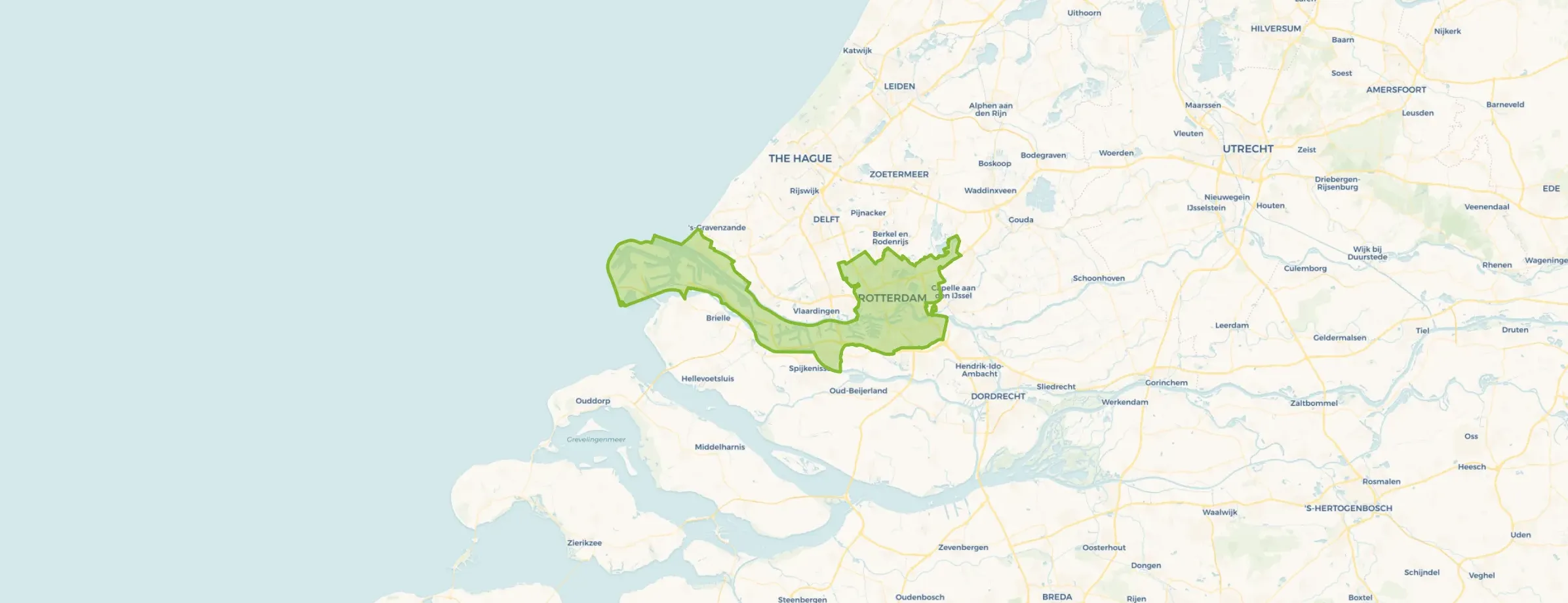
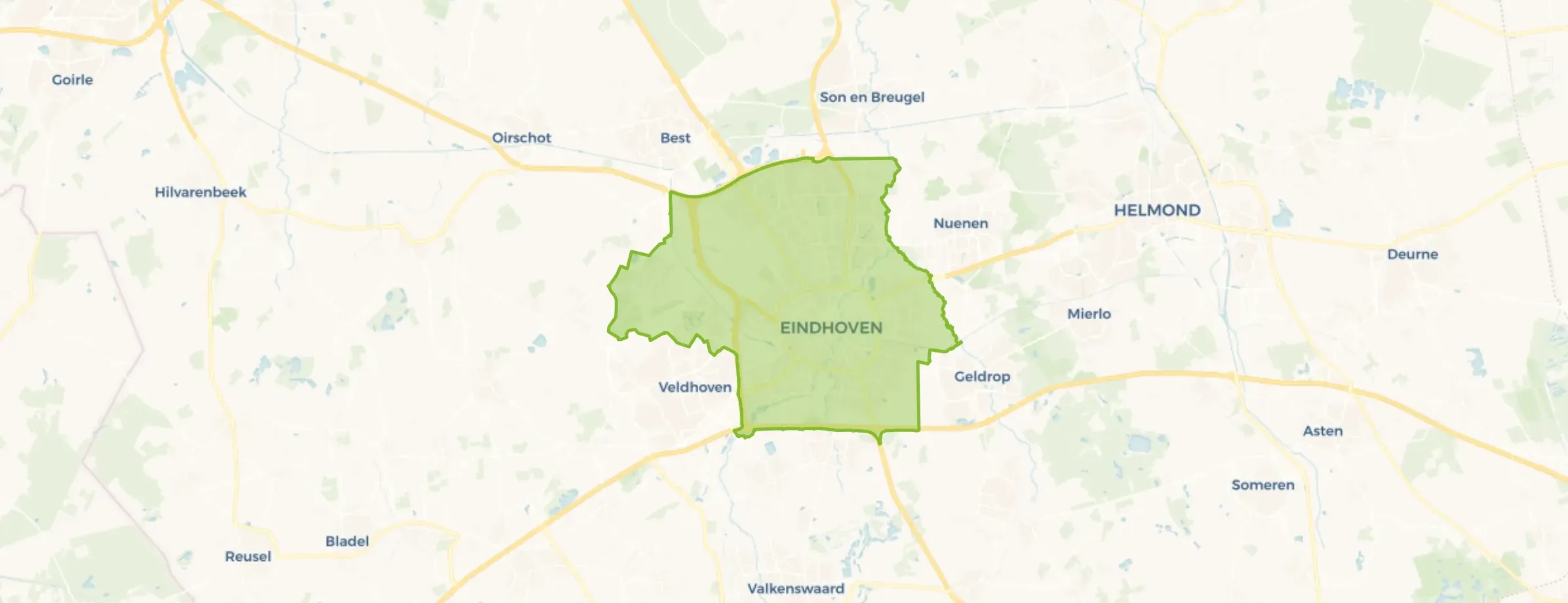
Flevowijk is located in the province of Overijssel, in the municipality of Kampen, in the district Kampen. The neighbourhood has a total area of 45 hectares, of which 44 hectares are land and 1 hectares are water. The neighbourhood is coded as BU01660005. The postcode area is 8265AA-8265ZZ.
Two residents rate the neighbourhood as good with a score of 7.8. They describe it as 'Nice' and 'A neighbourhood with its challenges at times'. Based on a limited number of reviews, no clear trends are visible yet in this neighbourhood.
Flevowijk has 3.665 residents. Of these, 49,7% are men and 50,3% are women. Most residents are 25 to 45 years (28,4%). The other age groups are 24,6% for '45 to 65 years', 19,6% for '65 years or older', 16,2% for '0 to 15 years' and 11,3% for '15 to 25 years'. Of the residents, 49,8% is unmarried, 35,2% is married, 9,8% is divorced and 5,0% is widowed. 2.580 residents originate from the Netherlands, 195 come from Europe and 890 come from countries outside Europe.
There are 1.830 households in Flevowijk. 45,1% of these are single-person households, 24,0% households without children and 30,9% households with children. The average household size is 2,0 persons. The national average is 2,1 persons.
In Flevowijk there are 2.900 income recipients. The average income per income recipient is €29.900, which is €12.300 (29%) lower than the national average of €42.200. Per resident, the average income is €24.600, which is €10.300 (30%) lower than the national average of €34.900. Most residents of Flevowijk are educated to an intermediate level. 49,6% have an intermediate education (HAVO, VWO or MBO 2-4), 35,6% have a lower education (VMBO or MBO 1) and 14,8% have a university or higher professional education (HBO/WO).
Of the 3.665 residents, around 64% are in paid employment, which amounts to 2.346 people. This is 8% lower than the national average of 72%. The majority of workers are in salaried employment (91%), while 9% are self-employed. In Flevowijk, 34% of residents receive a benefit. The largest group is those receiving a state pension (AOW). 650 people receive this benefit.
In Flevowijk there are 1.820 homes with an average assessed value (WOZ) of €256.000. Of these, around 99% are occupied and 1% unoccupied. Most homes are rental properties. This amounts to 69% rental homes and 31% owner-occupied homes. Of the homes, 31% privately owned, 68% owned by housing associations and 1% owned by other landlords. The most common construction periods in Flevowijk are 1950-1970 (78%) and 1970-1980 (20%).
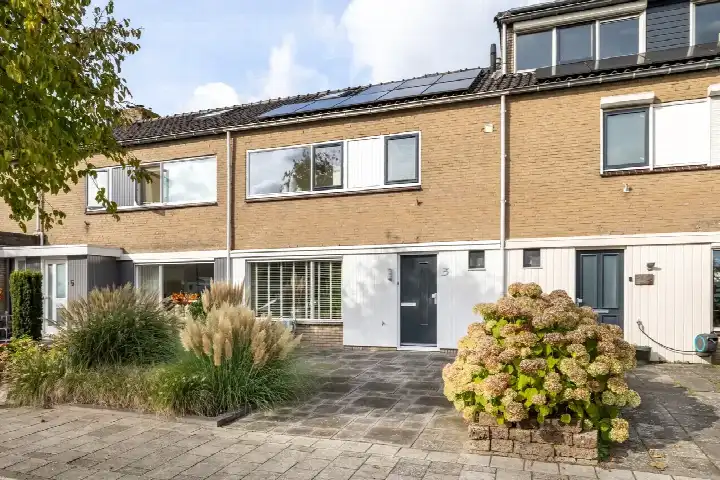
There are currently 6 homes for sale in Flevowijk. The most recently listed home is Cruquiusstraat 3 by Van Dijk Makelaardij op Funda. Over the past year, 22 homes were sold in Flevowijk. On average, a home was sold within 10 days.
The average asking price for a home for sale in Flevowijk over the past year was €350.364. This is 37% higher than the average assessed value (WOZ) of €256.000. The average asking price per m² of floor area is €3.220.
There are currently no homes for rent in Flevowijk. The most recent home is Visseringstraat 11, offered by www.dewoningzoeker.nl. No homes were let in Flevowijk over the past year.
No recent rental data available for Flevowijk.
In Flevowijk there are 1.531 addresses with a registered energy label. The most common labels are A (37%), B (21%) and C (18%). On average, an address in Flevowijk uses 2.070 kWh of electricity per year. This is 19% below the national average of 2.550 kWh. Natural gas consumption, at 820 m³ per year, is 3% above the national average of 800 m³.
A nice and cosy neighbourhood
Auto-translated to English by AII live in a complex myself, where we are very social and caring towards each other. The neighbourhood is a mix of owner-occupied and rental properties. Additionally, a mix of low-rise and high-rise buildings. A neighbourhood where many elderly people also live. It's pleasant to live here and we have a good shopping centre. Together with St. Welzijn, we also try to get to know the neighbours on other streets. There are also many other cultures living here. In my opinion, we can make it a beautiful, vibrant district, but that will take some time. I just miss a real meeting space in our neighbourhood; perhaps the church (which is there) could play a role in that. Or a brown café would also be nice. Getting to know each other and learning from one another. A good neighbour is worth gold! A meeting space offers many opportunities to get in touch with each other, exchange ideas, and enjoy various meals together. Every neighbourhood should have such a space.
Auto-translated to English by AI