Neighbourhood in Maastricht
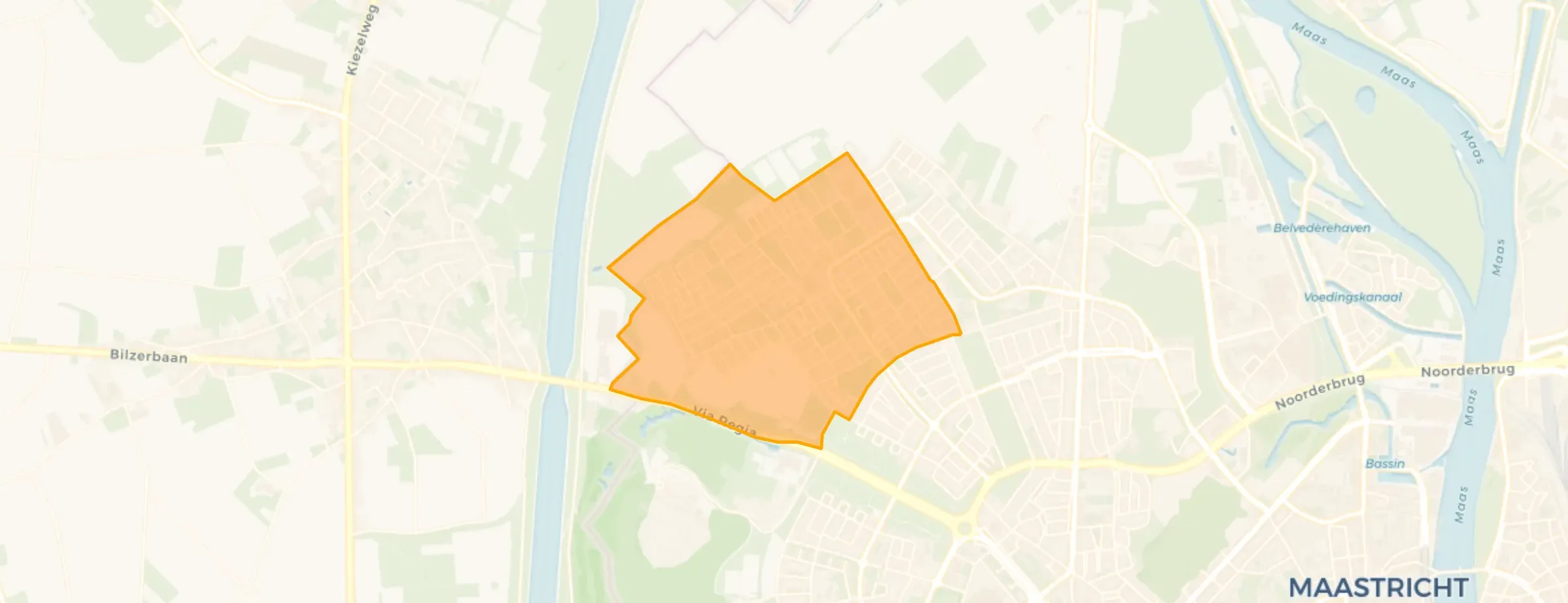
Malberg is located in the province of Limburg, in the municipality of Maastricht, in the district Buitenwijk West The neighbourhood has a total area of 130 hectares, of which 130 hectares are land and 0 hectares are water. The neighbourhood is coded as BU09350207. The postcode area is 6218AC-6218XZ.
Five residents rate the neighbourhood as very good with a score of 8.5. They describe it as 'Working-class neighbourhood', 'The neighbourhood is always actively doing something.' and 'Very nice neighbourhood,'. Residents are positive about the neighbourhood: nearly all aspects score well. In particular, greenery, amenities, safety are seen as strong points.
Malberg has 5.355 residents. Of these, 47,9% are men and 52,1% are women. Most residents are 65 years or older (29,0%). The other age groups are 25,9% for '45 to 65 years', 23,1% for '25 to 45 years', 13,5% for '0 to 15 years' and 8,6% for '15 to 25 years'. Of the residents, 43,0% is unmarried, 38,2% is married, 10,9% is divorced and 8,0% is widowed. 3.565 residents originate from the Netherlands, 725 come from Europe and 1.065 come from countries outside Europe.
There are 2.700 households in Malberg. 41,3% of these are single-person households, 30,4% households without children and 28,3% households with children. The average household size is 2,0 persons. The national average is 2,1 persons.
In Malberg there are 4.500 income recipients. The average income per income recipient is €31.700, which is €10.500 (25%) lower than the national average of €42.200. Per resident, the average income is €26.900, which is €8.000 (23%) lower than the national average of €34.900. Most residents of Malberg are educated to a lower level. 44,6% have a lower education (VMBO or MBO 1), 40,3% have an intermediate education (HAVO, VWO or MBO 2-4) and 15,1% have a university or higher professional education (HBO/WO).
Of the 5.355 residents, around 58% are in paid employment, which amounts to 3.106 people. This is 14% lower than the national average of 72%. The majority of workers are in salaried employment (91%), while 9% are self-employed. In Malberg, 41% of residents receive a benefit. The largest group is those receiving a state pension (AOW). 1.390 people receive this benefit.
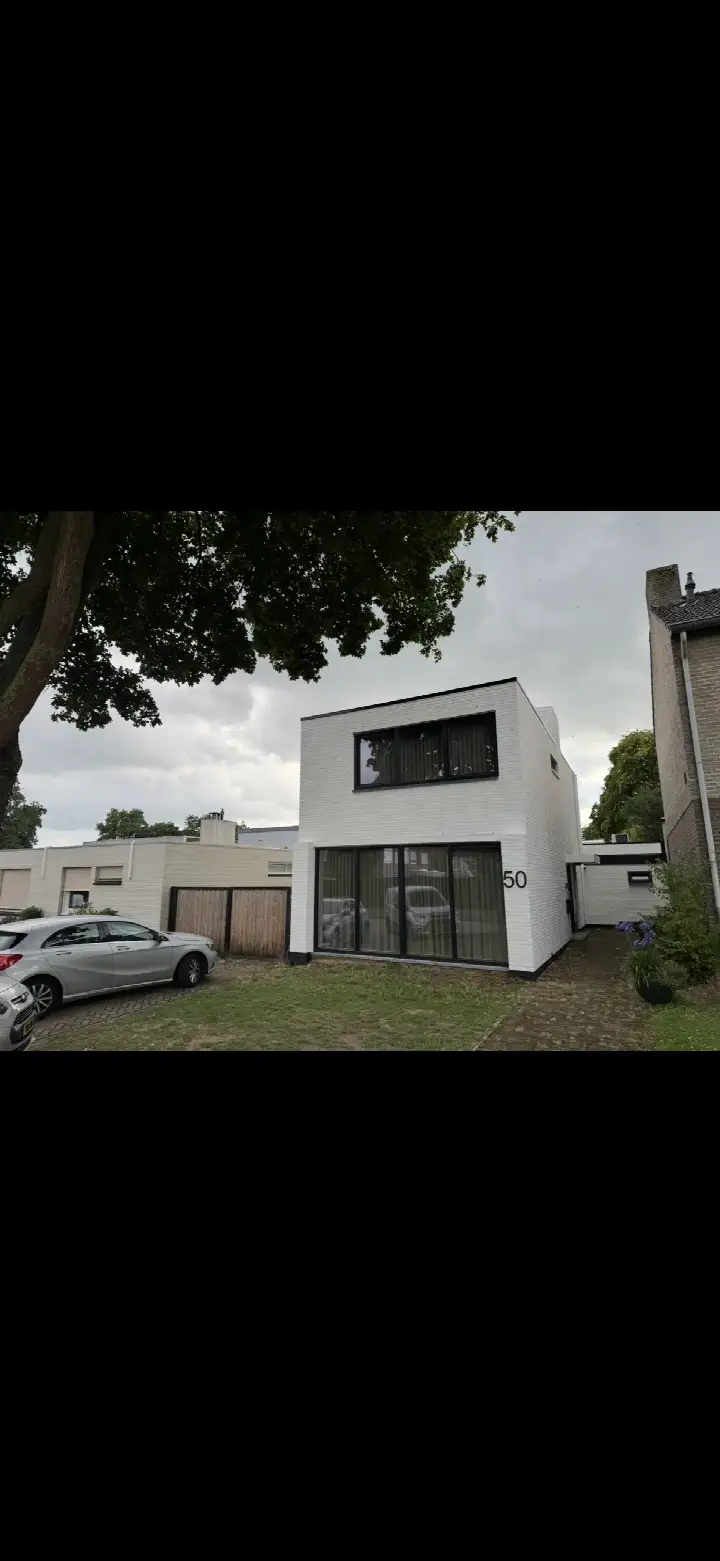
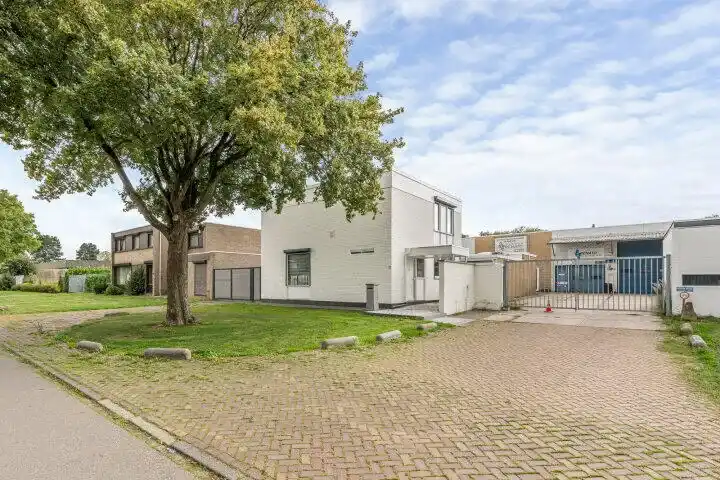
In Malberg there are 2.677 homes with an average assessed value (WOZ) of €257.000. Of these, around 98% are occupied and 2% unoccupied. Most homes are rental properties. This amounts to 67% rental homes and 33% owner-occupied homes. Of the homes, 33% privately owned, 62% owned by housing associations, 4% owned by other landlords and 1% of unknown ownership. The most common construction periods in Malberg are 1950-1970 (63%) and 2000-2010 (14%).
There are currently 15 homes for sale in Malberg. The most recently listed home is Haakbusruwe 24 by Damen Makelaardij | Maastricht op Funda. Over the past year, 96 homes were sold in Malberg. On average, a home was sold within 71 days.
The average asking price for a home for sale in Malberg over the past year was €401.656. This is 56% higher than the average assessed value (WOZ) of €257.000. The average asking price per m² of plot is €2.809.
There are currently no homes for rent in Malberg. The most recent home is Florijnruwe 44E, offered by www.thuisinlimburg.nl. Over the past year, 14 homes were let in Malberg. On average, a listing was let within 46 days.
No recent rental data available for Malberg.
In Malberg there are 2.183 addresses with a registered energy label. The most common labels are A (31%), C (27%) and B (19%). On average, an address in Malberg uses 2.320 kWh of electricity per year. This is 9% below the national average of 2.550 kWh. With an annual consumption of 670 m³ per address, natural gas consumption is 16% below the national average of 800 m³.
Grew up here and returned after years. Nice shops, park nearby.
Auto-translated to English by AIAt first I was a bit intimidated by certain figures in the neighbourhood, but almost everyone gets along just fine. I've lived in Malberg my whole life and it's not as bad as people make it out to be. There's a little square near me where almost always something was organised for the neighbourhood during the holidays to get together, which is why I think this neighbourhood is great. There's a primary school that provides good education, plenty of green spaces, lots of playgrounds/sports fields, and it's easily accessible.
Auto-translated to English by AIEverything close at hand, could use a few more rubbish bins, and cameras at the containers but otherwise clean, plenty of nature, cosy parks, just need to tackle those who drive extremely fast on the Malbergsingel, 10 minutes by bike you have a very nice large covered shopping centre,
Auto-translated to English by AIReasonably quiet neighbourhood, only the cars often drive like idiots on the Malbergsingel.
Auto-translated to English by AIMalberg is a quiet neighbourhood on the edge of Maastricht. The area has relatively a lot of greenery, there are shops, sports facilities and good access roads to the centre. The neighbourhood gives me a safe feeling. I am happy to live there.
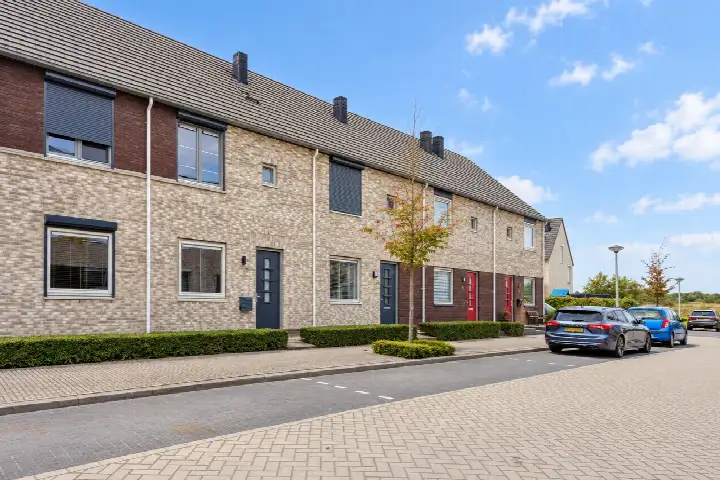
Auto-translated to English by AIThe housing stock is mainly post-war — 53% was built between 1945 and 1990. In addition, the most common type is terraced houses (47%).
Over the past year a home for sale in Malberg was listed for an average of €400,947 (€3,169 per m²). Last quarter prices rose by 12%.
Residents give Malberg a 8.5 out of 10 based on 5 reviews. Especially nature and greenery (9.4) scores well; cleanliness (8.0) receives the lowest rating.
The housing supply in Malberg is remarkably efficient: 68% has an A, A+ or B label. The average natural gas consumption per household is 670 m³ per year.
From Malberg you can on average reach a supermarket at 0.4 km, a GP at 0.5 km, a railway station at 4.9 km, a primary school at 0.6 km (as the crow flies, source: CBS).
Right now you will find 18 homes for sale and 1 homes for rent in Malberg. A home for sale here is listed for an average of 70 days — relatively long for the current market.