Neighbourhood in Utrecht
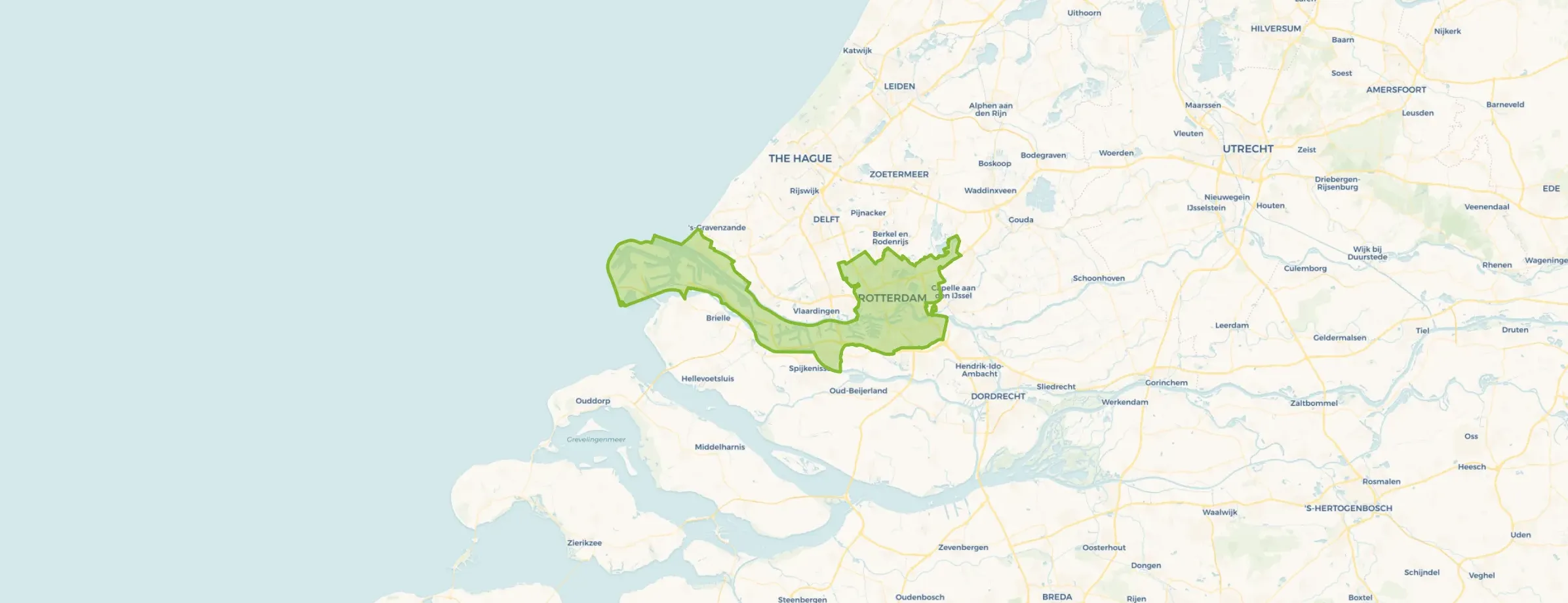
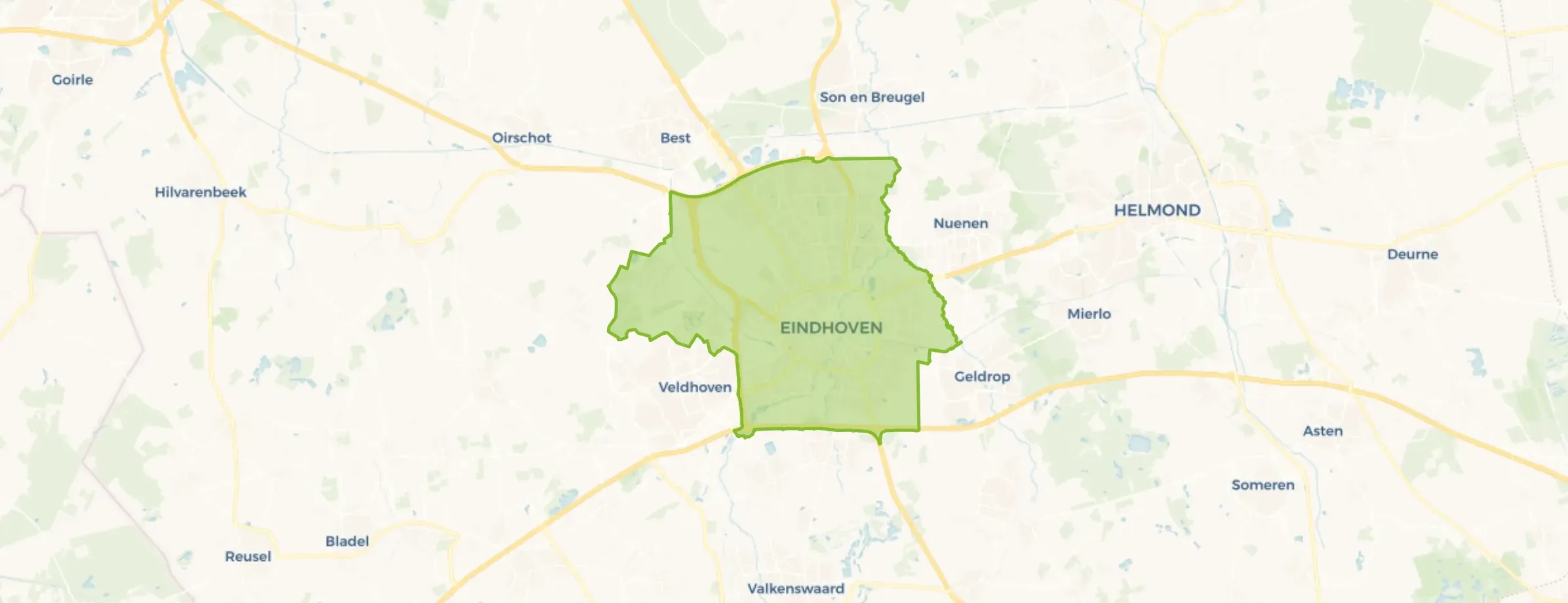
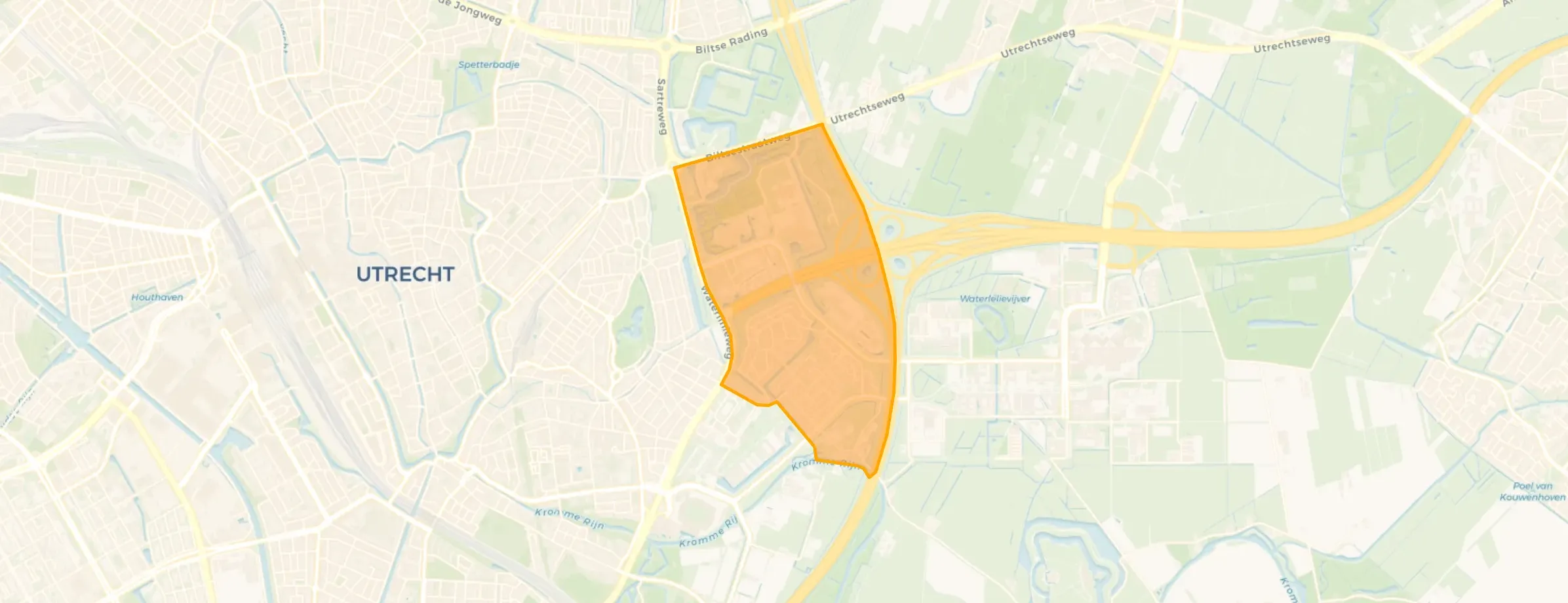
Rijnsweerd is located in the province of Utrecht, in the municipality of Utrecht, in the district Oost The neighbourhood has a total area of 161 hectares, of which 153 hectares are land and 8 hectares are water. The neighbourhood is coded as BU03440534. The postcode area is 3584AD-3584ZZ.
Three residents rate the neighbourhood as more than satisfactory with a score of 6.8. They describe it as 'Messy, noisy but very cosy and helpful', 'Quiet family neighbourhood close to the city centre' and 'Loud, busy and cosy'. Residents experience big differences in this neighbourhood: greenery, education, safety receive high ratings, while housing and amenities are mentioned as weak points.
Rijnsweerd has 3.015 residents. Of these, 46,9% are men and 52,9% are women. Most residents are 15 to 25 years (32,7%). The other age groups are 23,1% for '25 to 45 years', 18,6% for '45 to 65 years', 14,3% for '65 years or older' and 11,4% for '0 to 15 years'. Of the residents, 72,3% is unmarried, 21,9% is married, 3,6% is divorced and 2,0% is widowed. 2.020 residents originate from the Netherlands, 610 come from Europe and 385 come from countries outside Europe.
There are 1.905 households in Rijnsweerd. 68,0% of these are single-person households, 15,5% households without children and 16,5% households with children. The average household size is 1,6 persons. The national average is 2,1 persons.
In Rijnsweerd there are 2.400 income recipients. The average income per income recipient is €47.500, which is €5.300 (13%) higher than the national average of €42.200. Per resident, the average income is €44.100, which is €9.200 (26%) higher than the national average of €34.900. Most residents of Rijnsweerd are highly educated. 65,2% have a university or higher professional education (HBO/WO), 21,5% have an intermediate education (HAVO, VWO or MBO 2-4) and 13,3% have a lower education (VMBO or MBO 1).
Of the 3.015 residents, around 68% are in paid employment, which amounts to 2.050 people. This is 4% lower than the national average of 72%. The majority of workers are in salaried employment (81%), while 19% are self-employed. In Rijnsweerd, 15% of residents receive a benefit. The largest group is those receiving a state pension (AOW). 380 people receive this benefit.
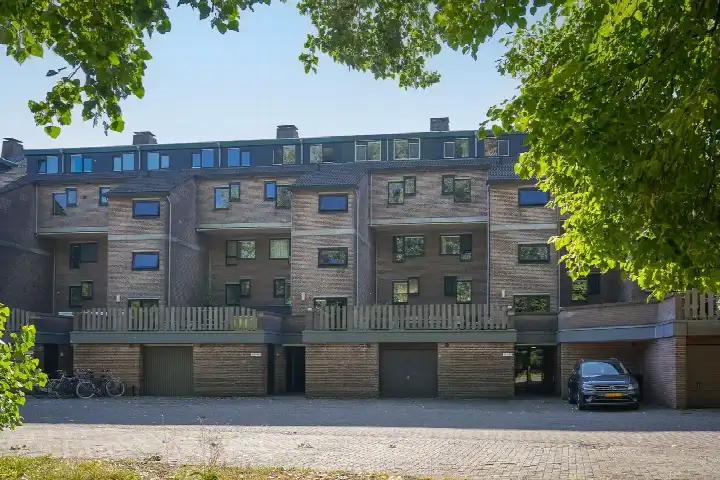
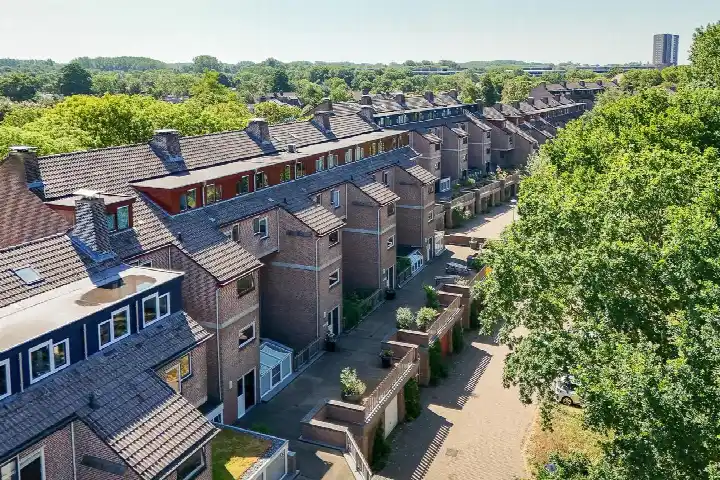
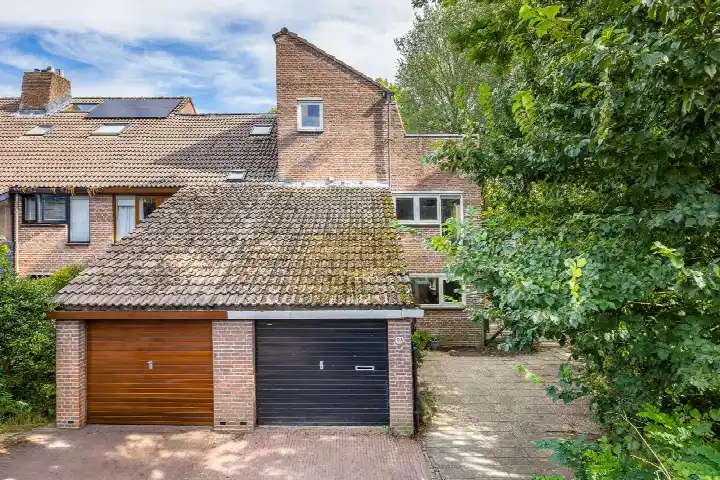
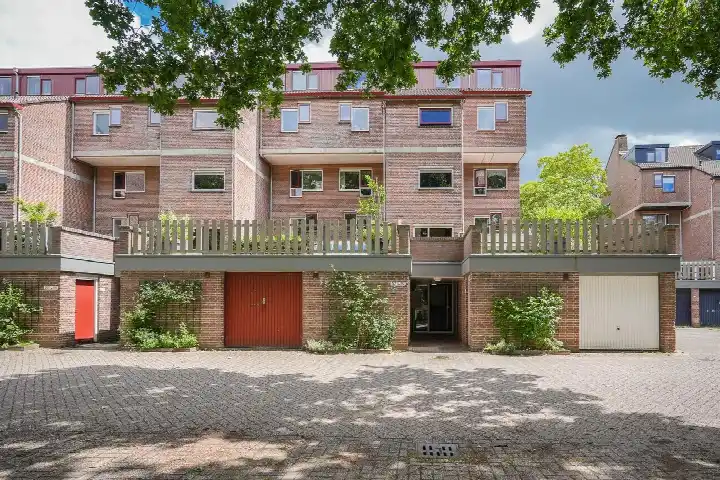
In Rijnsweerd there are 967 homes with an average assessed value (WOZ) of €717.000. Of these, around 97% are occupied and 3% unoccupied. Most homes are owner-occupied. This amounts to 19% rental homes and 81% owner-occupied homes. Of the homes, 81% privately owned, 5% owned by housing associations and 14% owned by other landlords. The most common construction periods in Rijnsweerd are 1970-1980 (58%) and 1980-1990 (24%).
There are currently no homes for sale in Rijnsweerd. The most recently listed home is Albert van Dalsumlaan 67 by Clemens de Korte makelaardij | Huisrijnsweerd. No homes were sold in Rijnsweerd over the past year.
There are currently no homes for rent in Rijnsweerd. The most recent home is Albert van Dalsumlaan 283, offered by Clemens de Korte makelaardij | Huisrijnsweerd. No homes were let in Rijnsweerd over the past year.
No recent rental data available for Rijnsweerd.
In Rijnsweerd there are 623 addresses with a registered energy label. The most common labels are A (31%), B (29%) and C (28%). On average, an address in Rijnsweerd uses 2.870 kWh of electricity per year. This is 13% above the national average of 2.550 kWh. With an annual consumption of 280 m³ per address, natural gas consumption is 65% below the national average of 800 m³.
It's nice to live in this neighbourhood because there is a very large student complex. It can be a bit noisy at times and the rubbish is not put away neatly. Furthermore, in spring we have a huge problem with the seagulls that live on our roofs. There are also hardly any facilities in the area in terms of shops. But it is easily accessible and close to the university. Also, it's super cosy to live with so many students and having a lot of nature in the surroundings is a luxury too.
Auto-translated to English by AIReally a nice neighbourhood, but no amenities such as supermarket, pharmacy, GP, chemist, café, etc.
Auto-translated to English by AIThe neighbourhood is often dirty. We have too few containers for the number of students living here, which means there is often rubbish on the square. Furthermore, there are regular parties and drunk students at night, earplugs are recommended. There is also no cheap supermarket in the area, and as a student that is very annoying. But it is a very cosy neighbourhood and a very nice experience in my life. Super cosy. Lots of greenery and the surroundings are super quiet because hardly anyone lives in Rijnsweerd.
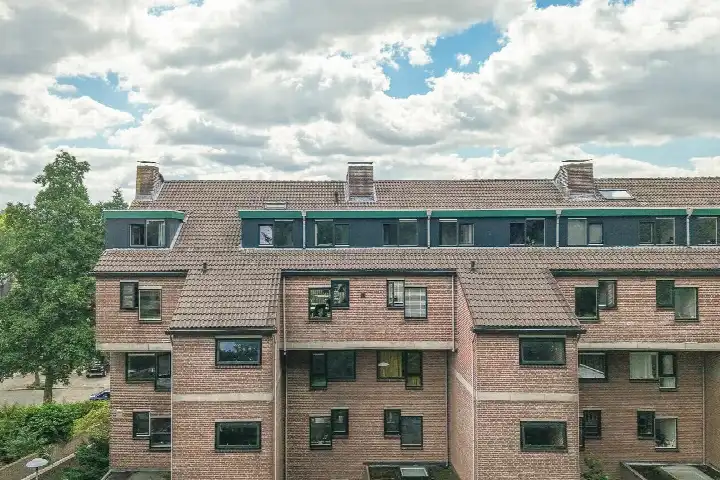
Auto-translated to English by AIThe housing stock is mainly post-war — 99% was built between 1945 and 1990. In addition, the most common type is flats (47%).
Over the past year a home for sale in Rijnsweerd was listed for an average of €585,529 (€5,993 per m²). That is 11% above the Dutch national average.
Residents give Rijnsweerd a 6.8 out of 10 based on 3 reviews. Nature and greenery stands out with a 9.7; amenities lags behind with a 2.7.
Buurt Rijnsweerd has 3,015 residents. The largest age group is 15 to 25 years (33%). Notably, 68% of the households are single-person households.
The housing supply in Rijnsweerd is remarkably efficient: 75% has an A, A+ or B label. The average natural gas consumption per household is 280 m³ per year.
From Rijnsweerd you can on average reach a supermarket at 1.5 km, a GP at 1.0 km, a railway station at 3.3 km, a primary school at 0.8 km (as the crow flies, source: CBS).