Neighbourhood in Zevenaar
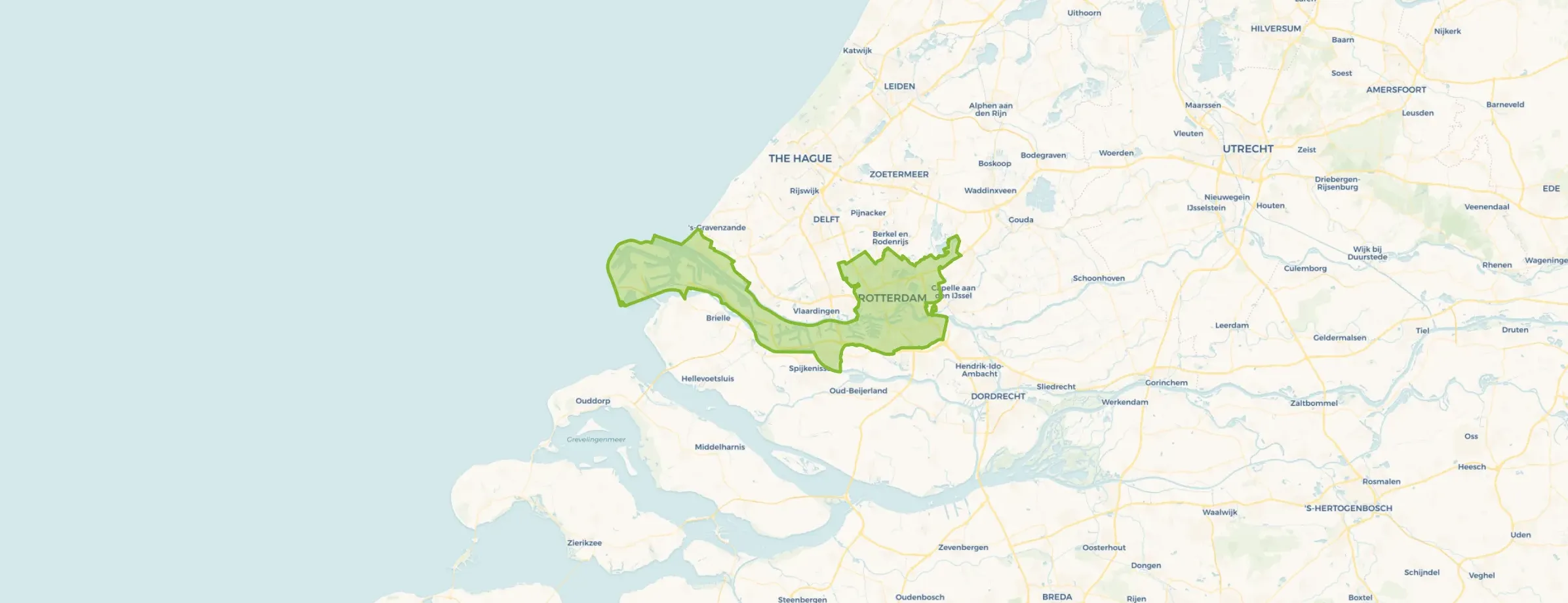
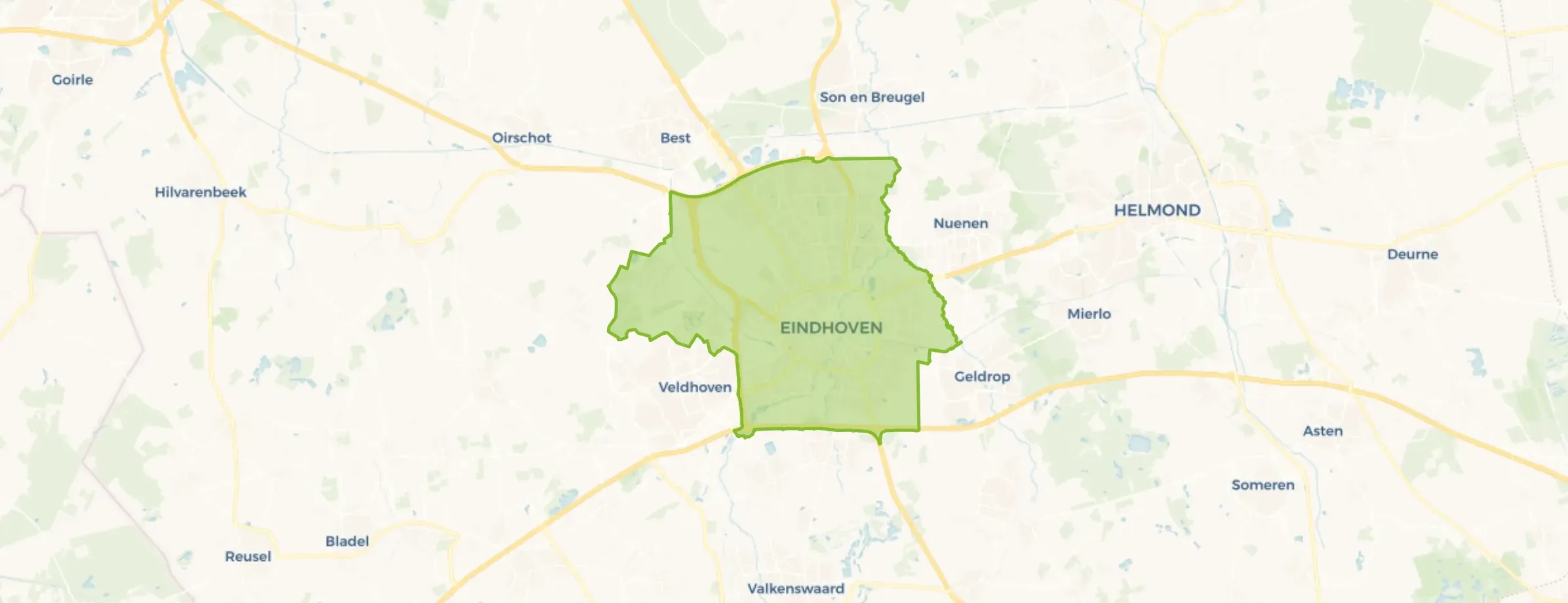
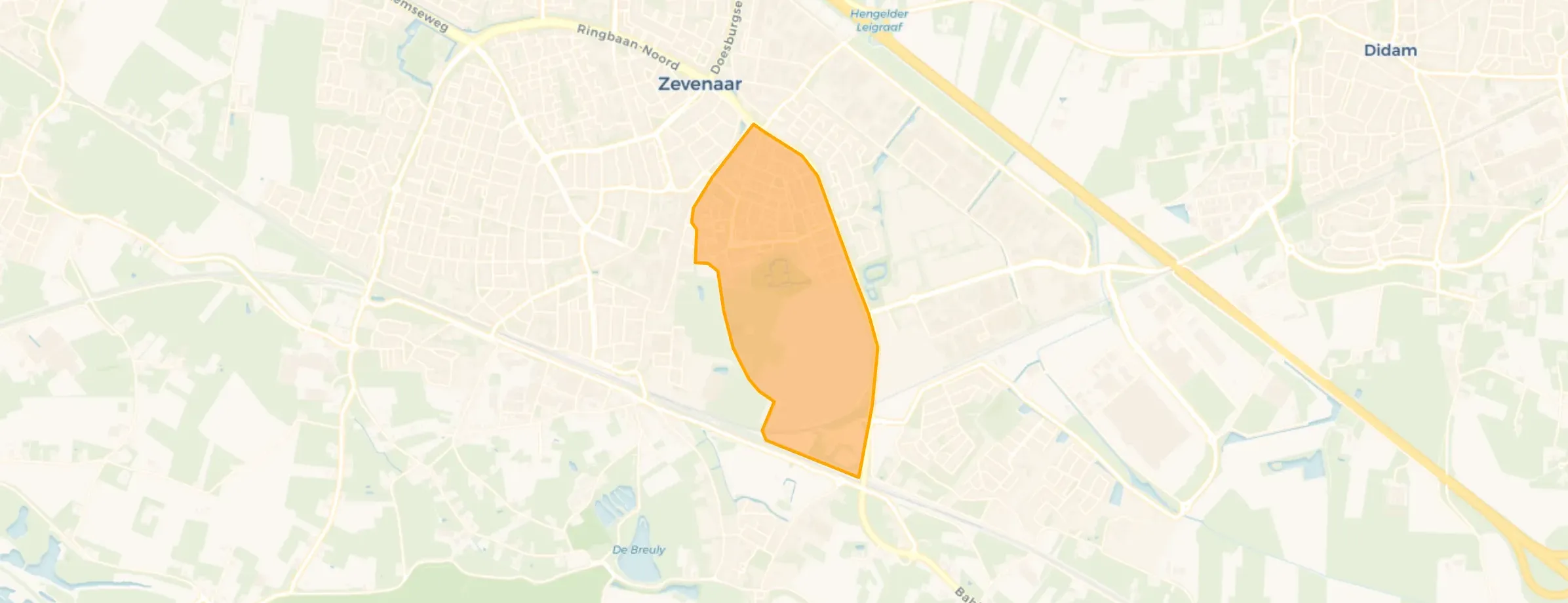
Schrijvershoek is located in the province of Gelderland, in the municipality of Zevenaar, in the district Zevenaar The neighbourhood has a total area of 92 hectares, of which 92 hectares are land and 0 hectares are water. The neighbourhood is coded as BU02990003. The postcode area is 6901HB-6905JT.
Two residents rate the neighbourhood as good with a score of 7.9. They describe it as 'Quiet neighbourhood with good accessibility and pleasant residents.' and 'Quiet neighbourhood and good accessibility.'. Based on a limited number of reviews, no clear trends are visible yet in this neighbourhood.
Schrijvershoek has 2.245 residents. Of these, 49,4% are men and 50,6% are women. Most residents are 65 years or older (29,4%). The other age groups are 26,3% for '45 to 65 years', 24,1% for '25 to 45 years', 11,4% for '0 to 15 years' and 8,9% for '15 to 25 years'. Of the residents, 45,9% is unmarried, 33,4% is married, 12,0% is divorced and 8,7% is widowed. 1.680 residents originate from the Netherlands, 220 come from Europe and 340 come from countries outside Europe.
There are 1.230 households in Schrijvershoek. 50,0% of these are single-person households, 26,8% households without children and 23,2% households with children. The average household size is 1,8 persons. The national average is 2,1 persons.
In Schrijvershoek there are 2.000 income recipients. The average income per income recipient is €31.400, which is €10.800 (26%) lower than the national average of €42.200. Per resident, the average income is €27.500, which is €7.400 (21%) lower than the national average of €34.900. Most residents of Schrijvershoek are educated to an intermediate level. 45,4% have an intermediate education (HAVO, VWO or MBO 2-4), 35,0% have a lower education (VMBO or MBO 1) and 19,6% have a university or higher professional education (HBO/WO).
Of the 2.245 residents, around 65% are in paid employment, which amounts to 1.459 people. This is 7% lower than the national average of 72%. The majority of workers are in salaried employment (91%), while 9% are self-employed. In Schrijvershoek, 39% of residents receive a benefit. The largest group is those receiving a state pension (AOW). 610 people receive this benefit.
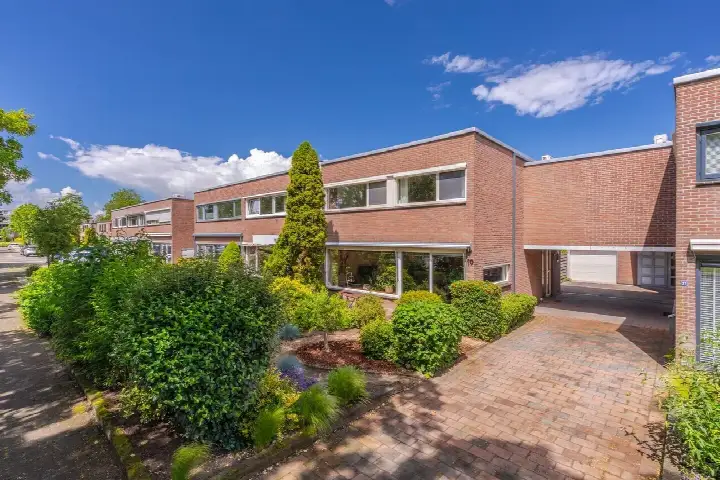
In Schrijvershoek there are 1.251 homes with an average assessed value (WOZ) of €253.000. Of these, around 98% are occupied and 2% unoccupied. In Schrijvershoek there are roughly as many rental as owner-occupied homes. This amounts to 54% rental homes and 46% owner-occupied homes. Of the homes, 46% privately owned, 50% owned by housing associations and 4% owned by other landlords. The most common construction periods in Schrijvershoek are 1950-1970 (56%) and 1980-1990 (29%).
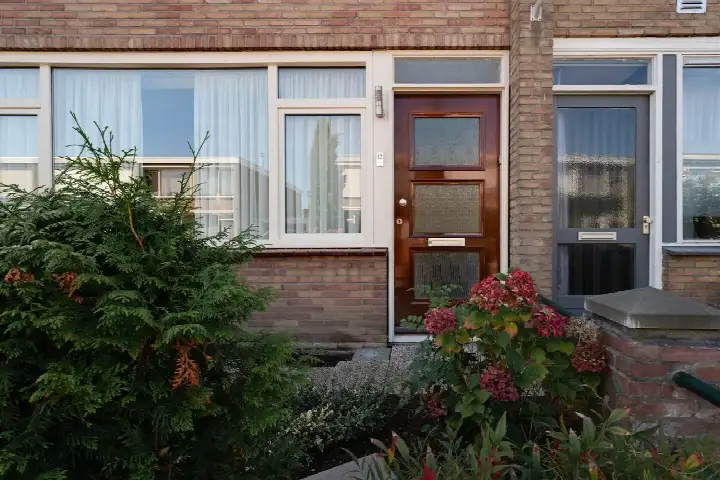
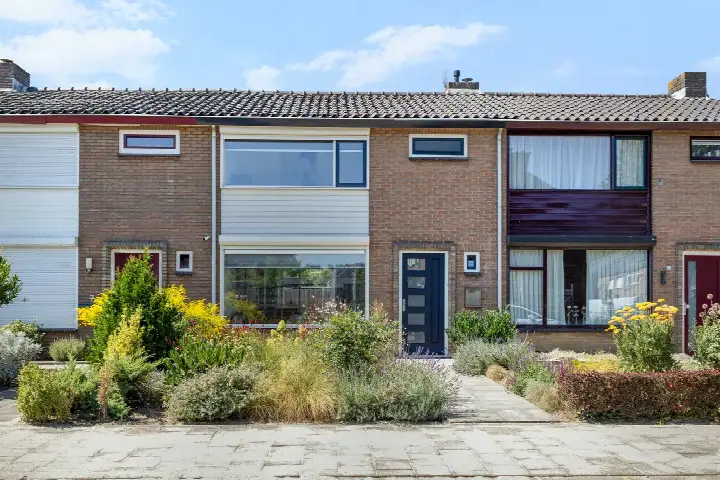
There are currently 9 homes for sale in Schrijvershoek. The most recently listed home is Willem Kloosstraat 12 by Joosten Makelaardij. Over the past year, 32 homes were sold in Schrijvershoek. On average, a home was sold within 51 days.
The average asking price for a home for sale in Schrijvershoek over the past year was €413.703. This is 64% higher than the average assessed value (WOZ) of €253.000. The average asking price per m² of plot is €3.391.
There are currently no homes for rent in Schrijvershoek. The most recent home is Vondellaan 168, offered by GABA Makelaardij op Funda. Over the past year, 2 homes were let in Schrijvershoek. On average, a listing was let within 19 days.
No recent rental data available for Schrijvershoek.
In Schrijvershoek there are 955 addresses with a registered energy label. The most common labels are A (35%), C (26%) and D (16%). On average, an address in Schrijvershoek uses 2.350 kWh of electricity per year. This is 8% below the national average of 2.550 kWh. With an annual consumption of 710 m³ per address, natural gas consumption is 11% below the national average of 800 m³.
Modest and pleasant residents. Many have lived in their homes for a long time, so there is little turnover. The average age has risen considerably over the years. Most children have now left home and live on their own. This autumn, the neighbourhood will undergo major renovations: pipes and paving will be renewed, and the current asphalt paving will be replaced with cobblestones, which not everyone is happy about. The neighbourhood is not far from the centre and is not busy with traffic.
Auto-translated to English by AIA quiet and pleasant neighbourhood. It is nice to live here and there are good contacts with fellow residents. The average age is probably a bit higher than in other districts. Most houses were built in the 1960s and early 1970s. There is a good balance between owner-occupied and rental homes. The main amenities are also present, such as a square and a grass field. For young people it may not be enough, but they are usually found in the city centre and entertain themselves more with their mobile phones. Job seekers will usually find a job outside the neighbourhood because there are few businesses in the Schrijvershoek district. Hopefully the municipality of Zevenaar has no big plans for this neighbourhood and it may stay as it is now! Lifra.
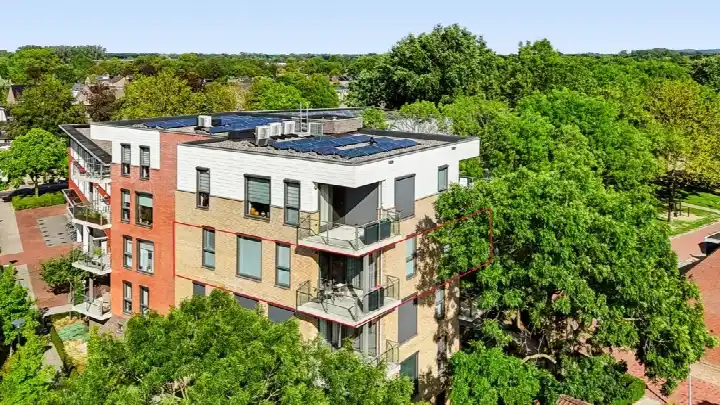
Auto-translated to English by AIThe housing stock is mainly post-war — 86% was built between 1945 and 1990. In addition, the most common type is flats (44%).
Over the past year a home for sale in Schrijvershoek was listed for an average of €399,426 (€3,823 per m²). That is 24% below the Dutch national average.
Buurt Schrijvershoek has 2,245 residents. Notably, 50% of the households are single-person households.
From Schrijvershoek you can on average reach a supermarket at 0.8 km, a GP at 0.4 km, a railway station at 1.4 km, a primary school at 1.5 km (as the crow flies, source: CBS).