Neighbourhood in Vught
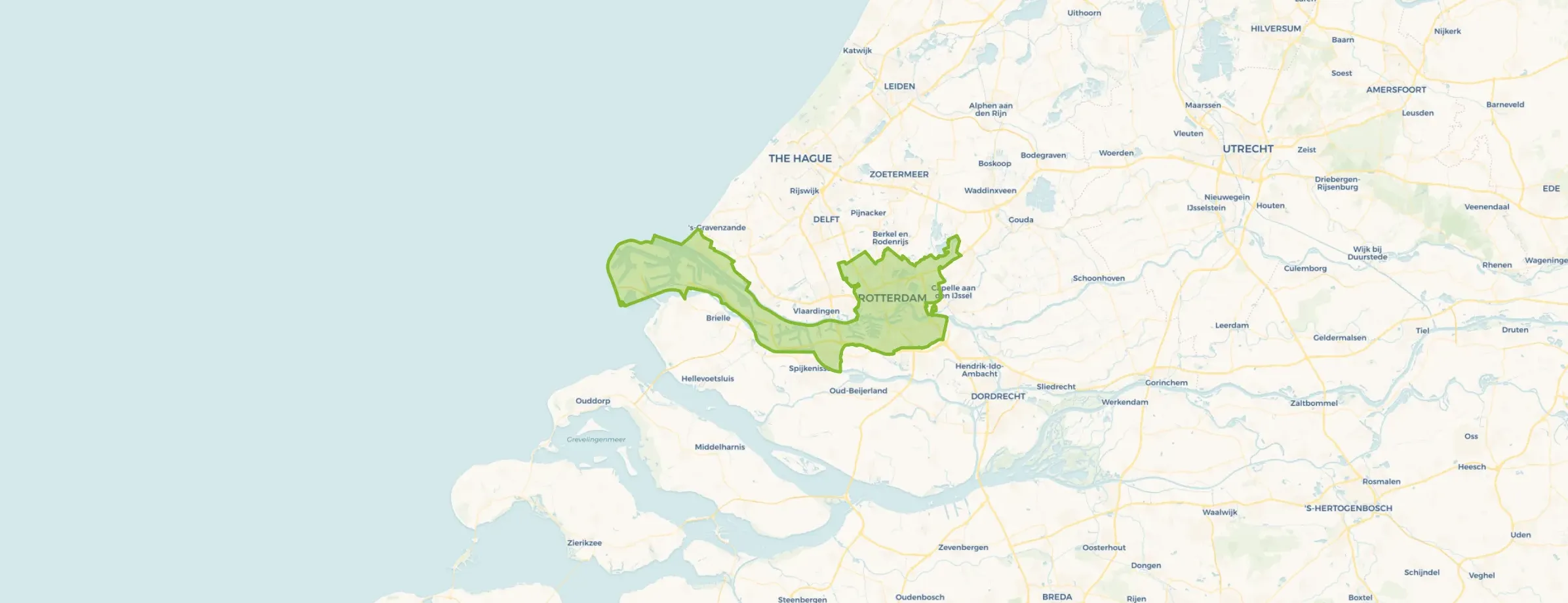
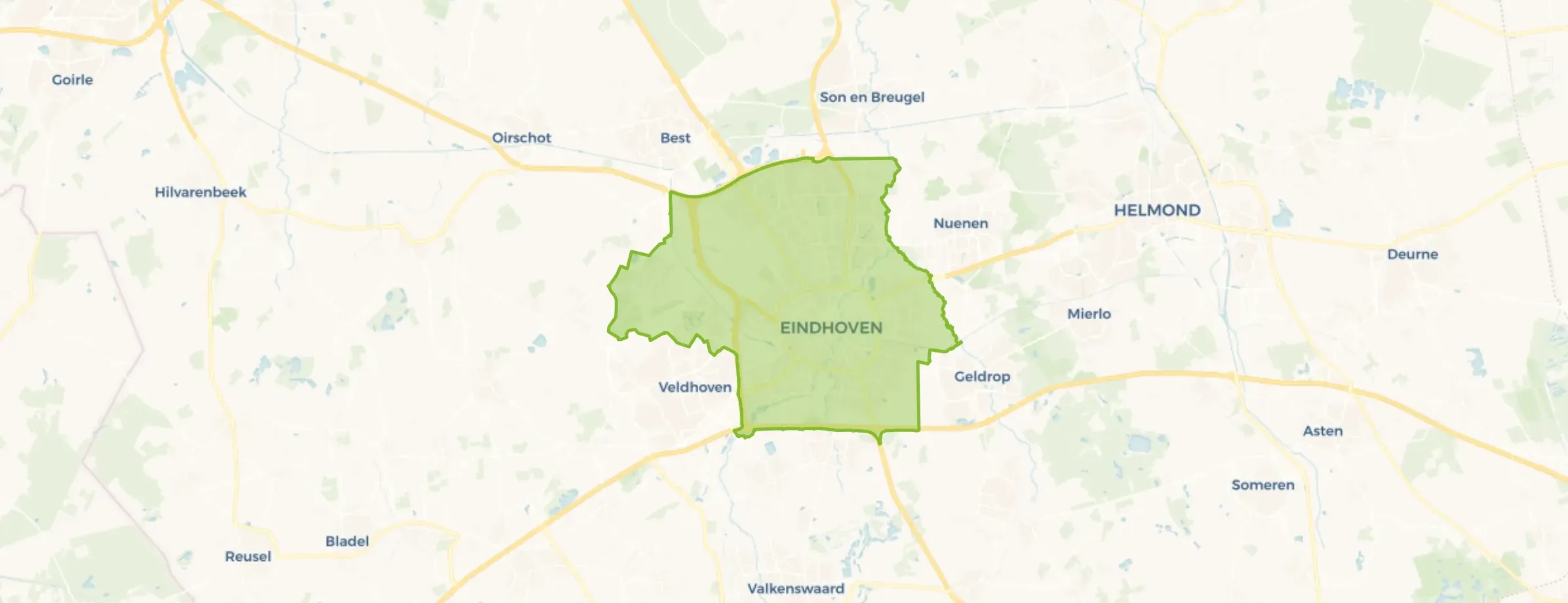
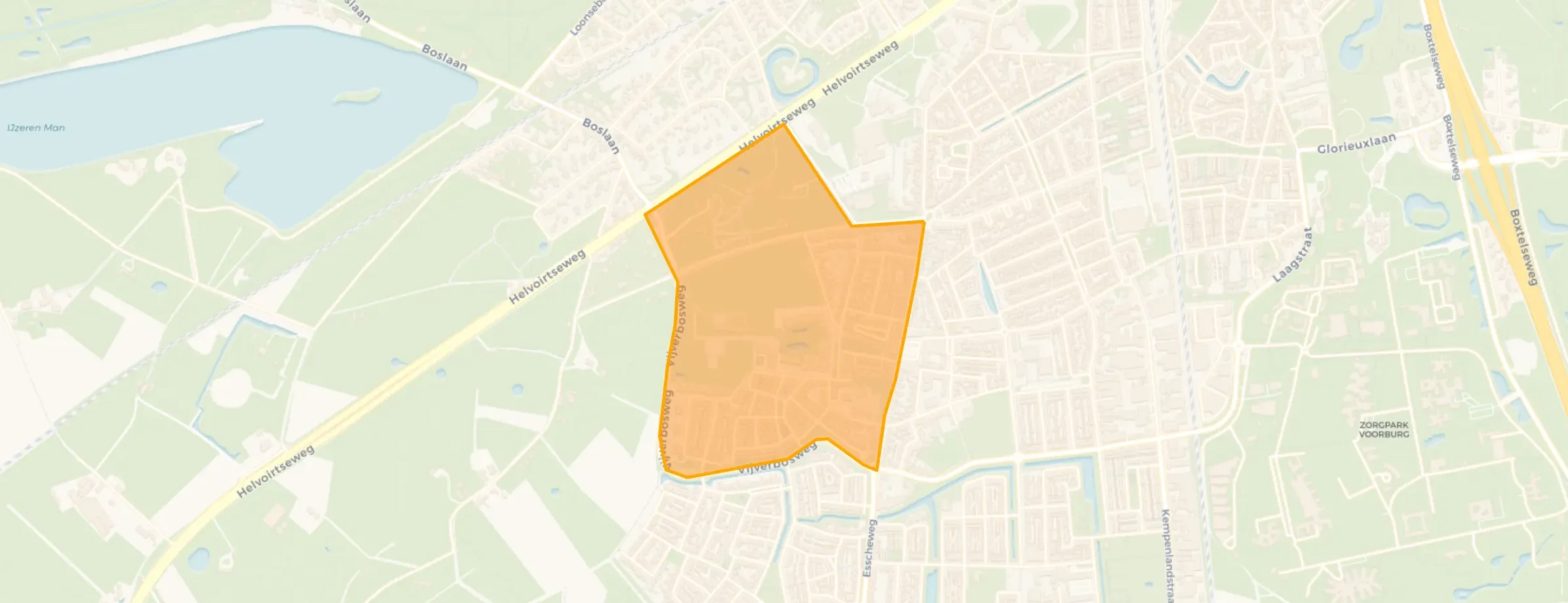
Vijverhof is located in the province of Noord-Brabant, in the municipality of Vught, in the district Vught-Zuid The neighbourhood has a total area of 52 hectares, of which 52 hectares are land and 0 hectares are water. The neighbourhood is coded as BU08650103. The postcode area is 5262BR-5263EE.
One resident rates the neighbourhood as good with a score of 7.0. The resident describes this neighbourhood as 'Fine'. Based on a limited number of reviews, no clear trends are visible yet in this neighbourhood.
Vijverhof has 1.820 residents. Of these, 47,8% are men and 52,2% are women. Most residents are 65 years or older (34,1%). The other age groups are 27,2% for '45 to 65 years', 16,8% for '25 to 45 years', 12,4% for '0 to 15 years' and 10,2% for '15 to 25 years'. Of the residents, 40,9% is unmarried, 39,3% is married, 8,5% is divorced and 11,5% is widowed. 1.460 residents originate from the Netherlands, 95 come from Europe and 260 come from countries outside Europe.
There are 890 households in Vijverhof. 43,8% of these are single-person households, 29,2% households without children and 27,0% households with children. The average household size is 2,0 persons. The national average is 2,1 persons.
In Vijverhof there are 1.500 income recipients. The average income per income recipient is €37.300, which is €4.900 (12%) lower than the national average of €42.200. Per resident, the average income is €32.100, which is €2.800 (8%) lower than the national average of €34.900. Most residents of Vijverhof are educated to an intermediate level. 39,5% have an intermediate education (HAVO, VWO or MBO 2-4), 33,1% have a university or higher professional education (HBO/WO) and 27,4% have a lower education (VMBO or MBO 1).
Of the 1.820 residents, around 70% are in paid employment, which amounts to 1.274 people. This is 2% lower than the national average of 72%. The majority of workers are in salaried employment (84%), while 16% are self-employed. In Vijverhof, 40% of residents receive a benefit. The largest group is those receiving a state pension (AOW). 590 people receive this benefit.
In Vijverhof there are 961 homes with an average assessed value (WOZ) of €411.000. Of these, around 96% are occupied and 4% unoccupied. Most homes are rental properties. This amounts to 56% rental homes and 44% owner-occupied homes. Of the homes, 44% privately owned, 31% owned by housing associations and 25% owned by other landlords. The most common construction periods in Vijverhof are 1980-1990 (33%) and 2000-2010 (28%).
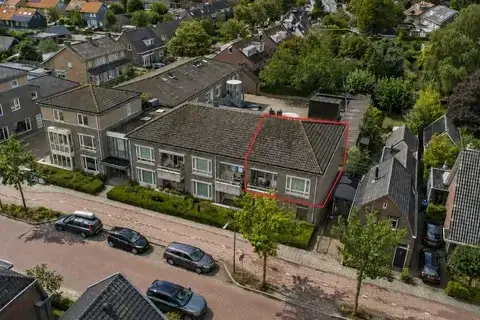
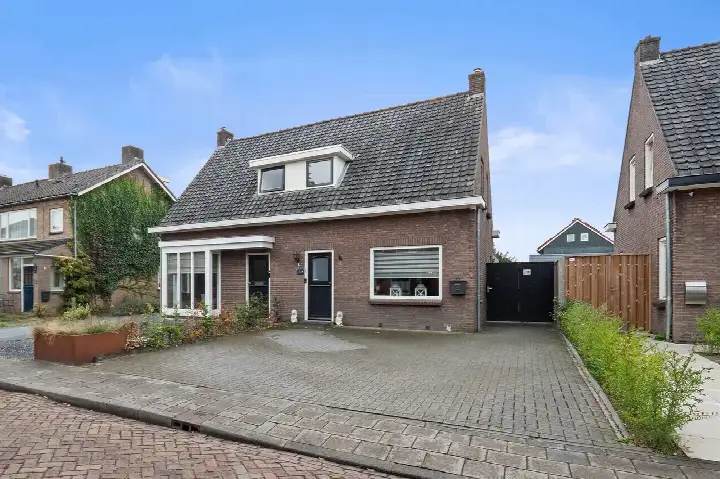
There is currently 1 homes for sale in Vijverhof. The most recently listed home is Esscheweg 10H by AMB Makelaars Vught I Qualis op Funda. Over the past year, 5 homes were sold in Vijverhof. On average, a home was sold within 77 days.
The average asking price for a home for sale in Vijverhof over the past year was €784.200. This is 91% higher than the average assessed value (WOZ) of €411.000. The average asking price per m² of plot is €7.469.
There are currently no homes for rent in Vijverhof. The most recent home is Merpatistraat 25, offered by www.thuispoort.nl. No homes were let in Vijverhof over the past year.
No recent rental data available for Vijverhof.
In Vijverhof there are 647 addresses with a registered energy label. The most common labels are A (40%), B (27%) and C (17%). On average, an address in Vijverhof uses 2.250 kWh of electricity per year. This is 12% below the national average of 2.550 kWh. With an annual consumption of 700 m³ per address, natural gas consumption is 13% below the national average of 800 m³.
Fine, mixed backgrounds, accessible, not a lot of green.
Auto-translated to English by AIThe housing stock is mainly post-war — 52% was built between 1945 and 1990.
Over the past year a home for sale in Vijverhof was listed for an average of €605,276 (€4,989 per m²). That is 15% above the Dutch national average.
Buurt Vijverhof has 1,820 residents. The largest age group is 65+ years (34%).
The housing supply in Vijverhof is remarkably efficient: 67% has an A, A+ or B label. The average natural gas consumption per household is 700 m³ per year.
From Vijverhof you can on average reach a supermarket at 0.6 km, a GP at 0.6 km, a railway station at 1.9 km, a primary school at 0.6 km (as the crow flies, source: CBS).