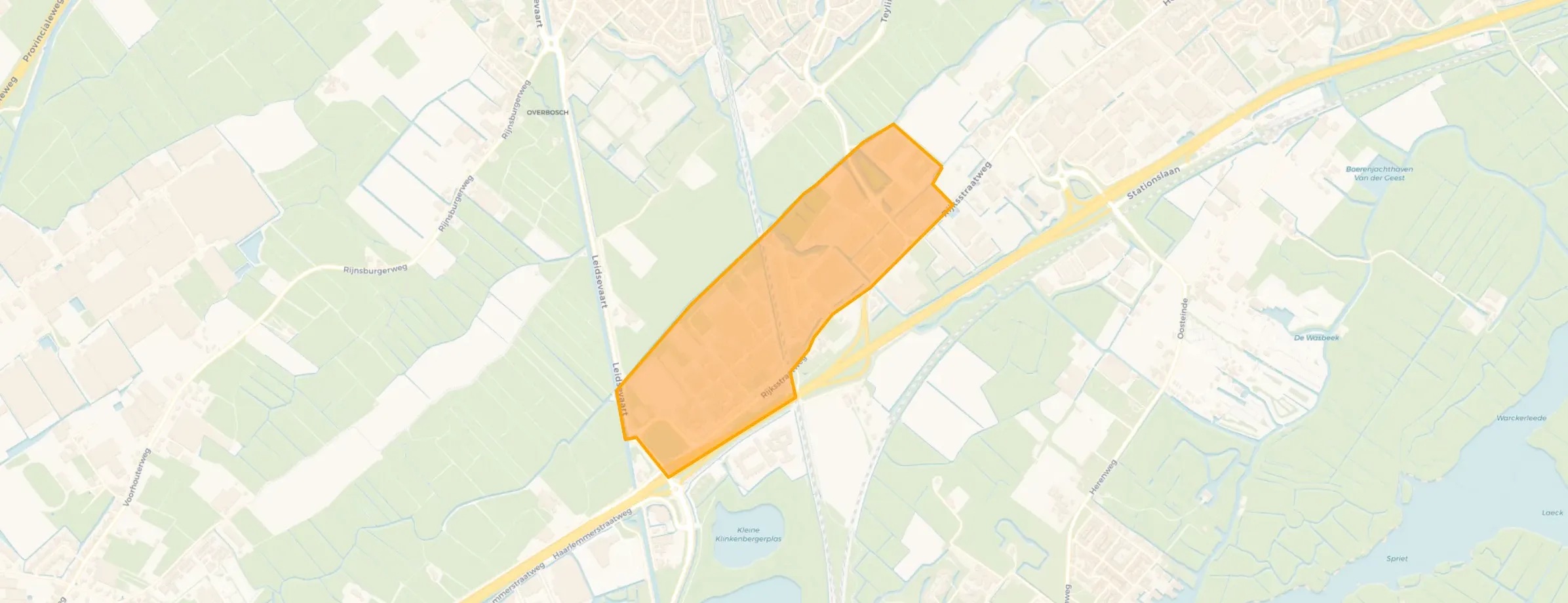
Neighbourhood in Teylingen
Wetenschapsbuurt is located in the province of Zuid-Holland, in the municipality of Teylingen, in the district Sassenheim Zuid The neighbourhood has a total area of 60 hectares, of which 59 hectares are land and 1 hectares are water. The neighbourhood is coded as BU15251302. The postcode area is 2171AJ-2171TZ.
Wetenschapsbuurt has 30 residents. Of these, 50,0% are men and 50,0% are women. Most residents are 45 to 65 years (50,0%). The other age groups are 16,7% for '0 to 15 years', 16,7% for '15 to 25 years' and 16,7% for '25 to 45 years'. Of the residents, 66,7% is unmarried, 33,3% is married and 16,7% is divorced. 15 residents originate from the Netherlands and 15 come from Europe.
There are 20 households in Wetenschapsbuurt. 100,0% of these are single-person households, 0,0% households without children and 0,0% households with children. The average household size is 1,3 persons. The national average is 2,1 persons.
In Wetenschapsbuurt there are 7 homes. The most common construction periods in Wetenschapsbuurt are 2000-2010 (29%) and 1990-2000 (22%).
There are currently no homes for sale in Wetenschapsbuurt. No homes were sold in Wetenschapsbuurt over the past year.
There are currently no homes for rent in Wetenschapsbuurt. No homes were let in Wetenschapsbuurt over the past year.
No recent rental data available for Wetenschapsbuurt.
In Wetenschapsbuurt there are 60 addresses with a registered energy label. The most common labels are A (47%), A++ (18%) and A+ (10%).
The housing stock is mainly post-war — 50% was built between 1945 and 1990. In addition, the most common type is flats (48%).
Over the past year a home for sale in Wetenschapsbuurt was listed for an average of €745,387 (€5,438 per m²). That is 42% above the Dutch national average.
A rental home in Wetenschapsbuurt cost an average of €1,844 per month (€17 per m²). That is 15% below the national average.
The housing supply in Wetenschapsbuurt is remarkably efficient: 61% has an A, A+ or B label.
From Wetenschapsbuurt you can on average reach a supermarket at 2.2 km, a GP at 2.2 km, a railway station at 2.5 km, a primary school at 2.0 km (as the crow flies, source: CBS).