




Berkelstraat 6A
Rivierenbuurt, Groningen
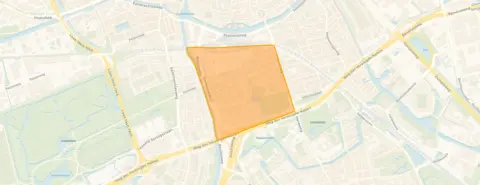 Area
AreaA 1938 apartment on Berkelstraat
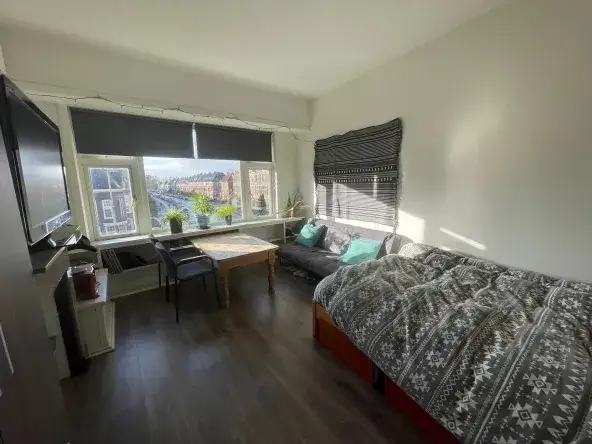
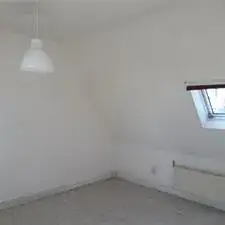
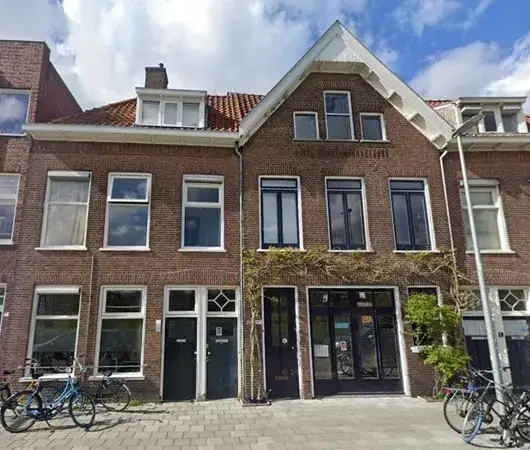
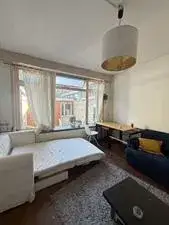
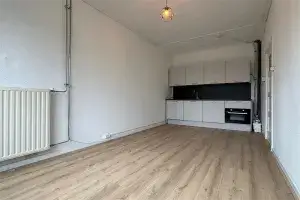
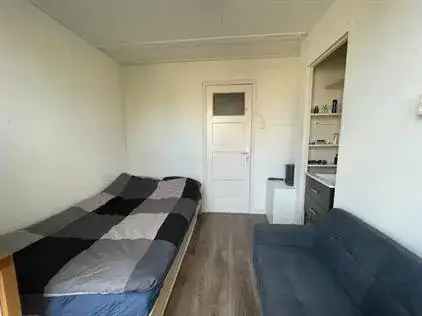
This apartment on Berkelstraat 6A sits in the Rivierenbuurt, a part of Groningen's Oud-Zuid district. The building dates from 1938 and the home covers 100 square metres. The energy label is G, the least efficient label, so heating costs are something to budget for. At €594 per month, the rent is in line with what you would expect for a flat of this size in this part of town. For context, you can compare it with other apartments in Groningen.
The Rivierenbuurt
The Rivierenbuurt neighbourhood is a mixed area, with a strong presence of students and young adults. Around 73% of households are single-person, and the average household size is 1.4. Residents have shared their views, and they are mixed. One resident, commenting on the surroundings, says: "The neighbourhood isn't really green. There are many houses close together, despite that it is a relatively accessible neighbourhood." Another, writing about houses near the central station, is less positive: "Many drug users, many dogs pooping on the street, a lot of noise." A third resident, however, calls it a top location: "It's close and just far enough from the centre that you're in a quiet, cosy neighbourhood, but you can easily find the bustling centre within 5 minutes. This will only get better when the new station is finished." These are based on six reviews in total.
Life on the street
For daily errands, the PLUS supermarket is just around the corner, with an Aldi a couple of streets away and an AH to go a five-minute walk off. There are also several schools nearby: De Vrije School Groningen Onderbouw is on your doorstep, and Parcival College is just around the corner. The train station is about a ten-minute walk away. The area is well served by the municipality of Groningen for amenities and transport links.
Source
At the time of writing, this home is listed only via Nova Vastgoed.
This summary was generated with AI and may contain errors. Always verify the details with the provider.
Features
Details of this home
Transfer
Price


Construction
The WOZ value is set annually by the municipality with 1 January as its reference date, and therefore lags the market by about a year. It is an estimated market value, not a sale price.
Frequently asked questions
About Berkelstraat 6A, Groningen
Is €594 per month a fair rent for this apartment?
The rent is €594 per month for a 100 m² apartment from 1938. With an energy label G, the running costs could be significant, so the total monthly outlay will be higher than the rent alone. Compared with other apartments in Groningen, the rent itself appears in line with the market.
What does the energy label G mean for this home?
Energy label G is the lowest label on the official scale. It is an official registration, and it means the home is not energy-efficient. You should expect higher heating costs compared with a home with a better label. The label does not say anything about the condition of the building itself.
What is the neighbourhood like to live in?
The Rivierenbuurt is a lively, densely built area with many single-person households and a young population. Resident reviews are mixed: some appreciate the proximity to the centre and the quiet streets, while others mention noise and issues with drug use and dog mess. It is a neighbourhood with a strong urban character.
How close are the shops and schools?
The PLUS supermarket is about 166 metres away, and an Aldi is roughly 371 metres. An AH to go is about 429 metres away. For schools, De Vrije School Groningen Onderbouw is about 112 metres away, and Parcival College is about 165 metres. The train station is about 1.1 kilometres away.
Is this a quiet area?
It depends on the street and the time of day. One resident describes the neighbourhood as quiet and cosy, while another mentions a lot of noise. The area is close to the centre, so it can be busy. The new station is expected to improve the area further, according to one review.
What kind of people live in the Rivierenbuurt?
The neighbourhood has a high proportion of single-person households, at around 73%. The age profile is young, with 38% of residents between 25 and 45, and 30% between 15 and 25. Only 7% of households have children. It is a typical urban neighbourhood with a transient population.