




Lindengracht 8D
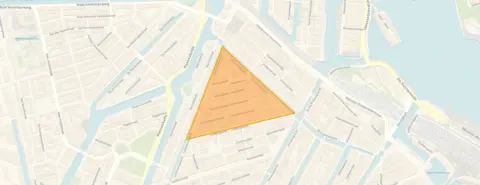
Driehoekbuurt, Amsterdam
 Area
AreaA bright apartment in the heart of the Jordaan
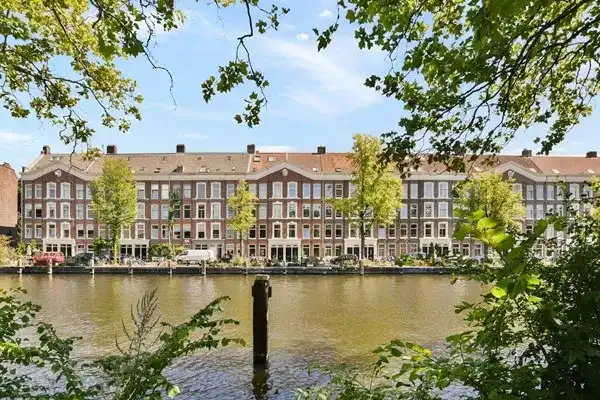
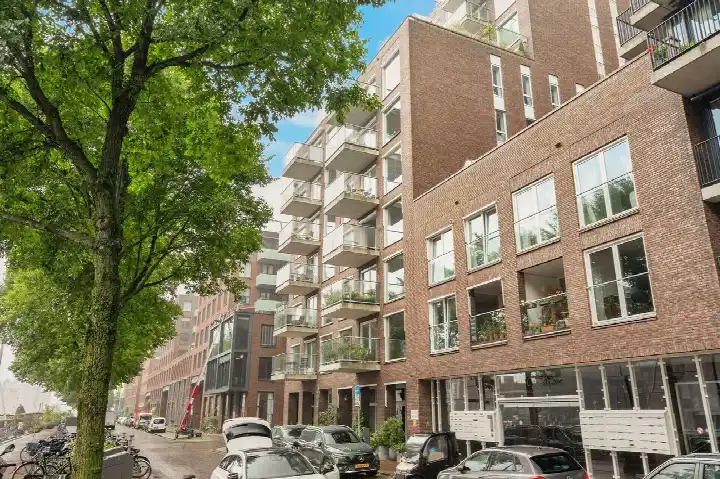
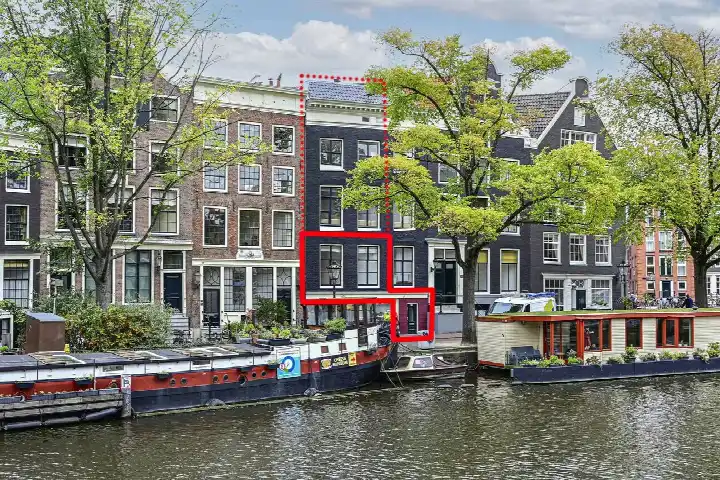
This apartment on Lindengracht 8D sits in the Driehoekbuurt, part of the lively Jordaan district in Amsterdam. The area is known for its mix of old and new, with a real sense of community. At €1,175,000, the asking price is 41% above the average asking price of €831,750 for homes in the neighbourhood, which puts it on the high side. For context, the average price per m² in the neighbourhood is €10,830, and this home is listed at €9,325 per m² based on the agent's floor area. If you're looking at apartments in Amsterdam, this one stands out for its size and location.
Inside the home
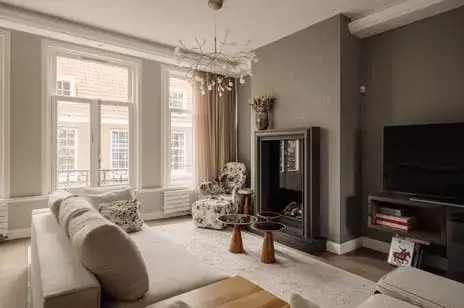
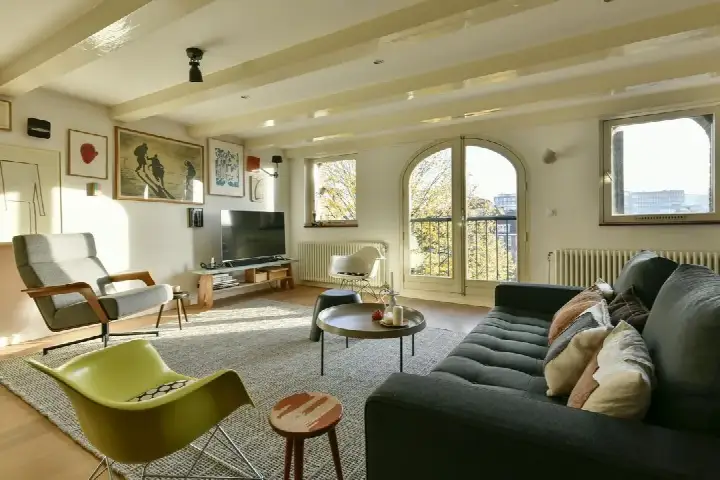
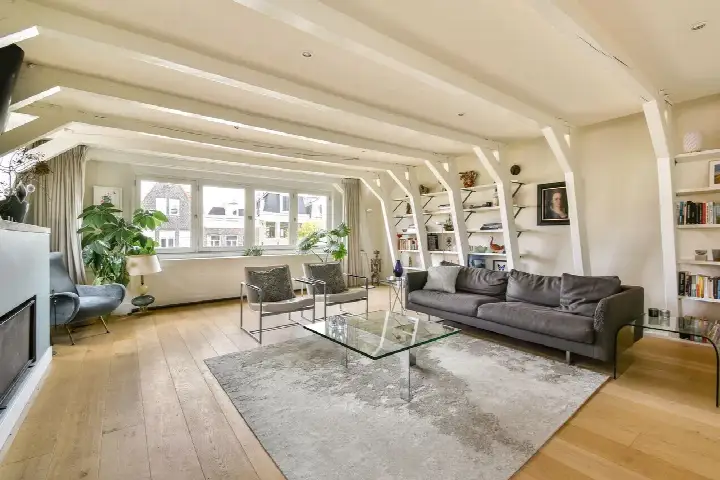
Built in 1991, this apartment has four rooms, including three bedrooms. The agent lists the living area at 126 m², while the BAG registration records 120 m². The energy label is B, which means it's an efficient label, so you can expect moderate energy costs. The home is offered via multiple channels, including Damstede Makelaardij.
Life in the Driehoekbuurt
Residents of the district give their living environment an average score of 8.82 out of 10, based on six reviews. One resident says: "There's only one Jordaan! I was born and raised in this neighbourhood. I wouldn't want to swap this neighbourhood for any other district in Amsterdam. The shops and markets are within walking distance of my home. And people give each other a helping hand when needed. The social contacts are great." Another adds: "In this neighbourhood you will find a mixed population. Old and young, rich and less rich. But still we make sure among ourselves that the neighbourhood remains safe and that you can call on someone if necessary." The neighbourhood has 2,730 inhabitants, and many households are single-person (67%). It's a very urban area, with a high address density. For more on the area, see the Driehoekbuurt neighbourhood.
Amenities and transport
Daily life is convenient here. The Albert Heijn on the corner is just around the corner, and a Jumbo is a couple of streets away. For primary education, de Burght is a ten-minute walk, and Vinse School for secondary education is just around the corner. The nearest GP, Huisartsenpraktijk A'dam Doctors, is about a ten-minute walk, and the pharmacy Service Apotheek Mouw & Kruysse is just around the corner. For public transport, bus stop Buiten Oranjestraat is just around the corner with lines 18, 21, 22, N81, N82, N83, N84, and N88. Amsterdam Centraal station is a ten-minute walk. This is all within the municipality of Amsterdam.
WOZ and address data
No WOZ value is available for this property. According to public address data, the noise level from road traffic is 52 dB Lden, which is above the standard, while rail and air traffic noise are below the standard. The foundation risk indication is low, though 73% of buildings in this postcode area were built before 1970. For climate, pluvial flooding at heavy rain is elevated, while flood risk is low now and in 2050. Heat stress is medium now and elevated by 2050. These are area-level indications, not an inspection of this specific home.
Source and agent
At the time of writing, the home is offered via multiple channels, including Damstede Makelaardij.
This summary was generated with AI and may contain errors. Always verify the details with the provider.
Features
Details of this home
Transfer
Price

Areas and volume
 Insure your home and belongingsGet insured
Layout
Construction
Outdoor space
Frequently asked questions
About Lindengracht 8D, Amsterdam
How does the asking price compare to other homes in the neighbourhood?
The asking price of €1,175,000 is 41% above the average asking price of €831,750 for homes in the Driehoekbuurt. The average price per m² in the neighbourhood is €10,830, while this home is listed at €9,325 per m² based on the agent's floor area. The average living area in the neighbourhood is 72 m², so this apartment is significantly larger.
What is the layout of this apartment?
According to the agent, this apartment has four rooms, including three bedrooms. The living area is listed at 126 m², while the BAG registration records 120 m². The home was built in 1991 and has an energy label B.
Is there a WOZ value available for this property?
No WOZ value is stated for this property.
What are the noise levels like at this address?
Public data indicates that road traffic noise is 52 dB Lden, which is above the standard. Rail traffic noise is 45 dB Lden, and aircraft noise is 46 dB Lden, both below the standard. These are area-level indications, not measurements at the property itself.
What is the foundation risk for this area?
The foundation risk indication for this postcode area is low. However, 73% of buildings in this postcode area were built before 1970. This is an area-level indication, not an inspection of this specific home.
What are the climate risks for this location?
According to public climate data, pluvial flooding at heavy rain is elevated, while flood risk is low now and in 2050. Heat stress is medium now and elevated by 2050. These are area-level indications.
Which supermarkets are nearby?
The nearest supermarket is an Albert Heijn at 198 metres, followed by a Jumbo at 278 metres. Another Albert Heijn is at 363 metres, and an Ekoplaza at 391 metres. There are 154 supermarkets within 5 km.
Which schools are close to this apartment?
Vinse School, a secondary school, is 206 metres away. De Burght, a primary school, is 405 metres away. Theo Thijssenschool Amsterdam is 579 metres away, and Montessori Basisschool de Eilanden is 730 metres away.
What public transport options are available?
The nearest bus stop is Buiten Oranjestraat at 287 metres, with lines 18, 21, 22, N81, N82, N83, N84, and N88. A tram stop, Nieuwe Willemsstraat, is at 412 metres with lines 13, 18, and 21. Amsterdam Centraal station is 963 metres away.
What do residents say about living in this district?
Residents of the district give an average score of 8.82 out of 10, based on six reviews. One resident says: "There's only one Jordaan! I was born and raised in this neighbourhood. I wouldn't want to swap this neighbourhood for any other district in Amsterdam." Another says: "In this neighbourhood you will find a mixed population. Old and young, rich and less rich. But still we make sure among ourselves that the neighbourhood remains safe."