Driehoekbuurt, Amsterdam
 Neighbourhood
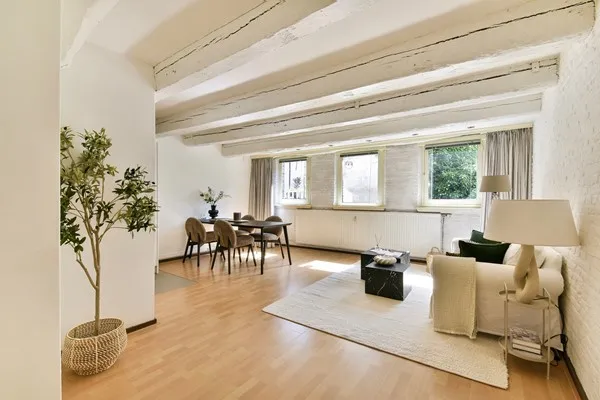
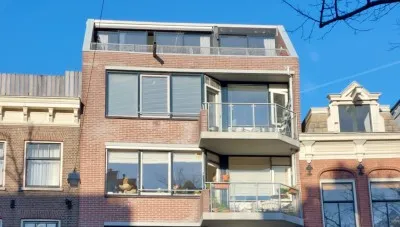
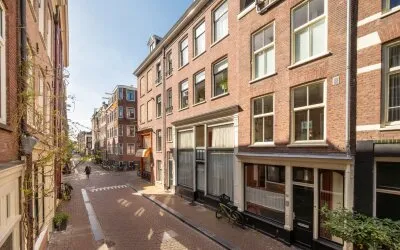
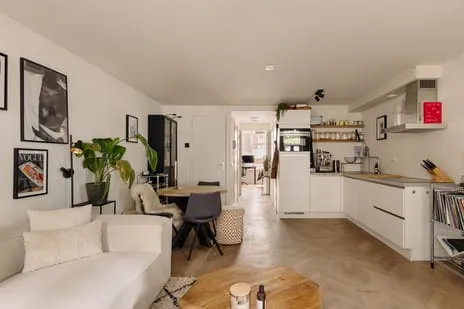
This apartment on Palmstraat sits in one of Amsterdam's most beloved neighbourhoods. At 52 m², it's compact but full of character, with a C energy label and a price of €500,000. That's 40% below the neighbourhood's average asking price of €833,897, making it a keen entry point for the area. For context, apartments in Amsterdam vary widely, but this one is priced to move.
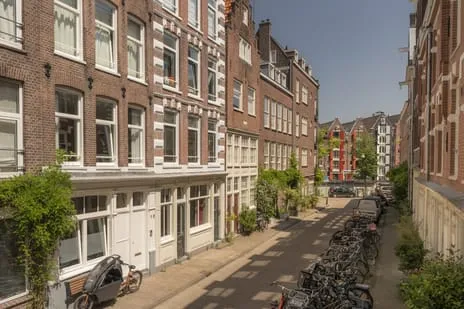
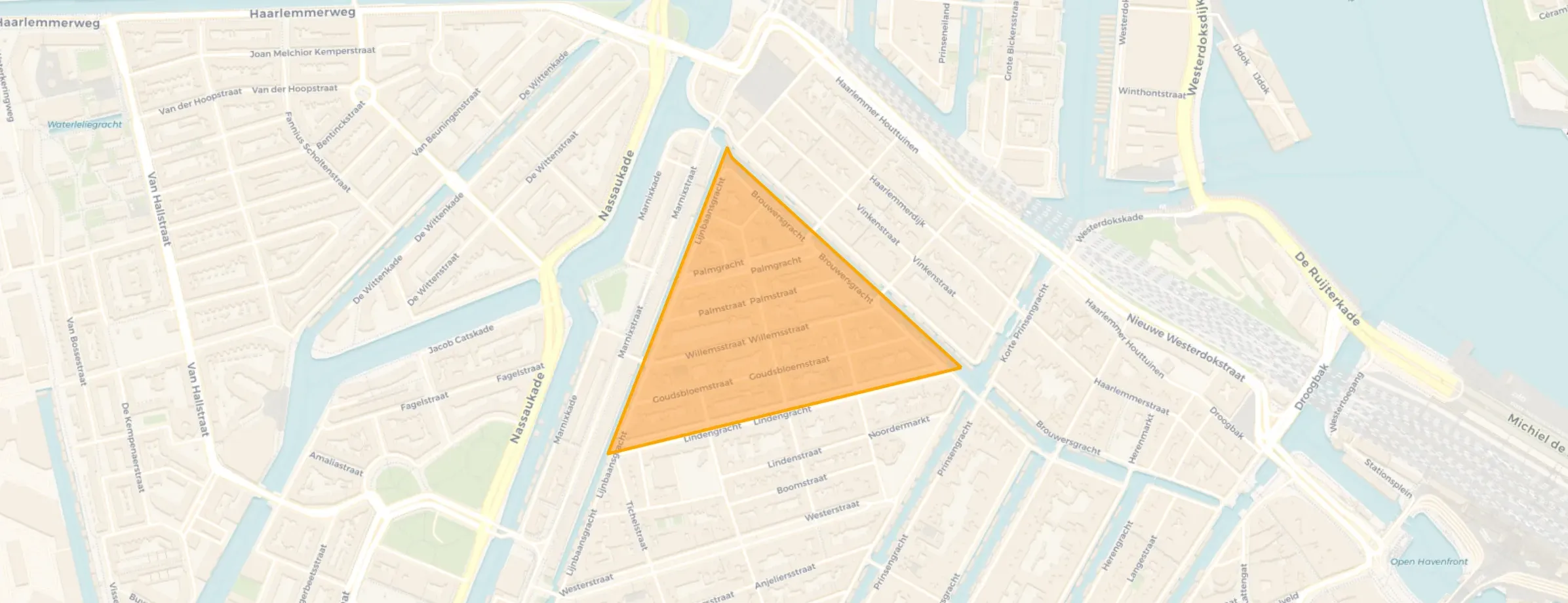
Driehoekbuurt is a lively pocket of the Jordaan, with a very high address density of 10,768 addresses per km². It's a place of singles and small households, the average household size is just 1.4. The streets are filled with restaurants (0.1 km away) and daily life buzzes around the corner. There are no resident reviews available, but the area is known for its mix of historic buildings and modern city living. The Driehoekbuurt neighbourhood is a true Amsterdam experience.
Your morning starts with a short walk to Ekoplaza (just around the corner) or Albert Heijn (a couple of streets away). For school runs, Vinse School (secondary) is a five-minute walk, and Theo Thijssenschool (primary) is about a ten-minute walk. The neighbourhood is well served by public transport, with the train station 1.8 km away. All this sits within the municipality of Amsterdam, where urban life is at your doorstep.
At the time of writing, the home is listed through several channels, including Dames van Vermeer B.V.
Details of this home

Palmstraat 24-1, Amsterdam
Data from Driehoekbuurt
Data from Driehoekbuurt
153 within 5 km



211 within 5 km
About Palmstraat 24-1, Amsterdam
At €500,000, this apartment is priced 40% below the Driehoekbuurt average asking price of €833,897. However, it's also 27% smaller than the neighbourhood average of 71 m². The price per m² works out to about €9,615, which is below the neighbourhood average of €11,210 per m². So it's a relatively keen price for the area, especially given the central location.
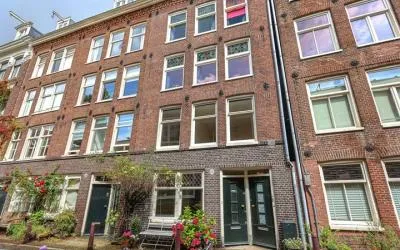
The energy label is C. That's a decent rating for a home built in 1897, in the neighbourhood, 18.2% of homes have label C, while 36.4% have label A. A C label means the home is reasonably efficient, but you can expect moderate energy costs. It's not the most efficient, but it's far from the worst.
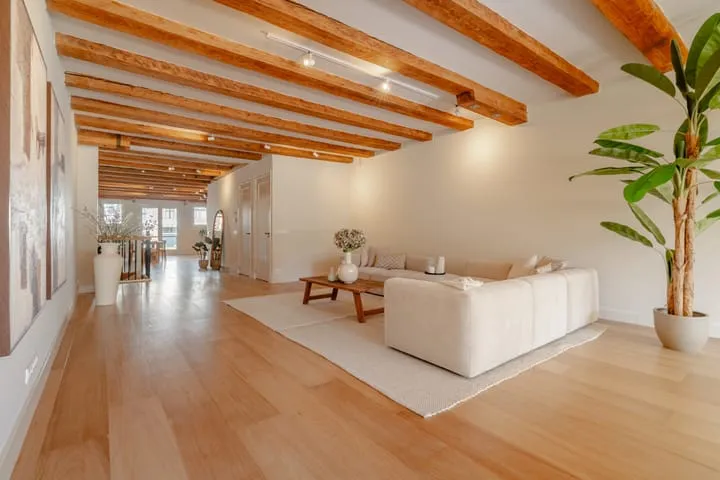
The floor area is 52 m². That's 27% smaller than the Driehoekbuurt average of 71 m². It's a compact one-bedroom or studio-style apartment, typical of historic Jordaan buildings.
Driehoekbuurt is a dense, urban neighbourhood in the Jordaan with a very high address density. It's popular with singles and couples, 47% of households are single-person. There are plenty of restaurants and shops within walking distance. The area has a mix of old and new, with 57.1% of homes built before 1945. It's a lively, central spot.
The nearest train station is 1.8 km away, which is about a 20-minute walk or a short bike ride. That's a reasonable distance for a central Amsterdam neighbourhood, you're not right on top of the station, but it's easily reachable.
There are several schools within walking distance. Vinse School (secondary) is 377 m away, Theo Thijssenschool (primary) is 587 m, and de Burght (primary) is 606 m. So for families, primary and secondary options are a five to ten-minute walk.
You have several supermarkets just around the corner. Ekoplaza is 246 m away, Albert Heijn is 299 m, and Jumbo is 314 m. So daily groceries are very convenient, you can walk to any of them in a few minutes.
Currently, there are 29 homes for sale in Driehoekbuurt. The average asking price is €833,897, and the median is €595,000. So this apartment at €500,000 is below both averages, which is notable. In the past year, 126 homes were sold, with an average sold price of €575,985 and an average time on market of 32 days.
6 homes in the neighbourhood Driehoekbuurt

Buurtje.nl uses cookies to make the site work and to improve it. In doing so, we process data such as your IP address and the pages you visit.
We use this data for three purposes: running the website (functional), measuring visits so we can improve Buurtje.nl (analytics), and — if you allow it — tailoring ads to your interests (marketing).
How we handle your data is described in our privacy policy. You can change your preferences at any time via 'Cookie preferences' at the bottom of every page.
Choose per category which cookies we may place. Read more in our privacy policy.