Under offer
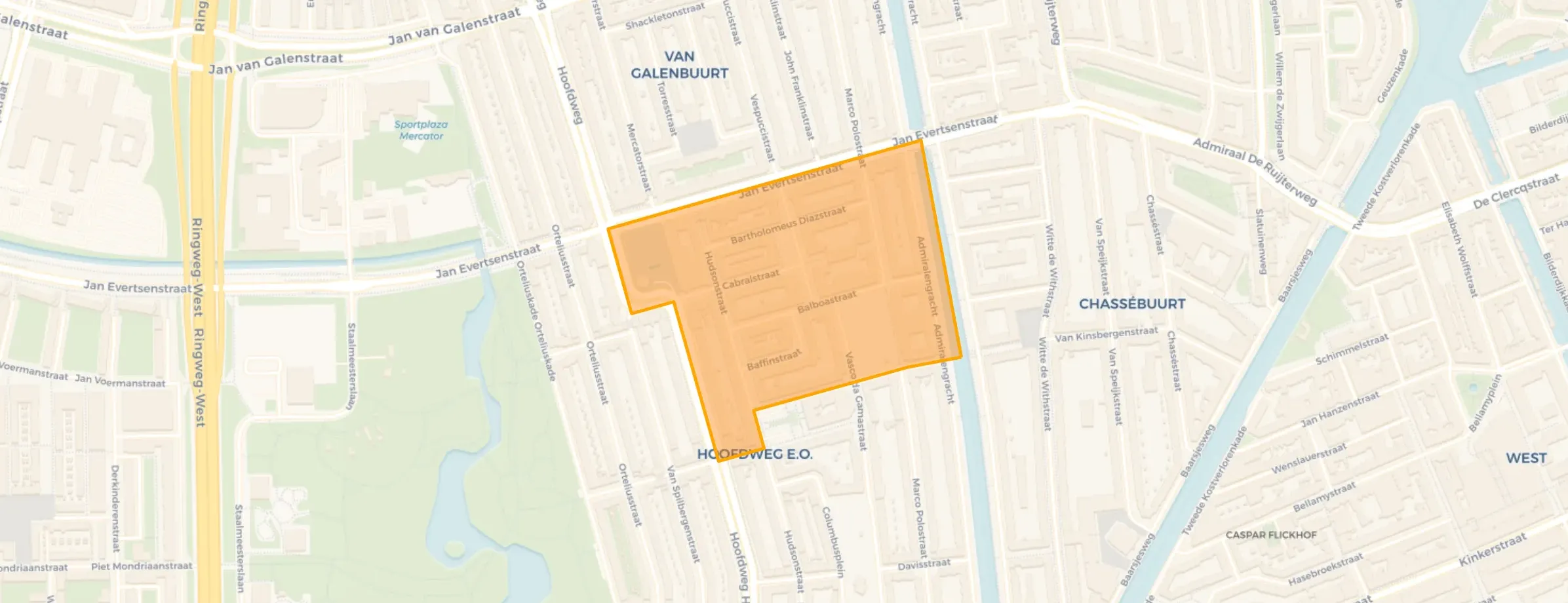
Balboaplein en omgeving, Amsterdam
 Neighbourhood
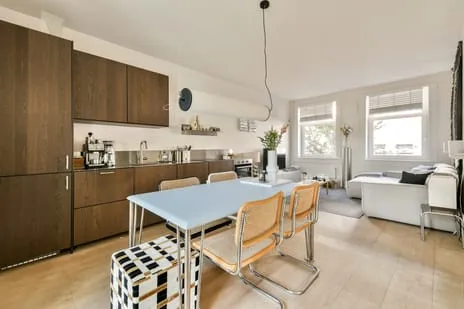
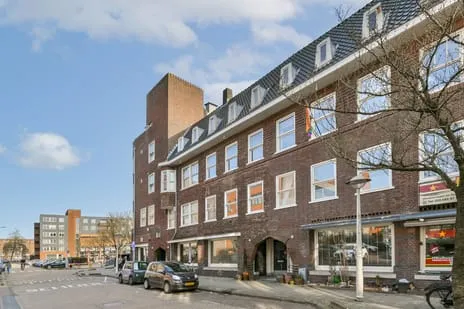
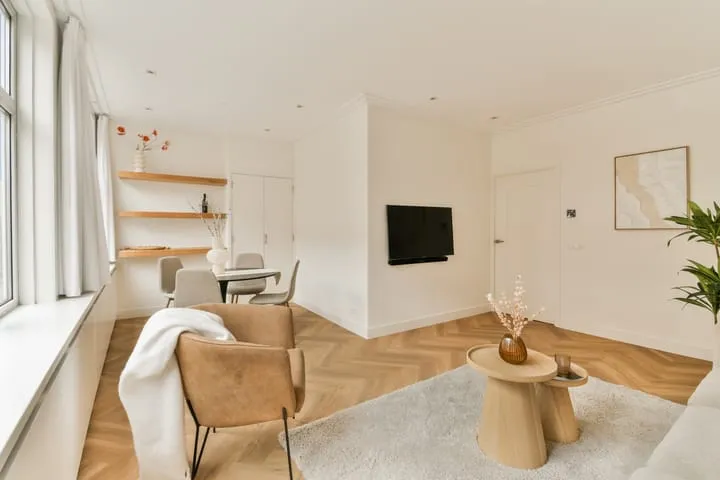
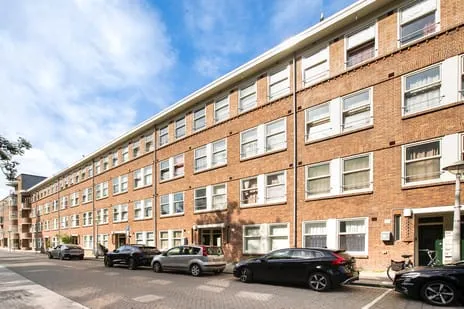
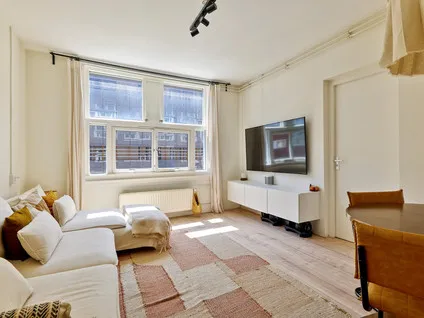
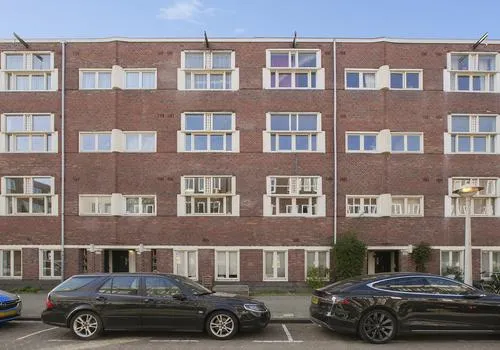
This 1925 apartment on Marco Polostraat sits in a lively pocket of Amsterdam where the streets hum with a mix of students, workers and long-term residents. At 50 m² it's a compact city home, and with an asking price of €425,000 it's priced keenly compared to the neighbourhood average of €471,077. For context, apartments in Amsterdam vary widely, but this one lands below the median.
Two residents describe the neighbourhood Balboaplein e.o. as "reasonably cosy" and "lively". One says: "There are many shops in the neighbourhood, where you can get almost everything. It is reasonably clean and tidy, and traffic is fairly quiet." Another adds: "One of the biggest advantages of this neighbourhood is that everything is within reach. There are many shops, supermarkets and other amenities in the immediate vicinity." The area is densely built with almost no single-family homes, and most households are singles or couples without children.
Daily errands are easy: an Albert Heijn is just around the corner, a Dirk a couple of streets away, and an Aldi a five-minute walk. For school runs, the Joop en Willy Westerweel primary school is on your doorstep, the Islamitische basisschool Al Maes is just around the corner, and the 10e Montessorischool De Meidoorn is a couple of streets away. The municipality Amsterdam offers all the cultural and transport links you'd expect from the capital.
At the time of writing the home is listed via FEM Makelaars and also appears on Funda, so it's available through several channels.
Details of this home

Marco Polostraat 181-1, Amsterdam
Good · 2 residents
There are many shops in the neighbourhood, where you can get almost everything. It is reasonably clean and tidy, and traffic is fairly quiet. There isn't much greenery in the area, which I personally find a shame. There is little to no noise pollution, and I always feel safe, even in the evenings. The neighbourhood is easily accessible, though now with the Oranje Loper project it's a bit less so due to the cancellation of tram 13.
Auto-translated to English by AIThe neighbourhood in Amsterdam is a diverse area with a mix of residents, ranging from students and working people to those renting through social housing. This creates a pleasant atmosphere and an interesting dynamic in the neighbourhood. One of the biggest advantages of this neighbourhood is that everything is within reach. There are many shops, supermarkets and other amenities in the immediate vicinity. Whether you're looking for groceries, clothing stores, restaurants or cosy cafés, everything is within walking distance. Because it is a lively neighbourhood, police are often present. Although some people may be concerned about this, it may also be related to the bustle of the area. The presence of police does not necessarily indicate an unsafe neighbourhood, but is rather a measure to maintain order. Another major advantage of this neighbourhood is accessibility. With public transport you can be in the centre of Amsterdam within a short time. There are various tram and bus lines that take you anywhere quickly. In addition, the neighbourhood is also easily accessible by bike. The speed limit will soon be adjusted to 30 km/h, making cycling safer as well. Although the neighbourhood has a lot to offer, it may be less suitable for families with young children due to the hustle and bustle. The streets can be quite crowded with traffic and pedestrians, meaning children may not be able to go outside alone safely. There are playgrounds and parks in the area where children can play and have fun.
Auto-translated to English by AIData from Balboaplein en omgeving
Data from Balboaplein en omgeving
144 within 5 km



187 within 5 km
About Marco Polostraat 181-1, Amsterdam
The asking price of €425,000 is below the neighbourhood average of €471,077 and the median of €450,000. With 13 apartments currently for sale in the area, it's one of the more affordable options. The 50 m² floor area works out at €8,500 per m², slightly above the neighbourhood average of €8,528 per m², so the price is in line with the market.
The apartment has energy label D. In the neighbourhood, 25% of homes have label A and 33.3% label B, so this home is less efficient than much of the current stock. Label D means you can expect moderate heating costs, but it's not the worst, 16.7% of homes in the area have label D or lower.
The nearest train station is 2.7 km away. That's about a ten-minute cycle or a short bus ride. The neighbourhood is well served by trams and buses, so you can reach Amsterdam Central within 20 minutes.
The neighbourhood has 3,005 residents, mostly singles (985 one-person households) and couples without children (485). Only 300 households have children. The average household size is 1.7. Residents describe the area as diverse, with a mix of students, working people and social housing tenants, creating a lively atmosphere.
One resident says: "I always feel safe, even in the evenings." Another notes that police are often present, which they see as a measure to maintain order rather than a sign of unsafety. The total number of recorded crimes in the area is 241, but without a per-capita figure it's hard to compare.
There are several primary schools within walking distance: Joop en Willy Westerweel (72 m), Islamitische basisschool Al Maes (225 m), 10e Montessorischool De Meidoorn (373 m) and Rosa Boekdrukker (380 m). Secondary schools are 1.5 km away on average.
One resident says: "There isn't much greenery in the area, which I personally find a shame." The nearest park or public garden is 0.4 km away, a five-minute walk. So while there are some green spots, the area is predominantly urban.
6 homes in the neighbourhood Balboaplein en omgeving

Buurtje.nl uses cookies to make the site work and to improve it. In doing so, we process data such as your IP address and the pages you visit.
We use this data for three purposes: running the website (functional), measuring visits so we can improve Buurtje.nl (analytics), and — if you allow it — tailoring ads to your interests (marketing).
How we handle your data is described in our privacy policy. You can change your preferences at any time via 'Cookie preferences' at the bottom of every page.
Choose per category which cookies we may place. Read more in our privacy policy.