




Sumatraplantsoen 5B
Sumatraplantsoenbuurt, Amsterdam
 Area
AreaA bright and efficient apartment in Amsterdam's Indische Buurt
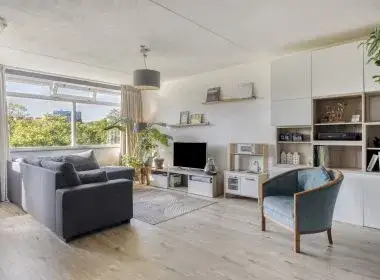
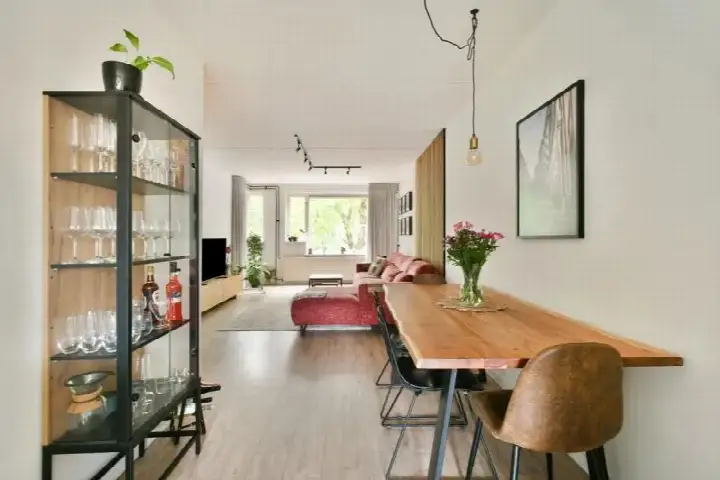
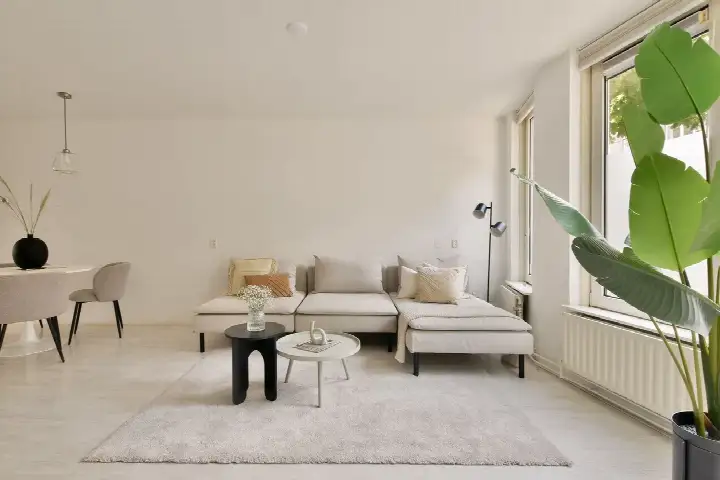
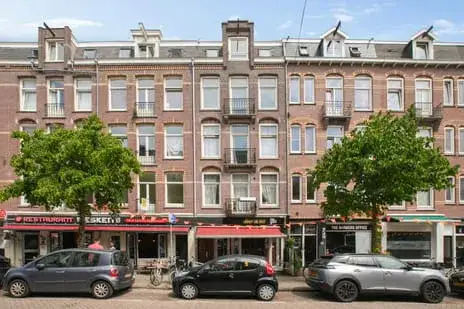
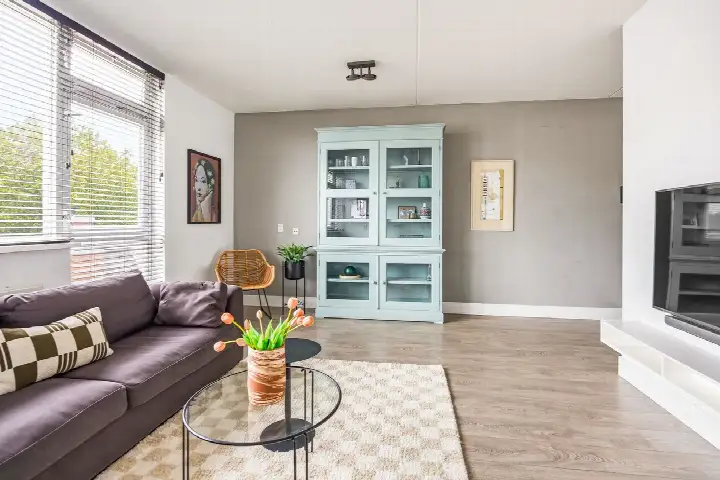
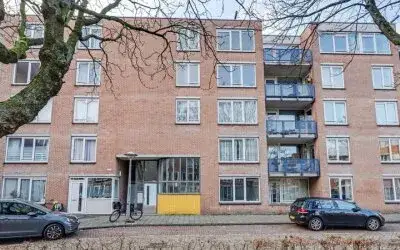
This apartment on Sumatraplantsoen sits in a lively part of Amsterdam, with a 1997 build and an A energy label keeping things efficient. At 80 m², it's a solid size for a couple or a small family. The asking price of €600,000 is on the high side compared to the neighbourhood average of €553,846, but the modern build and top energy label justify a premium. For context, apartments in Amsterdam vary widely, and this one stands out for its efficiency.
The Sumatraplantsoenbuurt neighbourhood
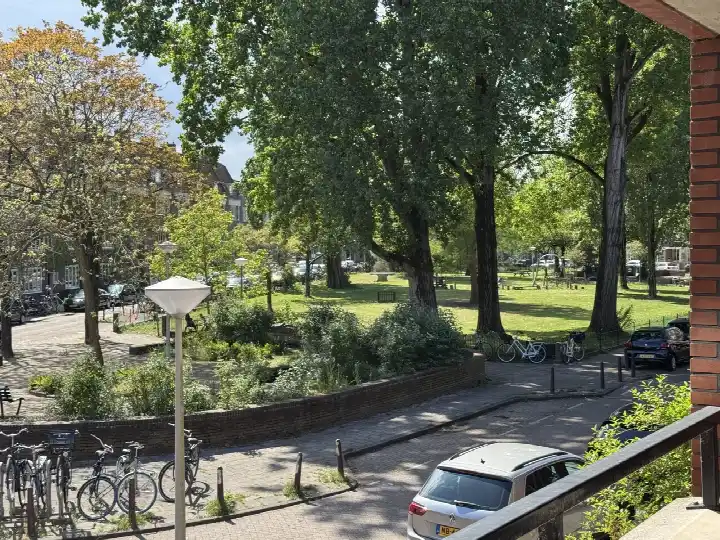
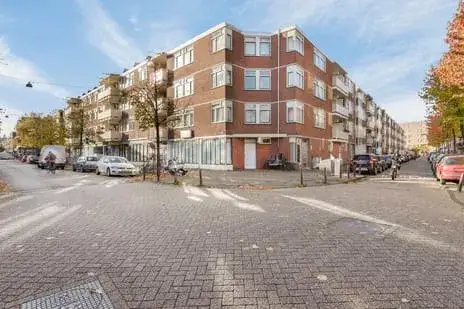
The Sumatraplantsoenbuurt is a dense, urban pocket with a mix of young professionals and families. With 3,760 residents and a high address density of 6,664 per km², it's a bustling area. There are no resident reviews available, but the figures show a young population: the largest age group is 25-45, and many households are singles or couples without children. The neighbourhood has a strong sense of community, with a park just a couple of streets away. For more on the area, see the Sumatraplantsoenbuurt neighbourhood.
Life on the street
Your daily routine here is easy: a Lidl is on your doorstep, and an Albert Heijn is just around the corner. For school runs, the Islamitische Basisschool Al Jawhara is a couple of streets away, and the Montessori Lyceum Oostpoort is a five-minute walk. The area is well served by public transport, with a train station a ten-minute walk away. The municipality of Amsterdam keeps the city running smoothly, and you can read more about the municipality of Amsterdam for broader context.
Source and availability
At the time of writing, the home is listed through several channels, including Boelen Makelaardij. The listing is available on multiple platforms, so you can compare details easily.
This summary was generated with AI and may contain errors. Always verify the details with the provider.
Features
Details of this home
Transfer
Price

Areas and volume
 Insure your home and belongingsGet insured
Layout
Construction
The WOZ value is set annually by the municipality with 1 January as its reference date, and therefore lags the market by about a year. It is an estimated market value, not a sale price.
Frequently asked questions
About Sumatraplantsoen 5B, Amsterdam
Is €600,000 a fair price for this apartment?
The asking price of €600,000 is above the neighbourhood average of €553,846 and the median of €485,000. However, this apartment is larger (80 m²) than the average sold home (69 m²) and has a modern build (1997) with an A energy label, which commands a premium. The price per m² works out to €7,500, which is below the neighbourhood average of €8,294 per m², so it's not out of line for what you get.
What is the neighbourhood like?
The Sumatraplantsoenbuurt is a very urban area with a high density of 6,664 addresses per km². It's popular with young adults aged 25-45, and many households are singles or couples without children. There's a park just around the corner, and the area has a lively, diverse feel. The crime rate is moderate, with 201 total offences recorded, which is typical for a central Amsterdam neighbourhood.
How energy efficient is this home?
The home has an A energy label, which is very efficient. In the neighbourhood, 40% of homes have label A and 6.7% have A+, so this apartment is among the better-performing ones. You can expect low heating costs and a comfortable indoor climate. The 1997 build also means modern insulation standards.
What schools are nearby?
There are several schools within walking distance. The Islamitische Basisschool Al Jawhara is just 53 metres away, and the Vrije School Thula is 244 metres away. For secondary education, the Montessori Lyceum Oostpoort and LUCA Praktijkschool are both about 278 metres away. The area has a total of 165 schools within 5 km, so plenty of choice.
How far is the nearest supermarket?
A Lidl is just 101 metres away, so you can do your daily shopping on your doorstep. An Albert Heijn is 218 metres away, and another Albert Heijn is 472 metres. For a wider selection, there are 120 supermarkets within 5 km.
What is the public transport like?
The nearest train station is 1.2 km away, about a ten-minute walk. The area is well connected, and with the high urban density, bus and tram stops are likely nearby. The neighbourhood's central location in Amsterdam makes cycling a popular option too.
How long do homes stay on the market here?
Sold homes in the neighbourhood took an average of 40 days to sell, which is fairly quick. With 66 homes sold recently and only 13 currently available, demand is healthy. This apartment's price is on the high side, so it may take a bit longer than average.
What is the build quality like?
The apartment was built in 1997, so it's relatively modern. In the neighbourhood, 20% of homes were built between 1990 and 2010, and 6.7% after 2010. The A energy label suggests good insulation and efficient systems. The property type is an apartment, so you share the building with neighbours.