





17 homes for sale in Sumatraplantsoenbuurt, Amsterdam
Discover homes for sale in the Sumatraplantsoenbuurt and view current listings, recent sale prices, and neighbourhood data directly on this page.








House prices and market figures for Sumatraplantsoenbuurt, Amsterdam
House prices in the Sumatraplantsoenbuurt are solid, but still slightly lower than the Amsterdam average. Over the past twelve months, 25 homes were sold here, with an average purchase price of €531,960. The range runs from €300,000 to €885,000, showing that both compact apartments and more spacious homes come onto the market. With an average living area of 70 m², the price per square metre comes to around €7,600. The WOZ value in the neighbourhood is €500,000, slightly above the district average of the Indische Buurt-Oost (€482,000) and slightly below the municipal average of €517,000. Only 24% of the housing stock is owner-occupied, the rest is rental, most of which is owned by housing associations. The supply of owner-occupied homes is therefore limited and offers above the asking price are common. For current asking prices and selling times, you can consult the overview at the top of this page.
Living in Sumatraplantsoenbuurt, Amsterdam
The Sumatraplantsoenbuurt is a typical early-twentieth-century Amsterdam neighbourhood, part of the broader Indische Buurt. The streets are named after former Dutch colonies and islands, and that history is still visible in the architecture: sturdy brick porch houses and apartment buildings from the 1920s and 1930s, with high ceilings, large windows and sometimes original details. The Sumatraplantsoen itself, the elongated park that gives the neighbourhood its name, is the green heart of the district. Here residents sit on benches, walk their dogs and children play after school. It gives the neighbourhood a quieter character than you might expect based on its location.
In terms of amenities, the neighbourhood is well-equipped without being busy or touristy. The Javaplein, within walking distance, is the beating heart of the Indische Buurt with a market on Wednesdays and Saturdays, an Albert Heijn, various bakeries and a diverse range of eateries. The Javastraat offers a mix of Turkish and Moroccan speciality shops, hairdressers, small restaurants and a growing number of coffee shops and bistros. For larger grocery shopping, the Dappermarkt is also within cycling distance. Children in the neighbourhood attend primary schools such as the Jan van Zutphenschool or other schools in the immediate vicinity. There are several day-care centres and after-school care facilities in the district.
Accessibility is one of the neighbourhood's strongest points. Tram lines 14 and 7 run via the Insulindeweg and the Zeeburgerdijk, taking you to the city centre in about ten to fifteen minutes. Metro station Verrijn Stuartweg (line 54) is within cycling distance. By bike, you can reach Central Station in a quarter of an hour. Via the Piet Heinkade or the Zeeburgerdijk, the A10 ring road is quickly accessible for motorists. Parking in the streets around the Sumatraplantsoen is paid but less problematic than in some other Amsterdam neighbourhoods.
Residents appreciate the human scale of the neighbourhood, the mix of cultures and the green space. On the main neighbourhood page of the Sumatraplantsoenbuurt you will find all reviews and neighbourhood scores. One resident writes: "It's a real neighbourhood, you know your neighbours, there's life on the street, but it's not noisy. The Sumatraplantsoen is our back garden." Recurring criticisms are the limited parking options for visitors and the sometimes outdated condition of porch buildings. Compared to the neighbouring Makassarpleinbuurt, the atmosphere here is slightly quieter and more family-friendly. The Flevopark-buurt borders to the east and offers more green space but fewer direct amenities.
Who is a home for sale in the Sumatraplantsoenbuurt interesting for?
The neighbourhood mainly attracts young couples and families aged 25 to 45, the largest group in the neighbourhood. The average purchase price of nearly €532,000 means this is no longer a starter neighbourhood in the classic sense, although at the lower end of the market there are still apartments available from €300,000. Upsizers looking for space without leaving the Amsterdam city centre fit this supply well. Keep in mind that the supply of owner-occupied homes is small and that overbidding is common. Those who want to be more flexible can also look at rental homes in the Sumatraplantsoenbuurt as a temporary alternative. For a broader supply in the region, homes for sale in Indische Buurt-Oost are also worth exploring.
What residents say about the Sumatraplantsoenbuurt
Residents rate the Sumatraplantsoenbuurt positively on average, with green space, atmosphere and location as the highest-rated points. Parking and the maintenance of communal areas in porch buildings score lower. One resident sums it up: "I've lived here for eight years and wouldn't want to leave. The neighbourhood has character, it's diverse and there's always something going on at the Javaplein." View all reviews and partial scores on the page of the Sumatraplantsoenbuurt on Buurtje.nl.
Compare homes for sale in and around the Sumatraplantsoenbuurt
Buurtje.nl bundles the supply from more than 1,500 sources and combines it with resident reviews and district data, so you not only find a home but also know whether the neighbourhood suits you. Compare the Sumatraplantsoenbuurt with adjacent neighbourhoods such as Zeeburgerdijk-Oost or look more broadly at homes for sale in Amsterdam. Those who like the atmosphere of the Indische Buurt but want more variety in supply will also find interesting options in districts such as the Haarlemmerbuurt or the Jordaan. More information about permits, zoning plans and municipal regulations can be found at amsterdam.nl.
What is the cost of a home in the Sumatraplantsoenbuurt?
The average purchase price in the Sumatraplantsoenbuurt over the past year was €531,960, based on 25 sold homes. Prices ranged from €300,000 to €885,000. With an average living area of 70 m², the price per square metre comes to approximately €7,600. Keep in mind that in this neighbourhood, bids often exceed the asking price due to the limited supply of homes for sale.
What is the WOZ value in the Sumatraplantsoenbuurt?
The average WOZ value in the Sumatraplantsoenbuurt is €500,000. This is slightly above the average for the Indische Buurt-Oost district (€482,000) and slightly below the Amsterdam average of €517,000. The neighbourhood thus falls in the middle range for Amsterdam.
What is it like to live in the Sumatraplantsoenbuurt?
The Sumatraplantsoenbuurt is a quiet, green neighbourhood with an urban character. The elongated Sumatraplantsoen gives the area space and a human scale. Residents appreciate the mix of cultures, the proximity to Javaplein, and the good accessibility. Criticisms include limited parking options and the maintenance of older porch buildings.
Is the Sumatraplantsoenbuurt suitable for families with children?
Yes, the neighbourhood is popular with young families. The largest age group consists of 25 to 45-year-olds, and there are several primary schools and childcare facilities in the immediate vicinity. The Sumatraplantsoen offers play space and greenery. The neighbourhood is quiet enough for families but has sufficient urban amenities within walking distance.
How accessible is the Sumatraplantsoenbuurt?
The neighbourhood is well accessible by public transport via tram lines 14 and 7, which take you to the city centre in ten to fifteen minutes. Verrijn Stuartweg metro station (line 54) is within cycling distance. By bike, you can reach Central Station in a quarter of an hour. Motorists can quickly reach the A10 ring road via Zeeburgerdijk or Piet Heinkade.
What type of homes are for sale in the Sumatraplantsoenbuurt?
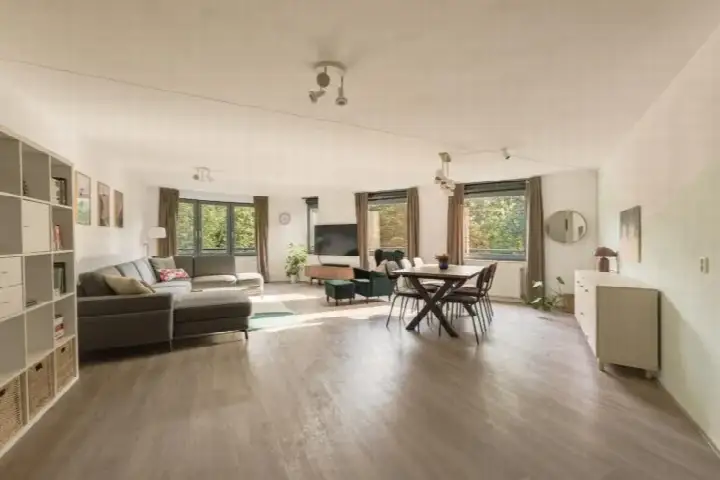
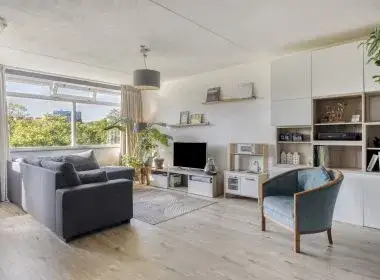
The supply mainly consists of upstairs flats and porch apartments from the 1920s and 1930s. These homes are characterised by high ceilings, brick facades, and often large windows. The average living area is 70 m². Detached houses or single-family homes are hardly found in this neighbourhood. Buying an apartment in the Sumatraplantsoenbuurt is the most common option.
Is there a lot of greenery in the Sumatraplantsoenbuurt?
Yes, the Sumatraplantsoen is the green heart of the neighbourhood and runs as an elongated strip through the area. The park is popular with residents for a walk or to relax. Additionally, Flevopark is within cycling distance for larger green outings. The greenery is one of the most appreciated aspects of living in the Sumatraplantsoenbuurt.