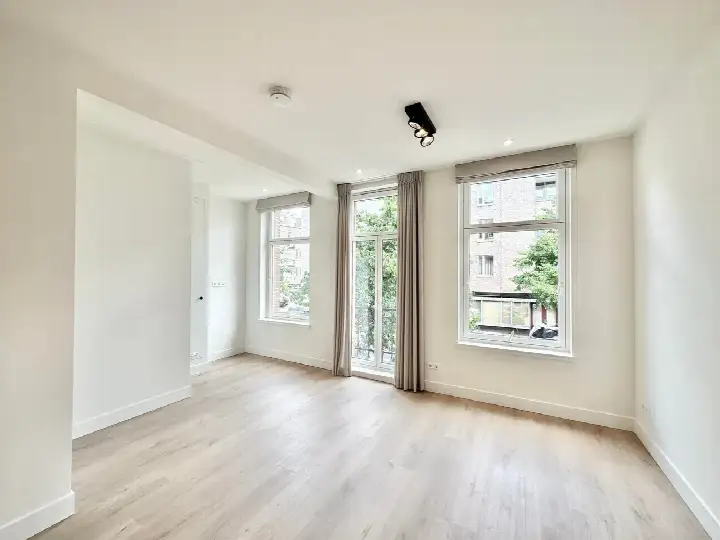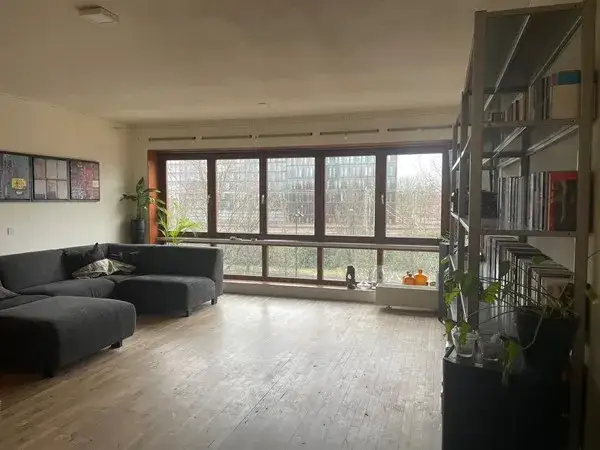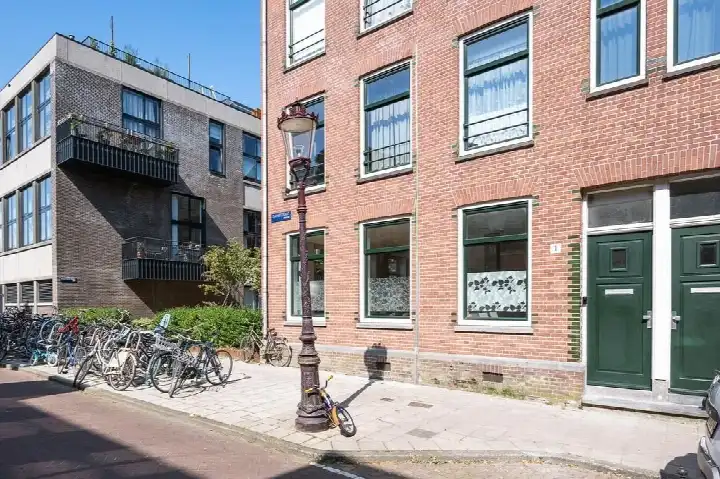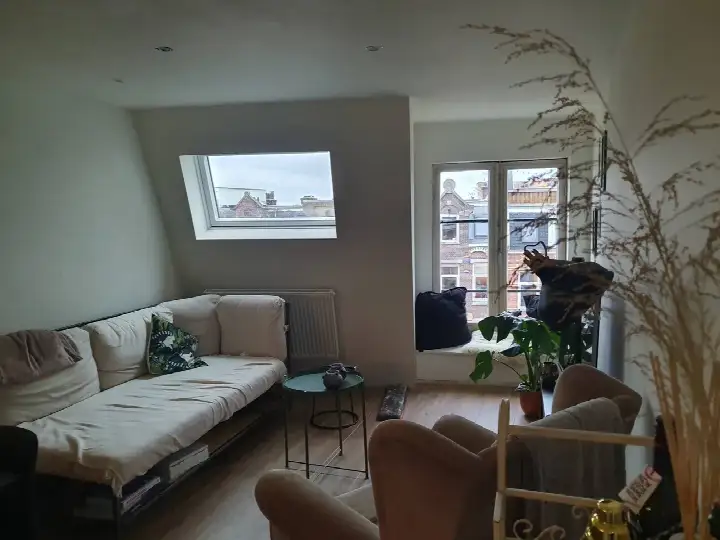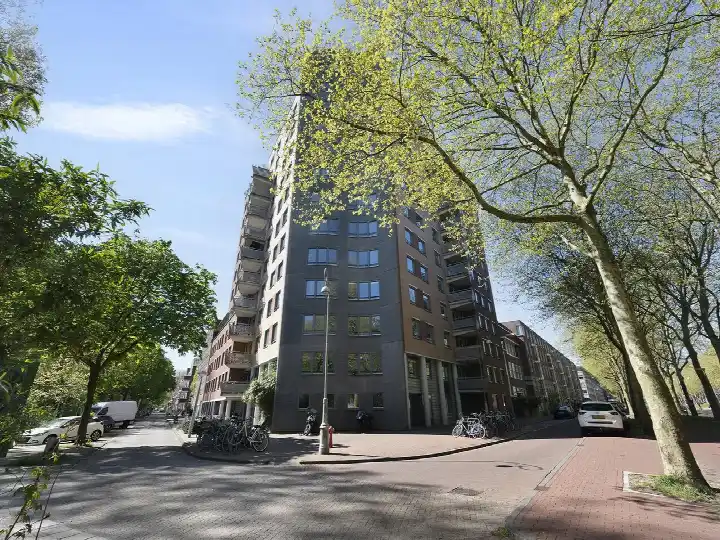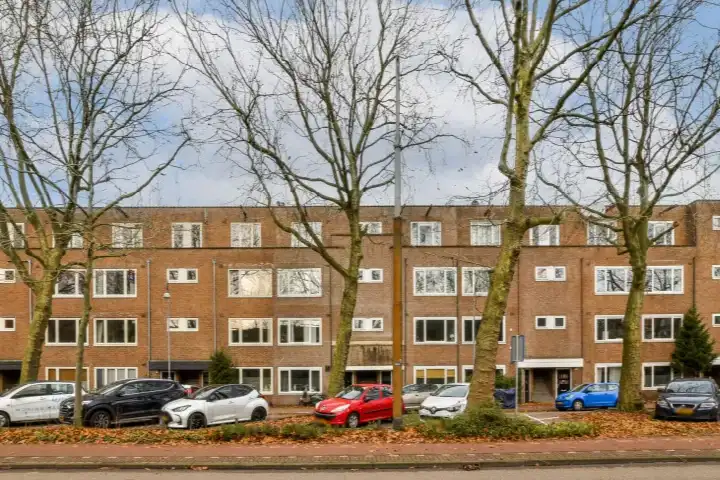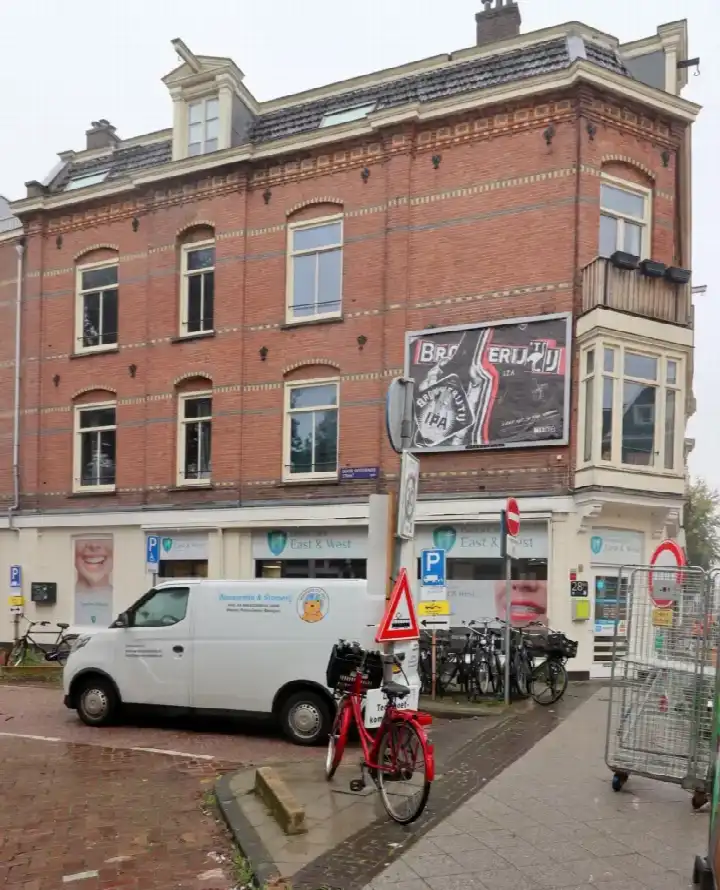





A modern apartment on Timorplein
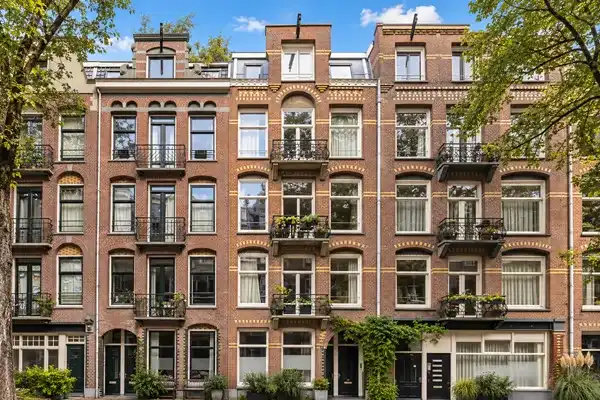
This bright apartment on Timorplein sits in the Indische Buurt, one of Amsterdam's most characterful corners. The listing does not state an energy label, so the rest of this page focuses on the street and the neighbourhood rather than the home's efficiency. At €2,650 per month, the rent sits slightly above the neighbourhood average of €2,563, which puts it on the high side for the area. For context, apartments in Amsterdam generally command a premium in the city's rental market.
The Timorpleinbuurt-Noord neighbourhood
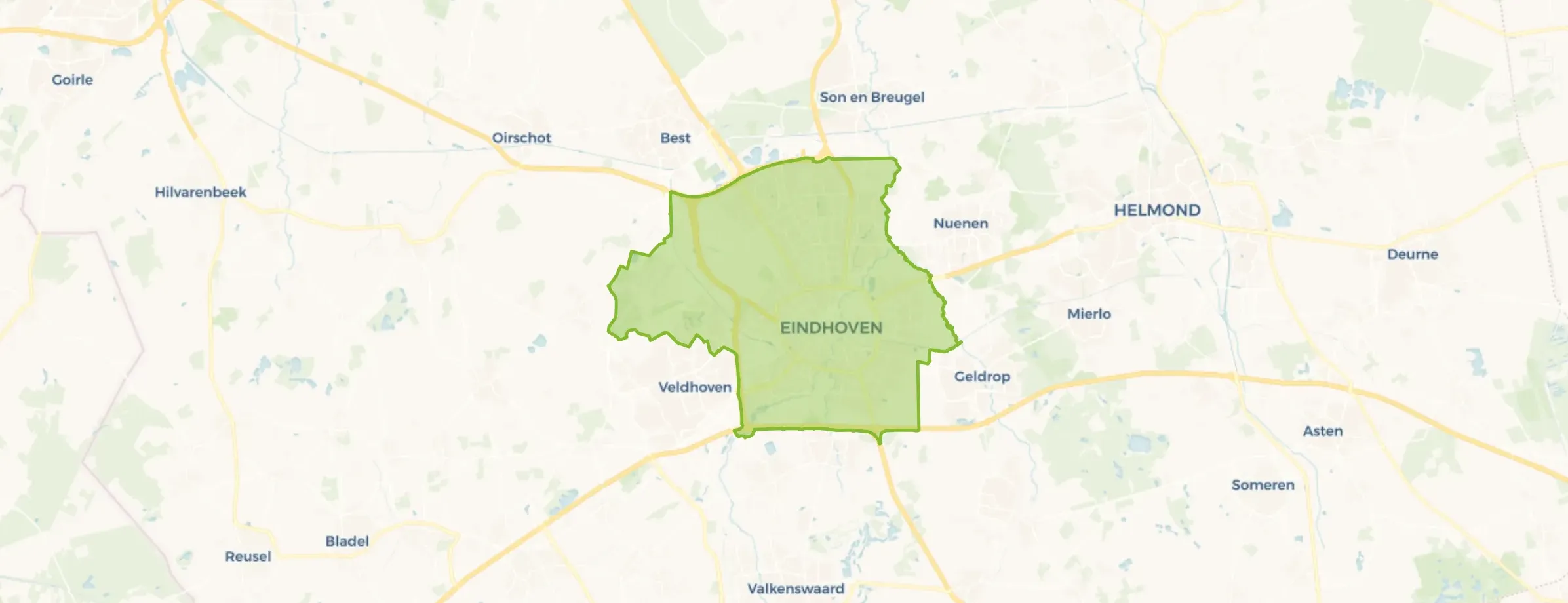
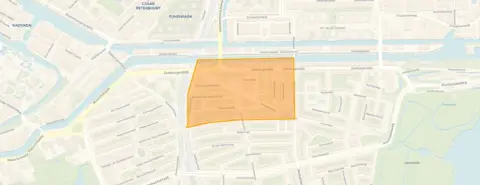
The Timorpleinbuurt-Noord neighbourhood is a lively, densely populated pocket of the city, with a strong mix of young professionals and families. One resident describes it as "fine" and appreciates the atmosphere and the friendly people, though they'd welcome more greenery and note that litter on the streets detracts from the cosiness. The area scores 6.43 out of 10 from that single review, so it's a neighbourhood with character rather than perfection. With 58% single-person households, it's a place where many people live alone, and the average household size of 1.6 reflects that.
Life on the street
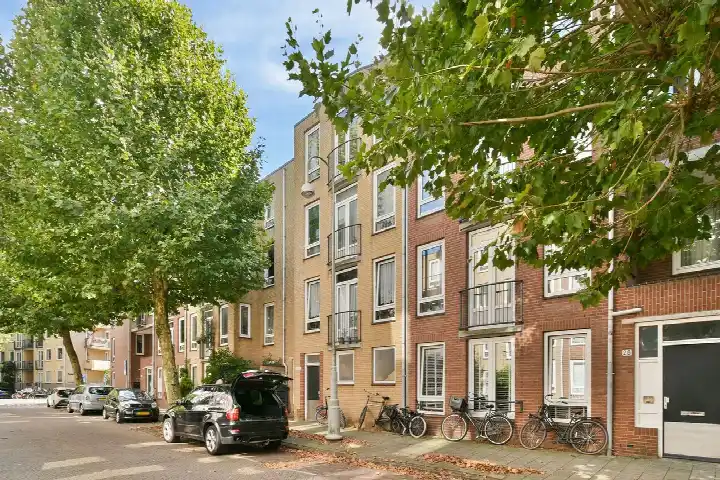
Daily life here is well catered for. An Albert Heijn is just around the corner for groceries, with a Vomar and a Lidl a couple of streets away if you want more choice. For school runs, De Indische Buurt School is on your doorstep, and the Bataviaschool is a five-minute walk. Secondary options include Havo De Hof, also within a short stroll. The area is densely built, with an address density of 8,460 per square kilometre, so everything you need is close at hand. The municipality of Amsterdam keeps the wider city well connected, with a train station a ten-minute walk away.
Source
At the time of writing, this home is listed through two channels, including The Property Agency. The agent has not published an energy label for this property.
This summary was generated with AI and may contain errors. Always verify the details with the provider.
Features
Details of this home
Transfer
Price
Energy
 Save up to € 400 on your energy billCompare now
Areas and volume
Layout
Construction
The WOZ value is set annually by the municipality with 1 January as its reference date, and therefore lags the market by about a year. It is an estimated market value, not a sale price.
Frequently asked questions
About Timorplein 2B, Amsterdam
Is €2,650 a fair rent for this apartment?
The asking rent of €2,650 sits above the neighbourhood average of €2,563 and the median of €2,563. With only two rental listings currently available in the area, ranging from €2,200 to €2,925, this home is on the higher end of the local market. The 102 m² floor area is generous for the price, which helps explain the premium.
What is the neighbourhood like to live in?
The Timorpleinbuurt-Noord is a densely populated area with a young demographic, where 47% of residents are between 25 and 45. One resident describes it as "fine" with a pleasant atmosphere and nice people, though they'd prefer more greenery and less litter on the streets. It's a lively, urban environment rather than a quiet retreat.
How quickly do rental homes in this area go?
Rental properties in this neighbourhood are typically let within 19 days on average. That's a fairly brisk pace, suggesting demand is steady. With only two homes currently available for rent in the area, options are limited, so the market here moves at a reasonable clip.
What amenities are close to this apartment?
An Albert Heijn supermarket is just around the corner at 312 metres, with a Vomar and Lidl within a short walk. De Indische Buurt School is on your doorstep at 93 metres, and the Bataviaschool is 410 metres away. A train station is 1 kilometre from the home, and a park is 500 metres away.
Why is there no energy label in this listing?
The Property Agency has published only the street and price for this home.
What is the average household size in this neighbourhood?
The average household size in Timorpleinbuurt-Noord is 1.6 people, with 58% of households being single-person. Only 18% of households have children, making it a neighbourhood dominated by people living alone or as couples without kids.