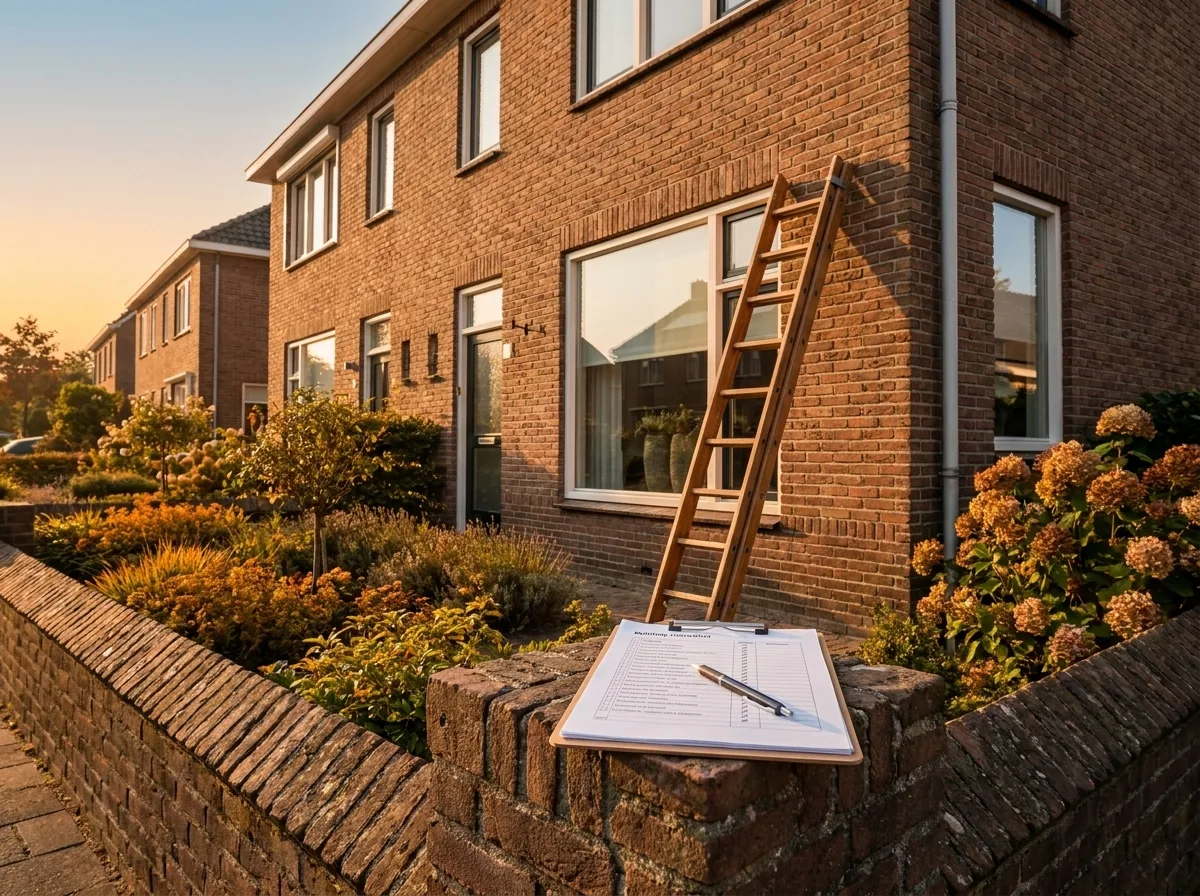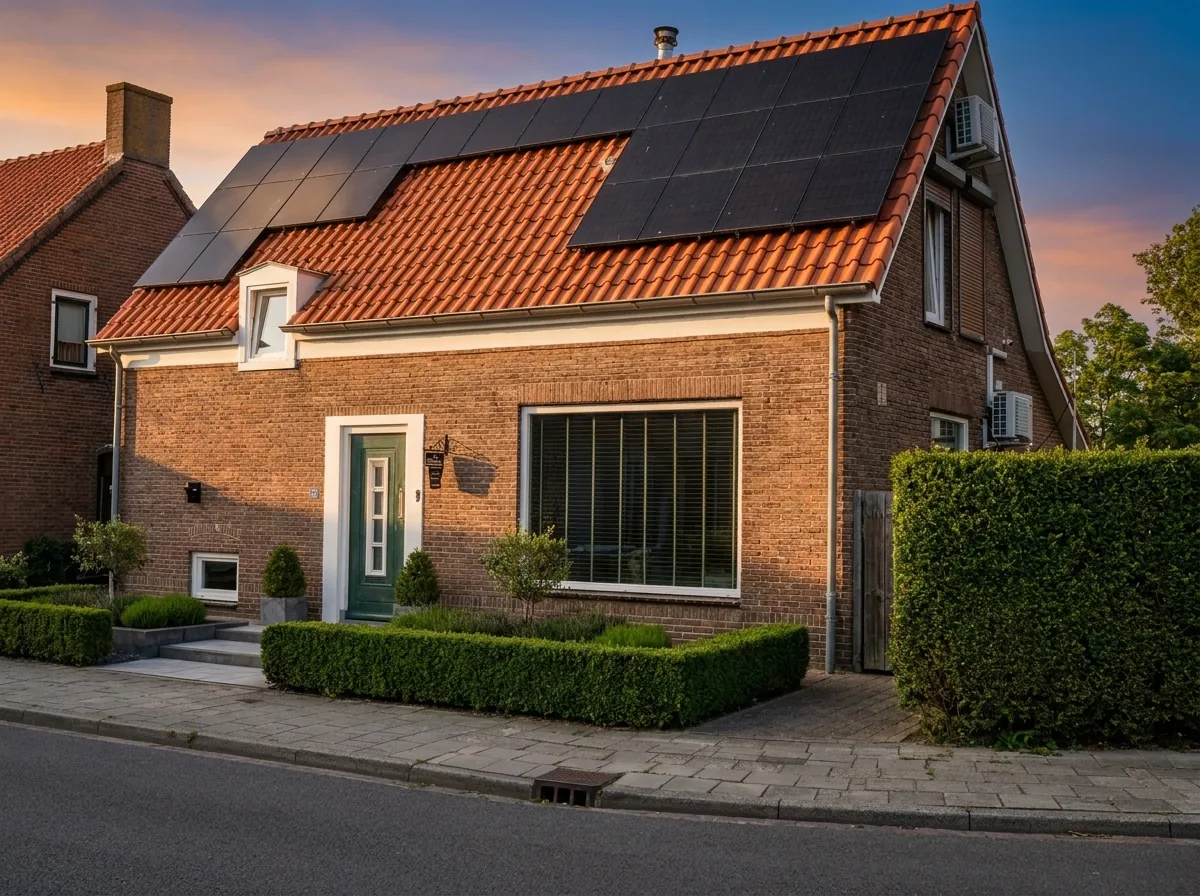
The energy label has long stopped being a formality when selling a home in the Netherlands. It influences how much buyers are willing to pay, how much you can borrow and what you spend on energy each month. One caveat up front: the label says something about the home on paper (insulation, glazing, installations), not about the actual consumption of its residents. In this article you will read what the label costs, what it is worth and which rules apply in 2026.
What is the energy label and when is it mandatory?
The energy label runs from A++++ (very efficient) to G (very inefficient) and shows how energy-efficient a home is, based on insulation, glazing, heating and ventilation among other things. A valid label is mandatory when selling or letting: it must already appear in the listing and be registered at the latest at completion, otherwise the seller risks a fine. A label is valid for ten years. Since 2021, a certified energy advisor visits the home to assess it. All current rules can be found at the Netherlands Enterprise Agency (RVO).
What does an energy label cost?
For a home you usually pay between 150 and 400 euros, depending on the type and size. The assessment takes about one and a half to two hours. Mind the lead time: advisors sometimes have waiting lists of several weeks, so apply for the label as soon as your plans to sell become concrete.
What is a good label worth?
First the caveat: the figures below are national averages and part of the price difference is explained by construction year and property type. A label G home is, after all, often simply older. Still, the relationship has become solid. Recent market analyses show that a comparable home with label G sells for almost 19 percent less on average than a home with label A or better, and that gap has been widening since 2021.
Strikingly, it is the label itself that matters, not the consumption. The Dutch Land Registry (Kadaster) showed earlier that low energy consumption by itself does not lead to a higher purchase price. Buyers pay for the technology behind the label, not for the frugal lifestyle of the previous resident.
Better label, higher mortgage in 2026
For a few years now, the energy label has also counted towards your maximum mortgage. For 2026, these amounts apply on top of your normal borrowing capacity:
- Label E, F or G: borrow up to 20,000 euros extra, provided you use it to make the home more energy-efficient.
- Label A+++: up to 25,000 euros extra.
- Label A++++: up to 40,000 euros extra.
The exact conditions are published by Volkshuisvesting Nederland, part of the Dutch government. How your maximum mortgage is determined in general is covered in our article on borrowing in 2026.
Improving your label: where is the gain?
The biggest jump in home value comes from eliminating the worst labels: going from G to C yields proportionally the most. Think of cavity wall, roof and floor insulation, HR++ glazing and, in time, a (hybrid) heat pump. Independent explanations per measure, including costs and payback times, are available at Milieu Centraal, the Dutch consumer advice organisation for sustainability. Smaller steps you can take right away are listed in our tips to save on your energy bill.
What should you do with it as a buyer or seller?
As a buyer: factor the label into your monthly costs. A home with label F may look cheaper, but higher energy costs and a renovation can quickly eat up that advantage. With a poor label, always request quotes or an estimate of the renovation costs before you bid.
As a seller: apply for the label well in advance and make sure the advisor can see or verify all your insulation measures. Invoices for insulation, glazing or installations count and can easily make the difference of a label step. A better label means a stronger negotiating position, especially now that buyers get extra mortgage room for it.