




Kamperfoeliestraat 30
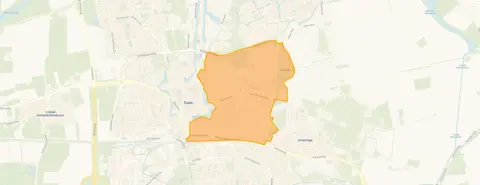
Goes-Oost, Goes
 Area
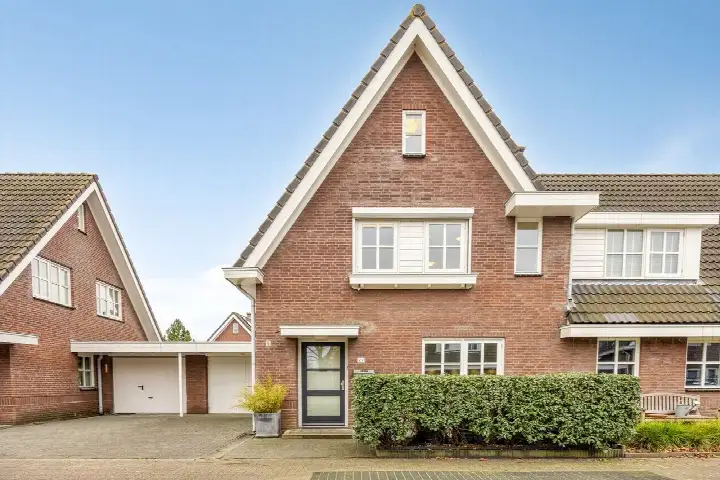
AreaA 1937 end-of-terrace house in Goes-Oost
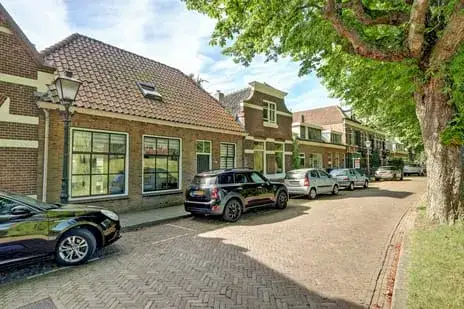
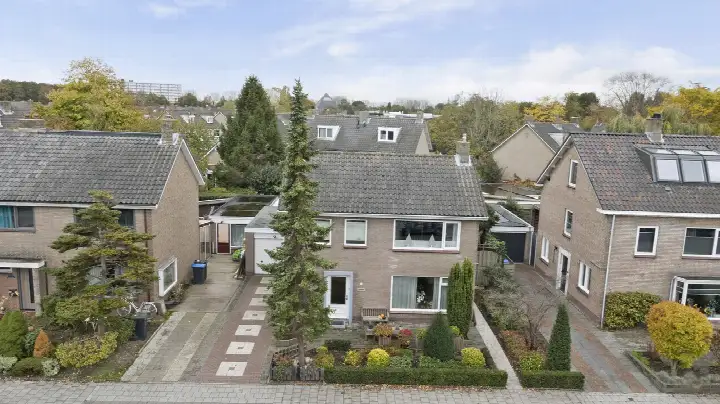
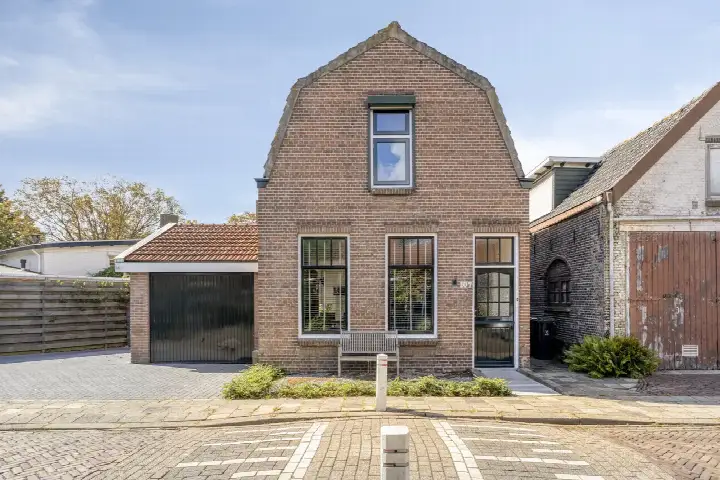
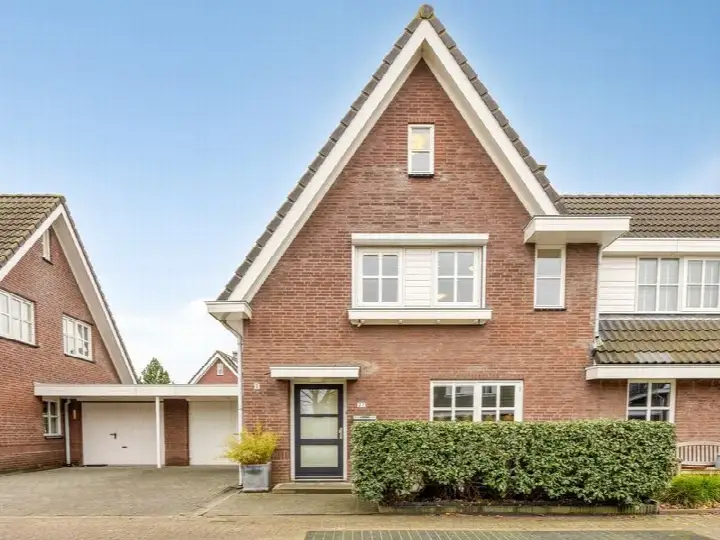
This end-of-terrace house on Kamperfoeliestraat 30 sits in Goes-Oost, a neighbourhood where residents know each other but leave each other alone, as one local puts it. The home was built in 1937 and carries an A energy label. With an asking price of €499,000, the price is on the high side compared with the neighbourhood average asking price of €454,279. For context, end-of-terrace houses in Goes are part of a market where 34 homes are currently for sale.
The home itself
According to the agent, the house has five rooms, four bedrooms and one bathroom spread over three floors, with a volume of 471 m³. The living area is listed at 133 m² by the agent, while the BAG registration records 144 m²; the plot is 180 m² in both. There is a back garden of 25 m² and a front garden, with the back garden facing northeast and accessible via the back alley. The home is fully owned, and the agent notes insulation in the roof, HR glazing, wall insulation and floor insulation, plus a central heating boiler and partial underfloor heating.
Life in Goes-Oost
Residents of the district of Goes give it an average score of 8.68, based on nine reviews. One resident describes it as a small neighbourhood where everyone knows each other but still leaves you alone, quiet and centrally located, with schools and shops around the corner. Another, who has lived here for 15 years, mentions the greenery and quiet, good social control, and notes that the A256 motorway is causing increasing noise pollution. A third resident talks about the mix of high-rise, rental and owner-occupied homes, lots of greenery, a deer park and schools, calling it generally clean and quiet. The neighbourhood has around 5,785 inhabitants, and 31% are 65 or older. The Goes-Oost neighbourhood is home to a mix of ages and nationalities, according to residents.
Amenities and transport
Daily errands are well covered. Albert Heijn is a ten-minute walk away, with Jumbo, Aldi and Dirk also within reach. Basisschool Prinses Ireneschool and RK Basisschool Bisschop Ernst are both just around the corner, and Ostrea Lyceum is a couple of streets away. Huisartsen Centrum Goes and Service Apotheek MCG are both a five-minute walk from the house. Bus stops at Goes, Leliestraat (line 580) and Goes, Kloetingseweg (lines 27, 185, 580, 628, 639, 643, 644, 645) are close by, and Goes train station is a ten-minute walk. The municipality of Goes offers these facilities within easy reach.
WOZ and address data
No WOZ value is available for this property. The address risk data, based on public sources at area level rather than an inspection of this specific home, shows road traffic noise at 53 dB Lden, above the noise standard, and railway noise at 32 dB Lden, below the standard. The foundation risk indication is elevated, with the home built in 1937 on clay soil, and 2% of properties in this postcode area have an elevated pile-rot risk according to the Klimaateffectatlas. Pluvial flooding risk is medium, as is flood risk now and in 2050; heat stress is low now but medium by 2050.
Source
At the time of writing the home is offered via multiple channels, including Sinke Komejan Goes.
This summary was generated with AI and may contain errors. Always verify the details with the provider.
Features
Details of this home
Transfer
Price
Energy
 Save up to € 400 on your energy billCompare now
Areas and volume
 Insure your home and belongingsGet insured
Layout
Construction
Outdoor space
The WOZ value is set annually by the municipality with 1 January as its reference date, and therefore lags the market by about a year. It is an estimated market value, not a sale price.
Frequently asked questions
About Kamperfoeliestraat 30, Goes
What is the asking price for this home?
The asking price is €499,000. Compared with the average asking price in the neighbourhood of €454,279, this is on the high side, a difference of 10%. The price per square metre, based on the agent's listed living area of 133 m², is €3,752, which is 1% below the neighbourhood average of €3,797 per m².
How many rooms and bedrooms does this house have?
According to the agent, the house has five rooms, four bedrooms and one bathroom, spread over three floors. The total volume is 471 m³. The living area is listed at 133 m² by the agent, while the BAG registration records 144 m². The plot measures 180 m².
What is the energy label and what insulation is mentioned?
The home has an A energy label, which is an efficient label. The agent mentions insulation in the roof, HR glazing, wall insulation and floor insulation. Heating is provided by a central heating boiler with partial underfloor heating. These are separate facts from the agent's description.
What do residents say about living in Goes-Oost?
Residents of the district of Goes give it an average score of 8.68, based on nine reviews. One resident describes it as a small neighbourhood where everyone knows each other but leaves you alone, quiet and centrally located. Another mentions the greenery, quiet and good social control, but notes increasing noise from the A256 motorway. A third talks about a mix of housing types and a generally clean, quiet neighbourhood.
What are the nearest schools and supermarkets?
Basisschool Prinses Ireneschool and RK Basisschool Bisschop Ernst are both about 255 metres away, just around the corner. Ostrea Lyceum is about 300 metres away. For groceries, Albert Heijn is 672 metres away, a ten-minute walk, with Jumbo at 837 and 880 metres, Aldi at 944 metres and Dirk at 960 metres.
What public transport options are nearby?
The nearest bus stop is Goes, Leliestraat, about 201 metres away, served by line 580. Goes, Kloetingseweg is 366 metres away with lines 27, 185, 580, 628, 639, 643, 644 and 645. Goes train station is 529 metres away, about a ten-minute walk.
What are the address risk indications for this property?
The address risk data, based on public sources at area level rather than an inspection of this specific home, shows road traffic noise at 53 dB Lden, above the noise standard. The foundation risk indication is elevated, with the home built in 1937 on clay soil. Pluvial flooding risk is medium, as is flood risk now and in 2050. Heat stress is low now but medium by 2050.
What is the garden like?
The agent describes a back garden of 25 m² and a front garden. The back garden faces northeast and is accessible via the back alley. The plot measures 180 m² according to both the BAG registration and the agent.