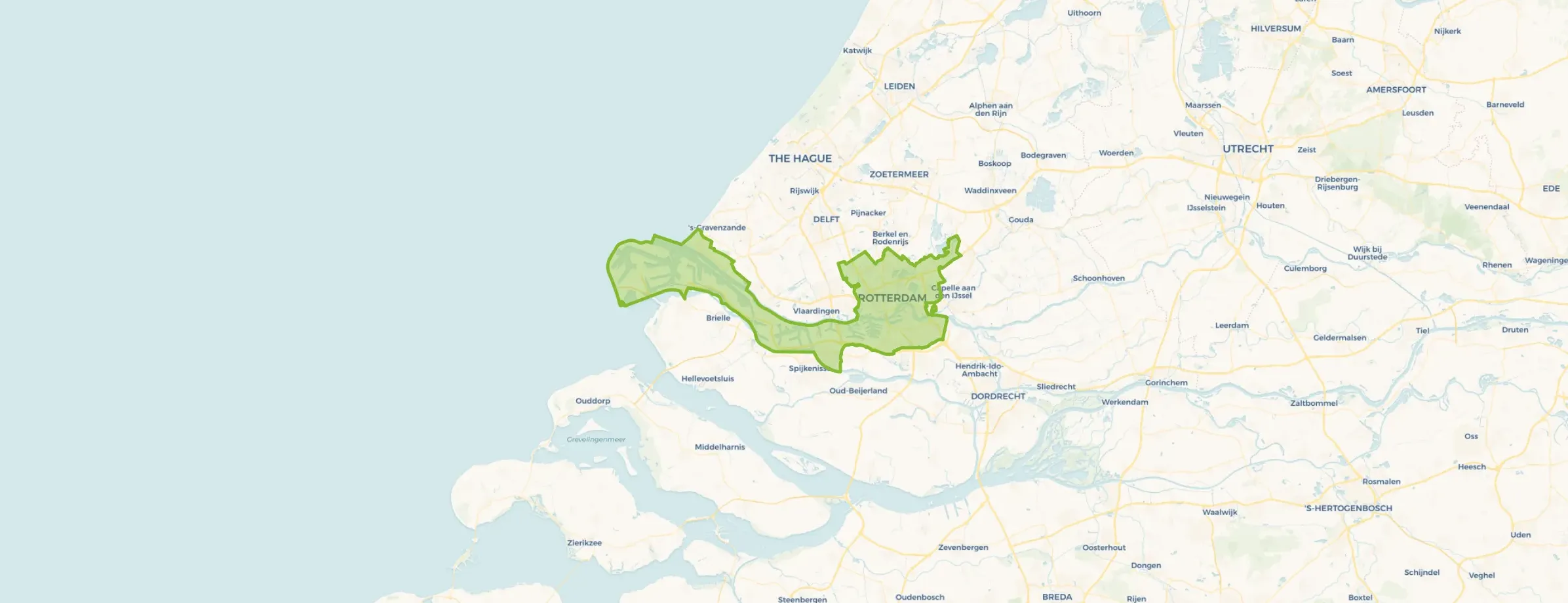
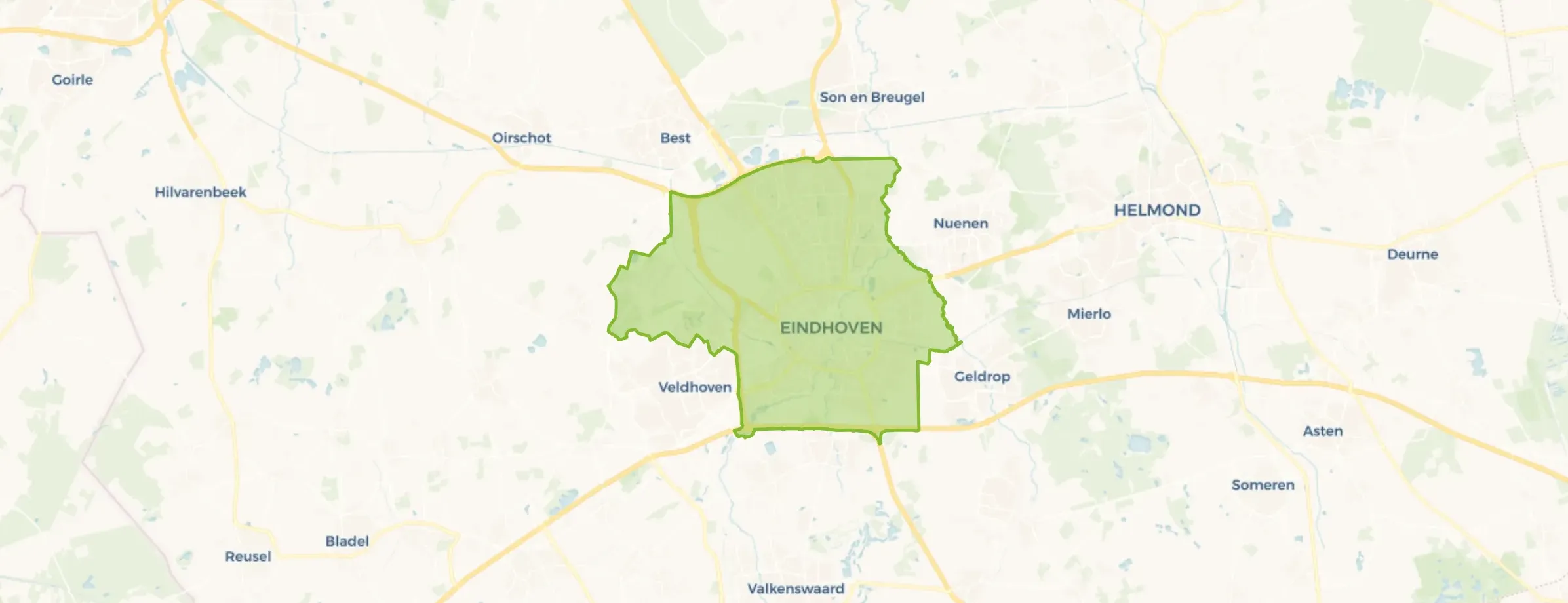
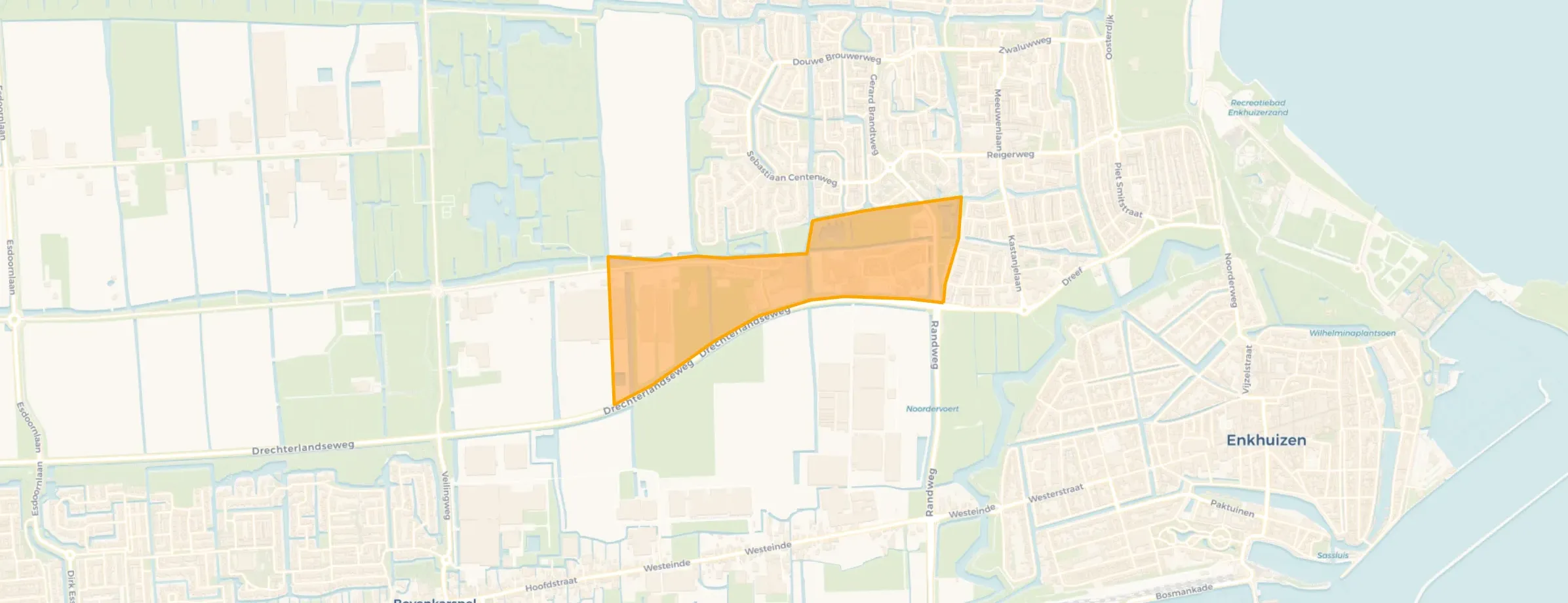
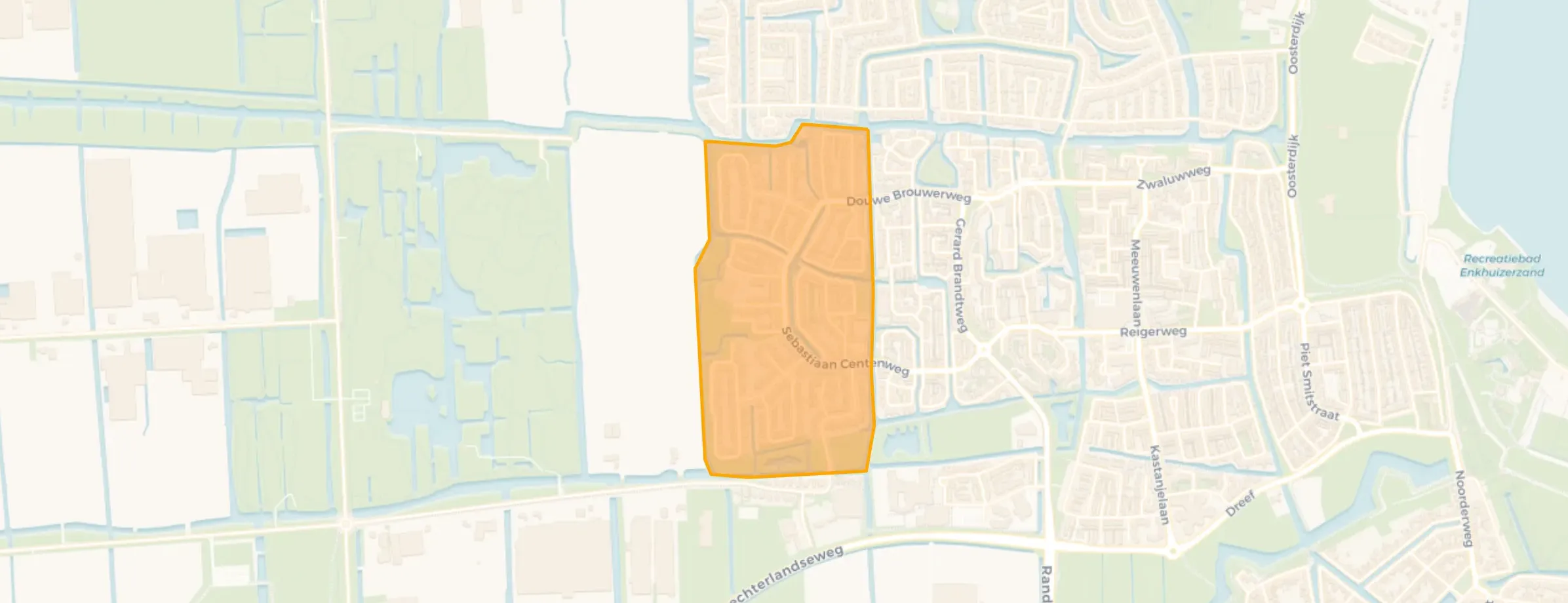
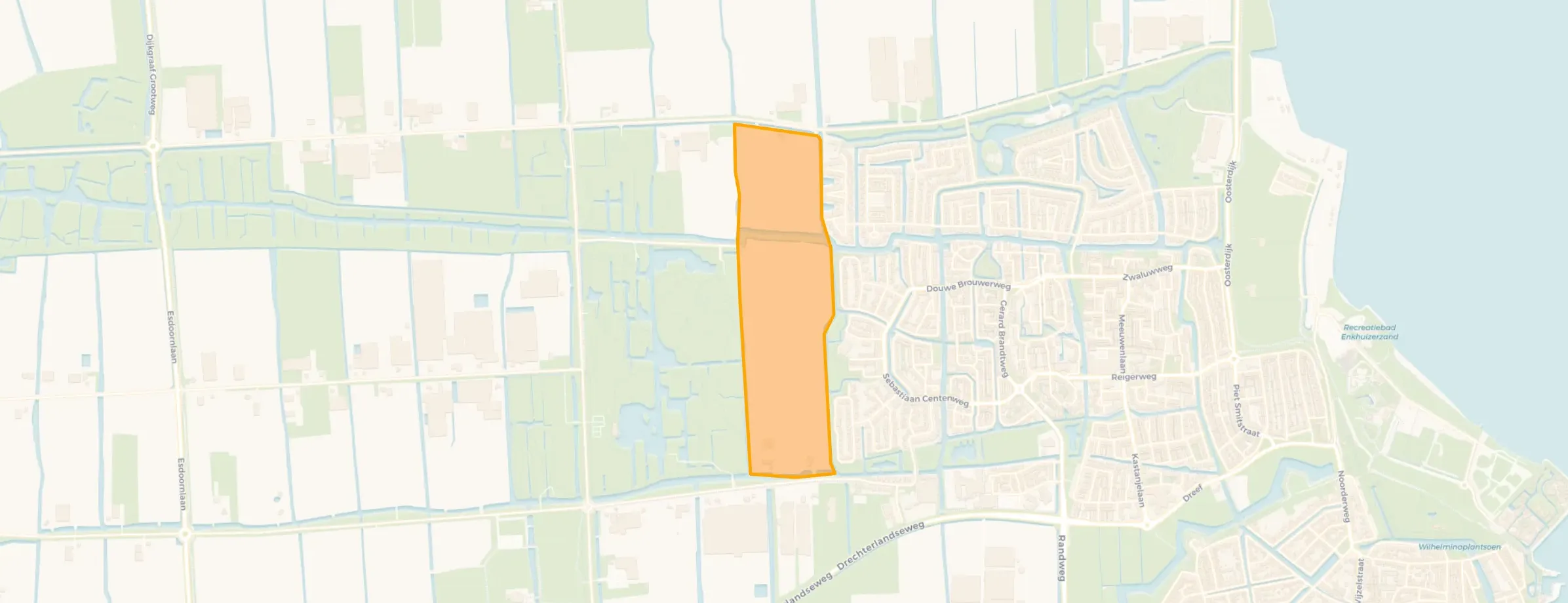
Enkhuizen Noord is located in the province of Noord-Holland, in the municipality of Enkhuizen. The district has a total area of 312 hectares, of which 291 hectares are land and 21 hectares are water. The district is coded as WK038801. The postcode area is 1601DC-1602XZ.
Enkhuizen Noord has 11.165 residents. Of these, 50,7% are men and 49,3% are women. Most residents are 45 to 65 years (27,0%). The other age groups are 24,8% for '25 to 45 years', 18,4% for '65 years or older', 17,2% for '0 to 15 years' and 12,6% for '15 to 25 years'. Of the residents, 49,1% is unmarried, 38,1% is married, 8,6% is divorced and 4,3% is widowed. 8.470 residents originate from the Netherlands, 1.210 come from Europe and 1.490 come from countries outside Europe.
There are 4.830 households in Enkhuizen Noord. 33,7% of these are single-person households, 26,6% households without children and 39,6% households with children. The average household size is 2,3 persons. The national average is 2,1 persons.
In Enkhuizen Noord there are 9.000 income recipients. The average income per income recipient is €36.800, which is €5.400 (13%) lower than the national average of €42.200. Per resident, the average income is €29.900, which is €5.000 (14%) lower than the national average of €34.900. Most residents of Enkhuizen Noord are educated to an intermediate level. 44,9% have an intermediate education (HAVO, VWO or MBO 2-4), 35,6% have a lower education (VMBO or MBO 1) and 19,5% have a university or higher professional education (HBO/WO).
Of the 11.165 residents, around 71% are in paid employment, which amounts to 7.927 people. This is 1% lower than the national average of 72%. The majority of workers are in salaried employment (85%), while 15% are self-employed. In Enkhuizen Noord, 26% of residents receive a benefit. The largest group is those receiving a state pension (AOW). 1.810 people receive this benefit.
In Enkhuizen Noord there are 4.844 homes with an average assessed value (WOZ) of €317.000. Of these, around 97% are occupied and 3% unoccupied. Most homes are owner-occupied. This amounts to 39% rental homes and 61% owner-occupied homes. Of the homes, 61% privately owned, 31% owned by housing associations and 8% owned by other landlords. The most common construction periods in Enkhuizen Noord are 1970-1980 (33%) and 1950-1970 (18%).
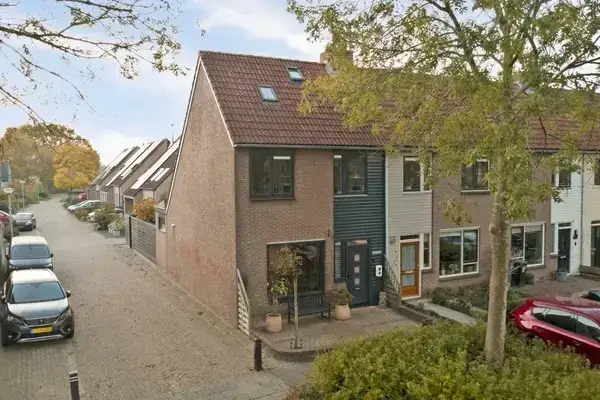
There are currently 56 homes for sale in Enkhuizen Noord. The most recently listed home is Sebastiaan Centenweg 177 by Vastgoeddeal | Makelaars en Taxateurs. Over the past year, 140 homes were sold in Enkhuizen Noord. On average, a home was sold within 47 days.
The average asking price for a home for sale in Enkhuizen Noord over the past year was €381.529. This is 20% higher than the average assessed value (WOZ) of €317.000. The average asking price per m² of floor area is €3.300.
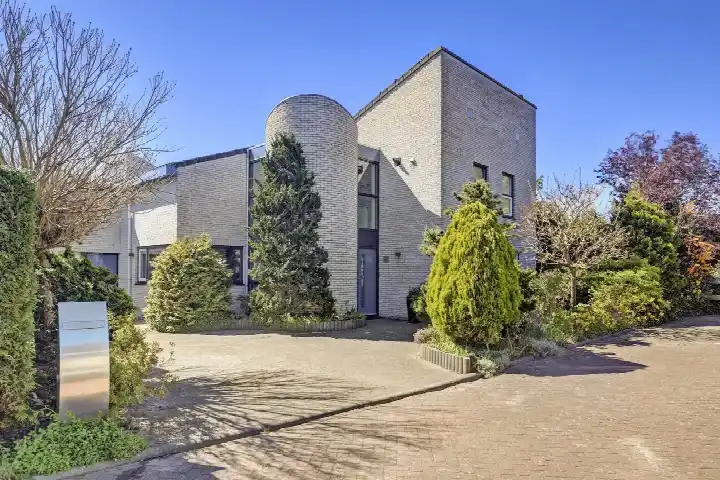
There are currently no homes for rent in Enkhuizen Noord. The most recent home is Meeuwenlaan 26, offered by Heimstaden op Pararius. Over the past year, 5 homes were let in Enkhuizen Noord. On average, a listing was let within 7 days.
The average rent for a rental home in Enkhuizen Noord over the past year was €907 per month. Per m² of floor area that is €15 per month.
In Enkhuizen Noord there are 3.247 addresses with a registered energy label. The most common labels are A (32%), B (28%) and C (25%). On average, an address in Enkhuizen Noord uses 2.500 kWh of electricity per year. This is 2% below the national average of 2.550 kWh. Natural gas consumption, at 820 m³ per year, is 3% above the national average of 800 m³.
It's a cosy neighbourhood, always a friendly chat with the neighbours
Auto-translated to English by AIWe get along fine with everyone on the street, because we are always there for everyone, but there are many differences. We live on a busy through street, where children also play outside, but children and adults also race along the pavement on electric scooters or fatbikes and where people often drive too fast. The insulation also varies per rental property on our street, and nothing is done about it. There is also not really anything fun for children to play with, and for teenagers there is certainly nothing in the neighbourhood, which leads to mischief. Bulky waste items are also regularly put outside, in the hope that someone will take them, because nowadays you have to pay 20 euros to have bulky waste collected. Birds are also fed all year round with all sorts of things, which only attracts seagulls and this regularly almost causes accidents. Rats are also attracted. Yet I do enjoy living here, only I would appreciate it if something were done about our homes, because due to the severe draught in the house, we have to wear warm clothes to make it bearable, because it is unaffordable to heat it properly, and more unexpected speed checks or lowering the speed limit to a maximum of 30 km per hour. It would also be nice if all residents on the street no longer threw food outside, but simply put it in the green bin.
Auto-translated to English by AIBuilder van Enkhuizen
Auto-translated to English by AII get along fine with everyone in the neighbourhood, but the neighbourhood is becoming shabby and people still drive very fast both on the road and on the pavement. There is more and more rubbish on the street and in the bushes. Many elderly people live here, but there is no bus connection. The housing association also does less and less to the houses. It's draughty in the house and it's cold indoors.
Auto-translated to English by AINice street with lots of friendly people, little traffic.
Auto-translated to English by AIGreat neighbours all along the street, but for years people have been driving much too fast and that won't change because it's a main road. If it were 30 everywhere, it would be a lot safer. I always see children playing together happily on the school playground.
Auto-translated to English by AINot much happens, my parents are friends with the neighbours. But I don't know most of them myself. There's a mix of annoying people and very kind people.
Auto-translated to English by AIThere are some nice neighbours. But also neighbours who have nothing to do with the neighbourhood.
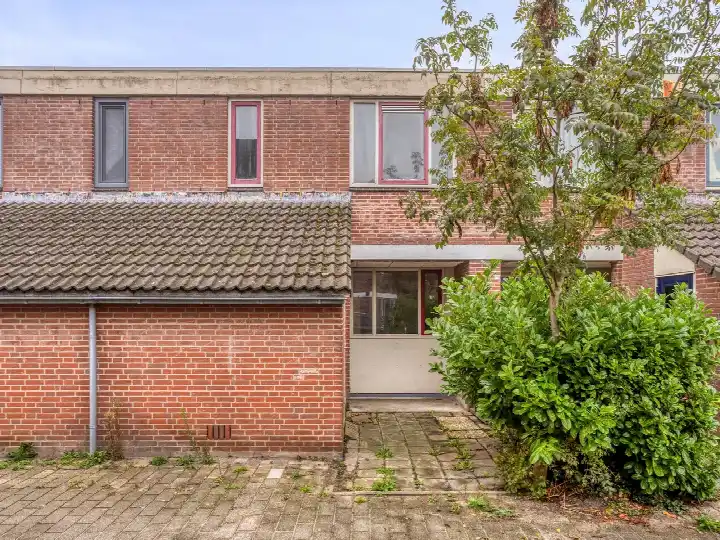
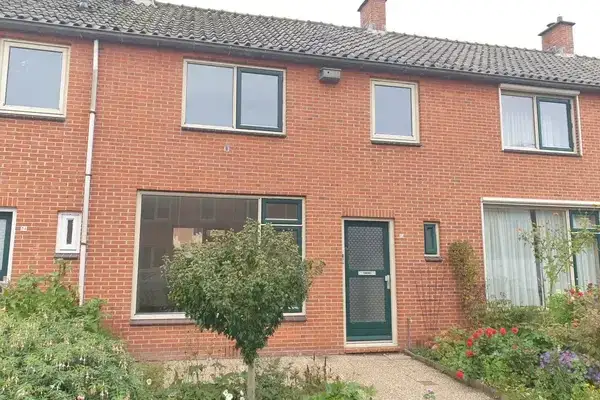
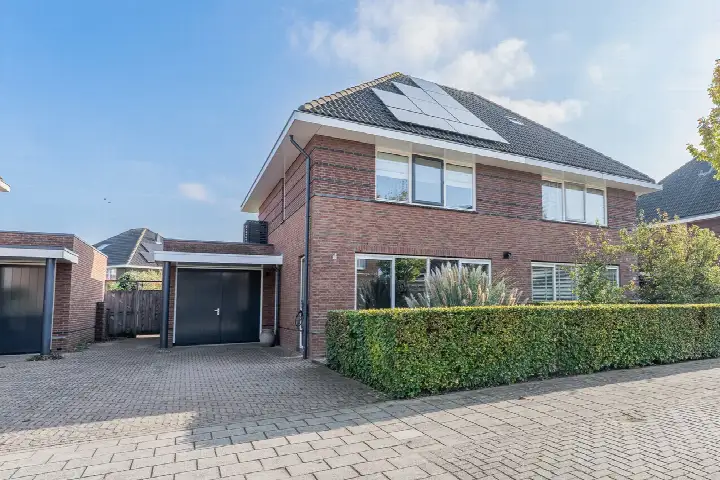
Auto-translated to English by AIThe housing stock is mainly post-war — 66% was built between 1945 and 1990. In addition, the most common type is terraced houses (44%).
Over the past year a home for sale in Enkhuizen Noord was listed for an average of €381,529 (€3,300 per m²). That is 27% below the Dutch national average. Last quarter prices rose by 8%.
Residents give Enkhuizen Noord a 6.9 out of 10 based on 9 reviews. The strongest score is for safety (8.0), the weakest for housing (6.2).
Wijk Enkhuizen Noord has 11,165 residents. Many families: 40% of the households have children.
The housing supply in Enkhuizen Noord is remarkably efficient: 66% has an A, A+ or B label. The average natural gas consumption per household is 820 m³ per year.
From Enkhuizen Noord you can on average reach a supermarket at 0.9 km, a GP at 0.9 km, a railway station at 2.7 km, a primary school at 0.8 km (as the crow flies, source: CBS).
Right now you will find 56 homes for sale in Enkhuizen Noord.