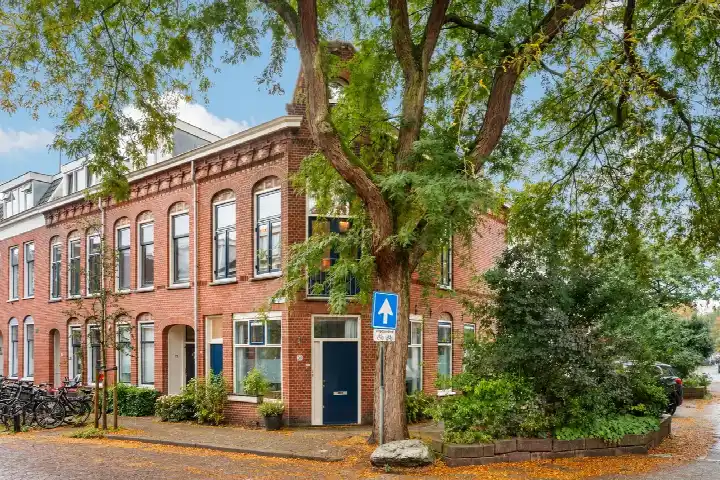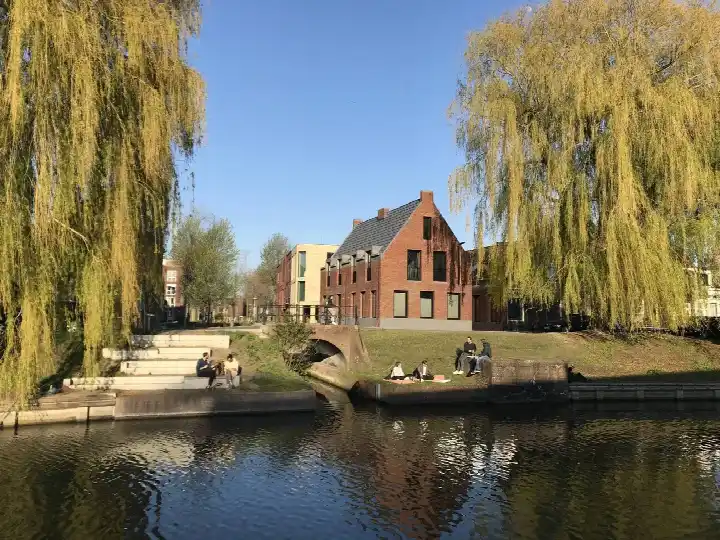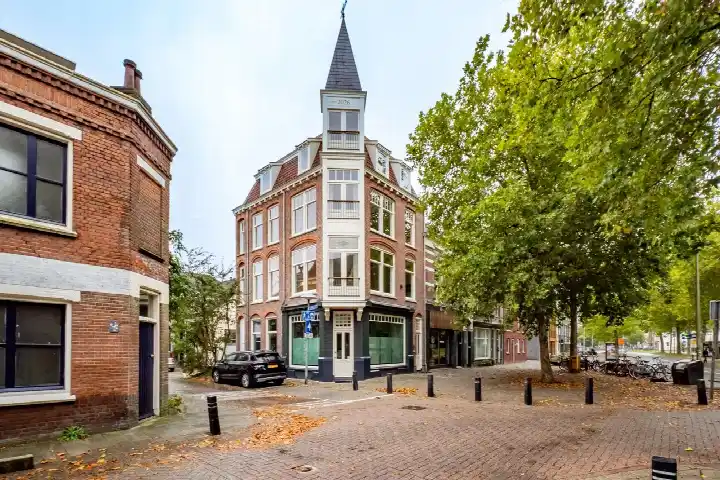
District in Utrecht
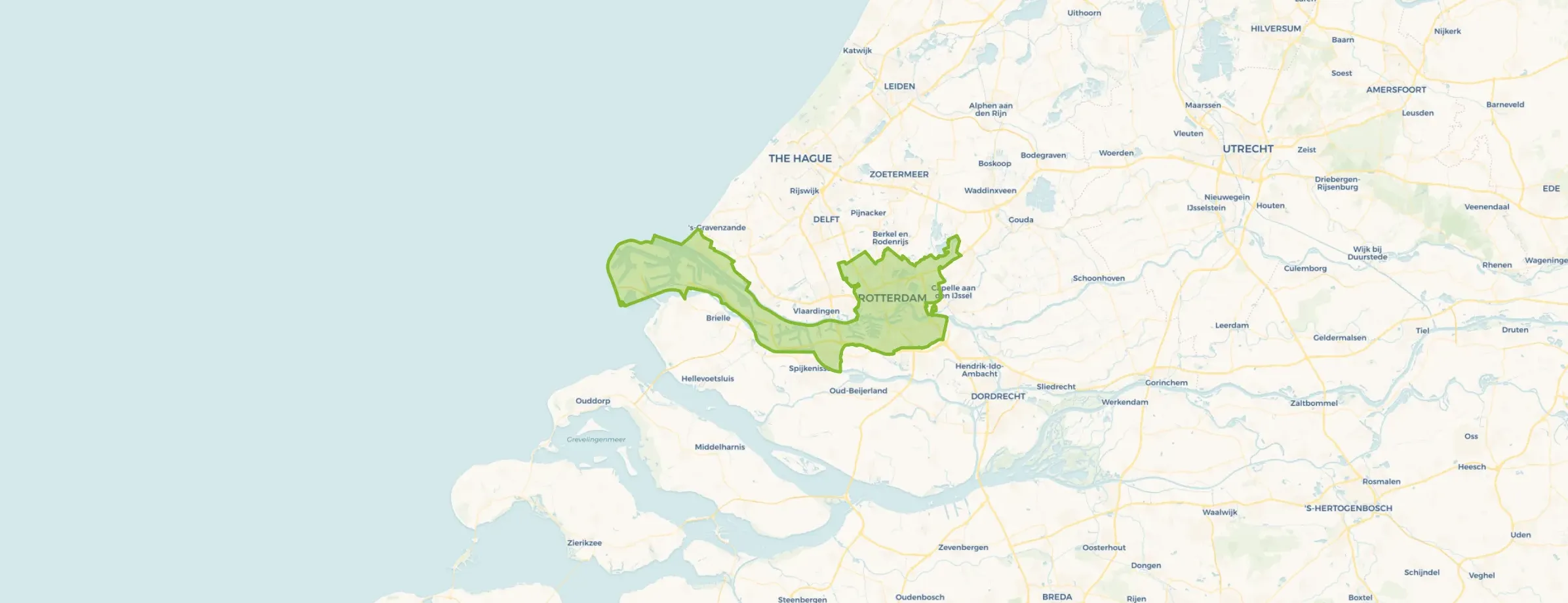
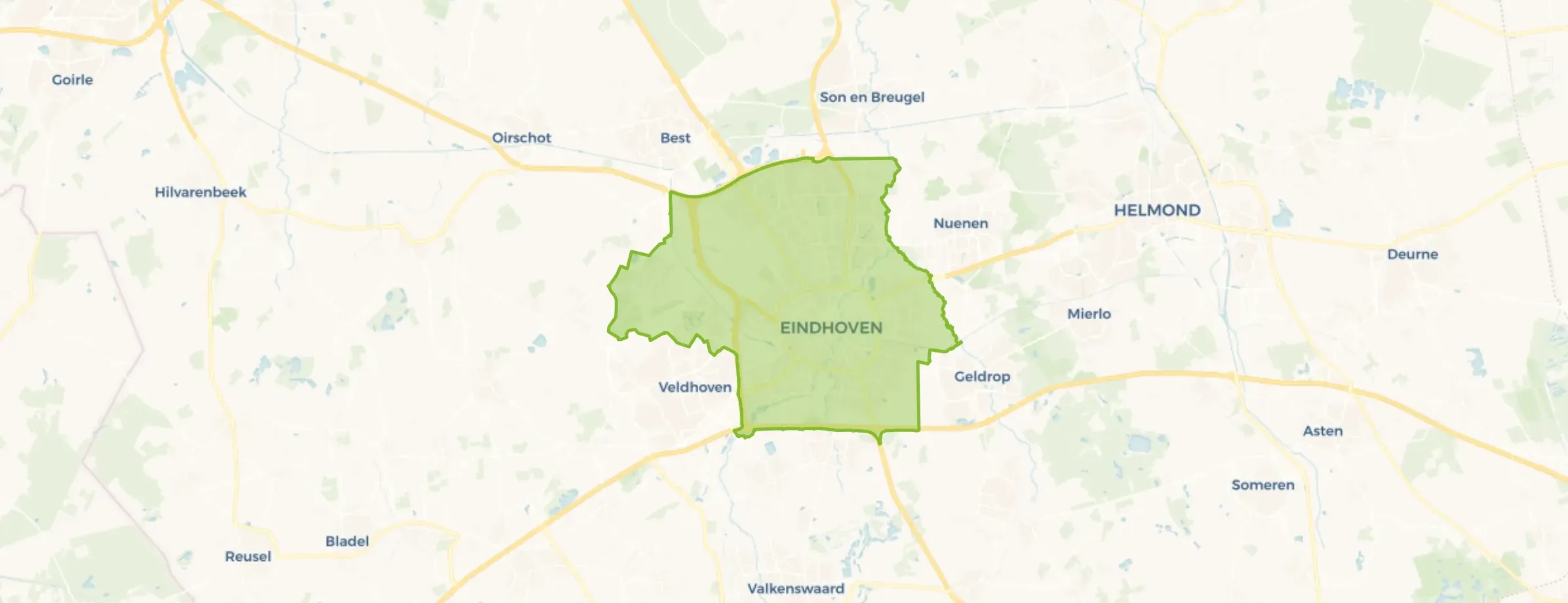
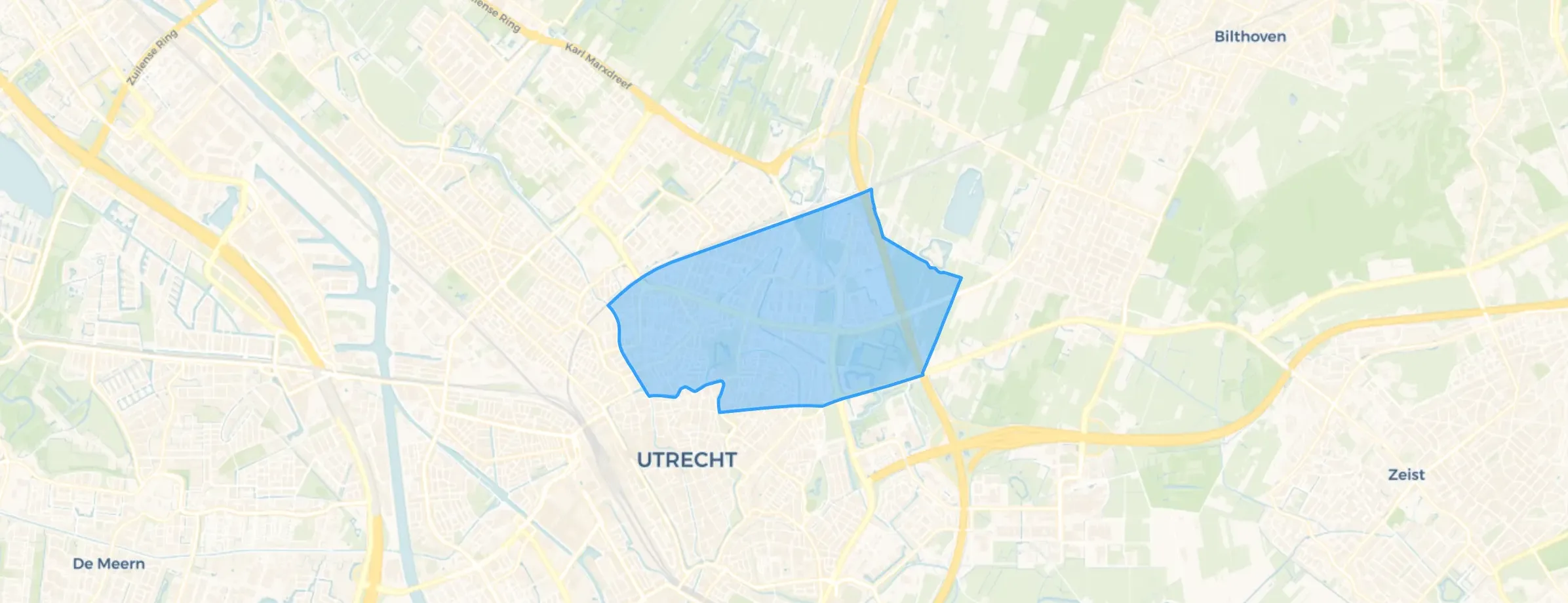
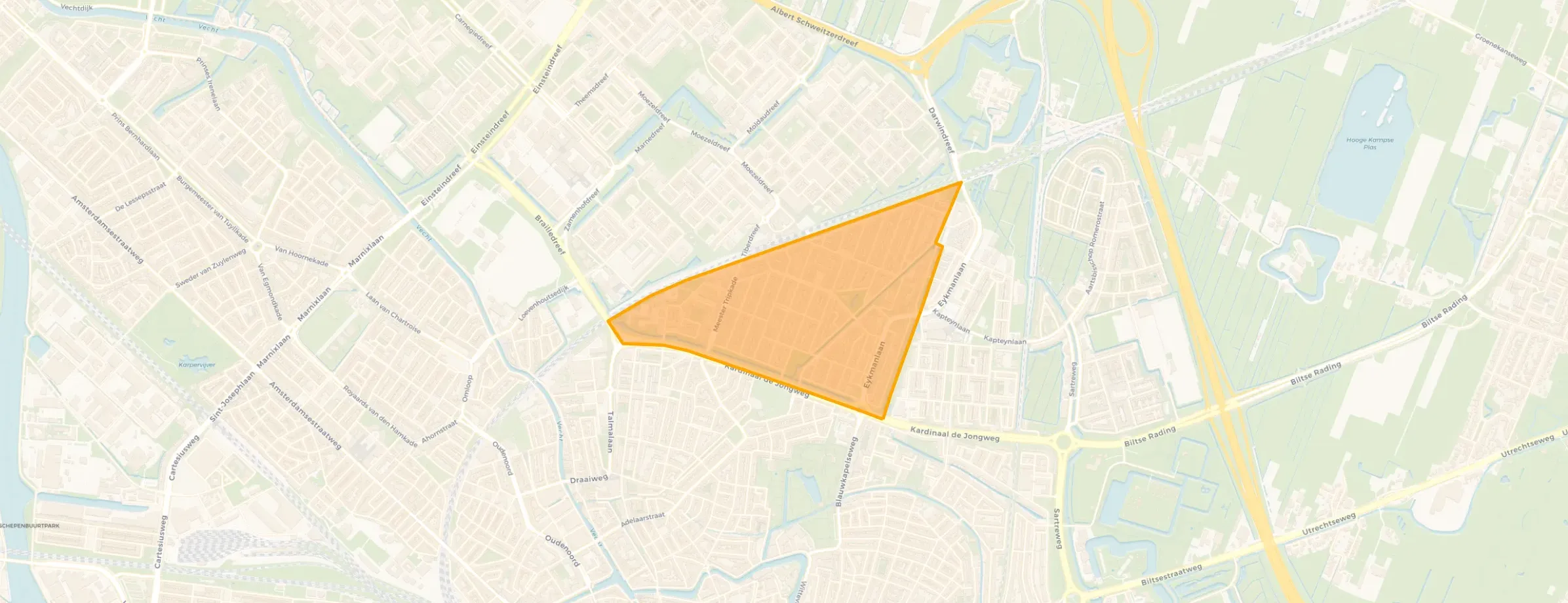
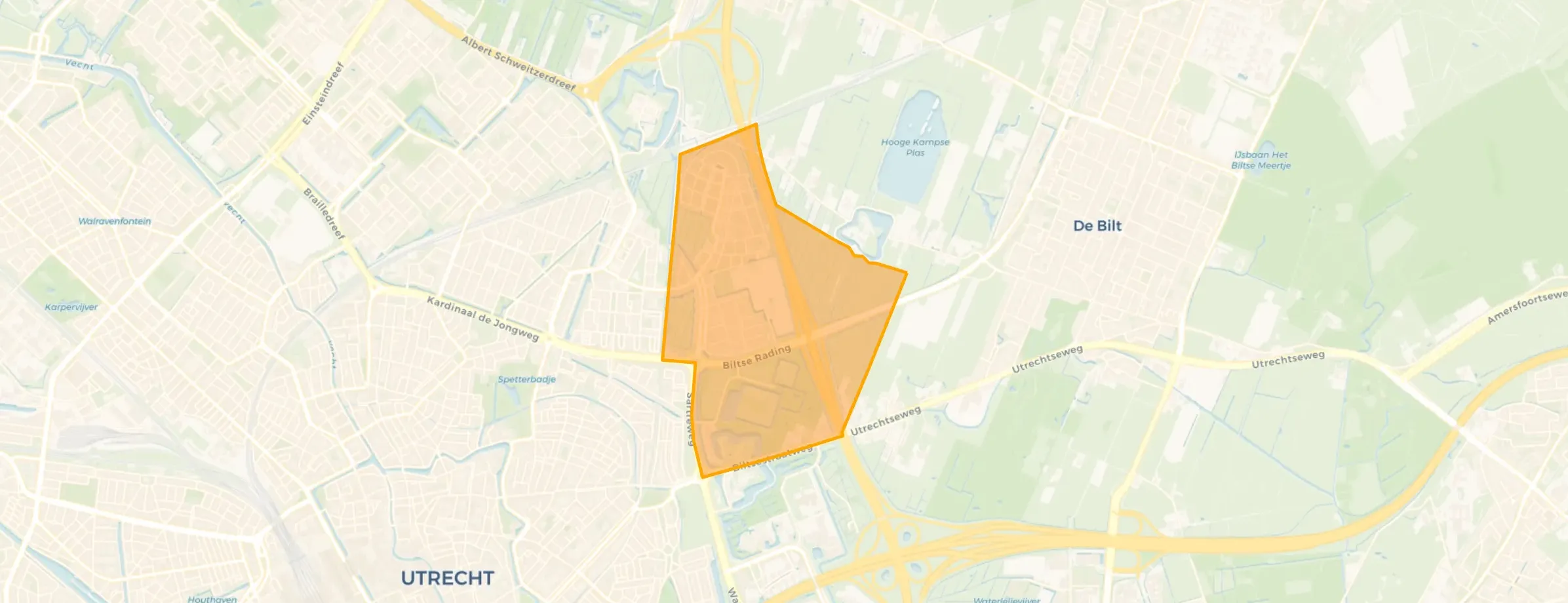
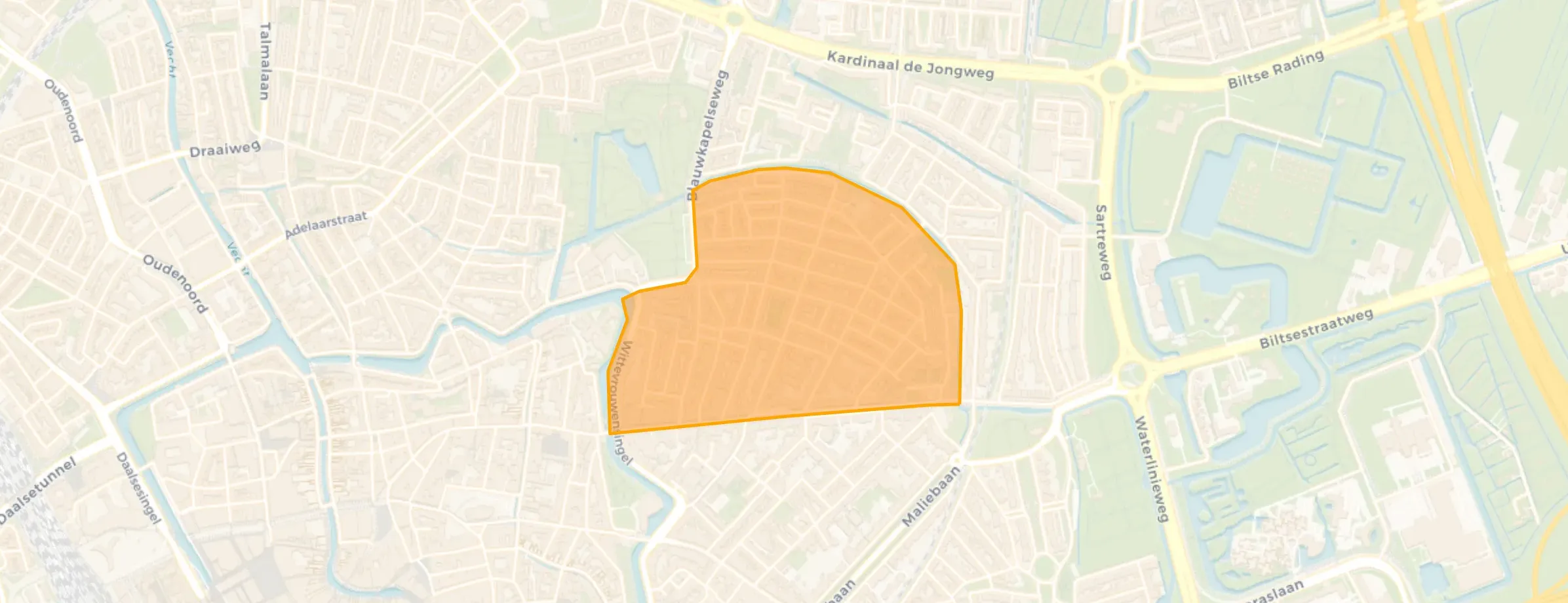
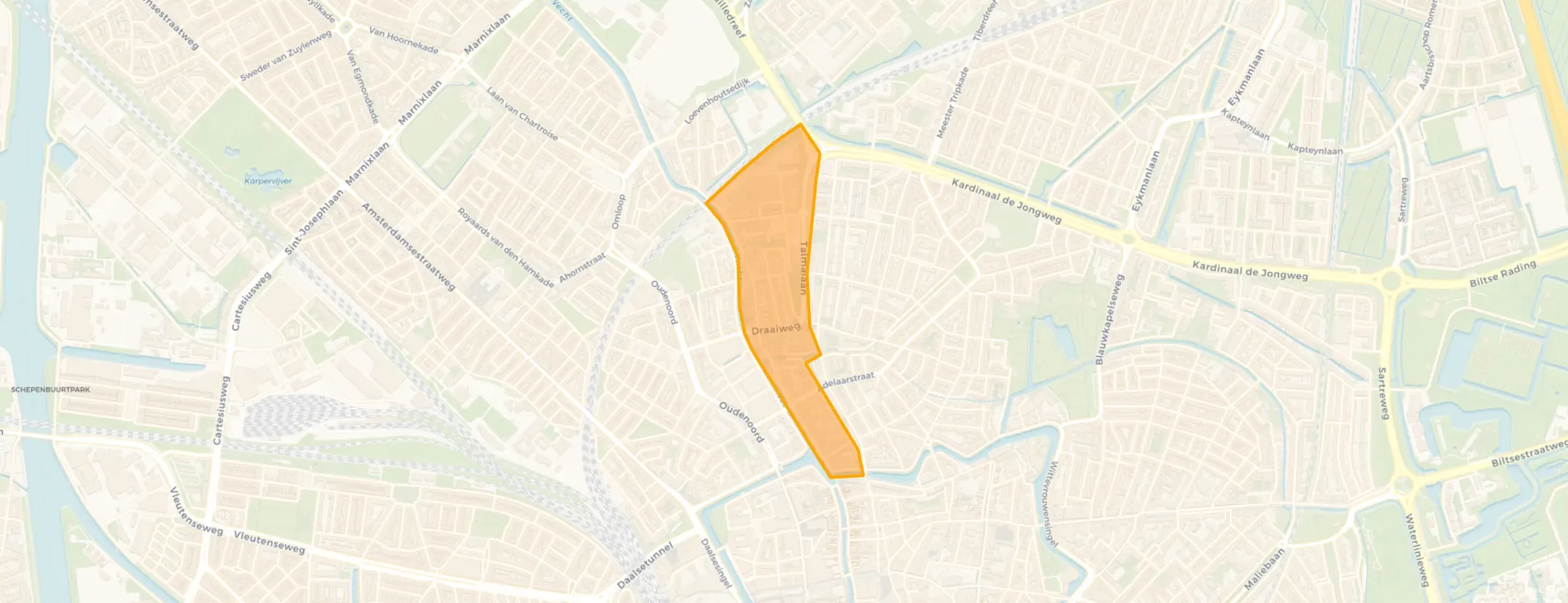
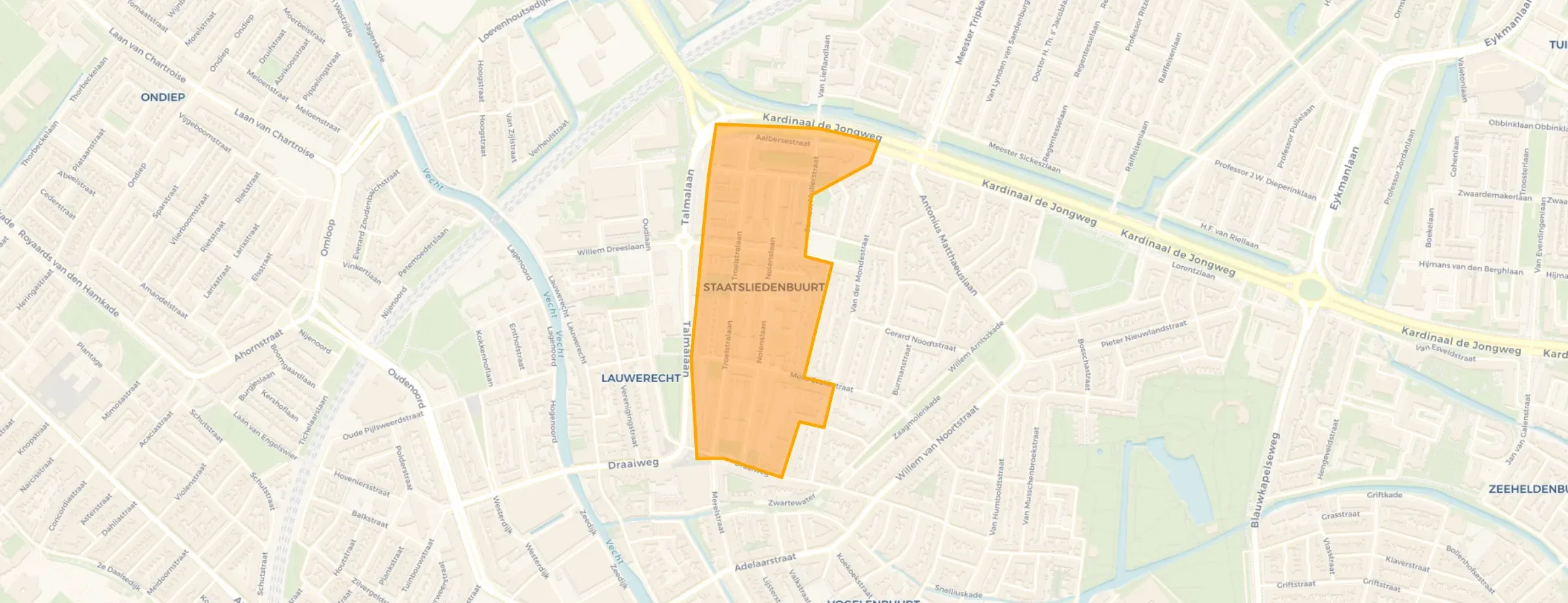
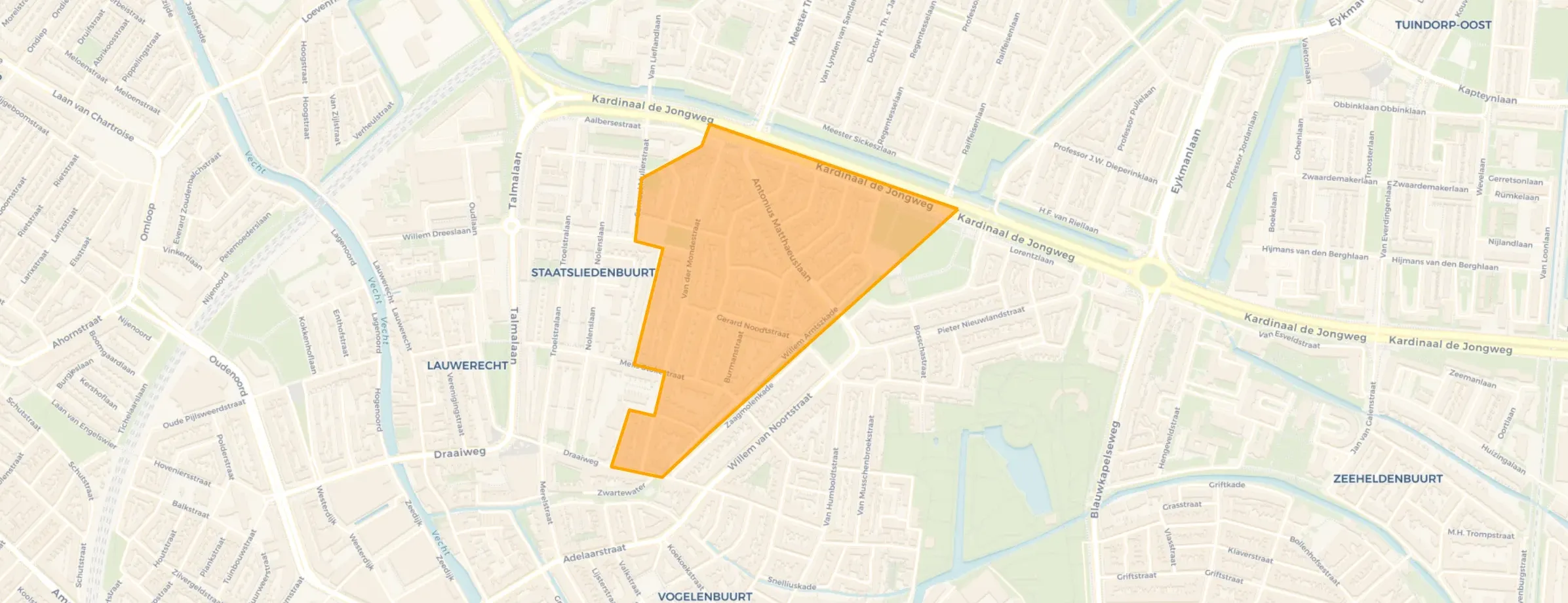
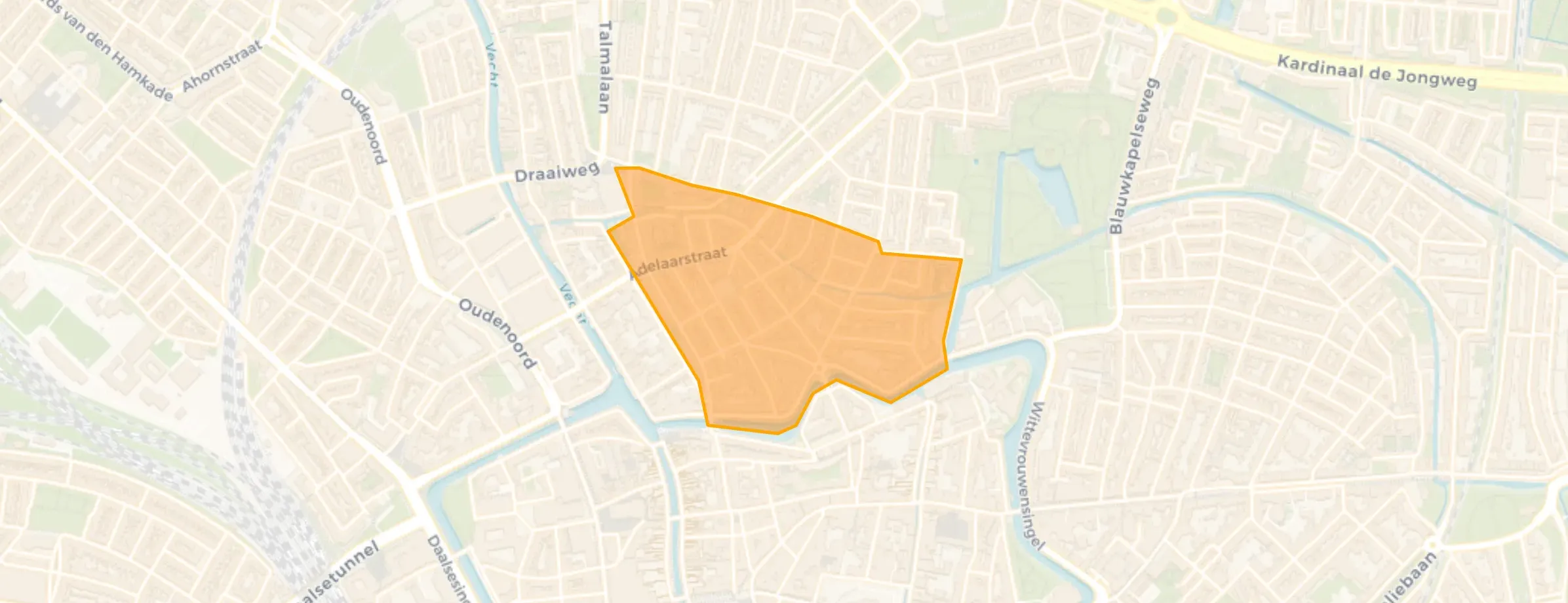
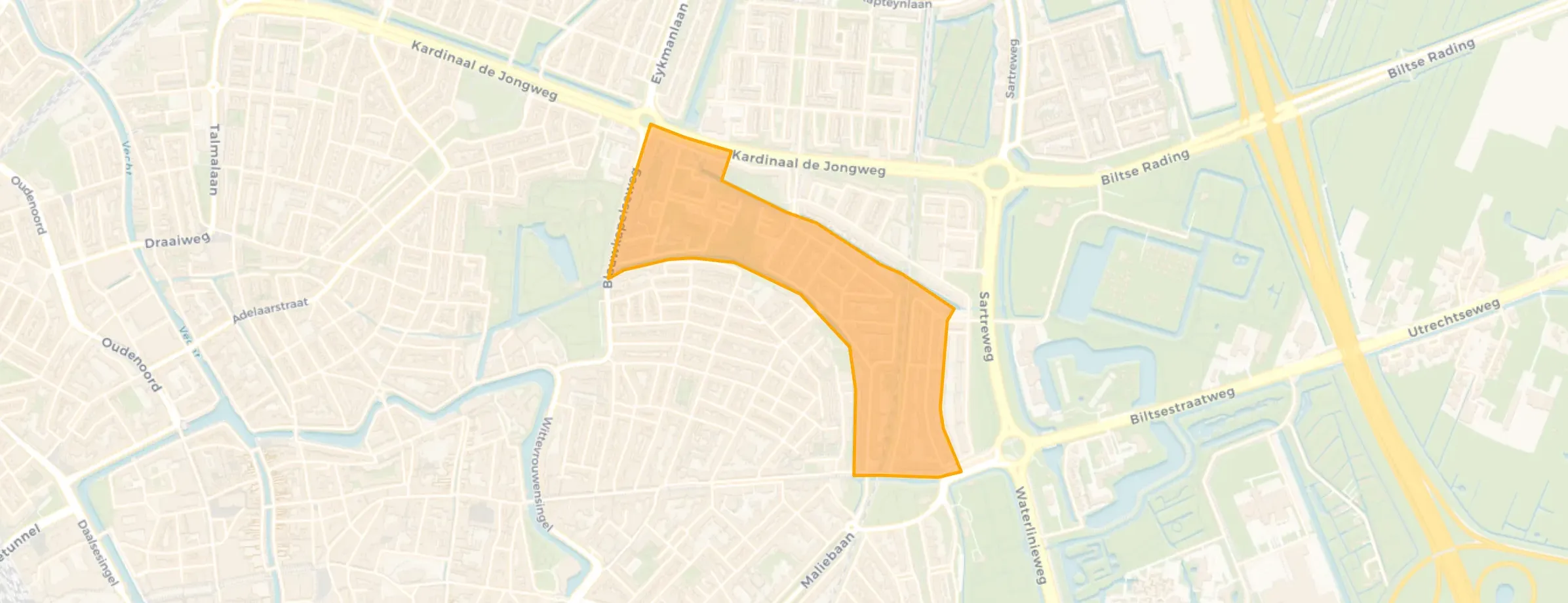
Noordoost is located in the province of Utrecht, in the municipality of Utrecht The district has a total area of 507 hectares, of which 496 hectares are land and 12 hectares are water. The district is coded as WK034404. The postcode area is 3514AA-3573ZK.
Noordoost has 40.040 residents. Of these, 47,7% are men and 52,3% are women. Most residents are 25 to 45 years (34,5%). The other age groups are 22,2% for '45 to 65 years', 15,8% for '15 to 25 years', 14,2% for '0 to 15 years' and 13,4% for '65 years or older'. Of the residents, 68,6% is unmarried, 24,0% is married, 5,2% is divorced and 2,2% is widowed. 28.960 residents originate from the Netherlands, 4.405 come from Europe and 6.675 come from countries outside Europe.
There are 21.830 households in Noordoost. 54,7% of these are single-person households, 23,5% households without children and 21,8% households with children. The average household size is 1,8 persons. The national average is 2,1 persons.
In Noordoost there are 33.300 income recipients. The average income per income recipient is €53.000, which is €10.800 (26%) higher than the national average of €42.200. Per resident, the average income is €44.500, which is €9.600 (28%) higher than the national average of €34.900. Most residents of Noordoost are highly educated. 68,5% have a university or higher professional education (HBO/WO), 22,6% have an intermediate education (HAVO, VWO or MBO 2-4) and 8,9% have a lower education (VMBO or MBO 1).
Of the 40.040 residents, around 78% are in paid employment, which amounts to 31.231 people. This is 6% higher than the national average of 72%. The majority of workers are in salaried employment (83%), while 17% are self-employed. In Noordoost, 16% of residents receive a benefit. The largest group is those receiving a state pension (AOW). 4.710 people receive this benefit.
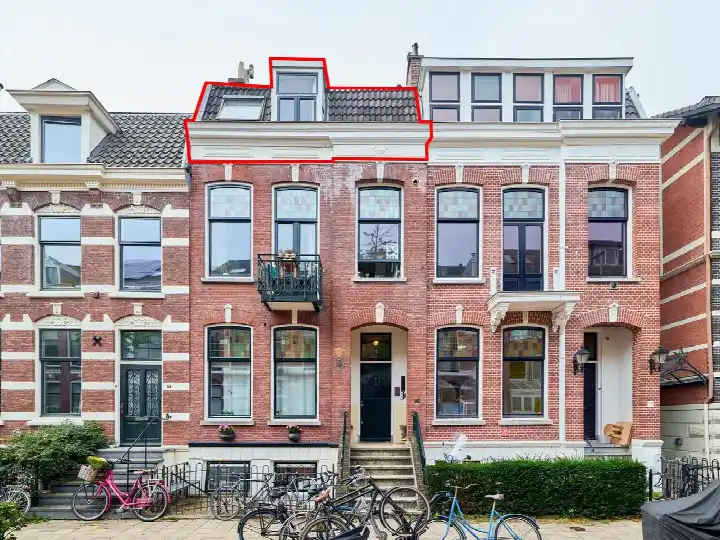
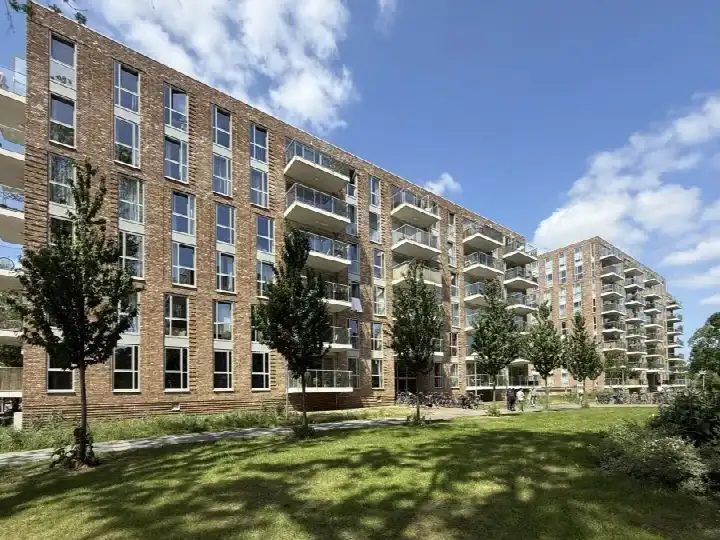
In Noordoost there are 18.155 homes with an average assessed value (WOZ) of €570.000. Of these, around 95% are occupied and 5% unoccupied. Most homes are owner-occupied. This amounts to 42% rental homes and 58% owner-occupied homes. Of the homes, 57% privately owned, 17% owned by housing associations and 26% owned by other landlords. The most common construction periods in Noordoost are 1900-1925 (20%) and 1925-1950 (17%).
There are currently no homes for sale in Noordoost. The most recently listed home is Poortstraat 95 by Rosenberg & Van Leusden Makelaars Utrecht op Funda. No homes were sold in Noordoost over the past year.
There are currently no homes for rent in Noordoost. The most recent home is Koekoekstraat 31R, offered by Your House Makelaardij op Funda. No homes were let in Noordoost over the past year.
No recent rental data available for Noordoost.
In Noordoost there are 12.216 addresses with a registered energy label. The most common labels are A (25%), C (21%) and D (14%). On average, an address in Noordoost uses 2.150 kWh of electricity per year. This is 16% below the national average of 2.550 kWh. With an annual consumption of 710 m³ per address, natural gas consumption is 11% below the national average of 800 m³.

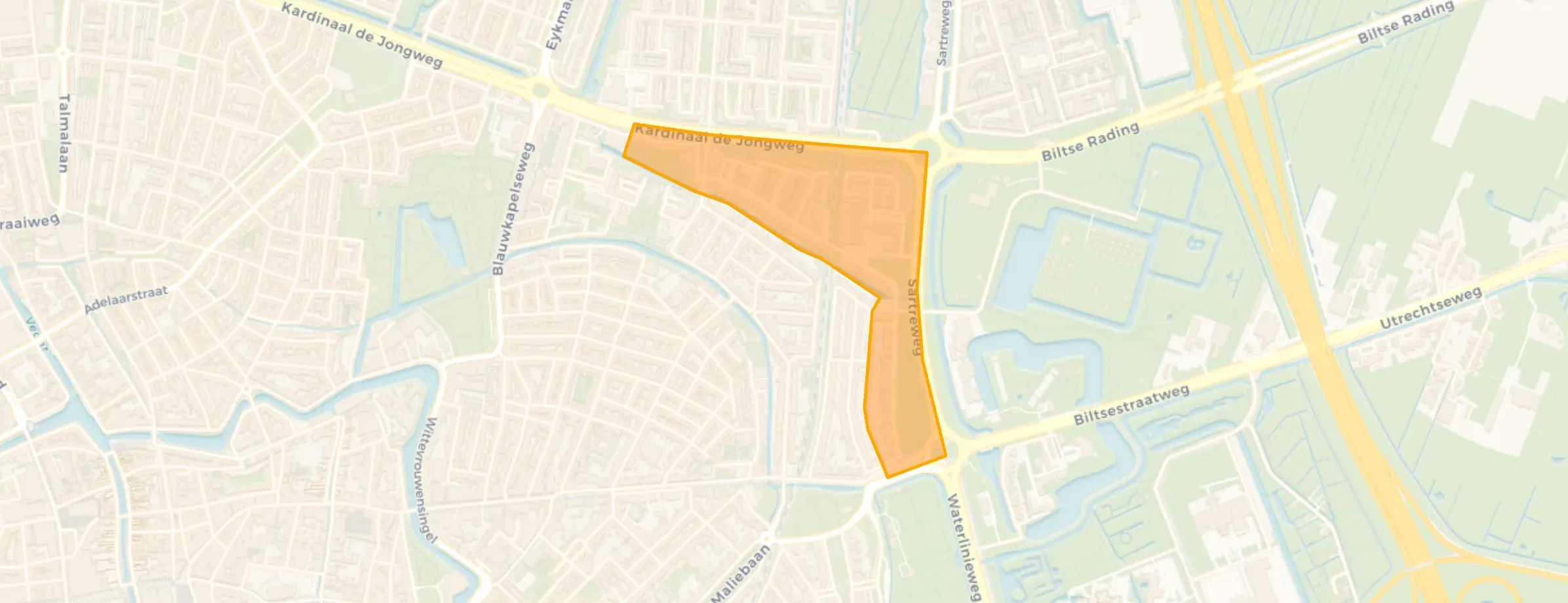

A fascist neighbourhood that claims to be left-wing. Poorly maintained streets. Everywhere there is vomit, glass, and rubbish. Dirty pavements, graffiti everywhere, every street suffers from a huge nuisance of students. Students overpopulate the area. No diversity, too expensive shops. Only rich white people. Social inequality is clearly visible here. 1000 metres away in Overvecht people have nothing, here in abundance. Full of snobs. Social housing is only 6 percent, deliberately sold off, all homes are being split: unliveable, too much noise, and expanded with extra floors. People earn an average of 6-10,000 per month and look like tramps. There is no cohesion, people are focused on themselves, all islands. The atmosphere is gone. It was once a beautiful neighbourhood, but yuppies, damn students and damn expats have turned it into a white enclave of coke-sniffing egotrippers.
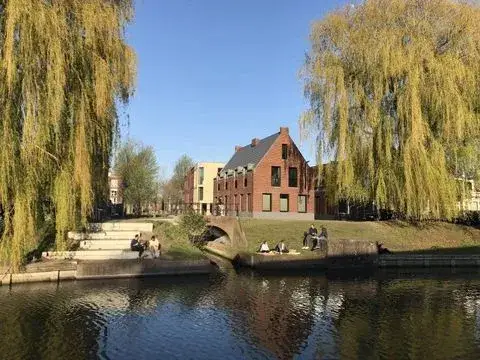
Auto-translated to English by AILiving so close to Griftpark was great fun to grow up in, and there are also often neighbourhood parties that make it all a lot closer.
Auto-translated to English by AIWhen I come to Voordorp, it really feels like a village. People look at you, say hello, children play in the street, and there's a lot of greenery. It's also car-free, which makes it nice and quiet on the street! Once there was a fight between a bunch of street youths, but I don't think they were from the neighbourhood. Because I hardly ever see people hanging around on the street, which I also like. My room is practically on the pavement and I never have any trouble with anyone. I also come from a village and was a bit afraid of the city's hustle and bustle, but it's not like that at all, so that's really great.
Auto-translated to English by AIVery safe and also mixed in terms of people. Supermarket and the city centre are a 5-minute walk or bike ride away. Although there are trees, there is more nature than in other places, but still not enough.
Auto-translated to English by AIArranges everything quickly, there are many people from your delivery time
Auto-translated to English by AIIt's a nice quiet neighbourhood to live in. Here and there some green spaces and playgrounds for children. There's a large supermarket in the area with a shopping centre around it that also has a chemist etc. There are 2 schools in the area, one of which has a less strong reputation, which already limits the choice. The area is easily accessible by car and bike, although the Zuilense ring sometimes gets congested. The bus connection is less good; the 55 goes past the area and the 4 goes through the area. Unfortunately, the 4 is not a reliable bus and if it doesn't come, you can wait half an hour for the next one. Sometimes there is still some rubbish on the street, especially around De Gaard. The large waste containers there really look a mess and have a lot of rubbish lying next to them. My neighbours are friendly. The area is quiet yet still in the city; within 10 minutes by bike you're in the city centre and within a few minutes by car you're on the motorway.
Auto-translated to English by AIThe neighbourhood is cosy, but there is also some nuisance from the Salvation Army hostel.
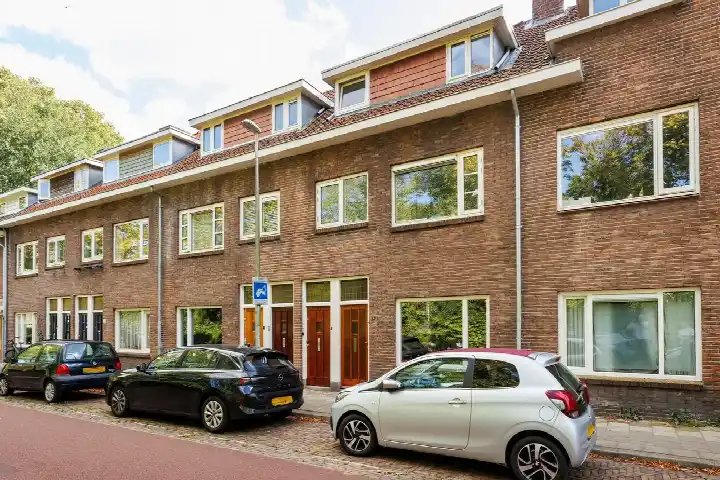
Auto-translated to English by AIThe housing stock is predominantly pre-war — 57% of the homes date from before 1945. In addition, the most common type is flats (56%).
Over the past year a home for sale in Noordoost was listed for an average of €592,197 (€6,669 per m²). That is 12% above the Dutch national average. Last quarter prices fell by 5%.
A rental home in Noordoost cost an average of €1,992 per month (€24 per m²).
Residents give Noordoost a 6.8 out of 10 based on 7 reviews. Accessibility stands out with a 7.4; nature and greenery lags behind with a 6.3.
Wijk Noordoost has 40,040 residents. The largest age group is 25 to 45 years (34%). Notably, 55% of the households are single-person households.
From Noordoost you can on average reach a supermarket at 0.7 km, a GP at 0.6 km, a railway station at 1.6 km, a primary school at 0.6 km (as the crow flies, source: CBS).
Right now you will find 174 homes for sale and 44 homes for rent in Noordoost.