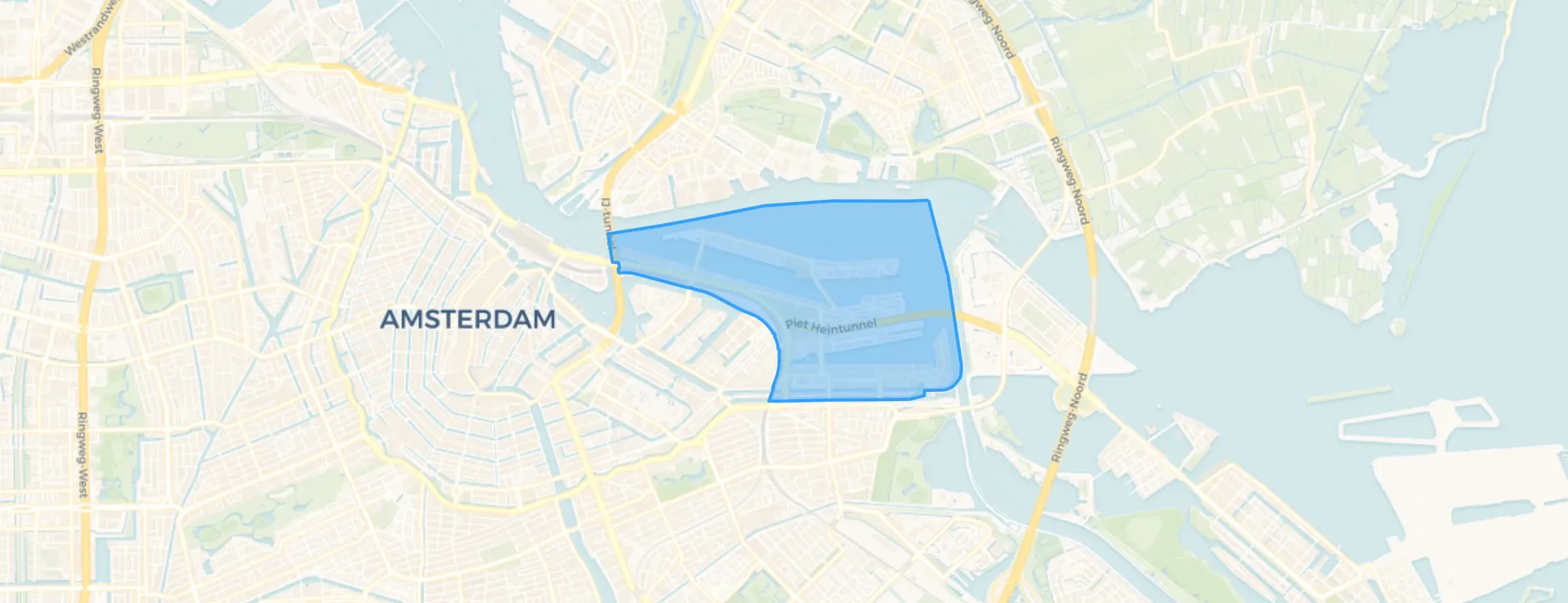
District in Amsterdam
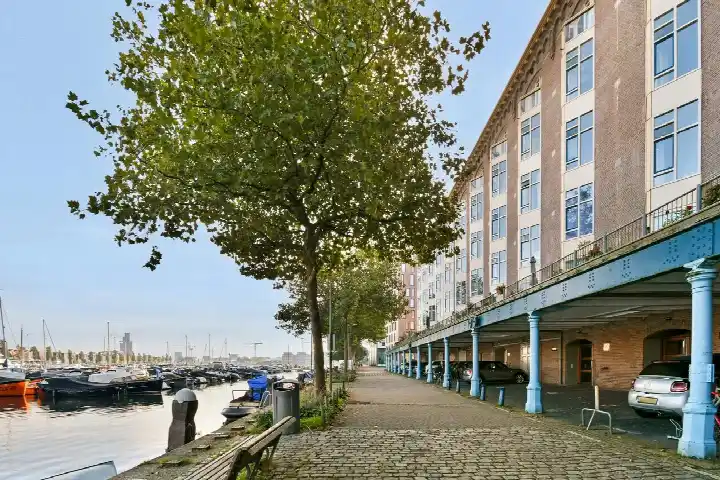
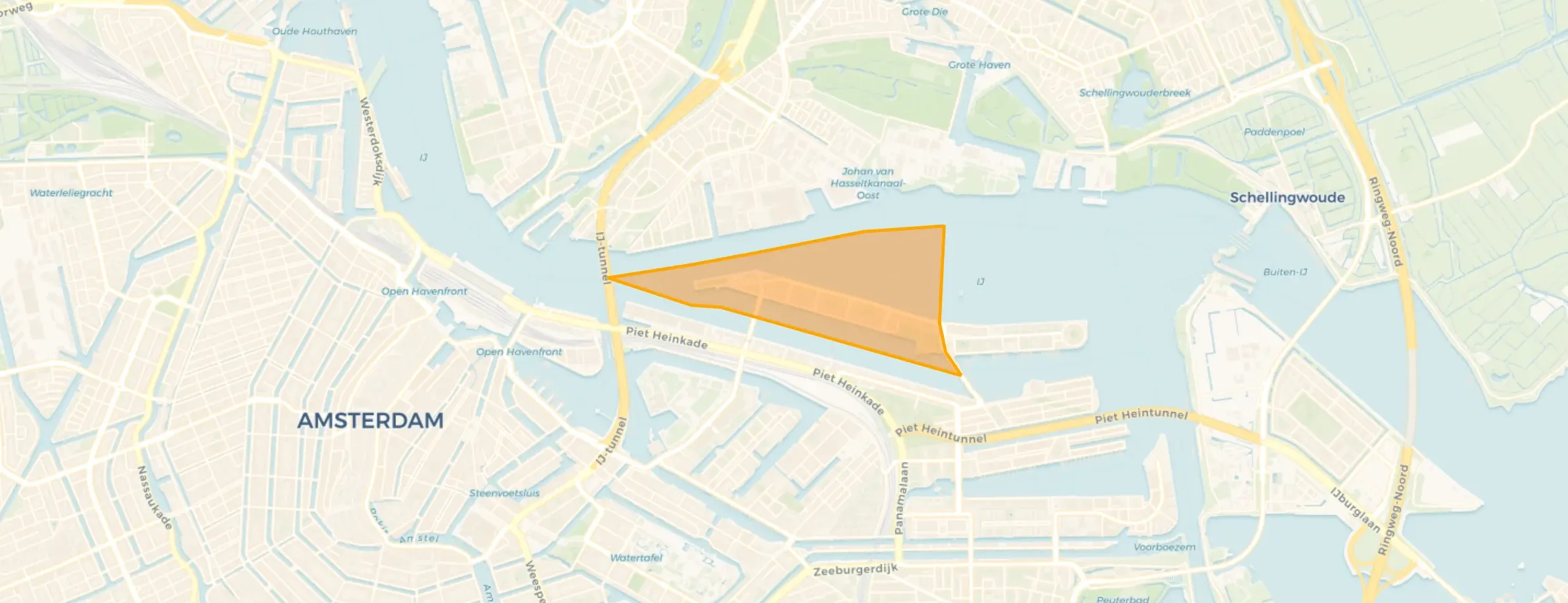
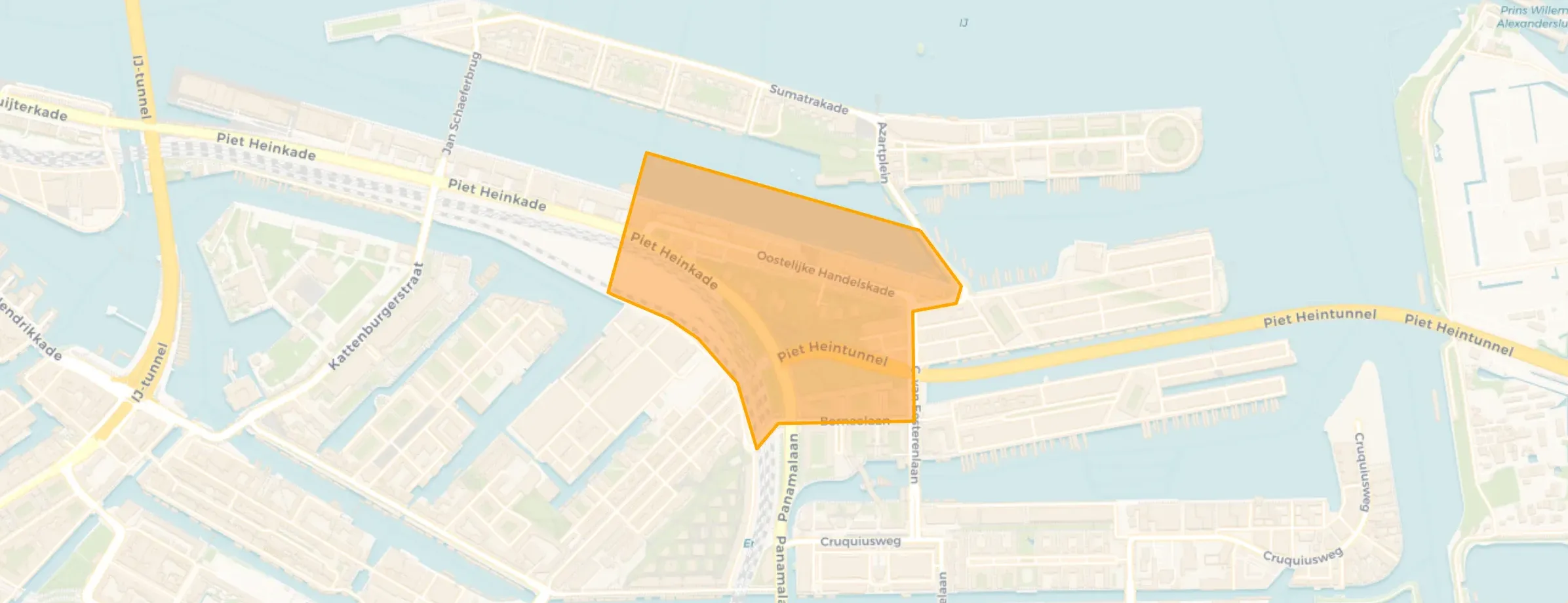
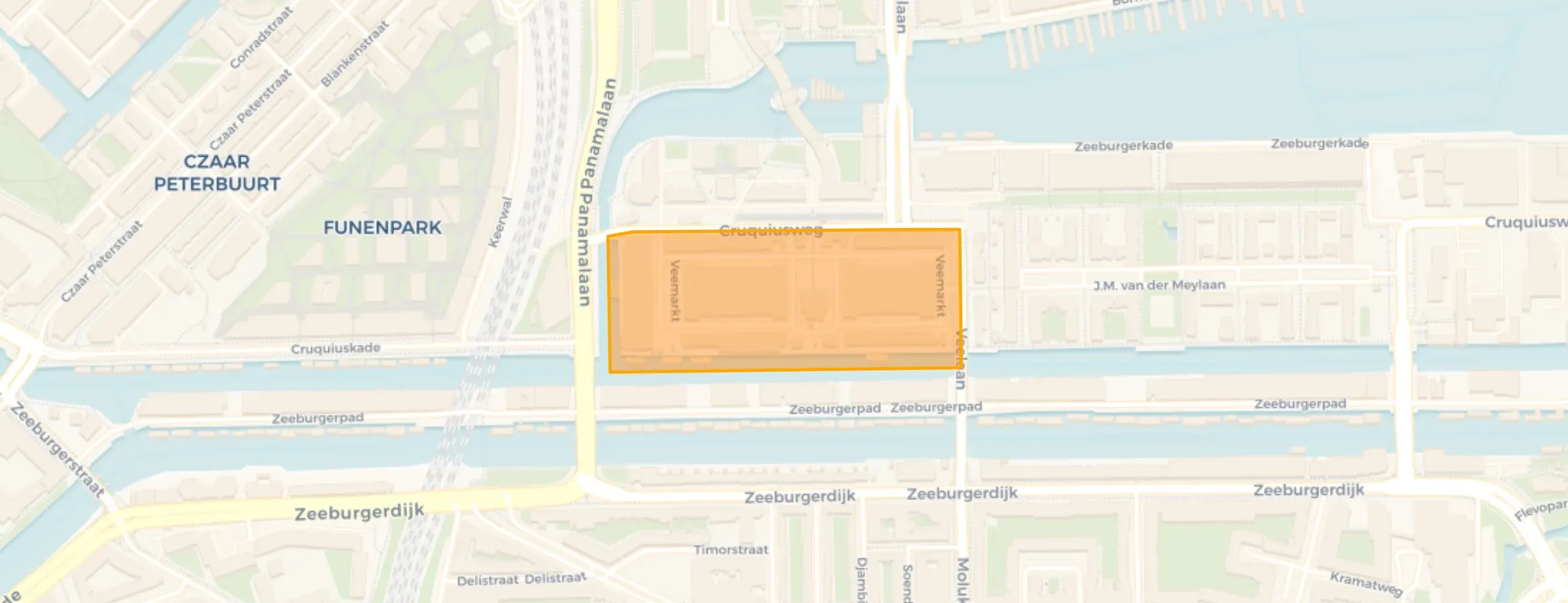
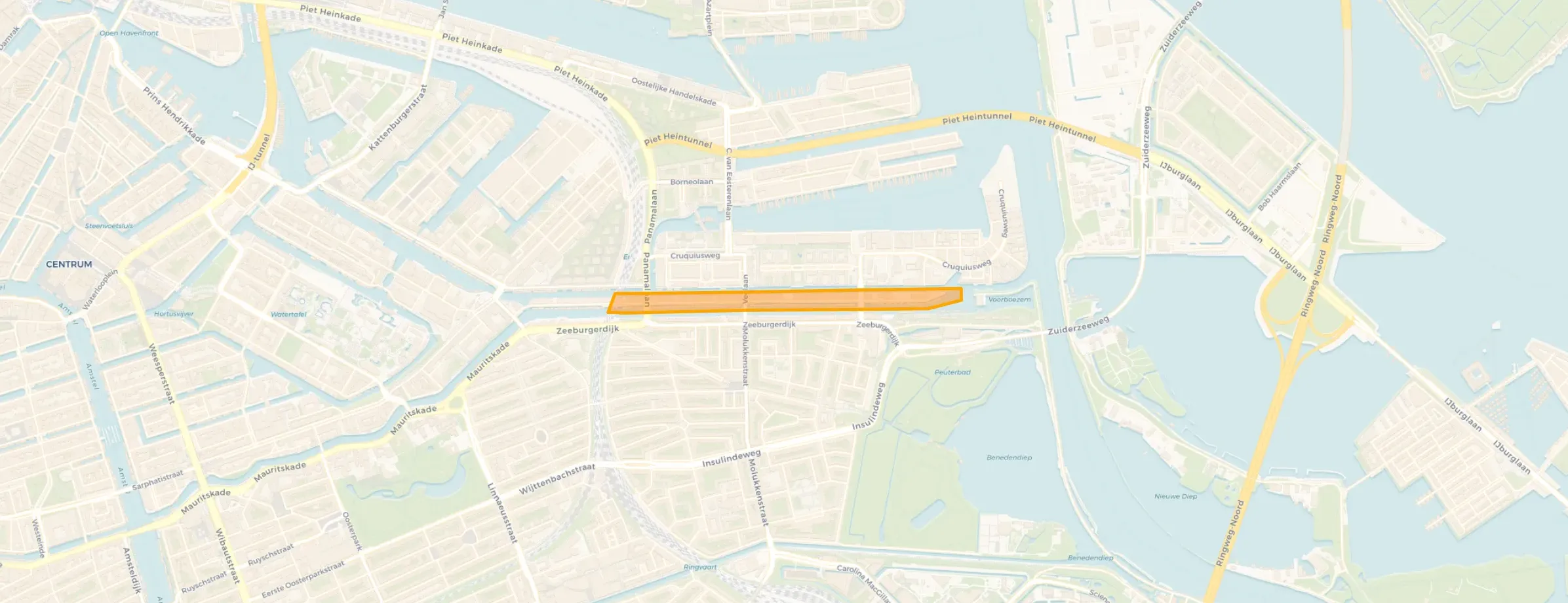
Oostelijk Havengebied is located in the province of Noord-Holland, in the municipality of Amsterdam The district has a total area of 363 hectares, of which 154 hectares are land and 209 hectares are water. The district is coded as WK0363MA. The postcode area is 1019AA-1019XZ.
Oostelijk Havengebied has 20.760 residents. Of these, 50,0% are men and 50,0% are women. Most residents are 25 to 45 years (34,9%). The other age groups are 29,9% for '45 to 65 years', 14,1% for '65 years or older', 11,2% for '0 to 15 years' and 9,8% for '15 to 25 years'. Of the residents, 63,2% is unmarried, 27,4% is married, 7,6% is divorced and 1,8% is widowed. 10.940 residents originate from the Netherlands, 3.790 come from Europe and 6.025 come from countries outside Europe.
There are 11.210 households in Oostelijk Havengebied. 46,5% of these are single-person households, 29,2% households without children and 24,3% households with children. The average household size is 1,8 persons. The national average is 2,1 persons.
In Oostelijk Havengebied there are 17.300 income recipients. The average income per income recipient is €60.200, which is €18.000 (43%) higher than the national average of €42.200. Per resident, the average income is €51.400, which is €16.500 (47%) higher than the national average of €34.900. Most residents of Oostelijk Havengebied are highly educated. 63,0% have a university or higher professional education (HBO/WO), 24,4% have an intermediate education (HAVO, VWO or MBO 2-4) and 12,6% have a lower education (VMBO or MBO 1).
Of the 20.760 residents, around 76% are in paid employment, which amounts to 15.778 people. This is 4% higher than the national average of 72%. The majority of workers are in salaried employment (76%), while 24% are self-employed. In Oostelijk Havengebied, 18% of residents receive a benefit. The largest group is those receiving a state pension (AOW). 2.500 people receive this benefit.
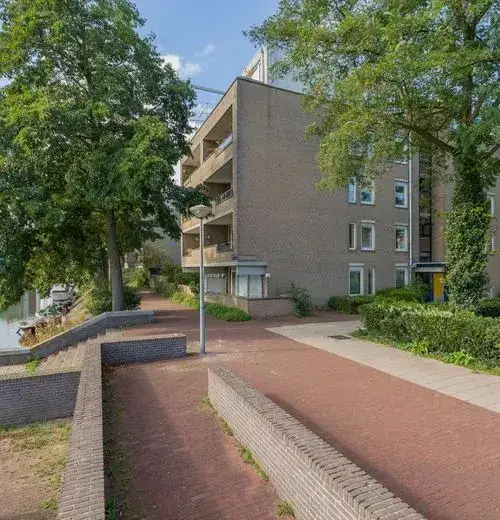
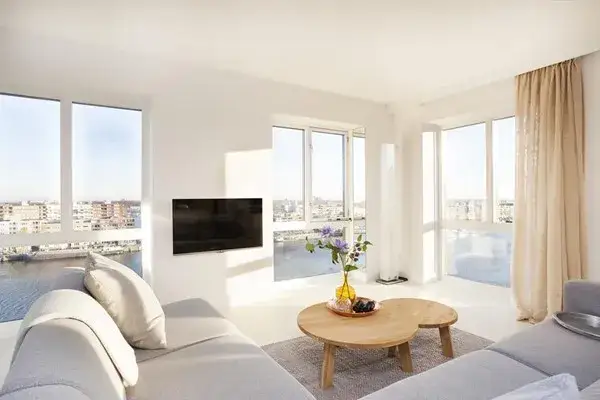
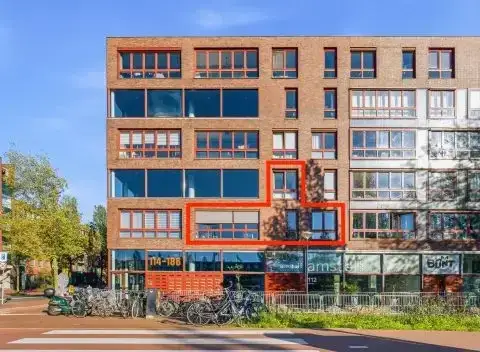
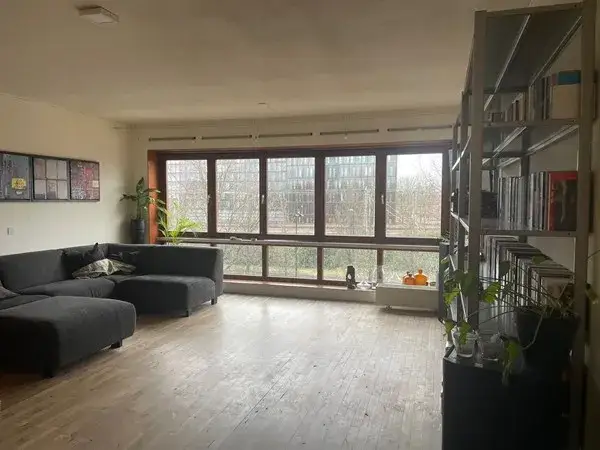
In Oostelijk Havengebied there are 10.585 homes with an average assessed value (WOZ) of €649.000. Of these, around 96% are occupied and 4% unoccupied. Most homes are rental properties. This amounts to 61% rental homes and 39% owner-occupied homes. Of the homes, 39% privately owned, 31% owned by housing associations and 30% owned by other landlords. The most common construction periods in Oostelijk Havengebied are 1990-2000 (40%) and 2000-2010 (26%).
There are currently no homes for sale in Oostelijk Havengebied. The most recently listed home is Sumatrakade 565 by Kolt Makelaardij. No homes were sold in Oostelijk Havengebied over the past year.
There are currently no homes for rent in Oostelijk Havengebied. The most recent home is Vluchtladderstraat 16, offered by vb&t Verhuurmakelaars. No homes were let in Oostelijk Havengebied over the past year.
No recent rental data available for Oostelijk Havengebied.
In Oostelijk Havengebied there are 9.075 addresses with a registered energy label. The most common labels are A (46%), B (16%) and A+ (15%). On average, an address in Oostelijk Havengebied uses 2.070 kWh of electricity per year. This is 19% below the national average of 2.550 kWh. With an annual consumption of 280 m³ per address, natural gas consumption is 65% below the national average of 800 m³.
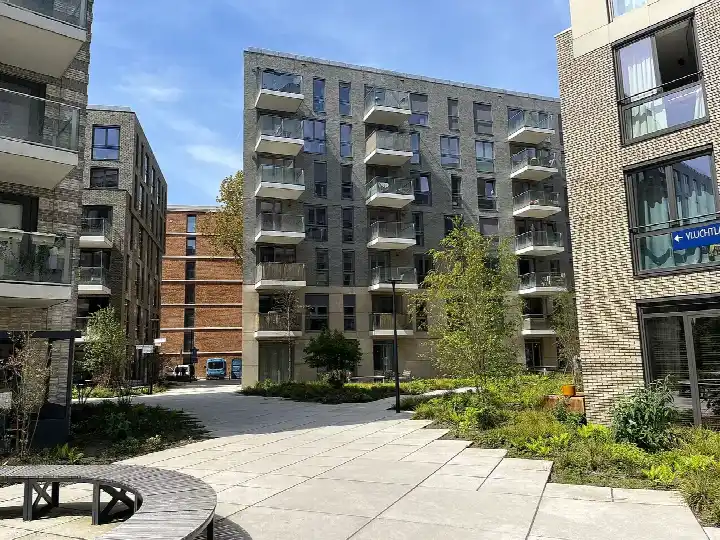
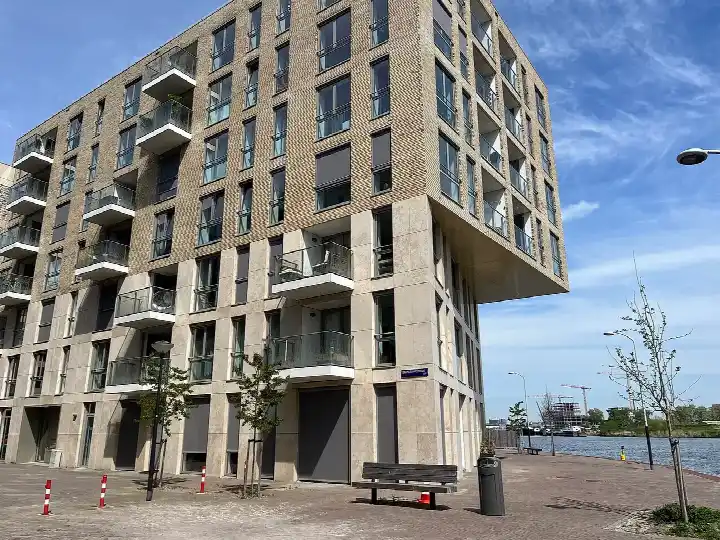
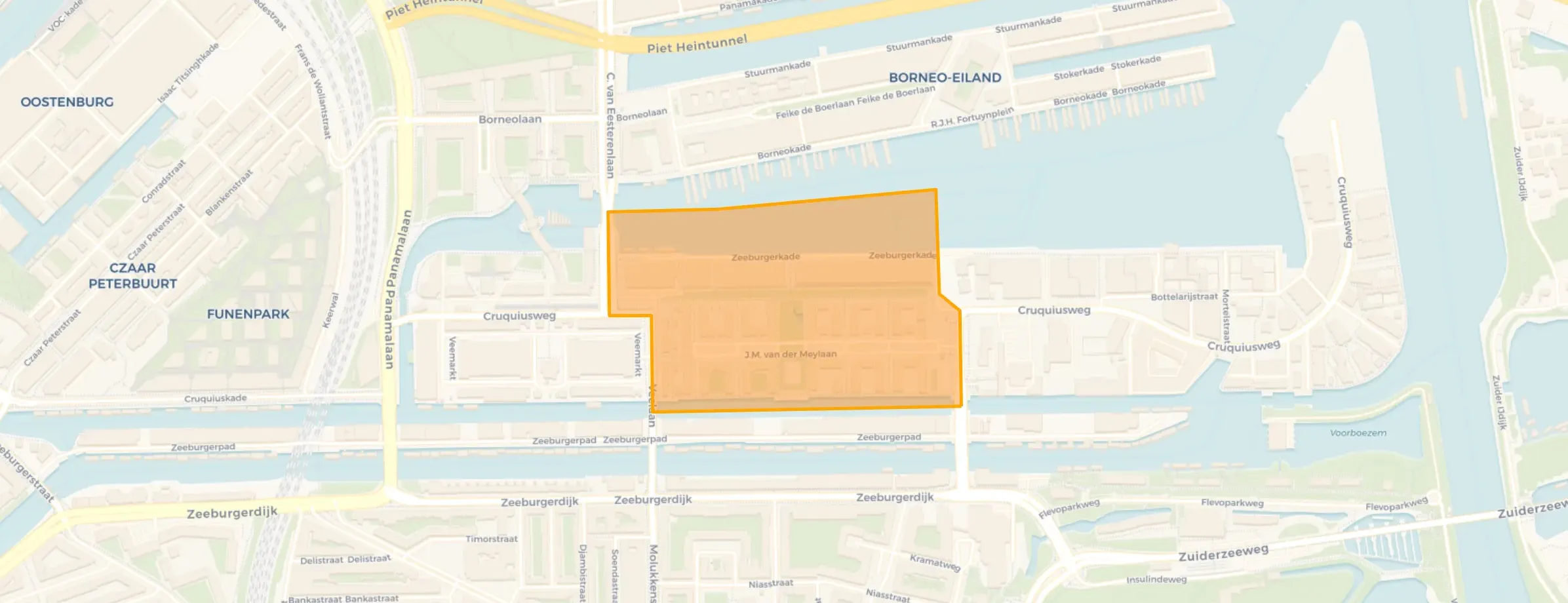

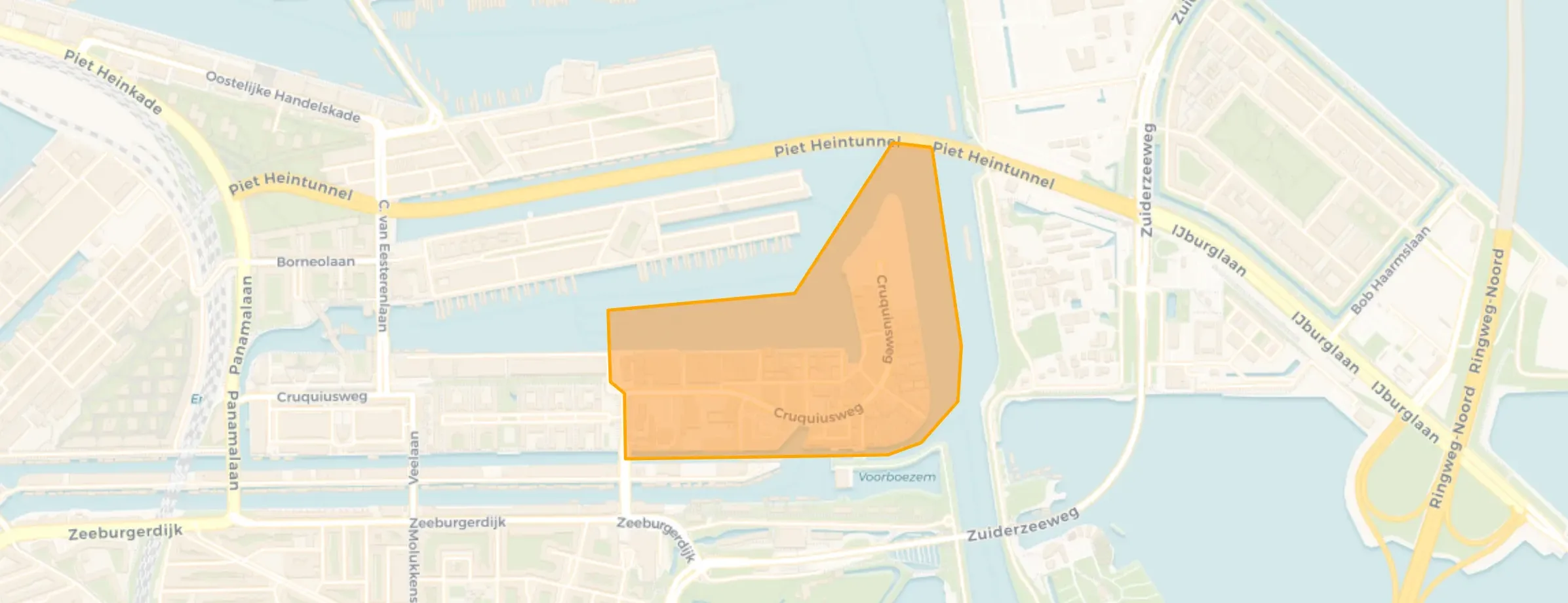
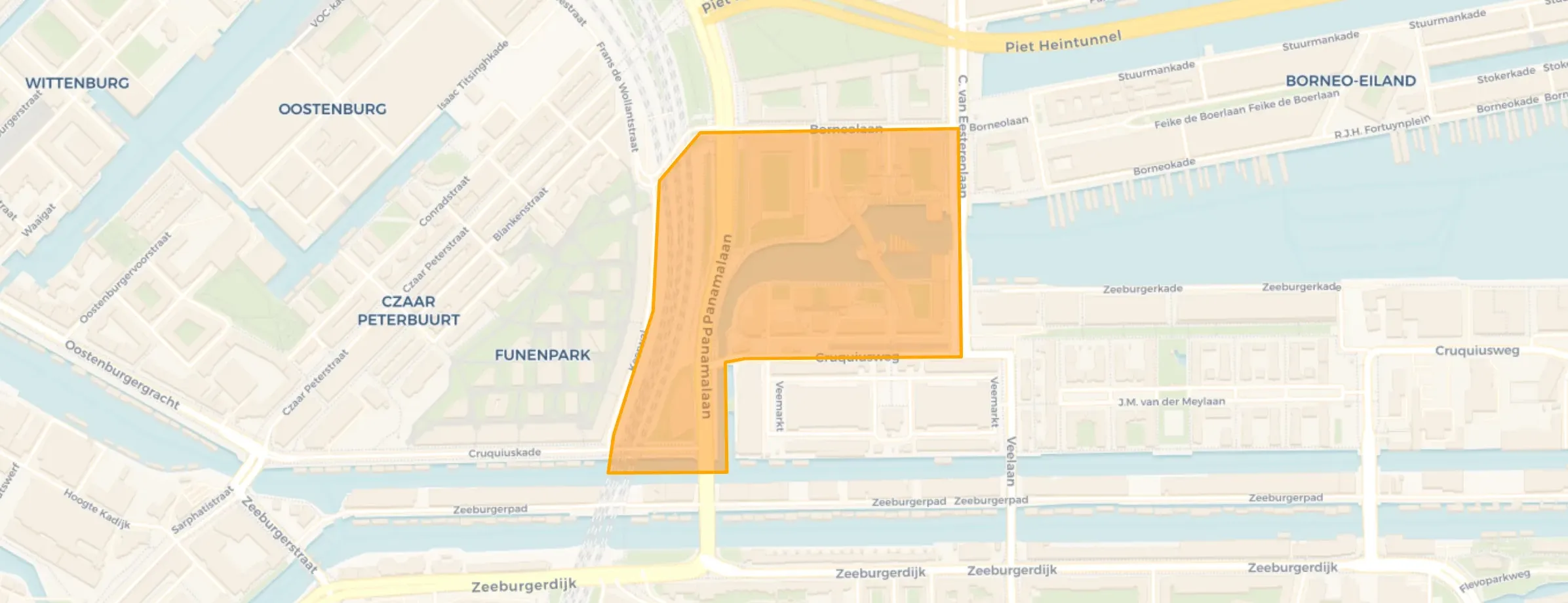


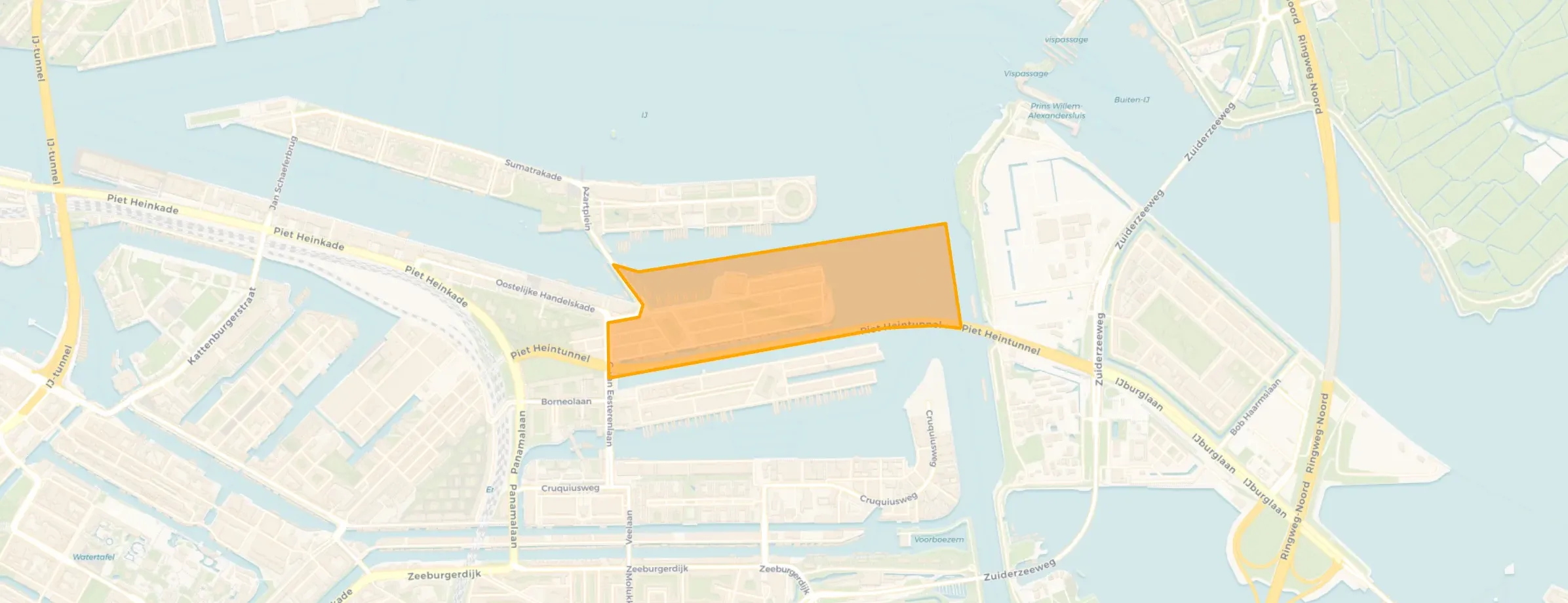
I find the Architectenbuurt in Amsterdam so lovely because it is a neighbourhood that immediately stands out due to its special layout and architecture. The houses are all designed with an eye for detail, and it's almost as if you're walking through an open-air museum. Each street has its own character, giving the neighbourhood a unique appearance. What I also really appreciate is the quiet and green environment. Despite being in Amsterdam, it feels spacious and calm here. The streets are wide, there are many trees, and there is plenty of space to sit outside or take a walk. Additionally, the contact with the neighbours is very pleasant. It feels like a real community where people know and help each other. When something is organised, like a neighbourhood drink or a small street party, everyone is enthusiastic. The location is also ideal. Within a few minutes you are in the bustling centre of Amsterdam or at the market, but in the Architectenbuurt you still have the peace and the feeling of home of a nice residential area.
Auto-translated to English by AIDiverse! Nice green spaces and attention for the neighbourhood. The first batch of residents are heading towards 60 and older. From new to dynamic. From rental to owner-occupied. I'm glad the (neighbourhood) children were able to grow up well here. Now I see them walking with their own children. Time doesn't stand still. Beautiful, nice little piece of Amsterdam. In the city and yet small. In terms of accessibility, there is only public transport via the Veelaan. At the 'back side' there is no transport, or you have to walk quite a long way to the tram. Especially if you live at the end of the Cruquisweg. I also miss the postboxes. On the cycle path, unfortunately, especially at the weekend, there is often shouting and yelling, possibly from the nightlife crowd. A night bus and regular bus would be really appreciated!
Auto-translated to English by AIThe municipality changed the streets 3 years ago, lots of electric car charging points, lots of greenery but neglected. They promised to put back the playgrounds they removed. Well, fighting for 2 years now, no playground and every time they promise. Also a general disabled parking spot we still don't have. We no longer go to the information days because nothing comes of it anyway. Now the playgrounds are used for parking, which is not allowed but they don't care.
Auto-translated to English by AII've lived here since 1989. Watching the neighbourhood grow and rise. There are changes. Improvement but also a lot of commerce. Rental homes being converted into exorbitantly expensive apartments. There is a sense of togetherness, but mainly among the old guard residents. The surroundings have certainly improved in terms of greenery. There could be a few more amenities. Low-threshold hospitality, a bus connection, letterboxes again. I hope to be able to live here for a long time yet.
Auto-translated to English by AIInnovative yet familiar. I've lived here for over 35 years and have seen the neighbourhood being built. Many changes. Not always positive, but a lot is done to make it pleasant. It's a mix of cultures, education, etc. A neighbourhood where I hope to stay for a long time. So nice that my grandchildren also enjoy playing here. The municipality and housing associations invest in and maintain the buildings and properties. There are schools in the neighbourhood, a supermarket, nice eateries. A bus connection and postboxes would be welcome again. This neighbourhood where I live (from Veelaan to the end of Cruquisweg) often gives me a kind of glamour feeling. I feel at home here.
Auto-translated to English by AIIt's a beautiful and safe neighbourhood, with many young families. There are many amenities nearby.
Auto-translated to English by AIDecent enough, a bit boring sometimes
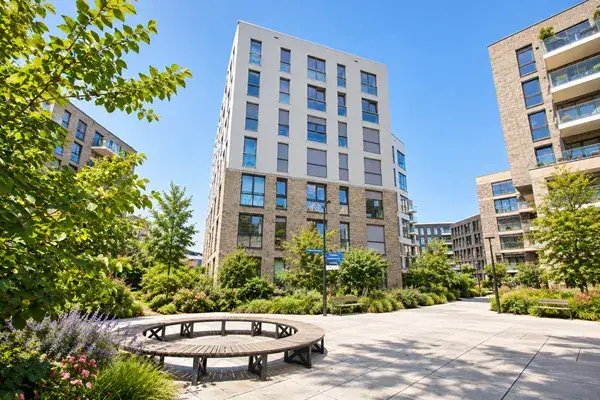
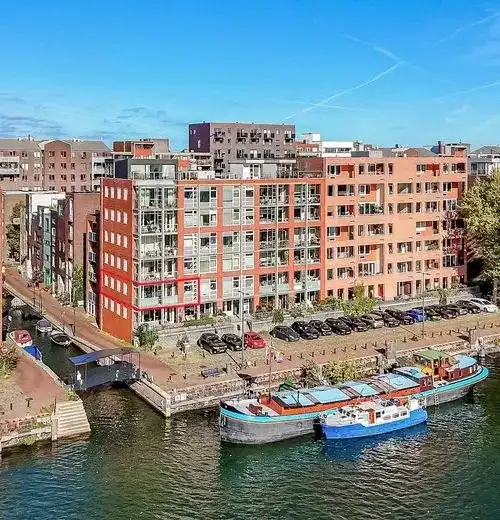
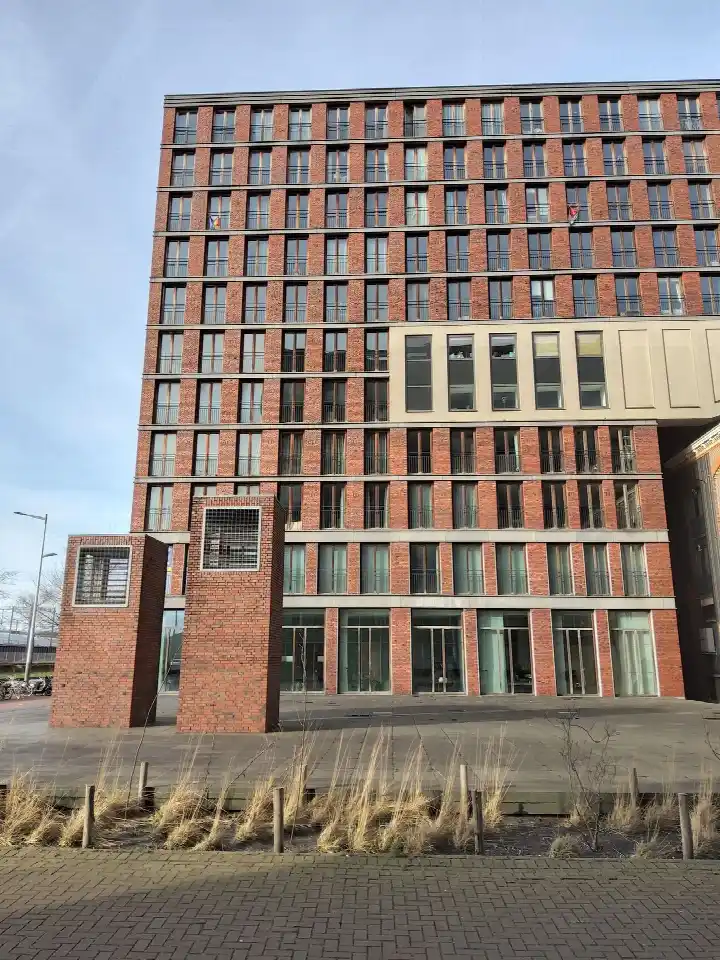
Auto-translated to English by AIThe housing stock is relatively young — 89% dates from after 1990. In addition, the most common type is flats (93%).
Over the past year a home for sale in Oostelijk Havengebied was listed for an average of €705,272 (€7,987 per m²). That is 33% above the Dutch national average. Last quarter prices fell by 12%.
A rental home in Oostelijk Havengebied cost an average of €2,358 per month (€25 per m²).
Residents give Oostelijk Havengebied a 7.5 out of 10 based on 7 reviews. The strongest score is for safety (8.3), the weakest for accessibility (6.4).
Wijk Oostelijk Havengebied has 20,760 residents. The largest age group is 25 to 45 years (35%).
The housing supply in Oostelijk Havengebied is remarkably efficient: 87% has an A, A+ or B label. The average natural gas consumption per household is 280 m³ per year.
From Oostelijk Havengebied you can on average reach a supermarket at 0.9 km, a GP at 0.8 km, a railway station at 2.2 km, a primary school at 0.6 km (as the crow flies, source: CBS).
Right now you will find 125 homes for sale and 111 homes for rent in Oostelijk Havengebied.