Rental homes in Begijnhofbuurt, Amsterdam
View the current rental property supply in Begijnhofbuurt, Amsterdam. Compare prices, surface area and neighbourhood data to find the right rental property.
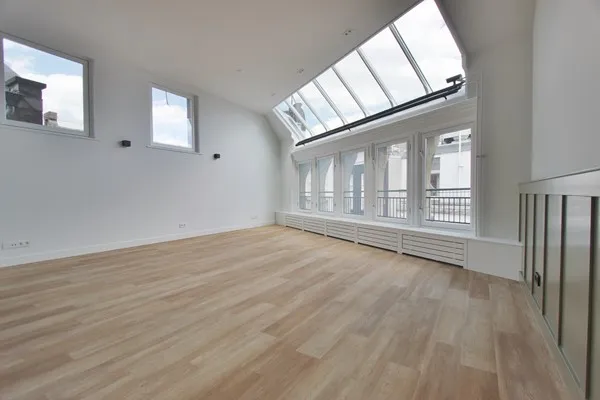
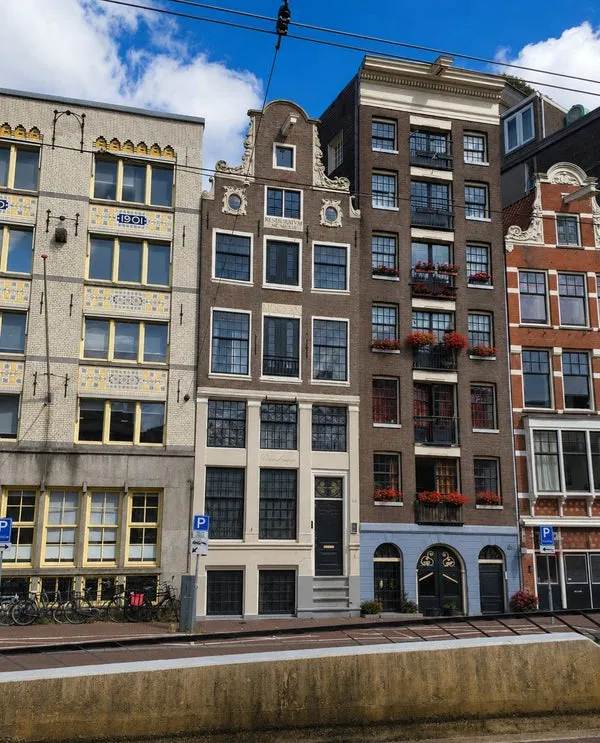

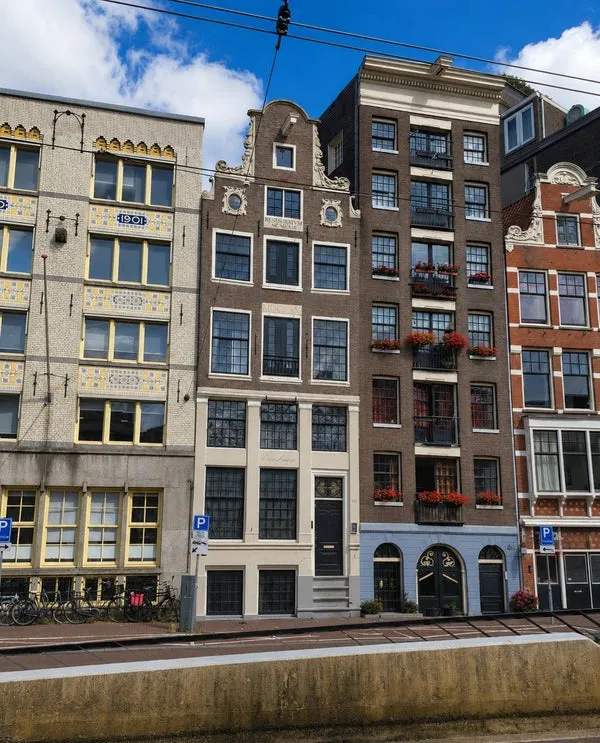
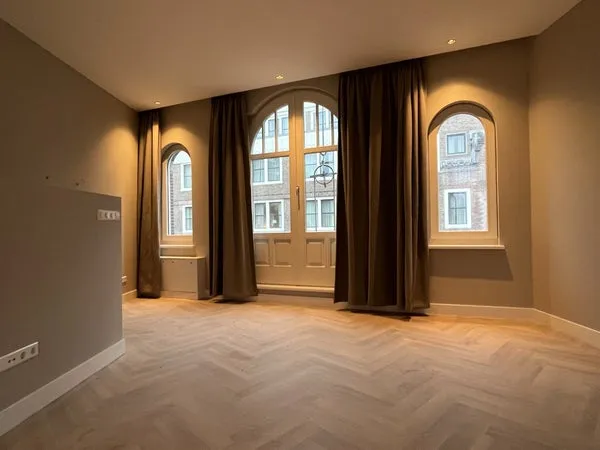
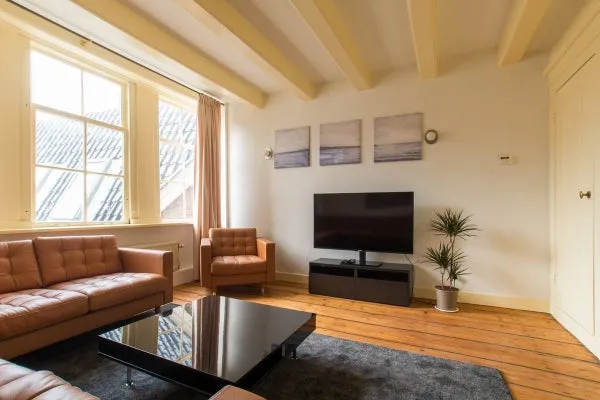
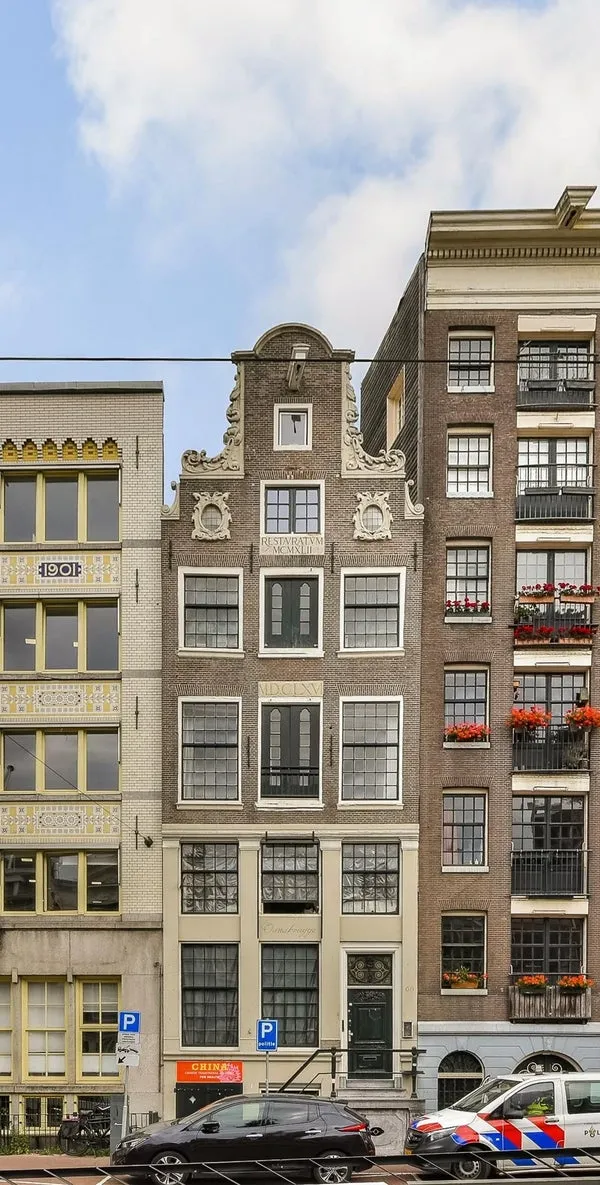
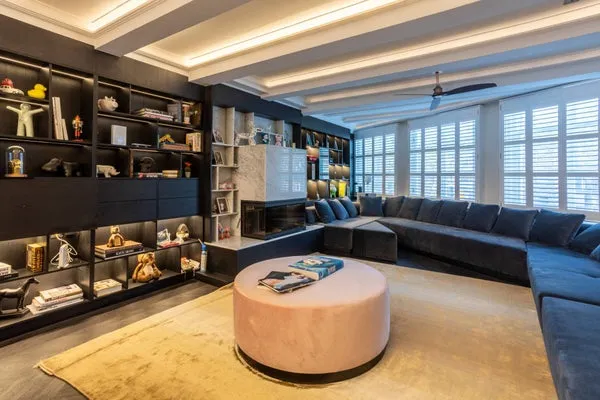
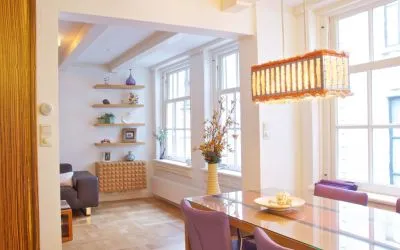
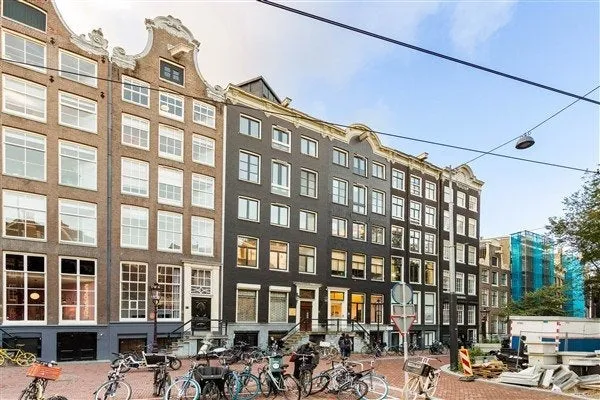
Rental prices and market figures for Begijnhofbuurt, Amsterdam
Begijnhofbuurt is a neighbourhood where almost everyone rents: 90% of the 353 homes are rental properties, only 9% are owner-occupied. Strikingly, only 1% is owned by a housing association. The remaining 89% is rented out by private and institutional landlords, meaning virtually the entire supply is in the free sector. Social housing is therefore extremely scarce here.
The average rent in the free sector over the past year was €2,908 per month, with a range from €1,153 to €4,000. With an average floor area of 92 m², this works out to around €31.60 per square metre. That is steep, but fitting for a location in the historic heart of Amsterdam. The WOZ value of €499,000 is slightly below the average for the district of Burgwallen-Nieuwe Zijde (€535,000) and also below the Amsterdam average of €517,000. The average income of €39,700 is also lower than the district average of €44,300, which is linked to the large share of young adults and single-person households. Check the current daily prices and available rental properties in Begijnhofbuurt at the top of this page.
Living in Begijnhofbuurt, Amsterdam
Begijnhofbuurt is one of the most special places to live in all of Amsterdam. The Begijnhof itself, a secluded medieval courtyard hidden behind Kalverstraat and Spui, gives the neighbourhood its name and character. Living here means you are literally in the centre of the city, yet you experience a surprising tranquillity as soon as you step into the courtyard or the narrow side streets off Spui. The buildings are predominantly historic: narrow canal houses, monumental façades and compact apartments from various centuries. You will hardly find any new-build here. Most rental properties are apartments in old buildings, often with steep stairs and limited floor space, but with plenty of character.
Amenities around the Begijnhof
Daily shopping can be done within walking distance. The Albert Heijn on Koningsplein and the Dirk van den Broek on Nieuwezijds Voorburgwal are reachable within five minutes. On Spui you will find the famous book market (every Friday) and the flower market on Singel is just around the corner. There is an abundance of hospitality venues: from brown cafés on Spui to restaurants on Kalverstraat and Nes. There are no specific schools within the neighbourhood (virtually no children live here: 0 residents under 15), but primary schools such as De Kring and De Witte Olifant in the Jordaan and Grachtengordel are within cycling distance. GPs, pharmacies and physiotherapists are spread across the city centre. Sports facilities are limited in the immediate vicinity, but gyms like Vondelgym and Basic-Fit are within a fifteen-minute walk. Vondelpark is a ten-minute bike ride away for those who want to run or relax.
Accessibility from Begijnhofbuurt
Accessibility is excellent. Tram stop Spui is practically on your doorstep, with lines 2, 11 and 12 heading to Amsterdam Centraal, De Pijp and Amstelveen. Metro station Rokin (North/South line) is a three-minute walk away and takes you to Zuid or Noord in a quarter of an hour. Amsterdam Centraal is a ten-minute walk away. By car, it is a different story: the neighbourhood lies in a zone with very limited parking options. Street parking here costs around €7.50 per hour and there is a long waiting list for a parking permit. The nearest car park is Parking Centrum Byzantium on Tesselschadestraat. For cyclists, the location is ideal: everything in the centre is reachable within ten minutes. More information about parking and permits can be found on the website of the municipality of Amsterdam.
Atmosphere and residents
Begijnhofbuurt has only 475 residents, more than half of whom are between 25 and 45 years old. As many as 285 households are single-person and only 8% are married. This is a neighbourhood of single professionals, expats and young workers. 68% are highly educated. The atmosphere is cosmopolitan yet intimate: you know your neighbours on the staircase, but the streets are dominated by tourists and shoppers during the day. In the evening, calm returns. Residents particularly appreciate the central location and historic appearance. A frequently heard comment in the reviews on the Begijnhofbuurt neighbourhood page: "You live in the most beautiful spot in Amsterdam, but you have to be able to handle the crowds." That sums it up well: the tourist pressure during the day is the biggest drawback, along with the high rents and limited space in the homes.
Compared to neighbouring areas such as Spuistraat-Zuid and the area around the Nieuwe Kerk, Begijnhofbuurt is slightly quieter due to the enclosed character of the courtyard, but rents are at a similarly high level. Those looking for a bit more bustle can check out Hemelrijk, closer to Warmoesstraat.
Is Begijnhofbuurt right for you as a tenant?
A rental home in Begijnhofbuurt is particularly interesting for single professionals, expats and young professionals who want to live centrally and are willing to pay a high rent for it. With an average rent of nearly €2,900 per month in the free sector, renting an apartment in Begijnhofbuurt is only feasible with an above-average income. Social housing is virtually unavailable with 1% housing association ownership; you can register with WoningNet, but expect years of waiting. Tip: respond quickly to new properties becoming available in this neighbourhood, as supply is small and demand is high. Prepare your documents (employer's statement, payslips, ID) in advance. Also consider owner-occupied homes in Begijnhofbuurt as an alternative, although supply there is even more limited.
What residents say about Begijnhofbuurt
Residents of Begijnhofbuurt are generally positive about the unique location and historic character. The central location and proximity to shops, hospitality venues and public transport score highly. Criticism focuses mainly on the tourist crowds during the day, noise nuisance at weekends and the high cost of living. "I've lived here for three years now and it still feels special to walk home through the Begijnhof, but on Saturdays you sometimes have to push through walls of tourists," says one resident. View all ratings and scores per category on the Begijnhofbuurt neighbourhood page.
Compare rental properties in Begijnhofbuurt with surrounding neighbourhoods
Are you considering renting a home in Begijnhofbuurt but still unsure? Then also compare with surrounding neighbourhoods. Spuistraat-Noord offers a similar central location with slightly more hospitality and nightlife. In the Jordaan you will find more family-friendly streets and a village-like character, while Grachtengordel-West is a quieter alternative with monumental canals. For a broader overview of the rental supply in the city, you can visit the complete supply in Amsterdam. Buurtje.nl combines current property listings with neighbourhood scores, resident reviews and data from more than 1,500 sources, so you not only find a home but also the neighbourhood that truly suits you.
Frequently asked questions
What is the average rent in Begijnhofbuurt, Amsterdam?
The average rent in the free sector in Begijnhofbuurt is €2,908 per month, based on 59 rented homes in the past year. The range runs from €1,153 to €4,000 per month, with an average area of 92 m² (approximately €31.60 per m²). Social housing is scarce (1% housing association ownership) and significantly cheaper, but almost unavailable.
Are there social housing units in Begijnhofbuurt?
Only 1% of homes in Begijnhofbuurt are owned by a housing association. Social housing is therefore virtually non-existent here. Those who qualify can register with WoningNet, but waiting times in Amsterdam city centre can exceed ten years. The remaining 89% of rental homes are from private or institutional landlords in the free sector.
What is it like to live in Begijnhofbuurt?
Living in Begijnhofbuurt means living in one of the most historic spots in Amsterdam, near the Spui and Kalverstraat. Residents appreciate the unique atmosphere and central location, but also mention the tourist crowds during the day and noise pollution at weekends as drawbacks. The neighbourhood has only 475 residents, mainly single professionals aged 25 to 45.
Is Begijnhofbuurt suitable for single professionals and expats?
Yes, Begijnhofbuurt is particularly a neighbourhood for single professionals and expats. Over 60% of households are single-person, 68% of residents are highly educated, and the majority are between 25 and 45 years old. The central location, proximity to public transport, and international character make it attractive for workers with above-average incomes. For families with children, the neighbourhood is less suitable: there are virtually no children.
How accessible is Begijnhofbuurt?
Accessibility is very good. Tram stop Spui (lines 2, 11, 12) is right on the doorstep, and metro station Rokin (North/South line) is a three-minute walk. Amsterdam Central Station is a ten-minute walk away. Parking by car is difficult and expensive: street parking costs around €7.50 per hour and permits have long waiting lists. By bike, everything in the centre is within ten minutes.
What amenities are there in and around Begijnhofbuurt?
In the immediate vicinity you will find supermarkets such as Albert Heijn (Koningsplein) and Dirk van den Broek (Nieuwezijds Voorburgwal), the flower market on the Singel and the book market on the Spui. Hospitality venues are abundant. Schools and sports facilities are just outside the neighbourhood, in the Jordaan and Grachtengordel. GPs and pharmacies are within walking distance in the centre.
How quickly are rental homes let in Begijnhofbuurt?
Rental homes in Begijnhofbuurt go quickly due to the sought-after central location and limited supply of 353 homes in total. Check the current average rental time in days at the top of the page. Tip: prepare your documents (employer's statement, payslips, ID) in advance and respond immediately when a home becomes available in this neighbourhood.