Rental homes in Czaar Peterbuurt, Amsterdam
Discover the current rental property supply in Czaar Peterbuurt and compare prices, neighbourhood data and resident reviews directly on this page.

Rental prices and market figures for Czaar Peterbuurt, Amsterdam
Czaar Peterbuurt is a predominantly rental neighbourhood: over 77% of the housing stock consists of rental properties, compared to 23% owner-occupied homes. This makes it one of the more affordable entry points in the eastern harbour area, although private sector prices have also risen sharply here. In the past twelve months, 38 private sector homes were rented out at an average rent of €2,576 per month, with a range of €925 to €4,750 per month. With an average surface area of 74 m², this works out to about €35 per m² per month. Note: these are exclusively private sector homes; social housing is not included.
The average WOZ value is €432,000, which is clearly lower than the district average of Oostelijke Eilanden/Kadijken (€525,000) and the Amsterdam average of €517,000. This lower WOZ level partly translates into slightly more affordable rents compared to neighbourhoods like Kadijken or Marine-Etablissement. About 52% of homes are owned by housing corporations, meaning a large part of the rental market consists of social housing. Some 25% fall under other (private) landlords. For the current average rent and rental periods, you can refer to the overview at the top of this page.
Living in Czaar Peterbuurt, Amsterdam
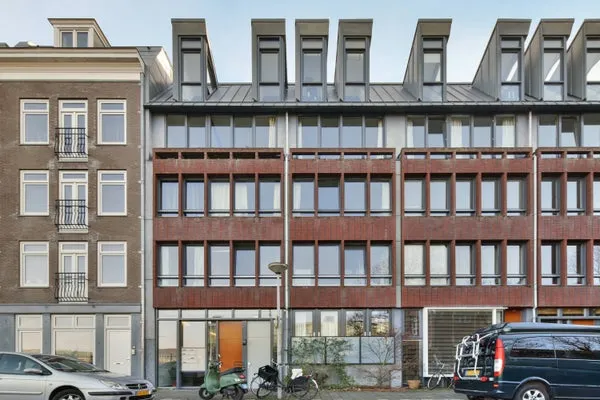
Czaar Peterbuurt is nestled between the IJ and Czaar Peterstraat, and has a character you won't find anywhere else in Amsterdam. The neighbourhood is named after the Russian Tsar Peter the Great, who arrived here incognito in 1697 to study shipbuilding techniques. This maritime past is still palpable in the street names and the atmosphere along the water. It is a compact, densely built neighbourhood with a mix of 19th-century workers' homes, early 20th-century apartment buildings, and a handful of newer apartment complexes along the quay. The homes are generally smaller in size, making the neighbourhood popular with singles and couples. Of the approximately 2,355 residents, the largest group is between 25 and 45 years old, and more than half of households consist of a single person.
Facilities in Czaar Peterbuurt
For daily groceries, you go to Czaar Peterstraat itself, where there is an Albert Heijn and smaller specialist shops. For a larger selection, Javastraat is within walking distance, one of the liveliest shopping streets in Amsterdam-Oost with an international mix of shops, bakeries and eateries. Children in the neighbourhood attend primary schools in the immediate vicinity, including schools in the adjacent Kadijken and on Wittenburg. Flevopark, a bike ride away, offers space for sports and relaxation. Along Entrepothaven and Dijksgracht, there are walking and running routes directly from the neighbourhood. The hospitality industry is concentrated around Czaar Peterstraat and nearby Kattenburgerstraat, with a mix of brown cafes, coffee shops and small restaurants.
Accessibility
Czaar Peterbuurt is well served by public transport. Tram 26 runs via Czaar Peterstraat towards Central Station, which you can reach in about ten minutes. Several bus lines connect the neighbourhood with Amsterdam-Noord and Amsterdam-Oost. By bike, you can reach the city centre in a quarter of an hour, via quiet routes along the IJ or through the Plantagebuurt. By car, the A10 is accessible via the S114 (Piet Heinkade), which provides relatively good access to the ring road. Parking here is only possible with a resident's permit, and waiting lists are long. If you have a car, you need to take that seriously.
Residents appreciate the neighbourhood for its authenticity and location on the water, but are also honest about the downsides. A resident on the Czaar Peterbuurt neighbourhood page describes it as follows: "Quiet by Amsterdam standards, but you notice the neighbourhood is changing. More tourists, higher rents, but luckily the atmosphere is still down-to-earth and community-oriented." Compared to the nearby Kadijken, which has a somewhat more polished character, Czaar Peterbuurt still feels a bit rougher around the edges, which for some tenants is precisely the charm. Wittenburg and Oostenburg are neighbouring areas that have more new-build homes and thus offer a different living profile.
Is renting in Czaar Peterbuurt right for you?
Czaar Peterbuurt mainly attracts young professionals and creative starters who love urban living without wanting to be in the most expensive neighbourhoods of Amsterdam. With 53% highly educated residents and an average income of €39,500 (lower than the Amsterdam average of €44,276), it is a neighbourhood where people consciously choose location and atmosphere over space. For families, the supply is more limited due to the smaller homes and the limited number of larger apartments for rent. Social tenants would do well to register via WoningNet, the platform of Amsterdam housing corporations, but should expect long waiting lists. Private sector homes are usually rented out quickly; check the current rental period at the top of the page. Make sure you have documents such as payslips and employer statements ready. Those considering buying can also look at the supply of homes for sale in Czaar Peterbuurt, although the supply there is limited at 23% of the stock.
What residents say about Czaar Peterbuurt
Based on resident reviews, Czaar Peterbuurt scores well on atmosphere and location, but less on parking and the pressure of rising rents. One resident writes: "The neighbourhood still has a real community feel, something that is becoming increasingly rare in Amsterdam. People know each other, there are regular local pubs, and the water is always close by." Residents are less positive about parking pressure and the increasing number of tourists in the summer months. View all ratings and scores per category on the Czaar Peterbuurt overview page.
Compare rental homes in and around Czaar Peterbuurt
If you are considering a rental home in Czaar Peterbuurt but are also curious about the surroundings, you can easily compare with neighbouring areas. Het Funen offers more modern new-build apartments and is slightly greener in layout. Kattenburg is more compact and quieter, while Kadijken has more hospitality venues and slightly higher rents. For a broader picture of available rental homes in the region, you can also look at the supply of rental homes in Oostelijke Eilanden/Kadijken or the overall overview of rental homes in Amsterdam. Buurtje.nl combines current housing supply with resident reviews and neighbourhood data, so you not only find a home but also know whether the neighbourhood suits you. If you are looking for a lively alternative elsewhere in the city, also check out the Jordaan or the Haarlemmerbuurt.
Frequently asked questions
What is the average rent in Czaar Peterbuurt, Amsterdam?
In the free sector, an average of €2,576 per month was paid for a rental home in Czaar Peterbuurt over the past twelve months, with an average floor area of 74 m². This amounts to approximately €35 per m² per month. Rents ranged from €925 to €4,750 per month. Social housing, which accounts for more than half of the housing stock, is significantly cheaper but only available through registration with a housing association.
Are there social housing units in Czaar Peterbuurt?
Yes, about 52% of the housing stock in Czaar Peterbuurt is owned by housing associations, which means a relatively large share of social housing. For a social rental home, you can register via WoningNet, the central platform for social housing in Amsterdam. Be prepared for long waiting lists; in popular neighbourhoods like this, the waiting time can run into several years.
What is it like to live in Czaar Peterbuurt?
Czaar Peterbuurt has an authentic, somewhat down-to-earth character with a strong sense of neighbourhood. The area is located by the water and features a mix of 19th-century workers' houses and newer apartments. Residents appreciate the location, atmosphere, and proximity to the city centre, but also mention parking pressure and rising rents as drawbacks. The largest age group is 25 to 45 years old, and most households are single-person households.
Is Czaar Peterbuurt suitable for starters and young professionals?
Czaar Peterbuurt is popular among young professionals and starters who want to live in an urban setting without paying the highest rents in Amsterdam. With an average income of €39,500 and 53% highly educated, it is a neighbourhood that suits people who consciously choose location and atmosphere. Larger family homes are scarce; most rental homes are compact in size. Anyone considering renting an apartment in Czaar Peterbuurt should act quickly, as free-sector homes are usually rented out within a few weeks.
How accessible is Czaar Peterbuurt?
Czaar Peterbuurt is well accessible by public transport. Tram 26 runs via Czaar Peterstraat to Central Station, a journey of about ten minutes. By bike, you can reach the city centre in a quarter of an hour. By car, the S114 (Piet Heinkade) connects to the A10. Parking is only possible with a resident's permit, and waiting times for that are long. If you drive daily, you should seriously consider this when choosing a rental home in this neighbourhood.
What amenities are there in Czaar Peterbuurt?
For daily groceries, there is an Albert Heijn on Czaar Peterstraat. The nearby Javastraat offers a wide range of international shops, bakeries, and eateries. Primary schools can be found in the neighbourhood itself and in the adjacent Kadijken. For sports and green spaces, Flevopark is within cycling distance, and there are running and walking routes along the Entrepothaven. The local hospitality scene consists of a mix of brown cafes, coffee shops, and small restaurants.
How quickly are rental homes let in Czaar Peterbuurt?
Free-sector rental homes in Czaar Peterbuurt are generally snapped up quickly. The neighbourhood is sought after due to its location and relatively lower WOZ value compared to the rest of the district. It is advisable to have all necessary documents ready when responding to an available rental home, such as recent payslips, an employer's statement, and an identity document. The current average letting time in days is shown at the top of this page.