Rental homes in Haarlem
View the current rental property supply in Haarlem, including neighbourhood scores and resident reviews per district. Find a rental property that suits you.
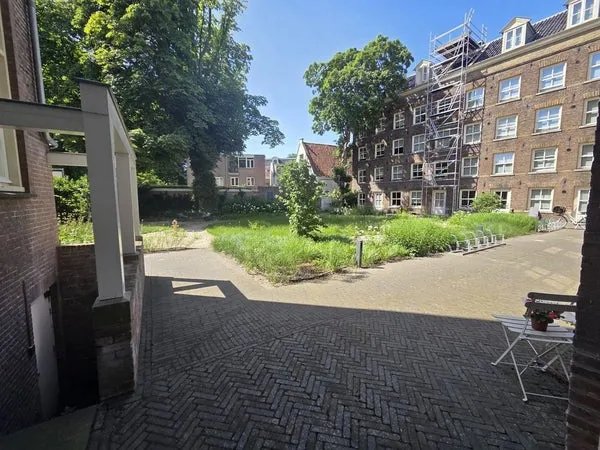
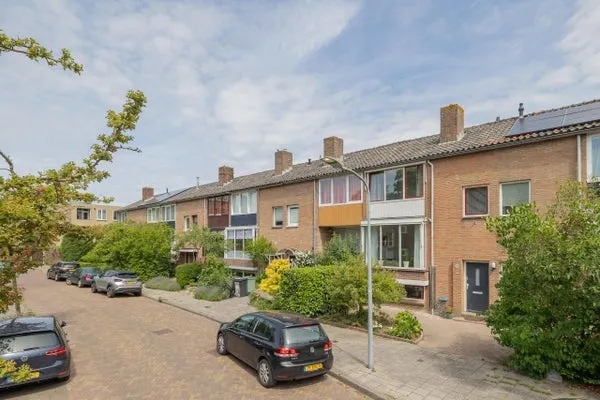

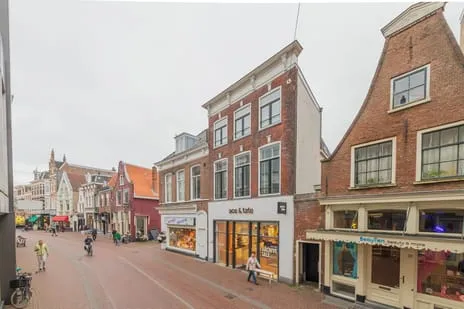
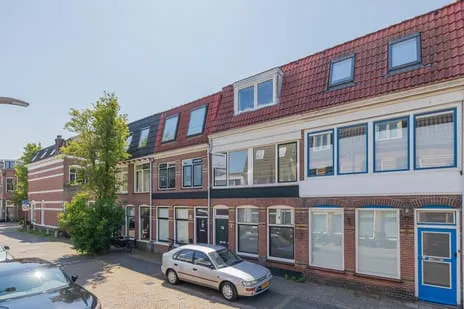
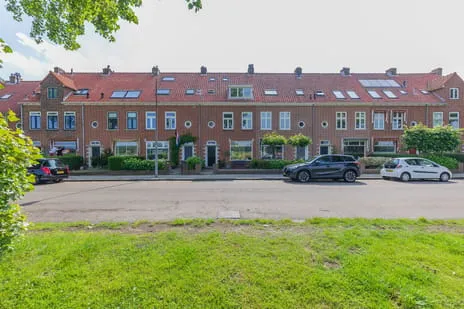
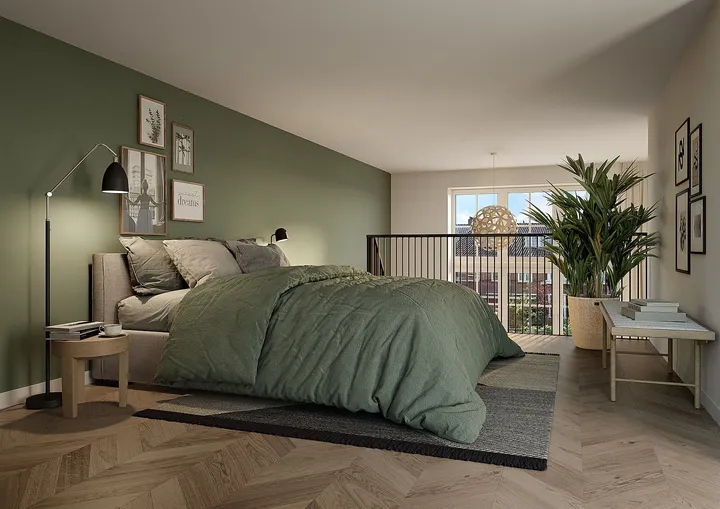
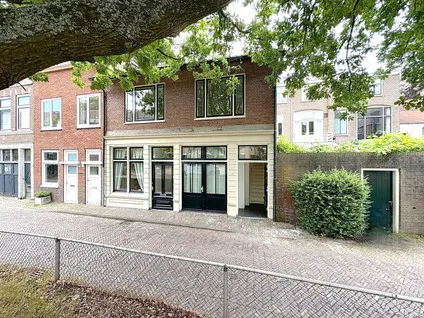
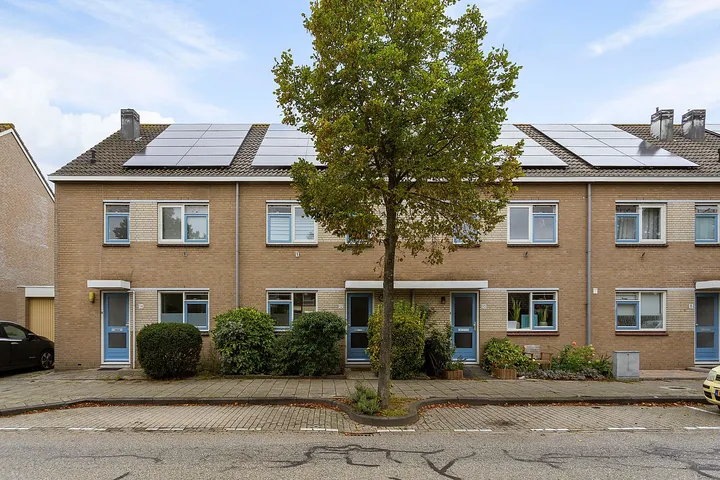
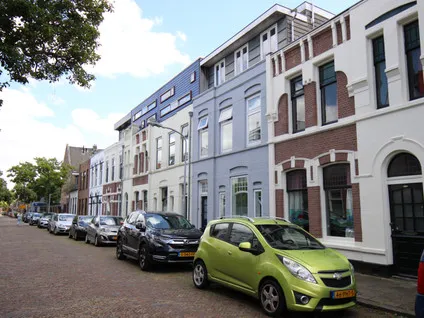
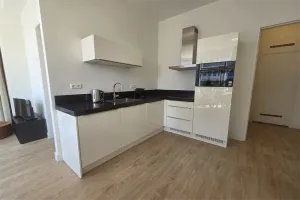
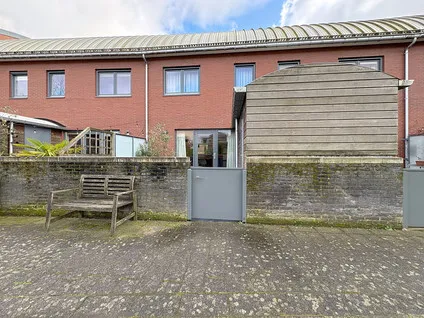
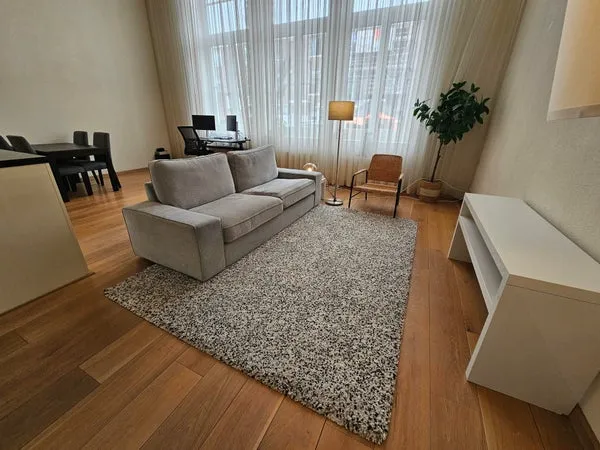
Renting a home in Haarlem: between the Spaarne and the dunes
Haarlem is a city where supply and demand on the rental market are significantly out of balance. Of the approximately 78,000 homes, 48% are rental properties, of which 29% are owned by housing corporations and 18% by other landlords. This means the social rental market is large, but waiting lists are correspondingly long: expect at least eight to ten years of registration time with corporations such as Ymere or Elan Wonen. In the private sector, the average rent over the past year was €2,096 per month, with a range of €325 to €6,350. The average size of those homes was 102 m². That is substantial, especially considering that the median disposable income in Haarlem is €42,900. At the top of this page you will always see the current daily price and available supply. The proximity to Amsterdam (fifteen minutes by train from Haarlem Centraal), the presence of Inholland University of Applied Sciences, and a growing creative sector make the city attractive to a diverse range of tenants, from starters and expats to families looking to escape Amsterdam prices.
From the Grote Markt to green suburbs: where do you want to rent?
Haarlem is compact, but the neighbourhoods differ considerably in atmosphere, price level, and type of resident. Residents rate the city an average of 7.3 on the Haarlem municipal page, but scores per neighbourhood range from 4.4 to 8.4. Below is an honest overview of the most relevant areas for renters.
Oude Stad, the beating heart
The Oude Stad scores an 8.1 from residents (11 reviews), and that is no surprise. Here you live among the Grote Markt, the Teylers Museum, and dozens of restaurants along the Spaarne. One resident describes it as "a city with a village feel, everything within walking distance." Renting apartments in this part of Haarlem is popular with couples and young professionals, but expect higher rents and limited parking. Accessibility scores an 8.1 citywide, and you notice that here: Haarlem station is a five-minute walk away.
Houtvaartkwartier, quiet and sought-after
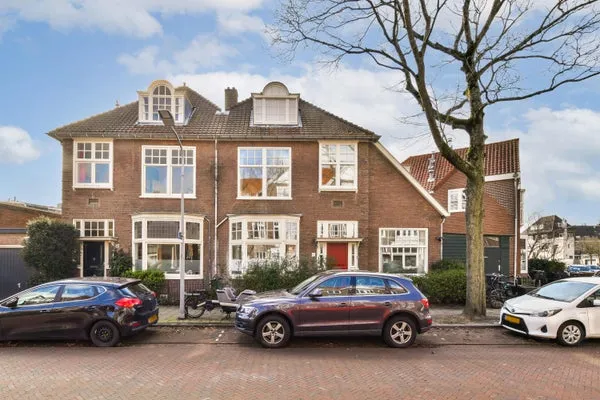
With an 8.3 from residents (5 reviews), the Houtvaartkwartier is one of the best-rated neighbourhoods. It is a quiet, green area south of the centre with many 1930s architecture. Families and dual-income couples feel at home here. The proximity of the Haarlemmerhout, the oldest city park in the Netherlands, ensures a high green score. Rental houses rarely become available here, so quick response is essential.
Boerhaavewijk, affordable and connected
The Boerhaavewijk scores a 7.7 (7 reviews) and is one of the neighbourhoods where you can still find relatively affordable rentals. It is a mixed area with both social housing and private sector properties, close to Haarlem Spaarnwoude station. The atmosphere is down-to-earth and amenities are fine, although residents note that the cleanliness of public spaces (citywide a 6.5) could be better here.
Additionally, Duinwijk deserves mention with the highest neighbourhood score of 8.4, though based on just one review. It is a villa district against the dunes, with matching rents. The neighbourhood around the Haarlemmerhout scores a 7.8 (7 reviews) and attracts mainly families with school-age children due to the proximity of good schools (education scores a 7.5 in Haarlem). At the other end of the spectrum: the Slachthuiswijk scores a 5.6 and the Amsterdamsewijk only manages a 4.4. Here rents are lower, but residents complain about nuisance and maintenance of public spaces. Be honest with yourself about your priorities: a lower rent or higher living quality. View all resident reviews and neighbourhood scores on the Haarlem page to get a good picture.
For whom is renting in Haarlem a good choice?
With an average private sector rent of over €2,000 per month, renting a home in Haarlem is mainly realistic for dual-income couples, expats with a relocation allowance, or professionals who work in Amsterdam but do not want to live there. The largest age group in the city is 25 to 45 years (nearly 50,000 residents), and that is reflected in the streetscape: many young families and couples. Are you a starter on a median salary? Then it becomes difficult in the private sector. Register as soon as possible with housing corporations via WoningNet and also explore opportunities in nearby municipalities such as Beverwijk or Alkmaar, where rents are lower. Considering buying instead of renting? The average WOZ value in Haarlem is €480,000. View the supply of homes for sale in Haarlem to compare. Practical tip: prepare your income documents and employer's statement in advance. Rental homes in Haarlem are rented out quickly, sometimes within a week. A complete dossier gives you an advantage. Information about parking permits and municipal regulations can be found on the website of the municipality of Haarlem.
Searching for a rental home in Haarlem and surroundings
On this page you will find the current rental supply, filtered by price, size, and energy label. Buurtje.nl combines housing supply with neighbourhood scores and real resident reviews, so you not only find a home but also know what it is really like in a neighbourhood. Also take a look at the supply in Amsterdam or Amstelveen if you want to broaden your search area, or view the overview page of North Holland for more options in the region.
Frequently asked questions
What is the average rent in Haarlem?
The average rent in the free sector in Haarlem over the past year was €2,096 per month, for an average floor area of 102 m². The range runs from €325 to €6,350. Social housing through housing associations is cheaper, but has long waiting lists.
Which neighbourhoods in Haarlem are the most popular for renting?
Based on resident scores, Duinwijk (8.4), Houtvaartkwartier (8.3) and Oude Stad (8.1) are rated highest. Haarlemmerhoutkwartier (7.8) and Boerhaavewijk (7.7) also score well. Slachthuiswijk (5.6) and Amsterdamsewijk (4.4) score the lowest.
How quickly are rental properties in Haarlem let?
Rental properties in Haarlem go quickly, often within one to two weeks. It is wise to have your income documents and employer's statement ready in advance so that you can respond immediately when a suitable rental property becomes available.
What is the difference between social housing and the free sector in Haarlem?
About 29% of homes in Haarlem are owned by housing associations (social housing), with rents below the liberalisation threshold. The waiting time is often 8 to 10 years via WoningNet. The free sector (18% of the stock) has no waiting time but higher prices, averaging €2,096 per month.
Is renting an apartment in Haarlem affordable on a median income?
With a median income of €42,900 in Haarlem and an average free-sector rent of over €2,000, this is difficult for single people. Dual earners have a better chance. Consider neighbourhoods such as Boerhaavewijk or Molenwijk for relatively more affordable options, or look at surrounding municipalities.
What about parking permits when renting in Haarlem?
In many neighbourhoods of Haarlem, especially around the centre and Oude Stad, you need a parking permit. The costs and availability vary by zone. Check this in advance via the municipality of Haarlem's website, as there is a waiting list in some neighbourhoods.
Is renting a house in Haarlem suitable for expats?
Haarlem is popular with expats because of the fifteen-minute train connection to Amsterdam, the international range of schools and the compact, safe city centre. Many free-sector homes are offered furnished. The city scores an 8.1 on accessibility among residents.
How many rental properties are there in Haarlem?
Of the approximately 78,000 homes in Haarlem, 48% are rental properties, so about 37,000 homes. Over the past year, 1,435 homes were rented out in the free sector. The current available supply changes daily and can be viewed at the top of the page.
very nice and beautiful neighbourhood.
Auto-translated to English by AII've lived here for almost 30 years. It used to be pleasant: clean, good contact with neighbours, etc. But due to the steady influx of Muslims, the neighbourhood is going downhill. Lots of litter lying around, misuse of rubbish bins (throwing all sorts next to them), not being open to contact, their children breaking things... in short: they have no connection with the neighbourhood and its residents. It creates an unpleasant atmosphere..
Auto-translated to English by AI.
Auto-translated to English by AISad people have no life, they ruin others' lives
Auto-translated to English by AIBy lively I mean that there are many hip young people living here and there are many amenities and infrastructure in the neighbourhood, but it is anonymous because people don't really know each other. You live there and know your neighbours, but you don't really know your neighbours' neighbours. Many people move often.
Auto-translated to English by AIx
Auto-translated to English by AIIt's a shame that you see more and more rubbish lying around everywhere and more and more things are being demolished.
Auto-translated to English by AIIt is outdated, rubbish on the streets, flats don't look very nice
Auto-translated to English by AI