





1 rental home in Indische Buurt-Zuid, Delft
Looking for a rental property in Indische Buurt-Zuid? Check the current listings above and discover what this quiet Delft neighbourhood has to offer.
Rental prices and market figures for Indische Buurt-Zuid, Delft
In Indische Buurt-Zuid, 45% of the housing stock consists of rental properties, while the remaining 55% are owner-occupied homes. Of all homes, 29% are owned by a housing association (social housing) and 15% are owned by other landlords (private sector). The average WOZ value is €404,000, which is significantly higher than the average for the district Vrijenban (€338,000) and also clearly above the Delft average of €322,000. This higher price level is also reflected in private sector rents. In the past twelve months, five private sector homes were rented out, with an average rent of €3,850 per month (excluding social housing). The range ran from €2,150 to €6,250 per month, indicating that these are spacious homes: the average surface area was 256 m², which works out to around €15 per m² per month. This segment clearly targets a different audience than the social housing in the neighbourhood. For current rental prices and available rental properties in Indische Buurt-Zuid, you can consult the overview at the top of this page. Would you rather buy? Then check out the range of homes for sale in Indische Buurt-Zuid.
Living in Indische Buurt-Zuid, Delft
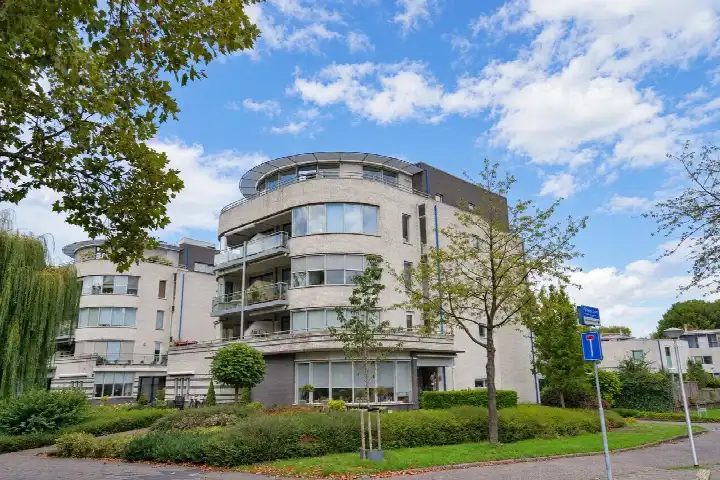
Indische Buurt-Zuid is a quiet, predominantly residential neighbourhood in the east of Delft, part of the Vrijenban district. The neighbourhood has a mixed character: you will find post-war terraced houses and porch flats from the 1950s and 1960s, interspersed with some more recent additions. The streets are green, the buildings are low-rise and medium-rise, and the streetscape is orderly without being striking. It is not a bustling city neighbourhood, but that is precisely what attracts residents looking for some peace and quiet within cycling distance of Delft city centre.
The average income in the neighbourhood is €38,100 per year, higher than the Delft average of €34,700, and 53% of residents have a high level of education. The largest age group is 25 to 45 years (600 people), but those aged 65 and over are also well represented (505 people). Single-person households form the largest household group with 670 units, making the neighbourhood attractive for singles and couples without children.
Facilities in Indische Buurt-Zuid
For daily groceries, the Albert Heijn on Papsouwselaan is within cycling distance, as is a Jumbo in the nearby Indische Buurt-Noord. Primary schools in the immediate vicinity include De Regenboog and schools along Australiëweg. For sports, there are opportunities via nearby sports clubs in Vrijenban and the De Kwakel swimming pool, a few minutes' cycle away. Delftse Hout, a large recreational area with forest, water and walking paths, is a short cycle away and is a popular destination for residents of this neighbourhood. For more extensive shops, dining and culture, Delft city centre is the place to go.
Accessibility
Delft Station is about a ten-minute cycle away, giving you quick connections to The Hague (about ten minutes by train) and Rotterdam (about fifteen minutes). By bus, there are connections via Papsouwselaan towards the centre and other parts of the city. By car, the A13 (Delft-The Hague-Rotterdam) is easily accessible via the Delft-Zuid exit, making the neighbourhood interesting for commuters. Parking in large parts of the neighbourhood requires a permit, which in practice means that as a resident you can usually find a spot, but visitors sometimes have to search. For cyclists, the neighbourhood is well connected: the centre can be reached in fifteen minutes via quiet cycle paths.
Residents appreciate the peace and location, but also mention that the range of shops in the neighbourhood itself is limited. On the neighbourhood page of Indische Buurt-Zuid you will find the full resident reviews and neighbourhood scores. One resident writes: "Nice living here, green streets and little nuisance. You do have to cycle for a supermarket, but you get used to it quickly." Compared to the neighbouring Indische Buurt-Noord, the southern part is slightly quieter and has a slightly higher WOZ value. Sint Joris and Koepoort are alternatives for those who want to live a bit closer to the centre with a different streetscape.
Does renting in Indische Buurt-Zuid suit you?
The neighbourhood mainly appeals to middle and higher incomes looking for a spacious home in a quiet environment with good accessibility. The private sector rental supply is limited in size but considerable in scale: with an average of 256 m², these are large homes that are less suitable for starters on a tight budget. Social housing tenants would be wise to register with Woonbron or Vestia, the housing corporations active in Delft, and to take waiting lists into account. Private sector rental homes are rented out quickly; respond promptly and ensure you have proof of income and references at hand. Students and starters with a smaller budget may find more suitable options in the rest of Vrijenban or near the Binnenstad. Those unsure between renting and buying can compare the available range of homes for sale in Indische Buurt-Zuid.
What residents say about Indische Buurt-Zuid
Residents of Indische Buurt-Zuid appreciate the quiet atmosphere, the green streets and the good accessibility by bike and train. Points for improvement that come up are the limited local shopping options and parking problems for visitors. One resident describes it as follows: "It is a real residential neighbourhood without fuss. Children play outside, neighbours know each other, and you are quickly on your bike to the centre or Delftse Hout." Read all experiences and scores per category on the reviews and neighbourhood data of Indische Buurt-Zuid. This resident information is unique and cannot be found on other housing platforms.
Comparing rental properties in and around Indische Buurt-Zuid
Those considering renting a home in Indische Buurt-Zuid often also compare with adjacent neighbourhoods. Indische Buurt-Noord offers a similar living environment with slightly more direct shopping facilities. The Bomenwijk is greener and more family-friendly in character. For a more urban alternative, the Binnenstad and Hof van Delft are worth a look. Buurtje.nl combines current housing supply with neighbourhood scores, demographic data and resident reviews from more than 1,500 sources, so you not only search for a home but also know for sure whether the neighbourhood suits you. Also check out the broader range of rental properties in Delft or read more about the municipality via the official website of the municipality of Delft.
What is the average rent in Indische Buurt-Zuid, Delft?
In the free sector (excluding social housing), the average rent in Indische Buurt-Zuid over the past year was €3,850 per month, with a range of €2,150 to €6,250 per month. The average floor area of rented homes was 256 m², which equates to approximately €15 per m² per month. Social housing is significantly cheaper, but waiting lists and income requirements apply.
Are there social housing properties in Indische Buurt-Zuid?
Yes, approximately 29% of the housing stock in Indische Buurt-Zuid is owned by a housing association. In Delft, Woonbron and Vestia are the main associations where you can register for social housing. Be aware of waiting lists; the earlier you register, the better your chances of finding a social rental property in Indische Buurt-Zuid.
What is it like to live in Indische Buurt-Zuid?
Indische Buurt-Zuid is a quiet, green residential neighbourhood in the east of Delft with post-war terraced houses and porch flats. Residents appreciate the peaceful atmosphere, the green streets, and the good cycling connections to the city centre and Delftse Hout. A commonly mentioned downside is the limited range of shops directly in the neighbourhood. The average income and education level are above the Delft average.
Is Indische Buurt-Zuid suitable for families with children?
The neighbourhood has a relatively high proportion of 0- to 15-year-olds (320 children), and the quiet streets and green surroundings make it a pleasant living environment for families. There are primary schools in the immediate vicinity, and Delftse Hout offers space for outdoor play and recreation. However, the free-sector rental supply mainly consists of large, expensive homes, so families on a limited budget should also consider social housing options or neighbouring areas.
How accessible is Indische Buurt-Zuid?
Delft Station is about a ten-minute bike ride away, with direct train connections to The Hague (approx. 10 min.) and Rotterdam (approx. 15 min.). By car, the A13 is easily accessible via the Delft-Zuid exit. Bus connections run via the Papsouwselaan towards the city centre and other districts. Parking in most streets requires a permit, which is generally manageable for residents.
What facilities are there in Indische Buurt-Zuid?
In the immediate vicinity, you will find primary schools, sports clubs, and the De Kwakel swimming pool within a short cycling distance. For daily groceries, supermarkets such as Albert Heijn and Jumbo are accessible in nearby streets and in Indische Buurt-Noord. The Delftse Hout recreation area with woodland and water is a few minutes away by bike. For extensive shopping, dining, and culture, Delft city centre is the place to go.
How quickly are rental properties let in Indische Buurt-Zuid?
The free-sector supply in Indische Buurt-Zuid is limited: over the past year, five homes were rented out in this segment. Due to scarcity and the neighbourhood's popularity, available rental properties are usually let quickly. Respond promptly to new listings, ensure you have income documents and references ready, and keep an eye on the current supply at the top of this page.