Rental homes in Molenbuurt, Delft
View all available rental properties in Molenbuurt, Delft. Current listings, neighbourhood data and resident reviews on one page.
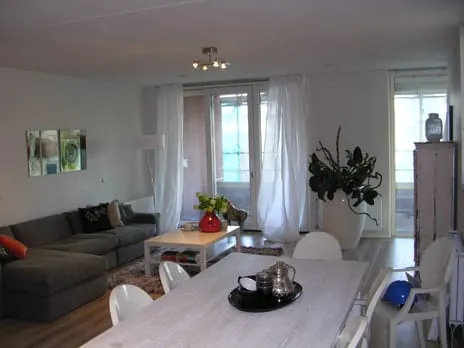
Rental prices and market figures Molenbuurt, Delft
Molenbuurt is predominantly an owner-occupied neighbourhood: of the 561 homes, only 25% are in the rental sector, and there is no social housing from housing associations. All rental properties in Molenbuurt are owned by private or commercial landlords, meaning you will only find properties in the free sector here. Social housing through a housing association simply does not exist.
Rental prices are correspondingly high. In the free sector (excluding social housing), 6 homes were rented out in the past year at an average rent of €2,888 per month, with a range of €1,875 to €3,395 per month. With an average floor area of 137 m², this works out to approximately €21 per m² per month. By comparison, the average WOZ value in Molenbuurt is €545,000, well above the district average of Voordijkshoorn (€391,000) and the Delft average of €322,000. That price difference is directly reflected in the rental prices. Those with a larger budget or looking for a family home will find more space here than in the average Delft neighbourhood. For current available rental properties and the most recent average rent, please consult the overview at the top of this page.
Living in Molenbuurt, Delft
Molenbuurt is located in the southwest of Delft, as part of the Voordijkshoorn district. It is a quiet, green residential neighbourhood with a distinct family character. The housing stock mainly consists of detached houses, semi-detached houses and spacious terraced houses, largely built in the 1960s and 1970s. The streets are wide, there is plenty of greenery, and the atmosphere is more village-like than urban. This attracts a specific audience: the largest age group is 45-65 years (530 out of 1,485 residents), 45% of residents are married, and families with children are the most common household type.
Facilities
Daily groceries can be done in the neighbourhood at the supermarkets on Martinus Nijhofflaan or Australiëweg, both within cycling distance. For a wider range of shops, Delft city centre is the place to go. Primary schools in the area can be found along Australiëweg and in adjacent neighbourhoods such as Marlot and Hoornse Hof. For sports, there are football fields and tennis courts in the immediate vicinity, and Delftse Hout, an extensive recreational area with beach, forest and cycling and walking paths, borders the southeast edge of the district. GPs and pharmacies can be found along the main arteries of Voordijkshoorn.
Accessibility
Delft station is about 3 to 4 kilometres away, easily reachable by bike in about 12 minutes. By bus, there are connections via Australiëweg towards the centre and station. By car, you can quickly reach The Hague (about 15 minutes) or Rotterdam (about 20 minutes) via the A13. The A4 is also accessible via the Kruithuisweg. Parking in Molenbuurt is generally possible without a permit, which is a practical advantage compared to the busy city centre. Cyclists have direct connections to the centre via Martinus Nijhofflaan and Australiëweg.
Residents appreciate the peace and space the neighbourhood offers. On the Molenbuurt neighbourhood page, a resident writes: "It is quiet here, the streets are wide and there is plenty of greenery. You notice that people have lived here for years and know the neighbourhood." Less enthusiastic are some about the limited walking distance to shops and the relatively long bike ride to the bustling city centre. Those seeking urban vibrancy will find it less obvious here than in, for example, the Binnenstad or Vrijenban.
Compared to neighbouring neighbourhoods such as Kuyperwijk-Noord and Kuyperwijk-Zuid, Molenbuurt is on average more expensive and quieter. Ecodus and Westlandhof have a similar green character, but Molenbuurt stands out due to the higher WOZ values and the larger share of detached houses. Renting in Molenbuurt is therefore a conscious choice for those who want to combine space, peace and greenery with good car accessibility.
Is a rental property in Molenbuurt right for you?
Molenbuurt is most suitable for families and dual-income earners with a higher income (the average disposable income is €54,300, well above the Delft average of €34,700) who consciously choose a quiet environment with plenty of greenery. Students and starters will find it harder to find an affordable rental home here: there are no social housing units and free sector rents start at €1,875 per month. Those considering renting an apartment in Molenbuurt should take into account limited supply and the need to respond quickly when something becomes available. Check the current supply at the top of this page for the most recent rental times. As an alternative to renting, there are also homes for sale in Molenbuurt, although purchase prices are also high due to the high WOZ values. More affordable rental properties in Delft can be found via the overview of rental properties in Delft or by searching in other districts.
What residents say about Molenbuurt
Molenbuurt scores well with residents on safety, green spaces and the quiet living environment. Residents with children often mention the neighbourhood as a pleasant place to grow up: little traffic in the residential streets, play space and a stable neighbourhood community. One resident aptly describes it: "You can live well here if you seek peace and don't need to go to the centre every day." Less positive are some reviewers about the limited range of shops within walking distance and the reliance on a bike or car for many daily activities. See all reviews and neighbourhood data on the Molenbuurt neighbourhood page.
Compare rental properties in and around Molenbuurt
Looking for a rental property in Molenbuurt but want to compare? In the surrounding neighbourhoods of Voordijkshoorn, rental prices are on average slightly lower than in Molenbuurt, which with an average WOZ of €545,000 is at the top of the district. Buurtje.nl combines current property listings from more than 1,500 sources with resident reviews and neighbourhood data, so you not only find a property but also understand whether the neighbourhood suits you. Also check the supply of rental properties in Voordijkshoorn for a broader picture of the district, or explore other districts via Hof van Delft and Delftse Hout. More information about permits, new construction and housing policy can be found on the website of the municipality of Delft.
Frequently asked questions
What is the average rent in Molenbuurt, Delft?
In the free sector (excluding social housing), the average rent in Molenbuurt is €2,888 per month, based on 6 rented homes in the past year. Rents range from €1,875 to €3,395 per month, with an average area of 137 m², which works out to about €21 per m² per month. There are no social housing units in Molenbuurt; all rental properties fall under the free sector.
Are there social housing units in Molenbuurt?
No, Molenbuurt has no social housing from housing associations: the association-owned stock is 0%. All rental properties (25% of the housing stock) are owned by private landlords and therefore fall under the free sector. Those seeking social housing in Delft can register with Woonnet Haaglanden, but should expect long waiting lists. In other neighbourhoods within the Voordijkshoorn district, a small share of association homes can sometimes be found.
What is it like to live in Molenbuurt?
Molenbuurt is a quiet, green residential neighbourhood with wide streets and predominantly family homes from the 1960s and 1970s. The atmosphere is more village-like than urban, with a stable and older population. Residents appreciate the safety, greenery and space, but sometimes mention the limited shopping options within walking distance as a drawback. The average income of €54,300 and high WOZ values reflect the affluent character of the neighbourhood.
Is Molenbuurt suitable for families with children?
Yes, Molenbuurt is very much a family neighbourhood. Families with children are the most common household type, and the largest age group is 45-65 years. The quiet streets, the presence of primary schools in the area, and the proximity of the Delftse Hout recreation area make the neighbourhood attractive for families. However, you should expect high rents in the free sector, as there are no social housing units.
How accessible is Molenbuurt?
By bike, you can reach Delft station in about 12 minutes via the Martinus Nijhofflaan or the Australiëweg. Bus connections are available towards the city centre and station. By car, the A13 towards The Hague (about 15 minutes) and Rotterdam (about 20 minutes) is easily accessible. Parking on the residential streets is generally possible without a permit, which is a practical advantage compared to busier city neighbourhoods.
What amenities are there in Molenbuurt?
In and around Molenbuurt, supermarkets can be found on Martinus Nijhofflaan and Australiëweg. Primary schools are located nearby or in directly adjacent neighbourhoods. For sports, there are football and tennis facilities in the area, and Delftse Hout offers extensive opportunities for recreation, running and cycling. For a wider range of shops and dining, the Delft city centre is the place to go, about 10-15 minutes by bike.
How quickly are rental homes rented out in Molenbuurt?
The supply of rental homes in Molenbuurt is limited: only 6 homes in the free sector were rented out in the past year. Due to this small supply and the relatively high demand for spacious family homes in this neighbourhood, it is wise to respond quickly to new listings. The current average time to rent in days is shown at the top of this page. Make sure you have documents such as payslips and an employer's statement ready, as landlords in this segment typically set high requirements for tenants.