Rental homes in Olofsbuurt, Delft
Discover the current supply of rental properties in Olofsbuurt and compare neighbourhood data, resident reviews and market figures to determine if this Delft neighbourhood suits you.




Rental prices and market figures Olofsbuurt, Delft
Olofsbuurt has a balanced housing market: about 50% of the housing stock consists of rental properties, the other half is owner-occupied. Of those rental properties, 22% are owned by a housing association (social housing), while 29% are with other landlords (private sector). This distribution is relevant if you are looking for a rental home: the social segment exists, but waiting lists are long. The private sector supply is limited in size but varied in price.
In the private sector (excluding social housing), an average of €2,000 per month was paid for a rental property in Olofsbuurt over the past twelve months, with an average area of 90 m². That works out to about €22 per m². The range varies from €1,150 to €4,000 per month, indicating that the supply varies widely: from compact apartments to larger homes. During that period, 17 private sector properties were rented out, which is a relatively limited market.
The average WOZ value in Olofsbuurt is €364,000, slightly below the district average of Hof van Delft (€368,000) and clearly above the Delft average of €322,000. This indicates that the neighbourhood is among the better-situated parts of Delft in terms of property value. For current rental prices and available rental properties in Olofsbuurt, see the overview at the top of this page. Considering buying? Then also check the supply of owner-occupied homes in Olofsbuurt.
Living in Olofsbuurt, Delft
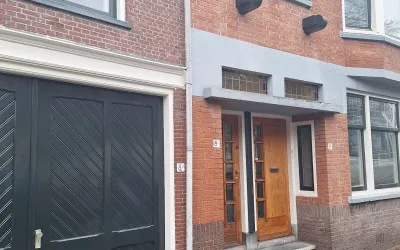
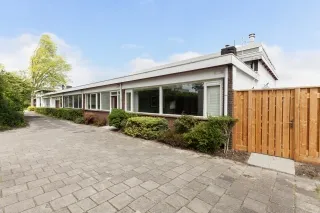
Olofsbuurt is a compact, predominantly urban neighbourhood in the western part of Delft, located within the district Hof van Delft. Its character is mixed: you will find both older buildings from the post-war period and later infill developments. The streets are relatively narrow, and the buildings consist mainly of porch flats, single-family homes and smaller apartment complexes. It is not a neighbourhood that stands out for new construction or spectacular architecture, but rather for a down-to-earth, functional living environment with its own rhythm.
The population is young and diverse: the largest group of residents is between 25 and 45 years old (over 1,200 of the 3,625 inhabitants), and there are relatively many students and young adults (almost 940 people between 15 and 25 years old). Single-person households dominate with 1,430 of the approximately 1,600 households. Only 21% of residents are married. The education level is high: 55% have completed higher education. This profile fits a neighbourhood popular with young professionals, students and first-time buyers.
Facilities in Olofsbuurt
For daily groceries, you can go to supermarkets in the immediate vicinity, including branches on Westeinde and in the adjacent Westeindebuurt. Delft city centre, with its extensive shopping options, market and catering establishments, is within cycling distance. Primary schools and childcare are available in the district, although the supply is limited compared to larger residential areas. For sports and recreation, there is Delftse Hout within reasonable cycling distance, a vast recreational area with water and greenery. In the neighbourhood itself, there are smaller playgrounds and green strips, but extensive parks are lacking right on your doorstep. GP practices and pharmacies can be found in the wider Hof van Delft area.
Accessibility of Olofsbuurt
Delft Station is about a ten-minute bike ride away, which makes the connection to The Hague (approx. 15 minutes by train) and Rotterdam (approx. 20 minutes) good. Several bus routes cross the district and connect Olofsbuurt with the centre and other parts of the city. By car, the A13 (The Hague-Rotterdam) is quickly accessible via the Provincial road. Parking is only possible with a parking permit in large parts of the neighbourhood, which is a point of attention for car drivers. By bike, you can reach Delft city centre or the TU Delft campus in a quarter of an hour, which makes the neighbourhood attractive for students and university staff. More information about facilities and accessibility can also be found on the website of the municipality of Delft.
What residents say about living in Olofsbuurt
Residents appreciate the central location and good accessibility of the neighbourhood. A common sentiment: "You live close to everything here, the centre is by bike and the station is nearby. Ideal if you don't have a car." At the same time, residents sometimes mention the pressure on parking spaces and the higher rental prices in the private sector as less positive aspects. Social cohesion is assessed variably: the mix of students, young professionals and longer-term residents creates liveliness, but also a somewhat more anonymous street climate. See all experiences on the neighbourhood page of Olofsbuurt, where resident reviews and neighbourhood scores per category are kept.
Compared to sister neighbourhoods in Hof van Delft, Olofsbuurt has a similar urban character to Agnetaparkbuurt, which has slightly more greenery but also higher rental prices. Ministersbuurt-West has a quieter residential character and attracts more families. Olofsbuurt sits in between in terms of dynamics.
Is renting in Olofsbuurt right for you?
Olofsbuurt is most suitable for young professionals, students and first-time buyers who want to live centrally in Delft without paying the very highest rental prices of the city centre. Families can live there, but the limited supply of larger homes and the somewhat compact outdoor space make it less obvious. Seniors looking for peace and quiet may find a quieter alternative elsewhere in Hof van Delft or in Krakeelpolder.
If you want to rent a property in Olofsbuurt in the private sector, keep in mind that the supply is limited: on average, only 17 properties are rented out per year. Respond quickly when something becomes available. Make sure your documents are in order: employer's statement, payslips and a valid identity document. For social housing, registration with a housing association is necessary; allow for waiting lists of several years. Also check the broader supply of rental properties in Delft if you are flexible about location.
Similar neighbourhoods for renters in and around Olofsbuurt
Are you looking for rental properties in Olofsbuurt but is the supply limited? Then it is wise to also look at adjacent neighbourhoods. The rental properties in Hof van Delft give an overview of the entire supply within the district. For a more urban and slightly larger supply, the Binnenstad of Delft is a logical comparison, although rental prices there are generally higher. Those looking for more space and greenery can look at Voordijkshoorn or Vrijenban. Buurtje.nl combines current housing supply with resident reviews and neighbourhood data, so you not only find a home but also know whether the neighbourhood suits you. All available rental properties in Olofsbuurt are at the top of this page.
Frequently asked questions
What is the average rent in Olofsbuurt, Delft?
In the free sector (excluding social housing), the average rent in Olofsbuurt over the past twelve months was €2,000 per month, with an average living area of 90 m². That works out to about €22 per m². The range runs from €1,150 to €4,000 per month, depending on size and type of home. Social housing is cheaper, but waiting lists and registration requirements with a housing association apply.
Are there social housing properties in Olofsbuurt?
Yes, about 22% of the housing stock in Olofsbuurt is owned by a housing association. To qualify for a social housing property, you must be registered with a housing association active in Delft, such as Vestia or Woonbron. Expect significant waiting lists; the average waiting time in Delft is several years. Registration can be done via the website of the relevant association or through the regional housing allocation system.
What is it like to live in Olofsbuurt?
Olofsbuurt is an urban, mixed neighbourhood in the west of Delft with a young, highly educated population. Residents appreciate the central location, good accessibility by bike and public transport, and proximity to the city centre. Less positive points that come up are the parking pressure and higher rents in the free sector. The atmosphere is lively but also somewhat anonymous due to the high turnover of students and young renters.
Is Olofsbuurt suitable for students and starters?
Olofsbuurt is a popular choice for students and young starters. Nearly a quarter of residents are between 15 and 25 years old, and the neighbourhood is within cycling distance of both Delft city centre and the TU Delft campus. The vast majority of households consist of single-person households. The free sector rental supply is limited in size, so responding quickly to available rental properties in Olofsbuurt is important.
How accessible is Olofsbuurt?
Olofsbuurt is well accessible by bike and public transport. Delft Station is about a ten-minute bike ride away, with direct train connections to The Hague (approx. 15 min) and Rotterdam (approx. 20 min). Several bus routes run through the neighbourhood. By car, the A13 is quickly reachable. Parking is only possible with a parking permit on most streets, which is a point of attention for motorists.
What facilities are there in Olofsbuurt?
In and directly around Olofsbuurt, there are supermarkets, primary schools and childcare. For extensive shopping, dining and markets, you rely on Delft city centre, which is within cycling distance. Recreational green space is available in Delftse Hout at a short cycling distance. GP practices and pharmacies can be found in the wider area of the Hof van Delft neighbourhood.
How quickly are rental properties rented out in Olofsbuurt?
The free sector supply in Olofsbuurt is limited: in the past twelve months, only 17 properties were rented out. This means that properties generally go off the market quickly once they are offered for rent. It is wise to respond quickly to a property you like and have your documents (employer's statement, payslips, ID) ready. Current supply and average rental time can be found at the top of this page.