Homes for sale in Olofsbuurt, Delft
Discover the current supply of homes for sale in Olofsbuurt and compare prices, neighbourhood data and resident reviews directly on this page.

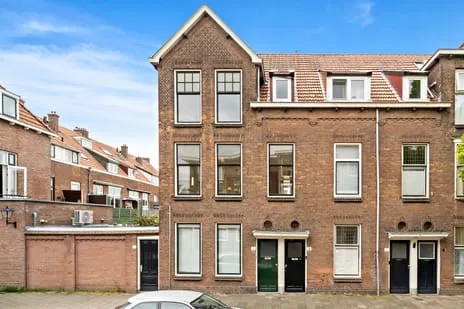
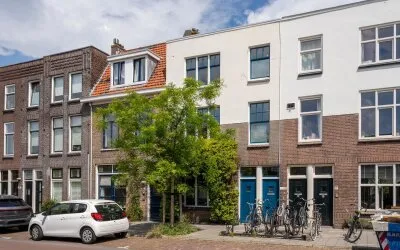
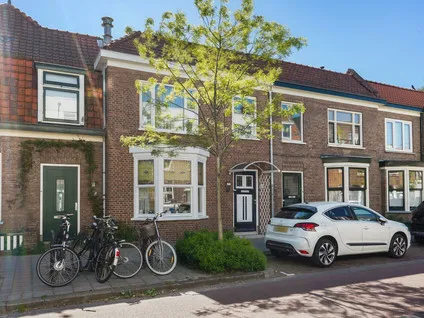
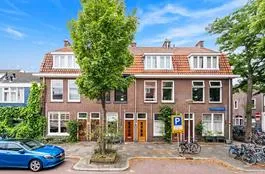
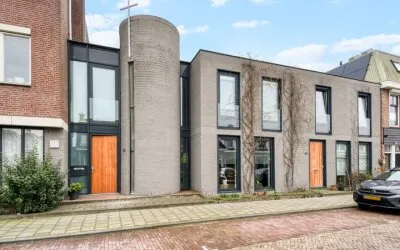
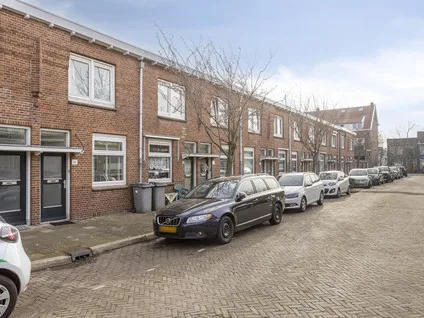
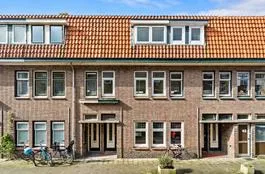
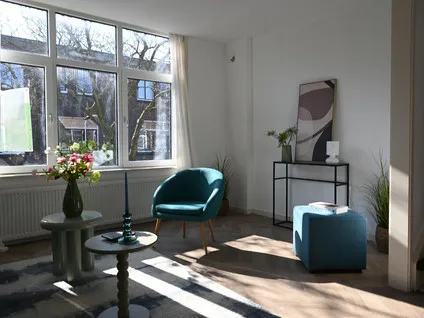

House prices and market figures Olofsbuurt, Delft
The owner-occupied market in Olofsbuurt is strong. Of the more than 1,600 homes in the neighbourhood, about 49% are owner-occupied, the other half is rental. The average WOZ value is €364,000, which is slightly below the district average of Hof van Delft (€368,000), but clearly above the Delft average of €322,000. This says something about the neighbourhood's position: affordable relative to the district, but certainly not a cheap corner of Delft.
In the past twelve months, 46 homes changed hands, with an average purchase price of €496,326. The range runs from €269,000 to €1,595,000, indicating that both compact apartments and larger ground-floor homes can be found in the neighbourhood. The average living area of sold homes was 97 m², which works out to a price of about €5,117 per square metre. For current asking prices and the average time on market, you can consult the overview at the top of this page, which is updated daily. Owner-occupied homes in Olofsbuurt have been popular in recent years, so you should expect overbidding on popular properties.
Living in Olofsbuurt, Delft
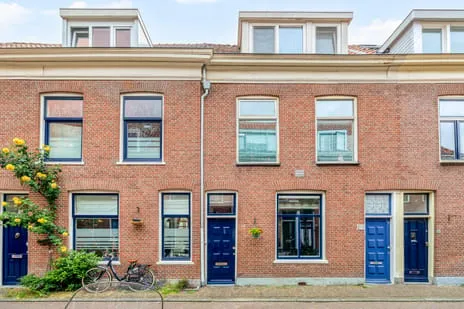
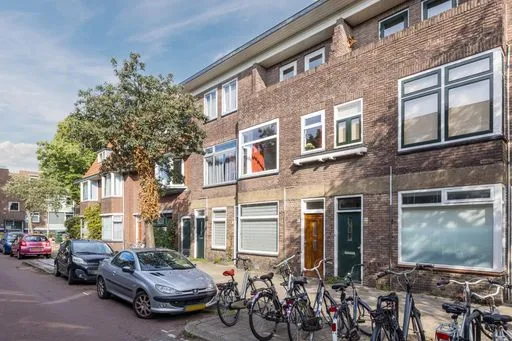
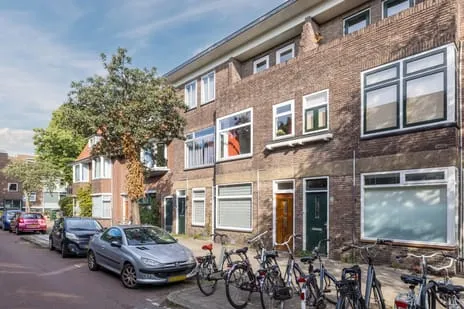
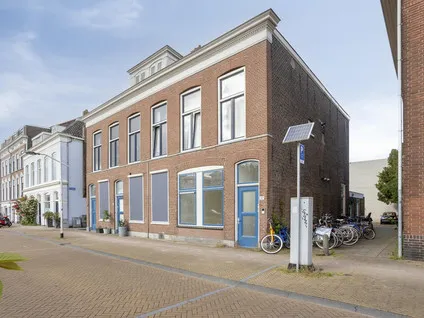
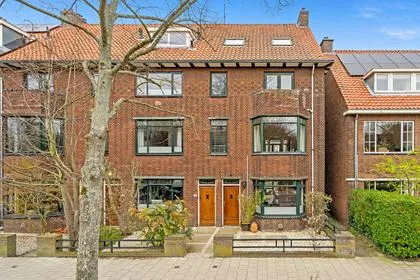
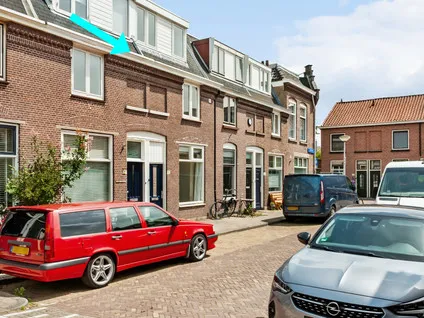
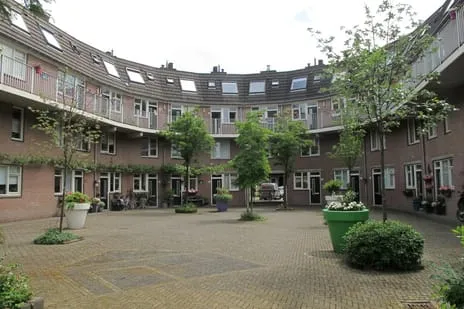
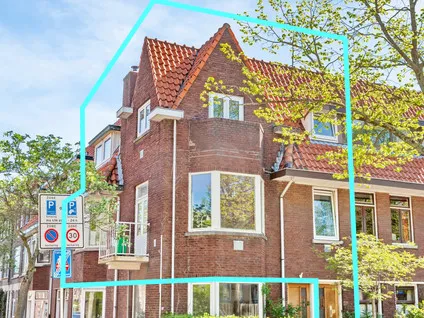
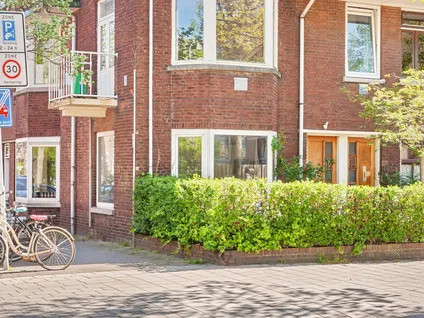
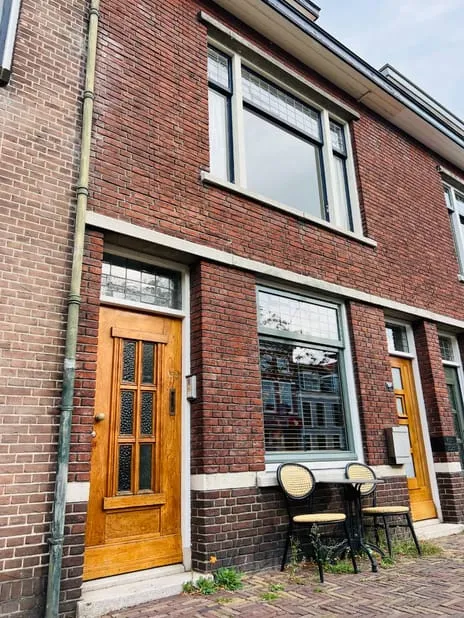
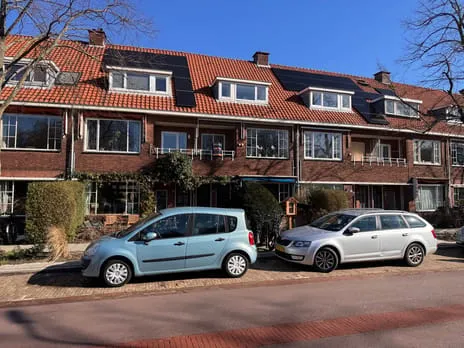
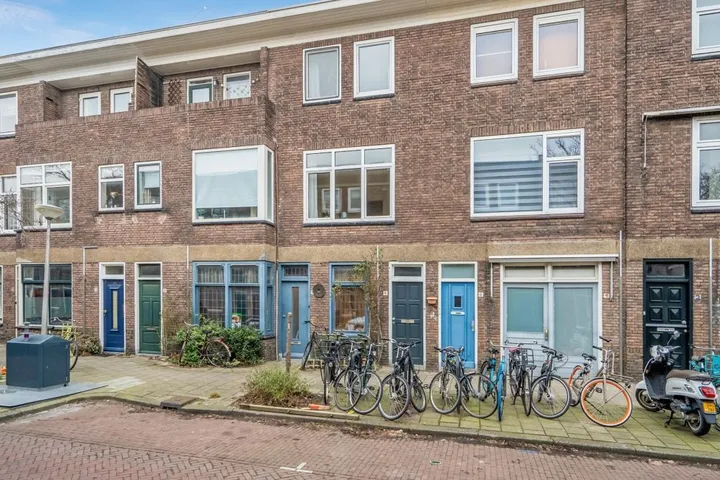
Olofsbuurt is located in the southwestern part of Delft, as part of the Hof van Delft district. It is a neighbourhood with a mixed character: you will find both quiet residential streets and the busier through routes towards the city centre. The housing stock largely consists of homes from the post-war period and the 1960s and 1970s, with a mix of porch flats, terraced houses and some detached properties. This also explains the wide price range on the owner-occupied market.
In terms of atmosphere, Olofsbuurt is not a hip hotspot, but an ordinary, functional urban neighbourhood where people simply live. That has its advantages: the neighbourhood is clear, most daily amenities are close by and it does not feel anonymous. The largest age group is 25 to 45 years, with also a significant share of young people between 15 and 25, partly due to the proximity of Delft University of Technology. Single-person households form the largest category, which you also notice in the street scene: many young professionals and students, but also families and older residents who have lived there for years.
For daily shopping you hardly need to leave the neighbourhood. There are supermarkets within cycling distance and along the Papsouwselaan and surrounding streets you will find shops, eateries and service providers. The Reinier de Graaf Hospital is within a short distance. For larger shopping centres, the centre of Delft is the place to go, about ten minutes by bike. Green space is present in the form of small parks and neighbourhood parks, although the neighbourhood is not a distinctly green area. Those looking for more space can quickly escape to the nearby Delftse Hout.
Accessibility is one of the strong points of Olofsbuurt. Delft Station can be reached by bike in about ten minutes, from where intercity trains run towards The Hague and Rotterdam. By car, the neighbourhood connects relatively quickly to the A13 and A4. Several bus lines connect Olofsbuurt with the rest of the city. Cyclists are in their element here: Delft is compact and flat, and most destinations are easily accessible by bike.
Residents appreciate the central location and the peace in the residential streets themselves, although there are also comments about parking pressure and traffic congestion on the main routes. One resident writes: "Pleasant neighbourhood to live in, everything is close by and the neighbours know each other. Parking can sometimes be a puzzle, but you learn to deal with it." Read more experiences and view the neighbourhood scores on the Olofsbuurt overview page.
Compared to neighbouring communities in the same district, Olofsbuurt has a slightly more urban character than, for example, Agnetaparkbuurt, which is greener and quieter. Ministersbuurt-West has a similar structure but attracts slightly more families. Those who want to explore the atmosphere of the entire district will find a good overview at owner-occupied homes in Hof van Delft.
Is an owner-occupied home in Olofsbuurt right for you?
Olofsbuurt mainly appeals to young professionals and dual-income couples who want to live centrally in Delft without paying the highest prices of the city centre. First-time buyers can still get in here, although the market average of nearly €500,000 requires a solid budget or a substantial existing equity elsewhere. Families will find enough space and amenities, but those looking for a lot of green space or a large garden should also look at Voordijkshoorn or Delftse Hout. Be honest with yourself about the budget: overbidding is not an exception in this segment. Those who are still unsure whether buying is the right step can also look at rental homes in Olofsbuurt as a temporary alternative.
What residents say about Olofsbuurt
Residents appreciate the neighbourhood especially for its location, the mix of people and everyday liveability. The scores on accessibility and amenities are generally higher than those on green space and parking. A frequently heard comment: "You have everything you need here, it's not a fancy neighbourhood but a nice neighbourhood to live in." The combination of urban dynamics and residential peace in the side streets is regularly mentioned as a plus point. View all reviews and the full neighbourhood scores on the Olofsbuurt page with resident reviews.
Compare owner-occupied homes around Olofsbuurt
Buurtje.nl bundles the supply from more than 1,500 sources in one place, supplemented with resident reviews and neighbourhood data that you will not find in such detail anywhere else. This way you can not only compare homes, but also compare neighbourhoods side by side. In addition to Olofsbuurt, Westeindebuurt and Krakeelpolder are interesting alternatives within the same district. For a broader picture of the Delft owner-occupied market, the overview of owner-occupied homes in Delft provides a good starting point. More information about permits, zoning plans and municipal policy can be found on the website of municipality of Delft.
Frequently asked questions
What is the cost of a home in Olofsbuurt?
The average purchase price in Olofsbuurt over the past year was €496,326, based on 46 sold homes. Prices ranged from €269,000 to €1,595,000. The average living area was 97 m², which works out to about €5,117 per square metre. Keep in mind that overbidding is common for sought-after properties.
What is the WOZ value in Olofsbuurt?
The average WOZ value in Olofsbuurt is €364,000. That is slightly below the average for the Hof van Delft district (€368,000), but well above the municipal average for Delft (€322,000). The WOZ value indicates the value development in the neighbourhood and is relevant for the level of municipal taxes.
What is it like living in Olofsbuurt?
Olofsbuurt is a mixed urban neighbourhood in the southwest of Delft with a practical, everyday character. Residents appreciate the central location, proximity to amenities and accessibility. Common criticisms often relate to parking pressure and traffic congestion on main routes. The neighbourhood mainly attracts young professionals, students and families.
Is Olofsbuurt suitable for first-time buyers?
Buying in Olofsbuurt is possible for first-time buyers, but requires a substantial budget. With an average purchase price of nearly €500,000, you quickly end up in the higher segment. At the lower end of the market, there are homes from around €269,000, but these are scarce and sell quickly. If you are flexible, you could also consider renting in the neighbourhood first and keeping an eye on the market.
How accessible is Olofsbuurt?
Olofsbuurt is easily accessible by bike, public transport and car. Delft Station is about a ten-minute bike ride away, with direct connections to The Hague and Rotterdam. Several bus routes run through the neighbourhood. By car, the A13 towards Rotterdam and the A4 towards The Hague are quickly reachable. Cycling is the most common mode of transport for daily trips within Delft.
What types of homes are for sale in Olofsbuurt?
The supply in Olofsbuurt consists of a mix of porch flats and apartments from the post-war period and the 1960s and 1970s, supplemented by terraced houses and occasionally a detached home. The average sales area over the past year was 97 m². Buying an apartment in Olofsbuurt is certainly an option, as is looking for a ground-based property in the quieter residential streets.
What about parking in Olofsbuurt?
Parking is regularly mentioned by residents as a point of attention. In parts of the neighbourhood, paid parking or a permit system applies. If you buy a home without its own driveway or garage, it is wise to inquire about the parking situation on the specific street in advance. The municipality of Delft provides up-to-date information on parking permits and zones via its website.