Homes for sale in Beverwijk
View the current supply of homes for sale in Beverwijk, including neighbourhood scores and resident reviews per district. Compare prices, surface area and time on market.
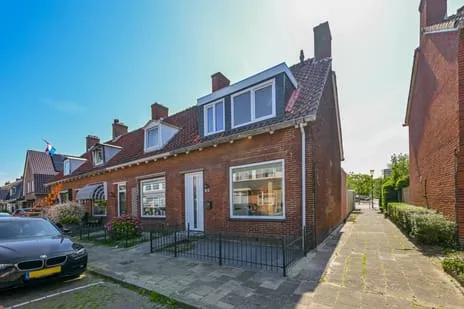
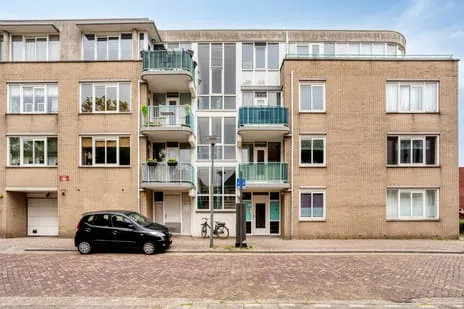

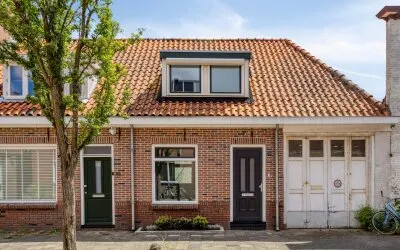
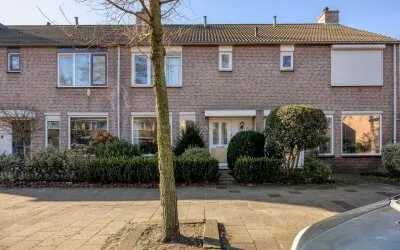
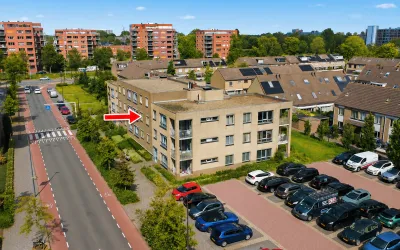
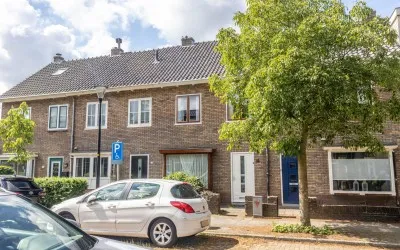
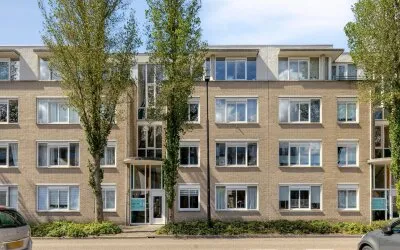
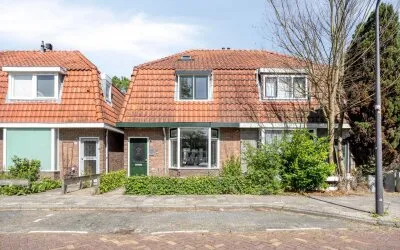
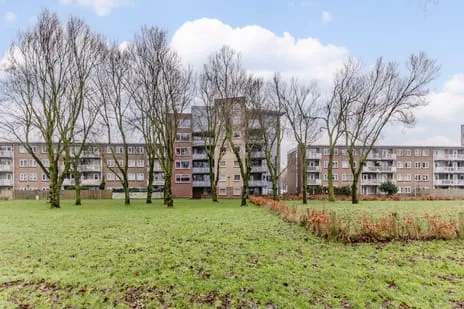
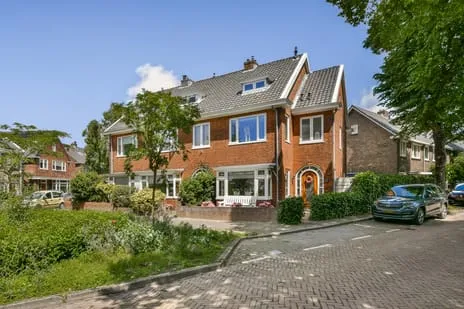
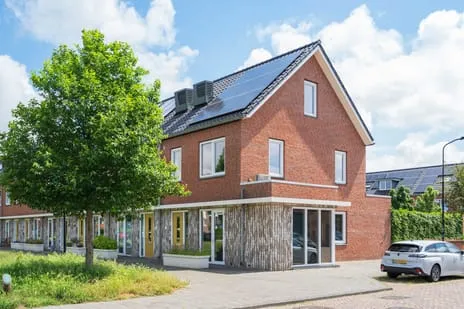
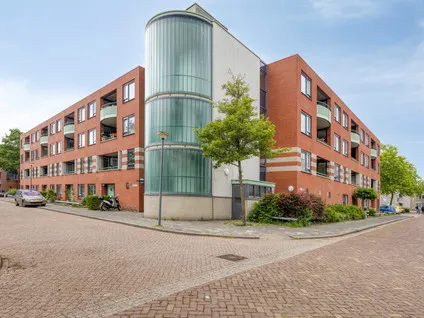
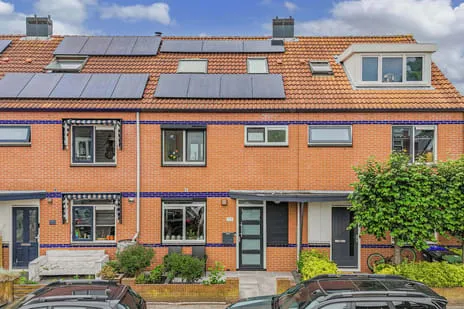
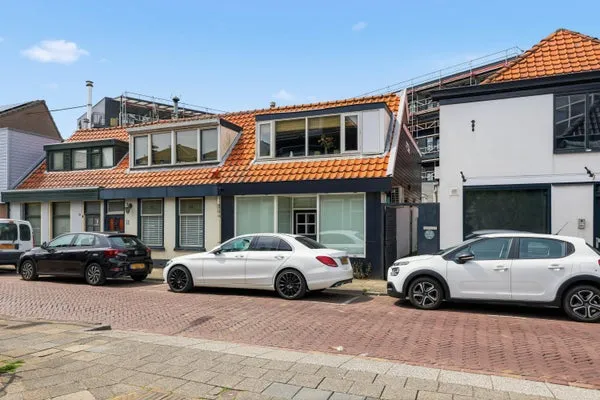
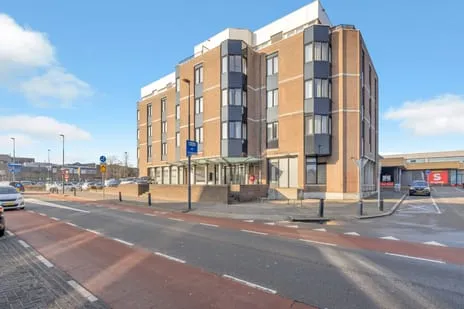
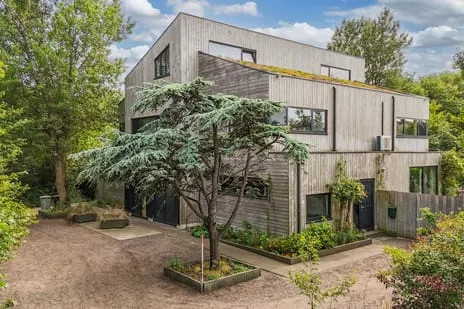
Buying a house in Beverwijk: the housing market in 2026
Beverwijk is a compact town in the IJmond region, nestled between the North Sea Canal, the dunes and the steel company Tata Steel. With around 42,866 residents, it's not a large city, but it has everything you need: a lively centre with the famous Bazaar, good train connections to Amsterdam (25 minutes) and Alkmaar, and the beach at Wijk aan Zee just around the corner. This combination of accessibility and relatively affordable homes has been attracting buyers who work in the Randstad but don't want to pay Amsterdam prices for years.
Of the nearly 19,906 homes in Beverwijk, 54% are owner-occupied. The average WOZ value is €341,000, but on the open market you pay more: the average purchase price over the past year came to €439,544. The range is wide, from €165,000 for a compact apartment to €1,464,000 for the largest detached homes. The average size of sold homes is 109 m². In the past year, 169 homes changed hands. That's not a lot for a town of this size, indicating a fairly tight market. At the top of this page you will always find the current supply, including time on market and asking prices. Buurtje.nl bundles homes from more than 1,500 sources and shows the neighbourhood score and resident reviews for each home, so you can assess not just the property but also the area.
The best neighbourhoods to buy a house in Beverwijk
Beverwijk has over ten neighbourhoods, and they differ considerably in character. From the busy shopping centre to quiet suburbs and the coastal village of Wijk aan Zee: each area attracts a different type of buyer. Below are the main neighbourhoods at a glance.
Meerestein, quiet and popular with families
Meerestein is located in the south of Beverwijk and is a typical 1970s-80s residential area with spacious family homes, wide streets and plenty of greenery. It is popular with families due to its proximity to schools and sports facilities. Residents give Meerestein an 8.4 on Buurtje.nl, the highest score of all neighbourhoods. Prices here are generally slightly above the municipal average, but you get space in return. View the supply in Meerestein for current homes.
Broekpolder, space on the edge of town
Broekpolder is a newer neighbourhood on the east side, built from the late 1990s onwards. You will find modern terraced houses, semi-detached homes and apartments. The neighbourhood scores an 8.0 with residents and is valued for its spacious layout and good amenities. For movers looking for a modern home with parking space and a garden, this is a logical choice. Prices are comparable to the Beverwijk average. View homes in Broekpolder.
Centrum, lively but mixed reviews
The centre of Beverwijk revolves around the Breestraat, the weekly market and of course the Bazaar, the largest covered market in Europe. There are many apartments above shops and in smaller complexes. The neighbourhood score is 6.9, which honestly reflects the liveliness but also the bustle and maintenance. A resident of the Centrum notes: "Amenities are good, but the beauty of the neighbourhood could be better." For starters buying an apartment in Beverwijk who enjoy activity, the centre is interesting due to lower entry prices. Discover the housing supply in the Centrum.
Kuenenkwartier, affordable but with points to note
The Kuenenkwartier lies north of the centre and is a pre-war neighbourhood with characteristic 1930s homes. With a neighbourhood score of 6.5 based on 5 reviews, it scores average. Residents appreciate the location close to the station but mention safety and beauty as areas for improvement. House prices are relatively low for Beverwijk, making it interesting for starters with a tighter budget. View the homes in the Kuenenkwartier.
In addition, there are other neighbourhoods worth exploring. Wijk aan Zee is the coastal village with its own character, popular with people seeking peace and sea, although homes there are scarce. The Vondelkwartier (6.4 with residents) offers a mix of post-war construction, and Oosterwijk en Zwaansmeer scores the lowest at 5.3, which deserves honesty: residents there more often mention nuisance and deferred maintenance. Furthermore, the Oranjebuurt, Warande and De Pijp en Wijkerbroek are worth exploring. On the municipal page of Beverwijk you will find all ratings and reviews per neighbourhood.
What to look out for when buying a home in Beverwijk?
Firstly: look carefully at the neighbourhood. The price differences within Beverwijk are large and the neighbourhood scores range from 5.3 to 8.4. A home in Meerestein or Broekpolder feels very different from one in Oosterwijk. Take time to walk through the area at different times.
Secondly: be prepared for a tight market. With 169 sales in a year, supply is limited. That means you sometimes have to act quickly and may need to bid over the asking price, especially in popular neighbourhoods. Make sure your financing is in order before you go viewing.
Thirdly: check the accessibility from your specific neighbourhood. Beverwijk scores an average of 7.6 on accessibility, but there are differences. Neighbourhoods close to Beverwijk station are convenient for commuters, while from Wijk aan Zee you are longer on the road to the motorway.
Finally: use the neighbourhood data on Buurtje.nl to compare areas on safety, amenities and greenery. That gives you a more realistic picture than just the photos in a property advert. Considering renting too? Then check out the rental homes in Beverwijk as an alternative.
What residents say about living in Beverwijk
Beverwijk receives a 6.7 from residents based on 15 reviews. That's not an outstanding score, and it fits the honest picture: the town has strong points (amenities score 8.0, education 7.5 and accessibility 7.6) but also clear areas for improvement (beauty scores 5.7 and safety 6.1). A resident of the Noordwestelijk tuinbouwgebied (8.1) writes: "Quiet living with everything within reach, yet close to the beach." On the page with all reviews about Beverwijk you can read per neighbourhood what residents experience.
Homes for sale near Beverwijk
Looking wider than just Beverwijk? The IJmond and surrounding area offer more options. View the supply in Alkmaar for a larger city with more choice, or look at Bergen if you want to head towards the coast. Those looking towards Amsterdam can check out homes in Amsterdam, Amstelveen or Aalsmeer. This way you can easily compare prices and neighbourhood scores across the entire province of North Holland.
View the current supply of homes for sale in Beverwijk
At the top of this page you will find all homes for sale in Beverwijk currently available, bundled from more than 1,500 sources. Use the filters to search by price, size or energy label. For each home you will immediately see the neighbourhood score and reviews of the area, so you know what to expect before planning a viewing. More background information about the municipality can be found on the website of the municipality of Beverwijk.
Frequently asked questions
How many owner-occupied homes are for sale in Beverwijk?
The current number of owner-occupied homes in Beverwijk changes daily. At the top of this page you can see the current supply, aggregated from more than 1,500 sources. In the past year, 169 homes were sold, indicating a relatively tight market.
What does a home cost in Beverwijk?
The average purchase price in Beverwijk over the past year is €439,544. The cheapest homes sold for around €165,000, while the most expensive sale reached €1,464,000. Prices vary significantly by neighbourhood: in Kuenenkwartier you pay less than in Meerestein or Broekpolder.
What is the average price per square metre in Beverwijk?
Based on an average purchase price of €439,544 and an average floor area of 109 m², the price per square metre is approximately €4,032. This varies by property type: apartments have a higher m² price than single-family homes.
How long does a home typically stay on the market in Beverwijk?
The current average selling time can be found at the top of this page, as it changes regularly. With 169 sales on a stock of over 10,700 owner-occupied homes, the market in Beverwijk is quite tight. Popular neighbourhoods like Meerestein and Broekpolder generally sell faster than less sought-after areas.
Which neighbourhoods in Beverwijk are most popular for buying a home?
Based on neighbourhood scores, Meerestein (8.4), Noordwestelijk tuinbouwgebied (8.1) and Broekpolder (8.0) are rated highest by residents. Meerestein is popular with families, Broekpolder attracts movers with modern homes, and the Centrum (6.9) is interesting for starters who want to live close to amenities.
Is Beverwijk a good place to buy a home?
Beverwijk offers good value for money compared to Amsterdam and Haarlem. The city has 42,866 inhabitants, a labour participation rate of 65% and good train connections. Strengths are amenities (8.0) and accessibility (7.6). Points of attention are safety (6.1) and beauty (5.7). The WOZ value of €341,000 is below the average purchase price, indicating potential for price appreciation.
What are the additional costs when buying a home in Beverwijk?
Expect 4 to 6% on top of the purchase price in additional costs. This includes 2% transfer tax (buyers under 35 and a home under €510,000 may qualify for the starter exemption), notary fees, valuation costs and possibly estate agent fees. At an average purchase price of €439,544, this amounts to approximately €17,500 to €26,000.
How accessible is Beverwijk?
Beverwijk scores a 7.6 on accessibility. Beverwijk Station offers direct trains to Amsterdam Centraal (about 25 minutes) and Alkmaar. Via the A9 and A22 you are quickly on the motorway. Accessibility varies by neighbourhood: Kuenenkwartier and Centrum are close to the station, while Wijk aan Zee is more car-dependent.
Can I search for owner-occupied homes by neighbourhood in Beverwijk?
Yes, Beverwijk is divided into several neighbourhoods, each with its own page. Per neighbourhood you can see the available supply, the neighbourhood score and resident reviews. This allows you to search specifically in, for example, Meerestein, Broekpolder, the Centrum or Kuenenkwartier and compare neighbourhoods with each other.
How many homes are there in total in Beverwijk?
Beverwijk has 19,906 homes. Of these, 54% are owner-occupied and 46% are rental homes (of which 36% are owned by housing corporations). The average income per resident is €36,100 and 24% of the population is highly educated. The largest age group is 25-45 years, which fits a city that attracts many young buyers.
The neighbourhood exists. Not much happens, it lacks vibrancy. The festivities of yesteryear are no more. However, it is still closer-knit than most neighbourhoods. Additionally, the area is flooded with work vans and parking has become abysmal since the permit zone was expanded to our neighbourhood. Some trees have been planted, but much more greenery could and should be added to the existing planters, bay windows, and such. Furthermore, the neighbourhood is rather drab, which happens quickly when the houses are literally painted grey. There is also a lot of illegal dumping. There is always some rubbish lying around somewhere. The bus routes in the area, if they even run nearby, are not great. They rarely go where you want to go. Postboxes are also disappearing, and even polling stations are hard to find.
Auto-translated to English by AIWhat a wonderful place I find Beverwijk! The location is fantastic: I love being so close to the coast. A quick stroll on the beach at Wijk aan Zee is easily done, and the dunes always offer a beautiful piece of nature for walking or cycling. I love breathing in the sea air. The shopping options: The Bazaar is of course unique and something I really enjoy. It's a fantastic, bustling place where I always find something special. The diversity there is great! But I also find the atmosphere in the city centre very pleasant. The people and the atmosphere: I experience Beverwijk as a place with a down-to-earth, cosy and cordial atmosphere. The people here are direct, and I like that. I really feel at home here. Culture and history: The historical elements, such as the ruins of Huis te Beverwijk, appeal to me a lot. I find it interesting to learn more about them. For me, Beverwijk is just a nice, lively municipality with a perfect mix of urban conveniences, history and nature. I wouldn't want to leave here! The only downside is the education in the neighbourhood. There are enough schools, but the level of the teachers and the education is very mediocre. This MUST be improved for the next generation.
Auto-translated to English by AIThe neighbourhood has deteriorated badly in the years we've lived here. They just cram everything in. Gardens with weeds, lots of rubbish in front and back gardens and on the street. No respect for each other at all. Still holding on but would love to leave. The housing association does very little. Only when you move out does the house get properly insulated with new floors. The ventilation system is NEVER cleaned. Draughty as hell here.
Auto-translated to English by AIThe Westertuinen actually consists of two neighbourhoods: the one below the Plesmanweg and the one above the Plesmanweg. I am writing about the first, but my experiences may also apply to the neighbourhood north of the Plesmanweg. The Westertuinen is a quiet and tidy neighbourhood with plenty of greenery and many well-maintained front gardens. I think it is one of the better neighbourhoods in Beverwijk, but perhaps a bit less cosy. A major drawback is the smell from the industry when the wind is from the west. Several schools and supermarkets are easily reachable by bike. For public transport, you have to put in a bit more effort. There are also plenty of playgrounds within walking distance. When I go on holiday, friends and acquaintances always want to use my house because they can drive to the beach every day.
Auto-translated to English by AIThe cosiness is gone. Since the neighbourhood became multicultural. More fear. Alcohol and drugs. Rats.. no school in the neighbourhood anymore. Few trees and shrubs. Lots of one-way traffic.
Auto-translated to English by AIMost residents are very helpful
Auto-translated to English by AIIt's a reasonably neat neighbourhood, but in the evening there are many groups of young people hanging around who are not from the area. Other than that, it's okay.
Auto-translated to English by AIIn the 13 years we have lived here, we have seen the neighbourhood go from beautiful to run-down. Rubbish bags or rags stuck on windows, front gardens used as storage for trailers, mess and weeds. Back gardens are used as dumping grounds. Luckily our row is still quite good. They cram everything in. Let them live in a flat if they can't keep their garden tidy. In the meantime, a few car fires and explosions near houses. Safety is hard to find. Everyone should keep their street and area clean and weed-free. It's a 30 km/h zone but people drive way too fast while there is a school and daycare nearby. Such a shame about what was once such a nice neighbourhood.
Auto-translated to English by AI