Homes for sale in De Haven, Nissewaard
Discover homes for sale in De Haven and view the current supply, current asking prices and selling times directly at the top of this page.
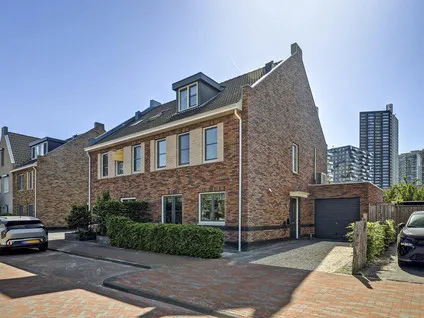
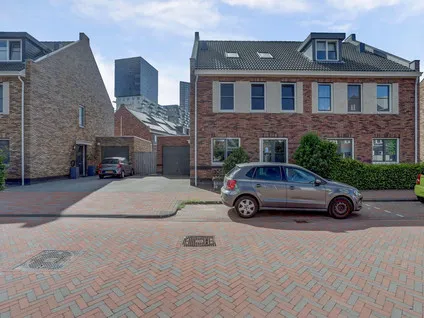

House prices and market figures De Haven, Nissewaard
De Haven is a pronounced owner-occupied neighbourhood: as many as 98% of the 160 homes are owner-occupied, rental properties are hardly found here. This makes it a stable, owner-oriented environment where residents generally live long-term. The average WOZ value is €458,000, well above the neighbourhood average of De Elementen (€410,000) and significantly above the municipal average of Nissewaard as a whole (€279,000). That price difference is no coincidence: De Haven attracts a selective group of buyers who consciously choose this waterside location.
In the past twelve months, ten homes changed hands, with an average selling price of €605,480. The range runs from €299,900 to €750,000, showing that both entry-level homes and spacious detached houses come onto the market. With an average living area of 135 m², this works out to a price of approximately €4,485 per square metre. That is substantial, but fits the character of the neighbourhood. View the current supply and current asking prices at the top of this page.
Living in De Haven, Nissewaard
De Haven is not an ordinary residential neighbourhood. The name says it all: this is a neighbourhood built around water, with a harbour character that you find in few other residential areas of Nissewaard. Think homes with water views, moorings for boats and an atmosphere somewhere between living and recreation. The neighbourhood is relatively small and compact, with around 930 residents spread over a limited number of homes. This gives a certain seclusion that residents appreciate.
The homes are predominantly spacious and detached or semi-detached, consistent with the average selling prices and the high proportion of families with children. The neighbourhood has relatively many families (190 households with children), which translates into a quiet, family-oriented dynamic. The labour participation rate of 82% and the average income of €49,300 are clearly above the municipal average, contributing to a well-maintained living environment.
In terms of amenities, De Haven relies on the wider Nissewaard area. The Stadshart Spijkenisse shopping centre, a few minutes' drive away, offers a full range of supermarkets, shops and eateries. For daily groceries, you can also go to the supermarkets along the Groene Kruisweg. Primary schools are available in the surrounding neighbourhoods, and several secondary schools are accessible in Spijkenisse. Sports clubs and recreational facilities can be found in the nearby neighbourhoods of De Elementen.
Accessibility is a strong point of De Haven. Heemraadlaan metro station and Spijkenisse station are a short distance away, allowing you to reach Rotterdam Central in about 25 minutes via the metro (line D). The connection to the A15 and A29 also makes car drivers quickly mobile towards Rotterdam, Dordrecht or the Hoeksche Waard. Cyclists can explore the area well via the regional cycle network.
Residents of De Haven speak about their neighbourhood with a certain pride, but also with realism. On the neighbourhood main page of De Haven you will find all reviews and neighbourhood data. One resident describes it as follows: "Living by the water gives a holiday feeling, but you have to like that it gets quiet here quickly in the evening." That is precisely the dichotomy that comes back: people looking for peace and water are in the right place here, those looking for liveliness and urban dynamics should look at neighbourhoods like Centrum or Vierambachten.
Compared to sister neighbourhoods within De Elementen, De Haven has a clear identity of its own. Het Land is greener and more family-oriented, while De Dijk has a slightly different housing mix. De Haven distinguishes itself by its harbour character and higher average property values.
For whom is a home for sale in De Haven the right choice?
De Haven best suits families and dual-income couples who consciously choose space, water and peace, and are willing to pay a higher price for it. With an average purchase price of over €600,000, this is not a starter neighbourhood. Starters who still want to live in the area should look at other neighbourhoods within De Elementen or elsewhere in Nissewaard. Keep in mind that supply is limited and homes sell quickly. Overbidding is not uncommon in this segment. Not sure if buying is the right time now? Then also check the rental properties in De Haven as a temporary alternative.
What residents say about De Haven
Residents appreciate De Haven especially for its waterside location, peace and quality of homes. Critical comments sometimes concern the limited walking distance to amenities and the quiet evenings. One resident writes: "I wouldn't want to live anywhere else, but you shouldn't expect to find everything around the corner here." View all reviews, scores per category and the full neighbourhood data on the page of De Haven.
Compare homes for sale in and around De Haven
Buurtje.nl combines current housing supply from more than 1,500 sources with resident reviews and neighbourhood data at the neighbourhood level. This way you can not only filter by price or size, but also understand what it really means to live in a neighbourhood before planning a viewing. Compare De Haven with surrounding neighbourhoods such as Hoogwerf or Schiekamp, explore the full supply within De Elementen, or view all homes for sale in Nissewaard. More information about the municipality can be found on the website of the municipality of Nissewaard.
Frequently asked questions
What does a home cost in De Haven?
In the past twelve months, the average purchase price in De Haven was €605,480. The range runs from €299,900 to €750,000, depending on the type and size of the home. With an average living area of 135 m², this works out to a price of approximately €4,485 per square metre. This is significantly above the municipal average of Nissewaard.
What is the WOZ value in De Haven?
The average WOZ value in De Haven is €458,000. That is clearly higher than the average for the De Elementen district (€410,000) and well above the municipal average of Nissewaard (€279,000). The higher WOZ value reflects the attractive waterside location and the quality of the housing stock.
What is it like to live in De Haven?
De Haven is a quiet, small-scale neighbourhood with a strong harbour character and many homes on or near the water. The neighbourhood has around 930 residents and a family-oriented atmosphere. Residents appreciate the tranquillity and the waterside location, but indicate that amenities within walking distance are limited. For daily groceries and more extensive shops, you are dependent on the Spijkenisse area.
Is De Haven suitable for families with children?
Yes, De Haven is a popular neighbourhood for families. Over 190 households with children live here, and the largest age group consists of 25- to 45-year-olds. The homes are generally spacious, the neighbourhood is quiet, and primary schools are accessible in the surrounding districts. However, the higher house prices make it less suitable for young starters.
How accessible is De Haven?
De Haven is well accessible by public transport. Via the metro (line D) towards Rotterdam Central, you can reach the centre of Rotterdam from Spijkenisse in about 25 minutes. By car, you quickly connect to the A15 and A29, making Dordrecht and the Hoeksche Waard also easily accessible. Cycling is pleasant via the regional cycle network.
What type of homes are for sale in De Haven?
The supply in De Haven mainly consists of larger single-family homes, partly detached or semi-detached, matching the higher price range. The average living area of sold homes in the past twelve months was 135 m². Buying apartments in De Haven is less common; the neighbourhood is strongly oriented towards ground-bound homes. The total housing supply is limited, with only 160 homes in the neighbourhood.
Is there sufficient parking in De Haven?
De Haven is a relatively sparsely populated neighbourhood with 160 homes and around 930 residents. The parking pressure is therefore generally lower than in denser residential areas. Most homes have their own driveway or garage, which usually makes parking no problem for residents. Visitors can park on the street in most streets.