Homes for sale in De Dijk, Nissewaard
Discover the current supply of homes for sale in De Dijk and view neighbourhood data, resident reviews and market figures to determine if this neighbourhood suits you.

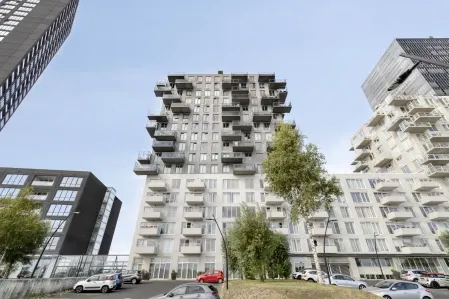
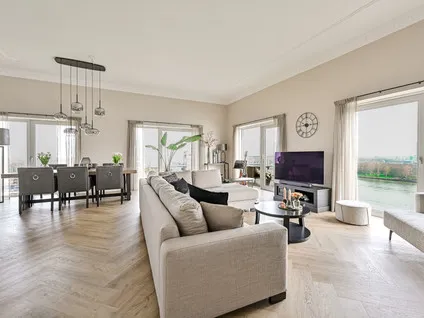
House prices and market figures De Dijk, Nissewaard
The owner-occupied market in De Dijk is relatively stable and limited in size. Of the 896 homes in the neighbourhood, 53% are owner-occupied, the rest are rental, a large part of which is owned by housing associations (34%). This makes the supply of owner-occupied homes scarce, which drives up prices. Over the past twelve months, 10 homes were sold with an average purchase price of €485,900. The range was between €450,000 and €525,000, with an average living area of 93 m². This amounts to over €5,200 per m², which is on the high side for Nissewaard.
The average WOZ value in De Dijk is €358,000. This puts the neighbourhood below the district average of De Elementen (€410,000), but well above the municipal average of Nissewaard (€279,000). The higher sale prices compared to the WOZ value indicate an active market where buyers are willing to pay a significant premium. Homes here are predominantly ground-based, think terraced houses and semi-detached houses from the 1960s and 1970s. Apartments are less common. Check the current supply and average asking price at the top of this page for the most recent status.
Living in De Dijk, Nissewaard
De Dijk is a quiet, largely ageing residential neighbourhood on the north side of Spijkenisse, part of the municipality of Nissewaard. The name refers to its historic location along the Oude Maas and the surrounding dyke structure. It is not a neighbourhood that stands out for new construction or urban dynamism, but rather for a certain peace and orderliness. The streets are spacious, there is plenty of greenery, and the buildings mainly consist of single-family homes with front and back gardens.
The population composition is strikingly one-sided: of the 1,560 residents, more than half are 65 years or older (910 people). Young families and people between 25 and 45 are clearly in the minority. This colours the atmosphere of the neighbourhood: it is quiet, the streets are calm during the day, and social cohesion is high among the older residents. If you are looking for a lively, young neighbourhood, honestly, this is not the place.
For daily groceries, you can go to the shops in the nearby shopping centre in Spijkenisse-centrum, within cycling distance. The neighbourhood itself has no supermarket, but accessibility by bike to amenities is acceptable. Sports clubs and primary schools are present in the wider Spijkenisse area, but not right around the corner. Elderly residents appreciate the proximity of care facilities and the relative peace.
In terms of accessibility, De Dijk is reasonably well connected. Spijkenisse has a metro station on line D (Calandlijn), with which you can reach Rotterdam Centraal in about 35 minutes. From De Dijk, that station is reachable by bike in about ten minutes. By car, you connect to the regional road network via the N57 and A15. Parking is not a problem in the neighbourhood: there is sufficient public parking space available.
Residents appreciate De Dijk for its peace and space. One resident writes: "It is wonderfully quiet here and the neighbours still know each other. You do notice that the neighbourhood is getting older, but that also gives a certain atmosphere of familiarity." Criticism sometimes focuses on the limited amenities directly in the neighbourhood and the ageing appearance of some street sections. View all reviews and neighbourhood scores on the information page of De Dijk.
Compared to sister neighbourhoods within De Elementen, De Dijk has a different character than De Haven, which is more focused on water and recreation, or Het Land, which has a somewhat younger population structure. If you find the peace of De Dijk appealing but are also curious about other options within the district, you can find a broader overview on the page owner-occupied homes in De Elementen.
Who is a home in De Dijk interesting for?
De Dijk mainly appeals to seniors and pensioners looking for a quiet, ground-based owner-occupied home with little hassle. The low labour participation rate (46%) and the high proportion of over-65s confirm that picture. Young starters or families with children may find the neighbourhood too quiet and lacking in amenities. With an average sale price of nearly €486,000, this is not a cheap neighbourhood: a solid own capital or high mortgage capacity is required. Supply changes limitedly, so if you are serious about buying in De Dijk, it is wise to act quickly as soon as something becomes available. As an alternative, there are also rental homes in De Dijk available, which can be an option if you want to get to know the neighbourhood first.
What residents say about De Dijk
Residents rate De Dijk predominantly positively on peace, safety and social atmosphere. They are less enthusiastic about the level of amenities and liveliness. One resident describes it like this: "De Dijk is exactly what you expect: quiet, tidy and familiar. Not exciting, but that doesn't always have to be." For a complete picture of resident experiences, including scores per category such as safety, greenery and accessibility, you can visit the neighbourhood page of De Dijk with all reviews and neighbourhood data.
Compare owner-occupied homes in and around De Dijk
Buurtje.nl bundles the supply from more than 1,500 sources in one place, supplemented with resident reviews and neighbourhood data that you won't find anywhere else in this way. This allows you to compare not only on price, but also on atmosphere and liveability. In addition to De Dijk, you will also find supply in surrounding neighbourhoods such as Bedrijventerrein Haven-Noord and in other districts such as Centrum or Vierambachten. For a complete overview of the supply in the municipality, you can also look at all owner-occupied homes in Nissewaard. More information about the municipality can be found on the website of the municipality of Nissewaard.
Frequently asked questions
What does a home cost in De Dijk?
Over the past twelve months, the average purchase price in De Dijk was €485,900. Sale prices ranged between €450,000 and €525,000, with an average living area of 93 m². That works out to about €5,200 per m². This makes it one of the more expensive neighbourhoods in Nissewaard, where the municipal average WOZ value is €279,000.
What is the WOZ value in De Dijk?
The average WOZ value in De Dijk is €358,000. This puts the neighbourhood above the municipal average of Nissewaard (€279,000), but below the district average of De Elementen (€410,000). Actual sale prices are significantly higher than the WOZ value, indicating an active buyer's market with limited supply.
What is it like living in De Dijk?
De Dijk is a quiet, largely ageing residential neighbourhood in Spijkenisse with plenty of greenery and spacious streets. The atmosphere is calm and familiar, with strong social cohesion among older residents. Those seeking hustle and bustle may find the neighbourhood too quiet. Residents particularly appreciate the peace, safety, and space around the homes.
Is De Dijk suitable for seniors looking to buy a home?
De Dijk is pre-eminently a neighbourhood for seniors and pensioners. More than half of the residents are aged 65 or older, and the neighbourhood exudes that atmosphere: quiet, orderly, and with many ground-floor homes with gardens. Care facilities are available in the area. However, a substantial budget is required, as the average sale price is around €486,000.
How accessible is De Dijk?
De Dijk is located in Spijkenisse, which has a metro station on line D (Caland line). From the station, you can reach Rotterdam Centraal in about 35 minutes. From De Dijk, the metro station is about a ten-minute bike ride away. By car, you can quickly connect to the regional road network via the N57 and A15. Parking in the neighbourhood is not a problem.
What types of homes are for sale in De Dijk?
The housing supply in De Dijk mainly consists of ground-floor single-family homes, such as terraced houses and semi-detached houses from the 1960s and 1970s. Buying apartments in De Dijk is less common. The homes typically have a front and back garden. With an average sale area of 93 m², they are medium-sized homes.
Is there much supply if you want to buy a home in De Dijk?
The supply of homes for sale in De Dijk is limited. In the past twelve months, only 10 homes were sold, indicating little turnover. Of the 896 homes in the neighbourhood, 53% are owner-occupied, but a large portion of the stock is owned by housing corporations or other landlords. Those serious about buying should act quickly when something becomes available.