Homes for sale in De Punt, Amsterdam
Looking for a home to buy in De Punt? Check the current listings on this page, including asking prices and selling times.

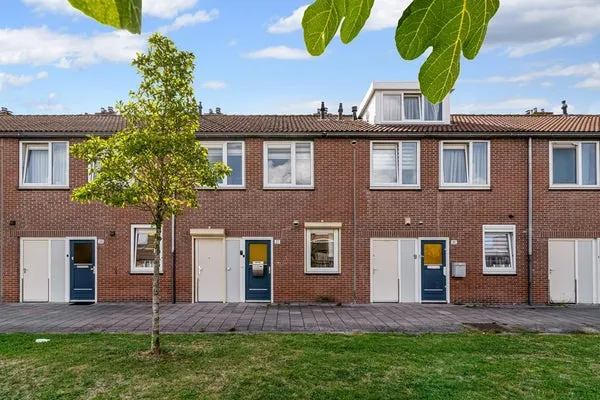
House prices in De Punt: well below the Amsterdam average
De Punt is predominantly a rental district: 67% of the housing stock is rental, a large part of which is through housing associations. Only 33% of the more than 2,600 homes are owner-occupied. This limited owner-occupied segment does have a clear price tag. Over the past twelve months, 63 homes were sold with an average purchase price of €355,278. The range runs from €265,000 to €769,000, with an average living area of 74 m². The WOZ value is €325,000, which is significantly lower than the Amsterdam average of €517,000. So anyone looking for a home to buy in De Punt pays less than in most other districts of Amsterdam. The current supply, the average asking price and the time on market can be found at the top of this page.
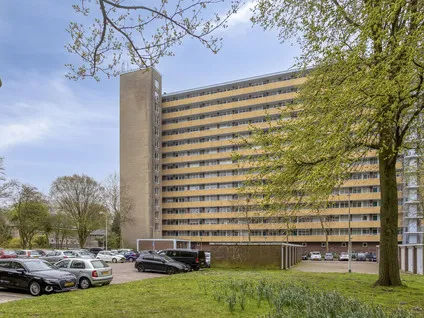
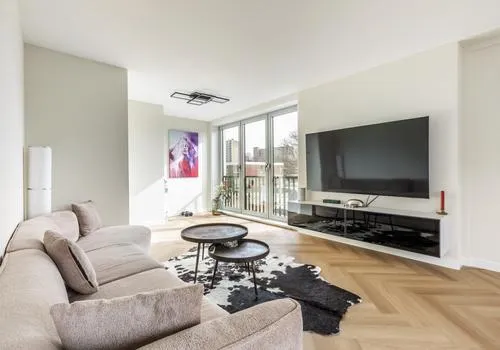
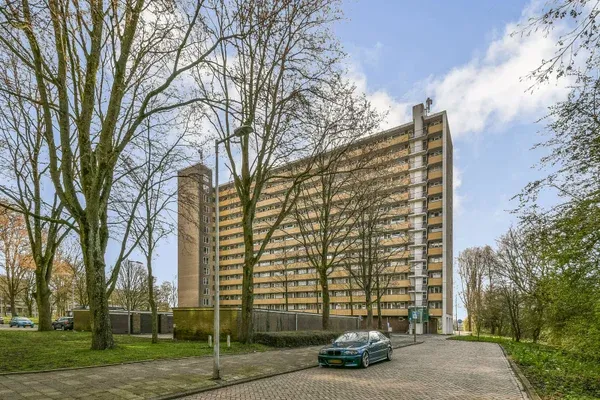
The supply largely consists of porch apartments and maisonettes from the 1960s and 1970s, fitting the post-war urban design of the district. Large single-family homes are scarce. Those looking for space for a family need to search specifically or look at neighbouring neighbourhoods such as Dijkgraafpleinbuurt.
Living in De Punt: compact, mixed and functional
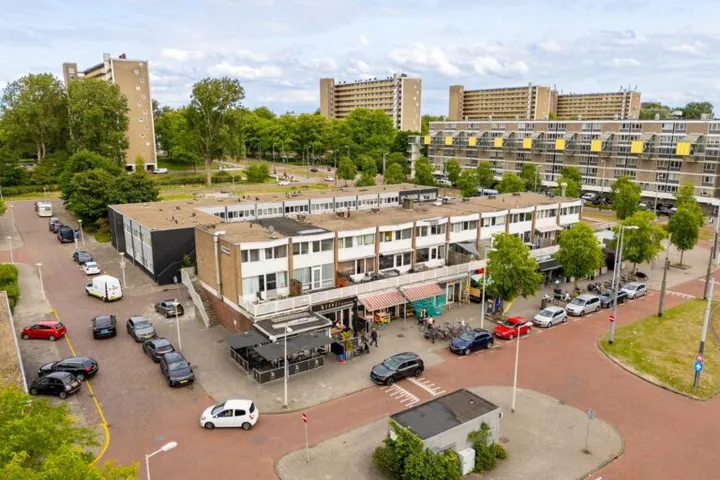
Living in De Punt means living in a district that has never tried to be hip, but where it just works. The population is young and mixed: the largest group of residents is between 25 and 45 years old, and single-person households are the most common. The atmosphere is down-to-earth and direct, with a strong presence of different cultures and backgrounds. On the district page of De Punt, residents give the neighbourhood a 6.3 out of ten. Accessibility (7.5) and safety (7.0) score the best. Resident David sums it up succinctly: everything within a one-kilometre radius, from eateries to electronics, playgrounds, schools, mosque and supermarket. That is correct. De Punt has its own level of amenities that you sometimes miss in more expensive districts.
Yet the picture is not entirely positive. Resident Maevis gives the district a 5.1 and writes that loitering youths cause nuisance and create a feeling of insecurity, even though she finds the neighbourhood itself cosy and green for a city. Amenities and education score the lowest in the resident rating (both 5.5). There are primary schools in the area, but parents who choose a specific educational profile drive or cycle elsewhere. For daily groceries, there is a supermarket within walking distance. The Osdorp shopping centre is a short bike ride away and offers a wider range. The area around Bedrijvencentrum Osdorp borders directly on the district and is relevant for those who also want employment nearby.
In terms of accessibility, De Punt scores reasonably well. Several bus lines connect the district with Amsterdam city centre and with metro stops on the North-South line and the Ring line. By car, the A10 is quickly accessible. Those used to the city centre such as the Jordaan or the Grachtengordel-West will notice that De Punt is further from the centre, but the travel time by public transport to the city centre is usually less than twenty minutes. The municipality of Amsterdam provides up-to-date information on permits, parking and district development relevant to buyers via amsterdam.nl.
For whom is buying in De Punt a realistic option?
De Punt attracts first-time buyers and buyers with a limited budget who still want to live in Amsterdam. With an average purchase price of over €355,000 and an entry price from €265,000, buying an apartment in De Punt is more affordable than in districts such as the Haarlemmerbuurt. Bear in mind additional costs: transfer tax (2% for non-first-time buyers above the NHG limit), notary fees and possible valuation costs. Supply is limited, so acting quickly pays off. Those who want to orient themselves first or are not yet ready to buy can also look at rental homes in De Punt as an intermediate step.
Finding available homes for sale in De Punt
Buurtje.nl combines the current housing supply with resident reviews and district statistics, so you choose not just a home but also a neighbourhood. Compare De Punt with other Amsterdam districts such as Burgwallen-Nieuwe Zijde or view the full overview of homes for sale in Amsterdam to see where your budget fits best.
Frequently asked questions
What does a home cost in De Punt, Amsterdam?
Over the past twelve months, 63 homes were sold in De Punt with an average purchase price of €355,278. Prices ranged from €265,000 to €769,000. The average living area was 74 m². This is significantly lower than the Amsterdam average, making De Punt relatively accessible for buyers with a limited budget.
What is the WOZ value of homes in De Punt?
The average WOZ value in De Punt is €325,000. For comparison, the municipal average for Amsterdam is €517,000. De Punt thus has one of the lower WOZ values within the municipality, which is also reflected in market purchase prices.
What types of homes are available if you want to buy a home in De Punt?
The owner-occupied segment in De Punt mainly consists of porch apartments and maisonettes from the 1960s and 1970s. Large single-family homes are scarce. If you want more space, you can also look at adjacent neighbourhoods within the district. Supply is limited because 67% of the housing stock is rental housing.
How accessible is De Punt by public transport and car?
De Punt is connected to several bus lines that run towards the centre of Amsterdam and connect to the metro. By car, the A10 is quickly reachable. Travel time to Amsterdam city centre by public transport is usually less than twenty minutes. Residents rate accessibility a 7.5 out of ten, the highest score in the neighbourhood assessment.
What are the additional costs when buying an apartment in De Punt?
In addition to the purchase price, as a buyer you pay transfer tax (2% for non-starters, 0% for starters up to the legal limit), notary costs for the deed of transfer and mortgage deed, and possibly valuation costs and advisory fees for a mortgage advisor. On average, expect 3 to 6% of the purchase price in additional costs. Make sure you are well informed before making an offer.
Everything within a 1km range from eatery to electronics, playgrounds, schools, mosque, supermarket, everything in a row
Auto-translated to English by AINice neighbourhood and people, lots of greenery for a city, loitering youths cause a lot of nuisance and a feeling of insecurity.
Auto-translated to English by AI