Homes for sale in Dijkgraafpleinbuurt, Amsterdam
Discover the current supply of homes for sale in Dijkgraafpleinbuurt and compare prices, neighbourhood scores and resident reviews before making a choice.

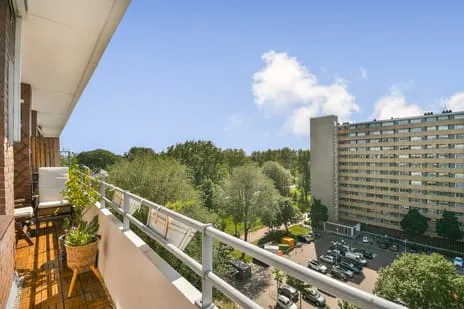
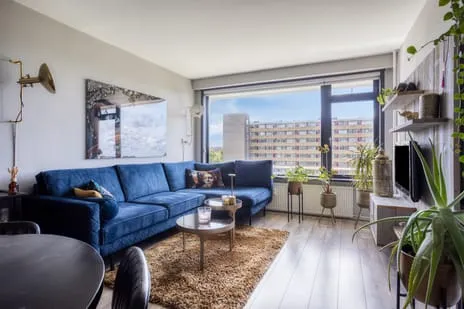
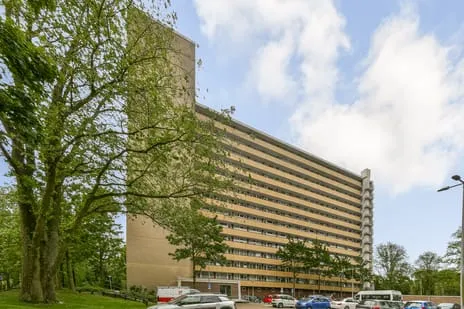
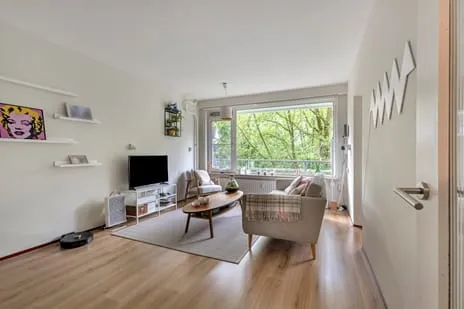
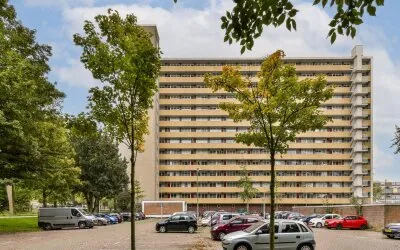
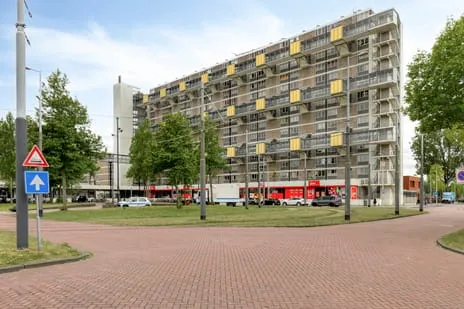
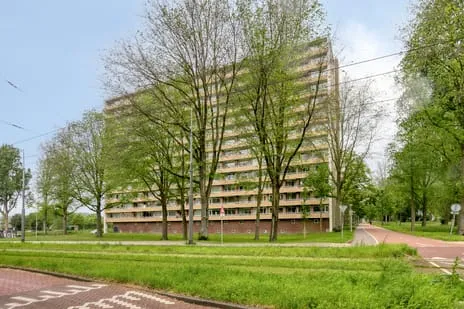
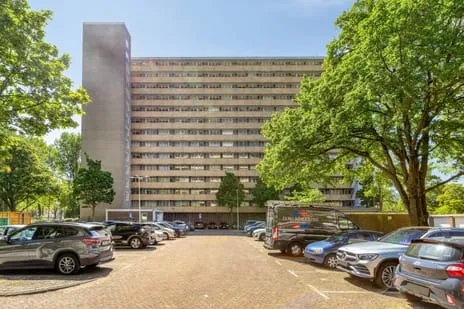
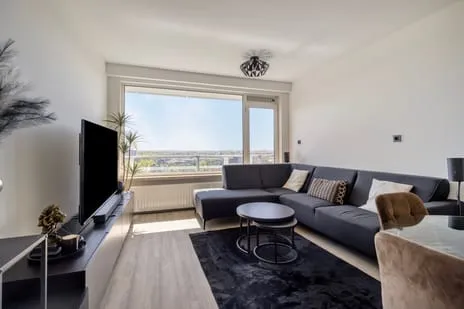
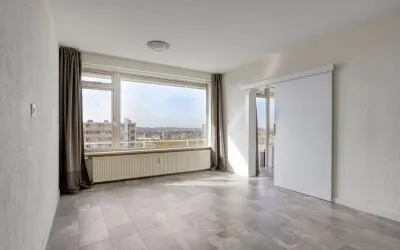
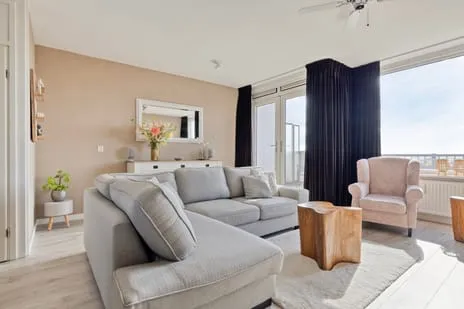
House prices and market figures Dijkgraafpleinbuurt, Amsterdam
The owner-occupied market in Dijkgraafpleinbuurt is relatively accessible by Amsterdam standards. Of the more than 2,600 homes in the neighbourhood, only 33% are owner-occupied, while 67% fall into the rental sector. This means that owner-occupied homes in Dijkgraafpleinbuurt are scarce and quickly in demand when available. The average WOZ value is €327,000, which is almost equal to the district average of De Punt (€325,000) but significantly lower than the Amsterdam average of €517,000. This difference makes the neighbourhood interesting for buyers who want to stay within the municipal boundaries of Amsterdam but do not want to pay the capital's top prices.
Over the past twelve months, 61 homes were sold, with an average purchase price of €353,811. Prices ranged from €265,000 to €769,000, indicating that both entry-level homes and larger properties come onto the market. The average living space sold was 73 m², which works out to approximately €4,847 per square metre. The supply consists mainly of apartments in post-war stamp blocks and porch flats. For current asking prices and the current number of available homes, see the overview at the top of this page.
Living in Dijkgraafpleinbuurt, Amsterdam
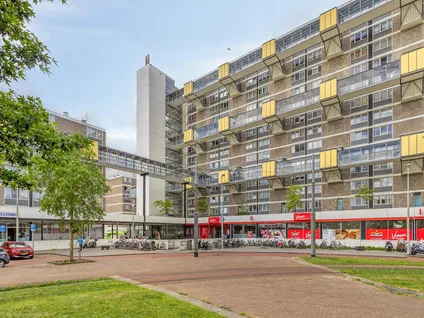
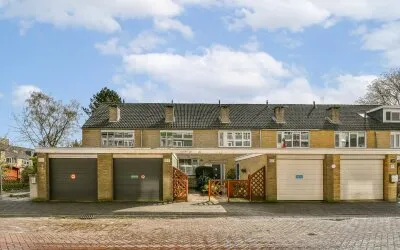
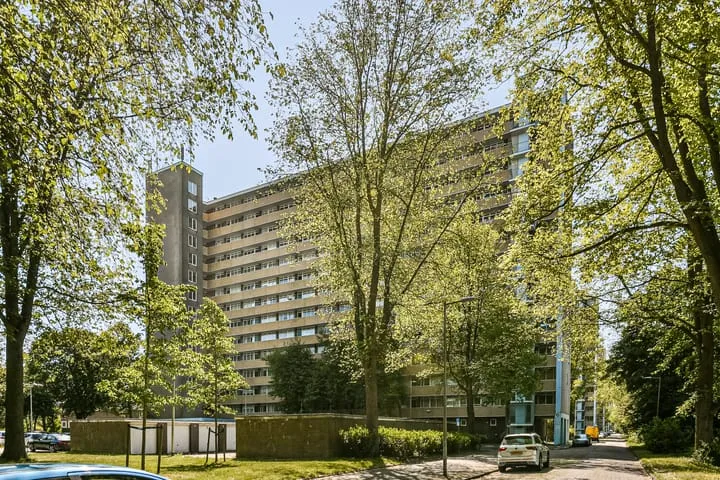
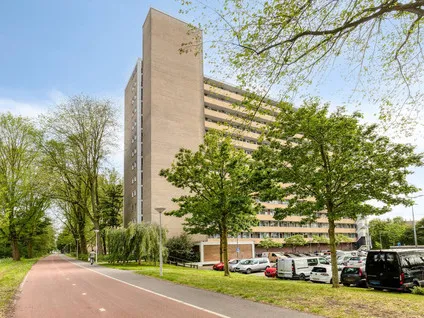
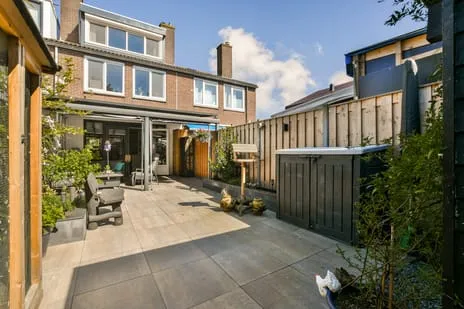
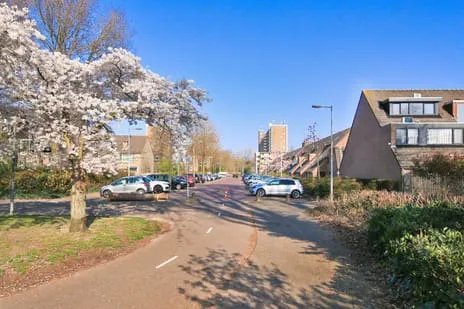
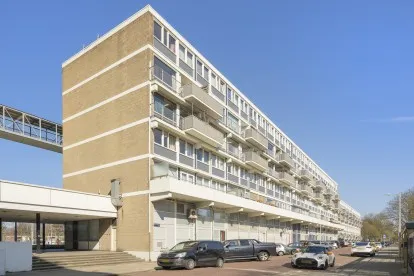
Dijkgraafpleinbuurt is located in the western part of Amsterdam, in the De Punt district in the Nieuw-West borough. It is a compact, densely populated neighbourhood with a distinctly urban character, but without the hustle and bustle of the city centre. The buildings largely date from the 1960s and 1970s: porch flats, gallery flats and a few terraced houses. The streets are laid out wide, with space for greenery and parking bays, although the greenery is sometimes a bit bare and worn. The neighbourhood has a functional appearance that is not immediately atmospheric, but is practically arranged.
What sets the neighbourhood apart is the density of amenities within walking distance. Around Dijkgraafplein and the Osdorp shopping strip you will find supermarkets, a pharmacy, a GP, various eateries and shops for daily groceries. Resident David describes it aptly: "Everything within a 1 km range, from restaurants to electronics, playgrounds, schools, mosque, supermarket, everything in a row." For families, this is a concrete advantage: primary schools, playgrounds and sports facilities are accessible by bike or on foot. Sloterpark and Sloterplas, a few minutes away by bike, offer greenery and recreational opportunities that you do not have so close by in many other Amsterdam neighbourhoods.
Accessibility by public transport is one of the neighbourhood's stronger points. Metro line 50 (the Ring Line) has a stop nearby, and several bus lines connect Dijkgraafpleinbuurt with the city centre and other districts. By bike, you can reach Central Station in about 25 to 30 minutes. By car, the connection to the A10 and A9 is quickly reached via the Osdorp roads, making the neighbourhood attractive for commuters.
Residents give the neighbourhood an overall score of 6.3 out of 10. Accessibility (7.5) and safety (7.0) score best. Less positive are the scores for education (5.5) and amenities (5.5), although the latter does not entirely match the practice David describes. Resident Maevis adds a note that often comes up in conversations about the neighbourhood: "Nice neighbourhood and people, lots of greenery for a city, loitering youth problems cause a lot of nuisance and a feeling of insecurity." That is an honest signal for buyers who value peace and social safety on the street. View all reviews and sub-scores on the Dijkgraafpleinbuurt overview page.
Compared to other neighbourhoods in De Punt, Dijkgraafpleinbuurt is similar in character and price level. Those also considering Bedrijvencentrum Osdorp will notice that that area has a completely different, more business-oriented profile. Outside Nieuw-West, districts such as the Haarlemmerbuurt or the Jordaan are completely different in atmosphere and significantly more expensive.
Who is a home for sale in Dijkgraafpleinbuurt interesting for?
The neighbourhood mainly attracts first-time buyers and young families who want to buy in Amsterdam but do not have the budget for the city centre or popular western garden cities. With an entry price from around €265,000, buying an apartment in Dijkgraafpleinbuurt is more realistic for first-time buyers than in most other Amsterdam neighbourhoods. The presence of schools, playgrounds and daily amenities also makes it suitable for young families. Seniors looking for peace and a quiet streetscape will find the neighbourhood less suitable given the youthful population composition and the nuisance problems some residents mention. Keep in mind that the owner-occupied share is low (33%), meaning supply remains limited and can be snapped up quickly. If you want to stay flexible, you can also look at rental homes in Dijkgraafpleinbuurt as an alternative.
What residents say about Dijkgraafpleinbuurt
Based on resident reviews, the neighbourhood scores a 6.3 out of 10. Accessibility (7.5) and sense of community (7.0) are the positive outliers. Greenery, housing and beauty each score a 6.0, while education and amenities come in at 5.5. David appreciates the compactness: "Everything in one place, everything within a 1 km range." Maevis mentions the downside: nuisance from loitering youth problems and a feeling of insecurity. Want to read all reviews and leave your own rating? Go to the neighbourhood page of Dijkgraafpleinbuurt.
Compare homes for sale in and around Dijkgraafpleinbuurt
Buurtje.nl bundles the supply from more than 1,500 sources and links it to resident reviews and district data, so you not only search for a home but also understand whether the neighbourhood suits you. View all homes for sale in De Punt if you want a broader search area, or compare with the total supply of homes for sale in Amsterdam. Those curious about the difference in atmosphere and price with central districts can also take a look at Grachtengordel-West or Burgwallen-Nieuwe Zijde. For municipal information about living and life in Amsterdam, see also amsterdam.nl.
Frequently asked questions
What is the cost of a home in Dijkgraafpleinbuurt?
The average purchase price in Dijkgraafpleinbuurt over the past year was €353,811, based on 61 sold homes. Prices ranged from €265,000 to €769,000, with an average living area of 73 m². That works out to about €4,847 per square metre. These prices are well below the Amsterdam average, making the neighbourhood relatively accessible for buyers on a limited budget.
What is the WOZ value in Dijkgraafpleinbuurt?
The average WOZ value in Dijkgraafpleinbuurt is €327,000. This is almost identical to the average of the surrounding district De Punt (€325,000), but significantly lower than the Amsterdam average of €517,000. This difference makes buying a home in Dijkgraafpleinbuurt financially more attractive than in many other Amsterdam neighbourhoods.
What is it like to live in Dijkgraafpleinbuurt?
Dijkgraafpleinbuurt is a functional, urban neighbourhood in Amsterdam Nieuw-West with a mixed population and many amenities within walking distance. Residents give the neighbourhood a score of 6.3 out of 10. Accessibility and sense of community are rated positively, but nuisance from loitering youth and the appearance of public spaces are recurring points of criticism.
Is Dijkgraafpleinbuurt suitable for starters and young families?
Yes, the neighbourhood is particularly interesting for starters and young families. The largest age group is 25 to 45 years old, and there are relatively many single-person households. The entry price for buying an apartment in Dijkgraafpleinbuurt starts around €265,000, which is low for Amsterdam. Schools, playgrounds and daily amenities are easily accessible, although social safety on the streets deserves attention for families with children.
How is the accessibility of Dijkgraafpleinbuurt?
Accessibility is a strong point of the neighbourhood, with a resident score of 7.5 on this aspect. Metro line 50 and several bus lines connect Dijkgraafpleinbuurt with the city centre and other districts. By bike, you can reach Central Station in about 25 to 30 minutes. For motorists, the connection to the A10 and A9 motorways is quickly accessible.
What type of homes are for sale in Dijkgraafpleinbuurt?
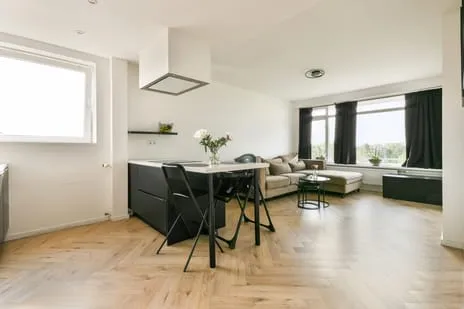
The supply of owner-occupied homes in Dijkgraafpleinbuurt mainly consists of apartments in post-war porch flats and gallery buildings from the 1960s and 1970s. Detached homes or spacious single-family homes are rare. The average sold living area is 73 m². Only 33% of the total housing stock is owner-occupied, so supply is limited and requires quick action if you want to buy in Dijkgraafpleinbuurt.
Is Dijkgraafpleinbuurt safe?
Residents give safety a score of 7.0 out of 10, which is reasonable for Amsterdam. However, several residents mention nuisance from loitering youth as a specific point of concern. The feeling of insecurity is particularly present in certain public spaces. Anyone looking to buy a home here would do well to visit the neighbourhood at different times of the day to form their own impression.
Everything within a 1km range from eatery to electronics, playgrounds, schools, mosque, supermarket, everything in a row
Auto-translated to English by AINice neighbourhood and people, lots of greenery for a city, loitering youths cause a lot of nuisance and a feeling of insecurity.
Auto-translated to English by AI