





19 homes for sale in De Zuid, Zaanstad
Check the current supply of homes for sale in De Zuid and discover through the figures and resident reviews on this page whether this quiet Zaan neighbourhood suits you.








House prices and market figures for De Zuid, Zaanstad
De Zuid is a pronounced owner-occupied neighbourhood: 76% of the housing stock is privately owned, which is relatively high for a Zaan neighbourhood. The average WOZ value is €492,000, well above the district average of Assendelft-Zuid (€430,000) and significantly above the municipal average of Zaanstad (€368,000). This price difference is no coincidence: the quality of the homes and the green character of this neighbourhood attract buyers who are willing to pay more for space and tranquillity.
Over the past twelve months, 12 homes were sold, with an average purchase price of €417,417. The range runs from €319,000 to €775,000, indicating that both more modest terraced houses and larger detached homes change hands. With an average sales area of 98 m², this works out to a price per square metre of approximately €4,260. For an up-to-date picture of available supply and current asking prices, you can consult the overview at the top of this page.
Living in De Zuid, Zaanstad
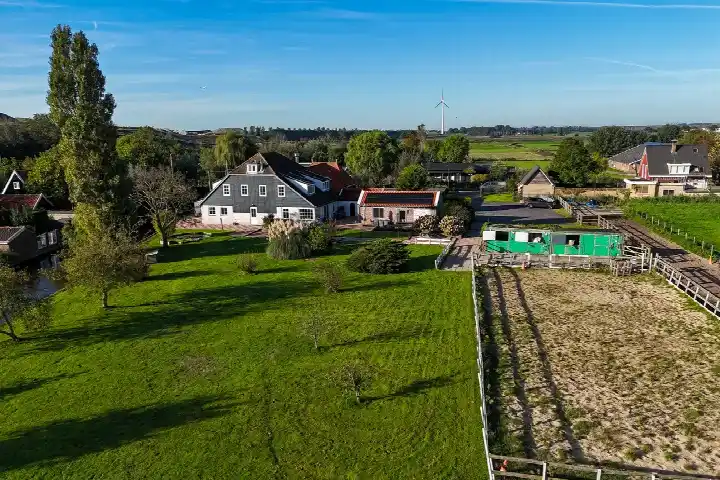
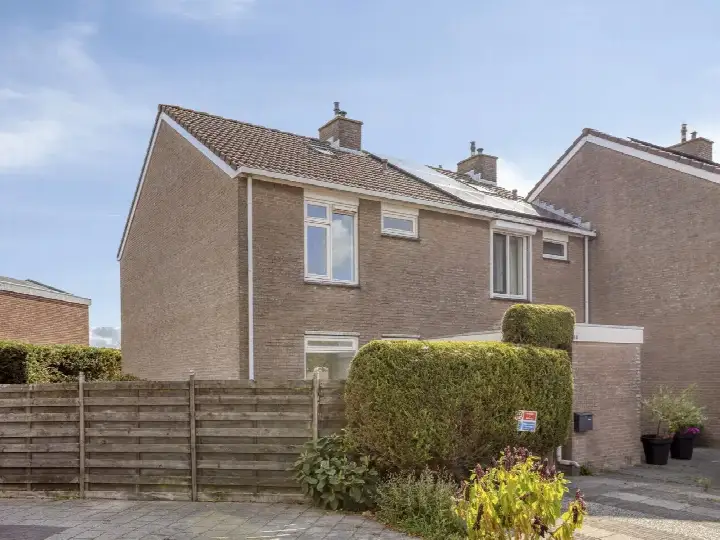
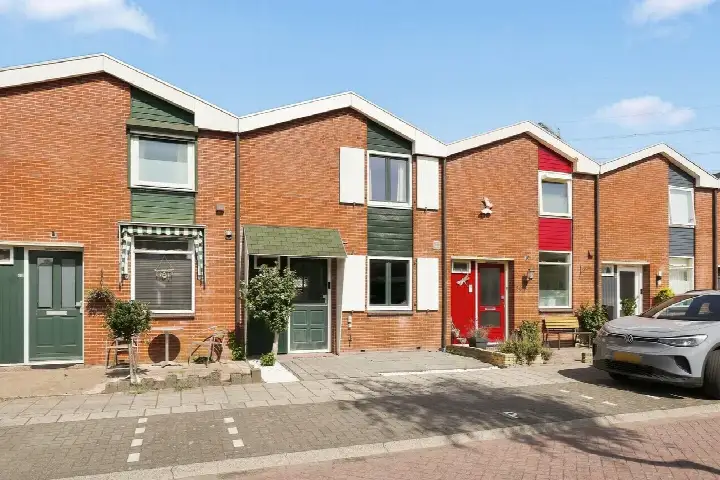
De Zuid is the quieter, greener part of Assendelft. Those moving here from Zaandam or Amsterdam quickly notice that the pace is slower here. Wide streets, front gardens, many detached homes and semi-detached houses from the 1970s and 1980s define the streetscape. These are solid homes, often with a sizeable back garden, a garage or driveway, and a living area that works well for families. New construction is scarce; the neighbourhood has long been built up and changes slowly.
Assendelft has its own amenities core that covers most daily shopping needs. Supermarkets such as Albert Heijn and Jumbo are within cycling distance. Primary schools like De Regenboog and De Ster serve the neighbourhood, and for secondary education children travel to Zaandam. Sports club VV Assendelft and the tennis club are popular among residents. The Assendelftse Veld and the polder ditches around the neighbourhood provide a green, open feel that you won't quickly find in more urban Zaan neighbourhoods.
Accessibility by car is good: the A8 towards Amsterdam and the A9 towards Alkmaar can be reached within ten minutes. Public transport is a different story. There is no train station in Assendelft itself; you rely on bus line 94 towards Zaandam, where you can transfer to the train. For daily commuters to Amsterdam, it is doable, but not comfortable. Those who depend on public transport daily would do well to assess this carefully in advance.
Residents particularly appreciate De Zuid for its peace and space. On the neighbourhood page of De Zuid you can read what locals themselves write about their district. One resident describes it as: "It's nice and quiet here, the neighbours know each other and the children play outside. You don't notice the hustle and bustle of the city." Criticisms more often concern the limited range of shops beyond the supermarkets and the reliance on the car for larger purchases or going out.
Compared to other neighbourhoods in the district Assendelft-Zuid, De Zuid has a higher WOZ value and a slightly older, family-oriented resident profile. Those seeking more urban dynamism might also look at Centrum or Westerpolder, neighbourhoods with a different character but within the same municipality. For those who want to explore similar living environments elsewhere in Zaanstad, Rosmolenwijk and Pelders- en Hoornseveld offer interesting alternatives.
For whom is buying in De Zuid a good choice?
The demographic composition says a lot: the largest group of residents is between 45 and 65 years old, and households with children are the most represented. De Zuid attracts movers and families looking for space, wanting a garden and not necessarily needing to live in the city centre. First-time buyers find it difficult: with an average sale price of over €417,000 and a WOZ value of €492,000, a home here is not cheap. Overbidding is realistic in this segment. Those unsure whether buying is feasible now might also consider rental homes in De Zuid as an intermediate solution. More about the municipality and its housing market can be found on the website of the municipality of Zaanstad.
What residents say about De Zuid
Residents generally rate De Zuid positively, particularly in terms of living comfort, safety and neighbourhood atmosphere. The scores for liveability and greenery are above average for Zaan standards. Residents are less enthusiastic about the level of amenities and public transport connections. A common sentiment: "For shopping and school it's fine, but for a night out you still have to take the car." View all reviews and full neighbourhood data on the overview page of De Zuid.
Comparing homes for sale in and around De Zuid
Buurtje.nl brings together listings from more than 1,500 sources in one place, supplemented with resident reviews and district data you won't find on other platforms. This allows you to compare not only homes but also neighbourhoods. View the total supply of homes for sale in Zaanstad or explore other districts such as Zaandam Zuid and Poelenburg to see what suits your housing preferences.
What is the cost of a home in De Zuid?
Over the past twelve months, the average purchase price in De Zuid was €417,417, with an average living area of 98 m². That works out to about €4,260 per square metre. Sale prices ranged from €319,000 to €775,000, depending on the type of property and its state of repair. Keep in mind that overbidding is common in this segment.
What is the WOZ value in De Zuid?
The average WOZ value in De Zuid is €492,000. That is significantly higher than the average for the Assendelft-Zuid district (€430,000) and well above the municipal average for Zaanstad (€368,000). The relatively high WOZ value reflects the quality and type of homes in this neighbourhood, particularly the larger single-family homes and semi-detached houses.
What is it like living in De Zuid?
De Zuid is a quiet, green neighbourhood in Assendelft with a village character. Residents appreciate the space, safety, and community atmosphere. The housing stock mainly consists of single-family homes from the 1970s and 1980s, often with a garden and driveway. The provision of daily amenities is good, but for nightlife or larger shops, you need to go to Zaandam or the surrounding area.
Is De Zuid suitable for families with children?
Yes, De Zuid is very much a family neighbourhood. Households with children form the largest household group, and the neighbourhood has several primary schools within cycling distance. The quiet streets, presence of sports clubs, and spacious homes with gardens make the area attractive for families. Those moving up from an apartment to a single-family home will find suitable options here.
How accessible is De Zuid?
By car, De Zuid is well accessible: the A8 towards Amsterdam and the A9 towards Alkmaar can be reached within ten minutes. For public transport, you rely on bus line 94 towards Zaandam, where you can transfer to the train to Amsterdam or other destinations. There is no train station in Assendelft itself. For daily commuters dependent on public transport, the connection is less convenient than in more urban neighbourhoods.
What type of homes are for sale in De Zuid?
The supply in De Zuid mainly consists of single-family homes, semi-detached houses, and detached houses, mostly built in the 1970s and 1980s. Buying an apartment in De Zuid is less common; the housing stock is predominantly ground-based. The average sales area of 98 m² indicates that these are full-sized family homes. New construction is hardly available in this neighbourhood.
Are there many green spaces and outdoor areas in De Zuid?
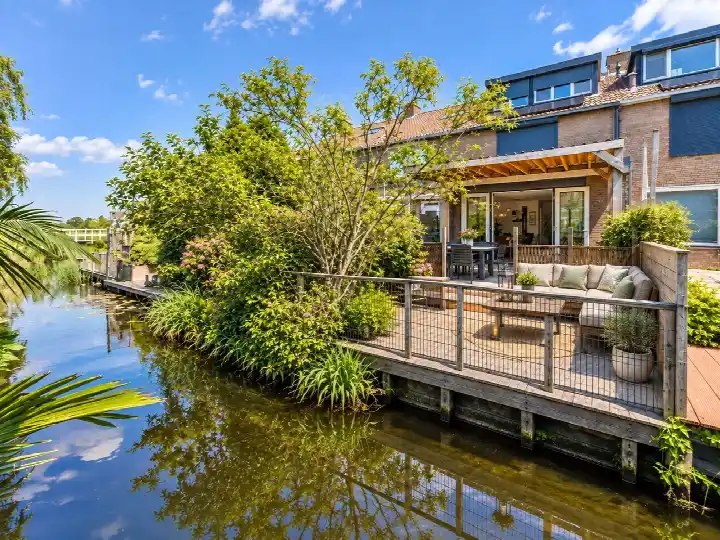
De Zuid is located in an open polder area and therefore naturally has a lot of green and space around it. The adjacent meadows and polder ditches are popular for walking and cycling. Within the neighbourhood itself, there are parks and playgrounds scattered around. Residents often cite the green character as one of the reasons they moved here and do not leave.