Homes for sale in Groente- en Fruitmarkt, Den Haag
Looking for a home to buy in Groente- en Fruitmarkt? Check the current listings, current prices and selling times directly at the top of this page.
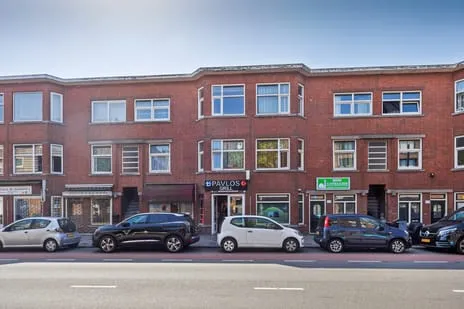
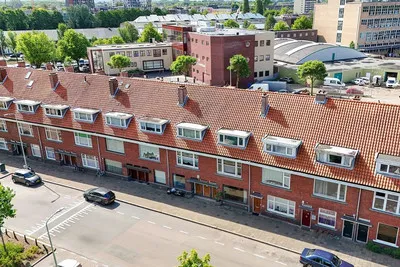

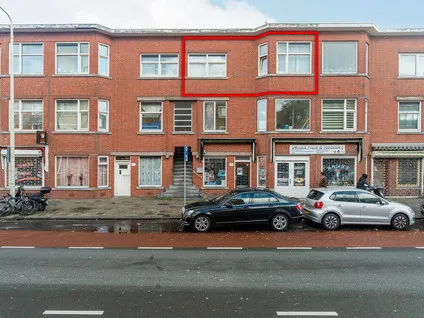
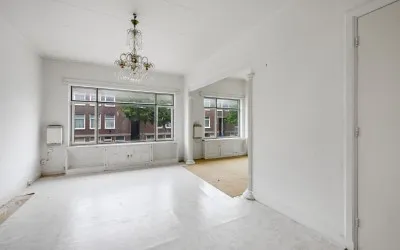
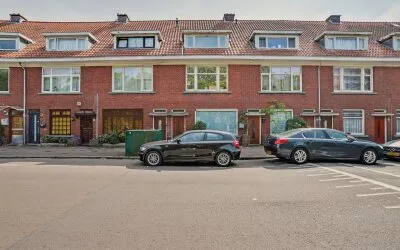

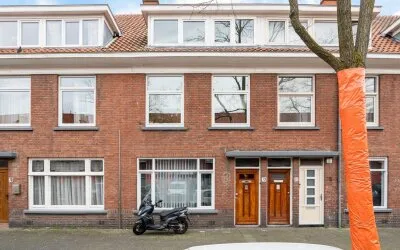
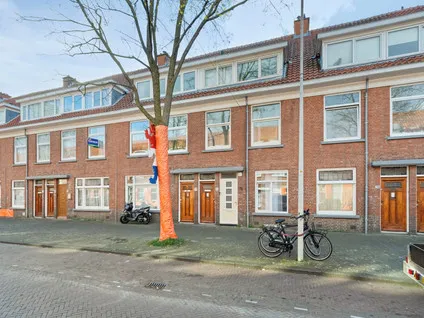
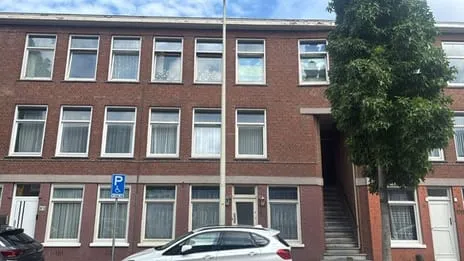
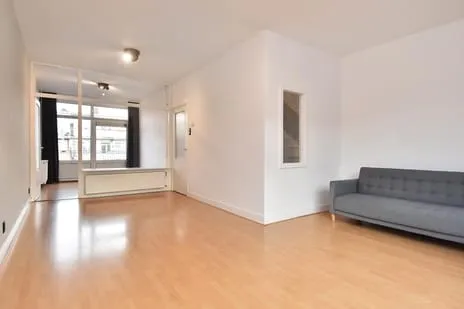
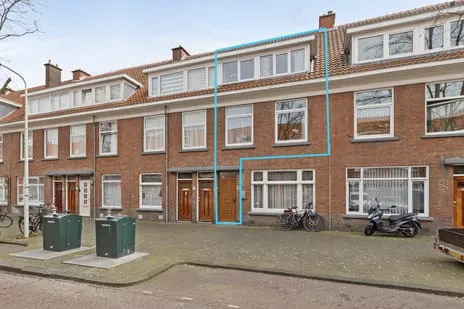
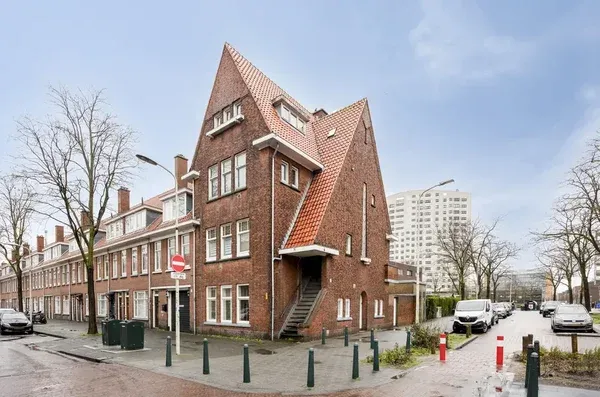
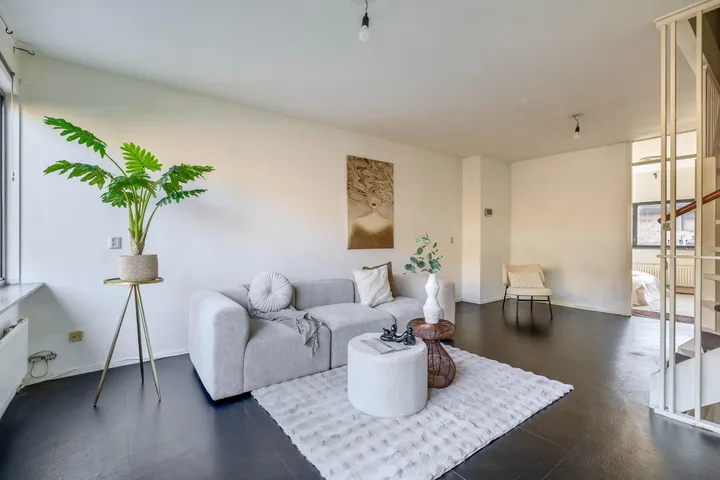
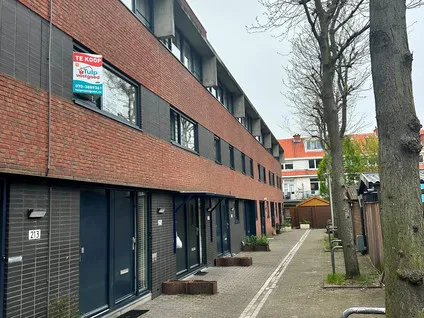
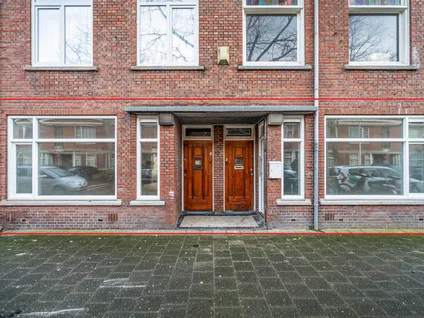

Purchase prices in Groente- en Fruitmarkt: below The Hague average, but rising
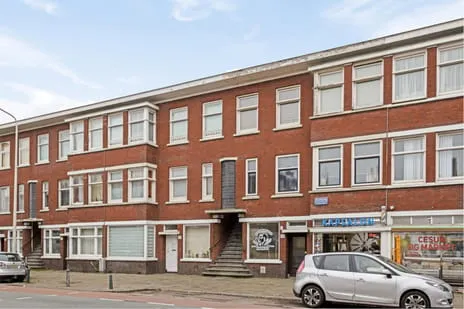
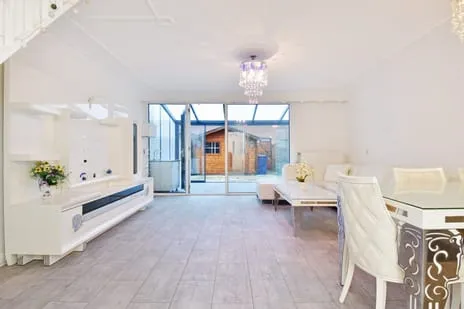
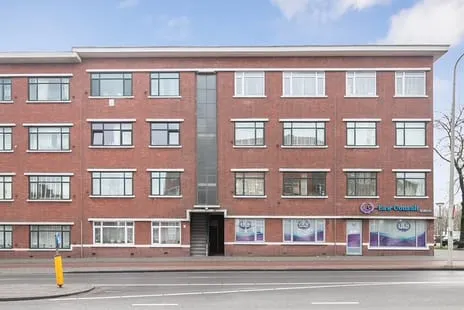
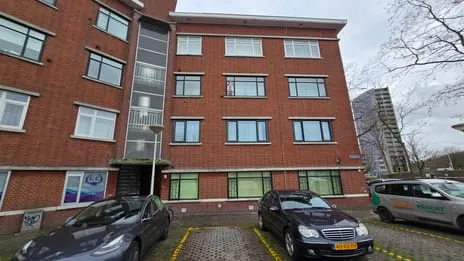
The owner-occupied market in Groente- en Fruitmarkt is relatively modest in size. Of the 1,709 homes in the neighbourhood, only 38% are owner-occupied; the rest are rented out, often through housing associations. The average WOZ value is €286,000, which is clearly lower than the municipal average of €354,000 for The Hague. However, actual transaction prices are higher: over the past twelve months, 20 homes were sold with an average purchase price of €394,875. The range runs from €225,000 to €549,000, with an average living area of 99 m². The supply consists mainly of apartments, fitting the urban character of this inner-city neighbourhood. See the current supply and average asking price at the top of this page for the most recent status.
Living in Groente- en Fruitmarkt: market sounds, trams and a lively neighbourhood
Groente- en Fruitmarkt is one of the liveliest corners of The Hague. The neighbourhood owes its name to the historic market that is still held there, and you can feel that character daily. Residents of Groente- en Fruitmarkt give the area an 8.4 out of 10, a high score driven by excellent accessibility (10/10) and amenities (10/10). Sylvia, one of the reviewers, describes it aptly: "Nice neighbourhood to live in. The market nearby, always cosy. Shops in the area, good connections with trams and buses." At the same time, she is honest about a downside: litter on the streets and rubbish next to the bins. The score for cleanliness (5/10) confirms that this remains a point of attention. Those looking for a polished, quiet residential area should take that into account.
In terms of amenities, the neighbourhood is well provided. Daily shopping can be done at the nearby supermarkets on Spui or Grote Marktstraat, and the weekly market on the square itself is a true neighbourhood institution. For green spaces, you also score highly: Malieveld and Haagse Bos are within cycling distance, and residents give greenery a 9/10. Schools in the immediate vicinity also score well (9/10), making the neighbourhood attractive for young families who want to live urban without compromising on educational quality.
Accessibility is downright strong. Several tram lines connect the neighbourhood directly to The Hague Central Station, less than a ten-minute walk away. Via the station, you are quickly in Amsterdam, Rotterdam or Leiden. The A12 and A4 motorways are accessible via the Utrechtsebaan. This explains why 25- to 45-year-olds form the largest group in the neighbourhood: people who work in the city or region and want to live centrally. Those looking for a quieter alternative outside the city centre can also look at Benoordenhout or Belgisch Park, both with a greener appearance and different types of homes.
For whom is buying in Groente- en Fruitmarkt a good choice?
Buying in Groente- en Fruitmarkt is mainly interesting for young urbanites, starters with a solid budget and dual-income couples who want to live centrally. With an average transaction price of almost €395,000, buying an apartment in Groente- en Fruitmarkt is not a bargain, and supply is limited: only 20 homes were sold in the past year. In addition to the purchase price, also factor in additional costs such as transfer tax (2% for non-starters above the NHG limit), notary fees and possible estate agent fees. Is buying not feasible now? Then check out the rental homes in Groente- en Fruitmarkt as a temporary alternative. The municipality of The Hague also offers starter schemes; more information can be found at denhaag.nl.
Searching for a home to buy in Groente- en Fruitmarkt: how to use this page
Buurtje.nl combines current housing supply with resident reviews and neighbourhood data, so you not only find a home but also get to know the area. At the top of this page you can see how many homes for sale in Groente- en Fruitmarkt are currently available, what the average asking price is and how quickly homes are sold. Want to compare? Also check the supply in Archipelbuurt, Westbroekpark en Duttendel or the broader overview of homes for sale in The Hague.
Frequently asked questions
What is the average cost of a home in Groente- en Fruitmarkt?
Over the past twelve months, the average purchase price in Groente- en Fruitmarkt was €394,875, with an average living area of 99 m². Prices ranged from €225,000 to €549,000. The average WOZ value in the neighbourhood is €286,000, which is lower than The Hague average of €354,000.
What are the additional costs when buying a home in Groente- en Fruitmarkt?
In addition to the purchase price, as a buyer you pay, among other things, transfer tax (2% for buyers above the starter exemption), notary costs for the deed of transfer and mortgage deed, and possibly estate agent fees. Budget roughly 3 to 6% of the purchase price for additional costs. Starters under 35 with a purchase price below the NHG limit may qualify for an exemption from transfer tax.
What type of homes can I buy in Groente- en Fruitmarkt?
Groente- en Fruitmarkt is an inner-city neighbourhood in The Hague, where the supply mainly consists of apartments. Detached houses or large single-family homes are hardly found here. The average sold living area over the past year was 99 m², which fits the apartment character of the neighbourhood.
How good is the accessibility from Groente- en Fruitmarkt?
Accessibility is excellent and rated 10 out of 10 by residents. Several tram lines run directly to The Hague Central Station, within walking distance of the neighbourhood. From the station, you are quickly in Amsterdam, Rotterdam or Leiden. The A12 and A4 motorways are also easily accessible via the Utrechtsebaan.
Is buying a home in Groente- en Fruitmarkt suitable for starters?
With an average transaction price of nearly €395,000 and a limited supply of sold homes, buying a home in Groente- en Fruitmarkt is challenging for starters. It is advisable to get mortgage advice in advance and take additional costs into account. If you are not yet ready or able to buy, you could also consider renting temporarily in the neighbourhood as an intermediate step.
Nice neighbourhood to live in. The market nearby is always cosy. Shops in the area. Good connections with trams and buses. The hygiene, like household waste on the street. Rubbish next to the bins.
Auto-translated to English by AI