Homes for sale in Industrieterrein Soest, Soest
Discover the current supply of homes for sale in Industrieterrein Soest and compare prices, neighbourhood data and resident reviews directly on this page.

House prices and market figures for Industrieterrein Soest, Soest
The owner-occupied market in Industrieterrein Soest is compact but active. Of the 177 homes in the neighbourhood, 73% are owner-occupied, indicating a stable, owner-dominated area. The average WOZ value is €410,000, slightly below the municipal average of €427,000 and clearly below the district average of 't Hart-Soestdijk (€483,000). This makes the neighbourhood relatively more affordable than many other parts of Soest.
In the past twelve months, three homes were sold, with an average sale price of €378,000. The range ran from €245,000 to €589,000, indicating that the supply varies greatly in type and condition. Based on an average sold area of 93 m², the price per square metre comes to approximately €4,065. That is reasonable for the region. The limited number of transactions does mean that the market here is not particularly liquid: there is little supply and sales are rare. At the top of the page, see the current overview of available owner-occupied homes in Industrieterrein Soest for the most recent asking prices and selling times. For a broader selection, you can also look at owner-occupied homes in the municipality of Soest.
Living in Industrieterrein Soest, Soest
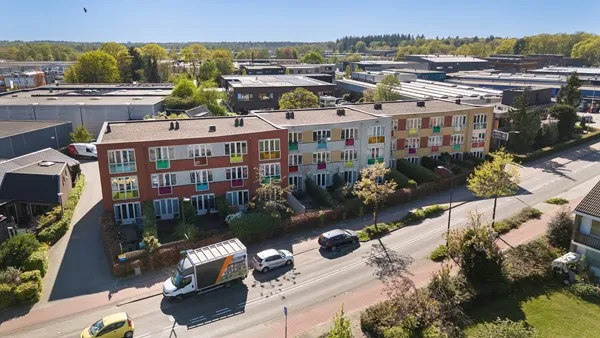
The name says it all: this is not a typical residential neighbourhood. Industrieterrein Soest is a mixed neighbourhood on the edge of Soest, where business and living coexist side by side. This gives the area a very distinct character. You won't find a quiet villa district or a cosy village centre here, but a pragmatic environment where people consciously choose space, affordability, and a certain degree of peace that you don't always find in denser residential areas.
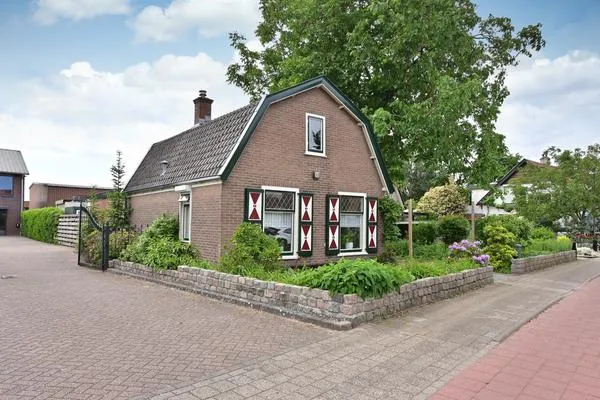
The housing stock consists mainly of ground-floor homes, mostly built in the 1970s and 1980s. Terraced houses and semi-detached houses are the most common types. The plots are often spacious, which is attractive for people who want to sit outside without directly overlooking their neighbours. The neighbourhood has about 410 residents, keeping the scale very small. This results in little social pressure, but also little sense of community compared to more compact residential areas.
Facilities are not immediately around the corner. For daily shopping, you rely on nearby neighbourhoods such as 't Hart or Soestdijk, where you'll find supermarkets, primary schools, and sports facilities. The centre of Soest is easily reachable by bike in five to ten minutes. There you'll find shops, restaurants, and the public green spaces of the Soesterveen and surrounding area. For larger shopping trips or work, Amersfoort is the logical destination, about ten kilometres away.
In terms of accessibility, the neighbourhood is well connected by car. The A28 towards Amersfoort and Utrecht can be reached within minutes via the N221. Public transport is more modest: bus services run through the surrounding streets, but a direct bus stop on the site itself is limited. Soest or Soest-Zuid stations offer train connections towards Amersfoort and Utrecht, but require a bike or car to get there. Cyclists are at an advantage: Soest has a good network of cycle paths and the distance to the centre is comfortable.
Residents appreciate the peace and space the neighbourhood offers. On the neighbourhood main page of Industrieterrein Soest you can read all reviews and scores per category. One resident writes: "You live here nice and quietly, without feeling like you're in the middle of the city. Ideal if you just want to be left alone." Criticism also comes: the lack of direct facilities and the presence of business activity in the area are sometimes experienced as less pleasant, especially for families with young children. Compared to the broader district of owner-occupied homes in 't Hart-Soestdijk, Industrieterrein Soest has a more down-to-earth, functional character. Those looking for a green, charming residential street would be better off looking at neighbourhoods like Boerenstreek or de Eng-Soest-Midden.
Who is a home for sale in Industrieterrein Soest interesting for?
The neighbourhood mainly appeals to people who consciously choose peace and space over liveliness and facilities within walking distance. The largest age group is 45 to 65 years old, which suits movers and people who have been living in Soest for a while and consciously choose this environment. Single-person households are the most represented, but dual-income couples without children also feel at home here. First-time buyers can benefit from the relatively lower entry price compared to the rest of the municipality, but must take into account the limited supply: only a few homes are sold per year. If you want to buy an apartment in Industrieterrein Soest, the supply is virtually nil; ground-floor homes dominate completely. As an alternative, there are also rental homes in Industrieterrein Soest available, accounting for 27% of the housing stock, exclusively through private landlords.
What residents say about Industrieterrein Soest
Residents generally rate the neighbourhood positively for peace and living comfort, but give lower scores for liveliness and level of facilities. The presence of businesses in the immediate vicinity is experienced as bothersome by some, while others find it pleasant that it is active during the day without being busy in the evening. One resident sums it up aptly: "It's a neighbourhood for people who know what they want: peace, space, and an affordable home without frills." See all reviews and sub-scores on the overview page of Industrieterrein Soest, including scores on safety, greenery, and accessibility.
Comparing homes for sale in and around Industrieterrein Soest
On Buurtje.nl you'll find homes for sale in Industrieterrein Soest combined with neighbourhood scores, resident reviews, and district data, compiled from more than 1,500 sources. This way you can compare not only a home on price and size, but also on neighbourhood character. Want to explore alternatives? Then check out the supply in Klaarwater or Smitsveen for a different atmosphere within the same municipality. For general information about living and life in the region, the municipality of Soest refers to current developments and local regulations. A complete overview of all homes for sale in Soest helps you put the neighbourhood into perspective.
Frequently asked questions
What is the cost of a home in Industrieterrein Soest?
In the past twelve months, homes in Industrieterrein Soest sold for an average of €378,000. The range was from €245,000 to €589,000, depending on the type and condition of the property. Based on an average sold area of 93 m², the price per square metre comes to approximately €4,065. Supply is limited: only a few homes are sold per year in this neighbourhood.
What is the WOZ value in Industrieterrein Soest?
The average WOZ value in Industrieterrein Soest is €410,000. This is slightly below the municipal average of Soest (€427,000) and clearly below the district average of 't Hart-Soestdijk (€483,000). The neighbourhood is therefore relatively affordable compared to other parts of the municipality.
What is it like to live in Industrieterrein Soest?
Living in Industrieterrein Soest means choosing peace and space in a mixed neighbourhood where residential and business activities come together. The atmosphere is down-to-earth and functional, without the liveliness of a village centre. Residents appreciate the tranquillity and sense of space, but give lower scores for amenities and the immediate surroundings. The neighbourhood is small with around 410 residents, resulting in little social pressure but also limited community activities.
Is Industrieterrein Soest suitable for first-time buyers?
First-time buyers can benefit from the relatively lower entry price compared to the rest of Soest: the average sale price over the past year was €378,000, with homes starting from €245,000. The downside is the very limited supply: only a few homes are sold per year. Those looking to buy quickly would do well to also consider other neighbourhoods in the municipality. The neighbourhood also appeals to movers and people aged 45 and over, the largest age group in the district.
How accessible is Industrieterrein Soest?
By car, Industrieterrein Soest is easily accessible via the N221, with a quick connection to the A28 towards Amersfoort and Utrecht. The centre of Soest can be reached by bicycle in five to ten minutes. Public transport is more limited: the nearest train stations are Soest and Soest-Zuid, accessible by bicycle or car. Bus services run along the surrounding streets but are not frequent.
What type of homes are for sale in Industrieterrein Soest?
The supply consists almost exclusively of ground-floor homes, particularly terraced houses and semi-detached houses from the 1970s and 1980s. Buying an apartment in Industrieterrein Soest is hardly possible, as this type of home is virtually non-existent in the neighbourhood. The plots are generally spacious, offering additional outdoor space. Of the 177 homes in the neighbourhood, 73% are owner-occupied.
Is there much parking nuisance in Industrieterrein Soest?
Parking is generally not a major problem for residents in Industrieterrein Soest. Most homes have their own driveway or garage, and the streets are not overloaded with parking pressure like in denser residential areas. The presence of businesses during the day can cause extra traffic movements in some places, but in the evenings and at weekends it is usually quiet.