Homes for sale in Klarenbeek en omgeving, Apeldoorn
Looking for a home to buy in Klarenbeek and the surrounding area? Check the current supply, average asking price and selling time at the top of this page.

-797ce63c.webp)
-c4cacc19.webp)
House prices in Klarenbeek and surrounding area: well above the Apeldoorn average
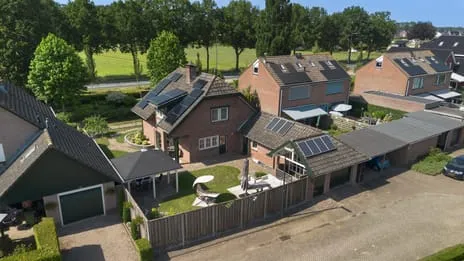
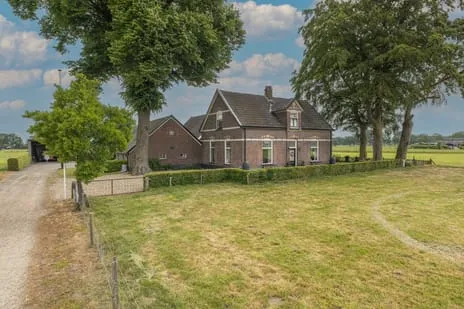
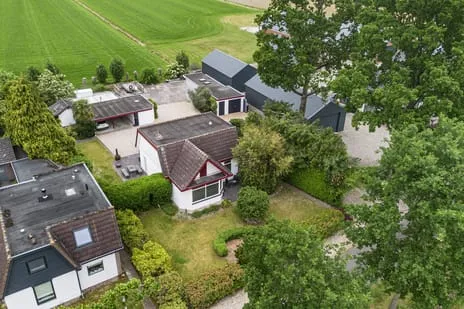
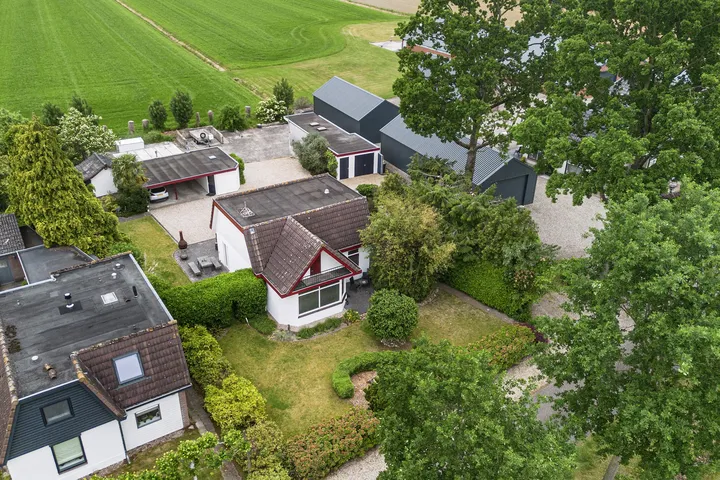
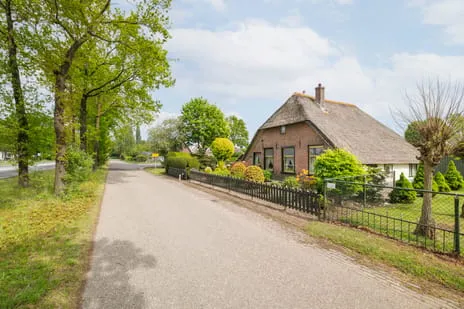
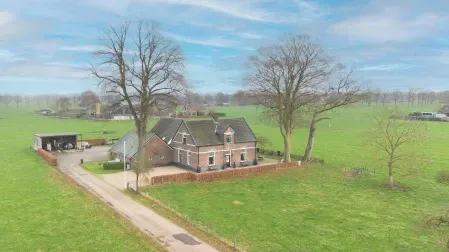
Klarenbeek and its surroundings are distinctly owner-occupied territory: 76% of the housing stock consists of owner-occupied homes. The average WOZ value is €534,000, significantly higher than the municipal average of €378,000 for Apeldoorn. That difference reflects the type of homes that dominate here: spacious detached houses and characteristic rural homes, no apartments. In the past twelve months, six homes changed hands, with an average purchase price of €692,583. The range was wide: from €149,500 to €1,069,000, with an average living area of 212 m². That says something about the diversity in supply, but also about scarcity. The current supply and the average asking price can be found at the top of this page.
With only 24% rental properties, the alternative is limited. If you still want to rent, you can visit the page with rental properties in Klarenbeek and surrounding area. Social housing makes up 9% of the total stock, the rest of the rental market is in the hands of private landlords.
Living in Klarenbeek and surrounding area: a farming village with a strong sense of community
Anyone looking for a quiet, green and community-oriented life will quickly feel at home here. Klarenbeek and its surroundings score a 7.2 on Buurtje.nl, with highs for green spaces (9.0), beauty (9.0) and community (9.0). Resident Hidde describes it aptly: "Everyone is always friendly to each other" and mentions the neighbourhood barbecue and daily greetings as regular habits. At the same time, he is honest: it is a farming village, with tractors and heavy lorries driving through the streets. That makes free play on the street for children less obvious. Safety scores a 6.0, as does accessibility.
In terms of amenities, Klarenbeek and its surroundings are compact. The village has a primary school, but for more extensive shopping, secondary education and specialised care, you rely on Apeldoorn, about ten to fifteen minutes away by car. The scores for education (5.0) and accessibility (6.0) confirm that. There is no train station in the village itself; you are largely dependent on the car or bicycle. The A1 and A50 are accessible via provincial roads, making commuting to Apeldoorn, Deventer or Zutphen possible. Public transport is limited.
The neighbourhood consists of a handful of sub-areas, each with its own character. Klarenbeek forms the core, while De Hooilanden and De Hooilanden-Oosterhuizen are more rural in nature. Wolthuis is also part of this area. The surroundings are green, with plenty of countryside and walking opportunities nearby. For those who prefer nature and peace over urban hustle and bustle, that is a major plus. More information about the municipality can be found on the website of the municipality of Apeldoorn.
For which buyers is Klarenbeek and surrounding area a good choice?
The combination of high WOZ values, spacious homes and limited supply makes this area particularly attractive for movers and families who consciously choose peace and space over urban convenience. First-time buyers will find it difficult: with an average purchase price of almost €693,000 and few affordable starter homes, the threshold is high. Also take into account additional costs such as transfer tax (2% for homes above the NHG limit) and notary fees. If buying is not feasible now, consider the rental options in the neighbourhood as an intermediate step.
Searching for a home to buy in Klarenbeek and surrounding area
Buurtje.nl combines current housing supply with resident reviews and neighbourhood statistics, so you not only find a home but also know what to expect from the area. Also compare the supply in nearby neighbourhoods such as Zuidoost, Zuid or Centrum, or view the full overview of homes for sale in Apeldoorn.
Frequently asked questions
What is the cost of a home in Klarenbeek and surrounding area?
In the past twelve months, six homes were sold in Klarenbeek and surrounding area, with an average purchase price of €692,583. Prices ranged from €149,500 to €1,069,000, with an average living area of 212 m². The average WOZ value in the neighbourhood is €534,000, which is significantly higher than the Apeldoorn average of €378,000.
What are the additional costs when buying a home in Klarenbeek and surrounding area?
When buying a home in Klarenbeek and surrounding area, you need to account for transfer tax (2% of the purchase price for homes above the NHG threshold, with exemption for first-time buyers under 35 and a purchase price up to €510,000), notary fees, valuation costs, and possibly estate agent fees. With an average purchase price of nearly €693,000, additional costs can quickly add up to €15,000 to €20,000 or more.
What types of homes are for sale in Klarenbeek and surrounding area?
The supply in Klarenbeek and surrounding area mainly consists of spacious detached houses and rural homes. Buying an apartment in Klarenbeek and surrounding area is virtually impossible; the housing market here is almost entirely focused on ground-bound owner-occupied homes. The average living area of sold homes over the past twelve months was 212 m².
How accessible is Klarenbeek and surrounding area?
Klarenbeek and surrounding area does not have its own train station and public transport is limited. Most residents rely on cars. Via provincial roads, you can connect to the A1 and A50, making Apeldoorn reachable in about ten to fifteen minutes. Deventer and Zutphen are also easily accessible by car. Residents rate accessibility a 6.0 out of 10.
Is Klarenbeek and surrounding area suitable for families with children?
Living in Klarenbeek and surrounding area attracts relatively many families and people aged 45 to 65. There is a primary school, but for secondary education and more extensive facilities, you need to go to Apeldoorn. Residents appreciate the green environment and strong sense of community, but also point out that tractors and trucks drive through the village, making free play on the street less safe for children.
Everyone is always nice to each other but it's a farming village so there are tractors and large trucks driving around, so playing in the street is not very safe for children. Furthermore, neighbourhood BBQ from time to time and always greeting each other or having a chat.
Auto-translated to English by AI