Homes for sale in Kortgene-Dorp, Noord-Beveland
Check the current supply of homes for sale in Kortgene-Dorp and discover with neighbourhood data and resident reviews whether this Zeeland village neighbourhood suits you.


House prices and market figures Kortgene-Dorp, Noord-Beveland
The owner-occupied market in Kortgene-Dorp is firmly anchored in home ownership: 76% of homes are owner-occupied, compared to just 22% rented. That immediately tells you something about the character of the neighbourhood. The average WOZ value is €251,000, which is noticeably lower than the district average of Kortgene (€311,000) and the municipal average of Noord-Beveland (€302,000). This difference is partly due to the housing mix in the village itself, where there are more older and smaller homes than in the outlying areas of the district.
Looking at actual sales transactions over the past year, the average purchase price is €354,372, with a range from €175,000 to €785,000. 50 homes were sold, with an average living area of 108 m². That works out to an average price of around €3,281 per m². The spread is wide, meaning both entry-level homes and larger detached properties come onto the market. Current asking prices and the average time on market can be found at the top of this page. For a broader view of the region, you can also look at homes for sale in Noord-Beveland.
Living in Kortgene-Dorp, Noord-Beveland
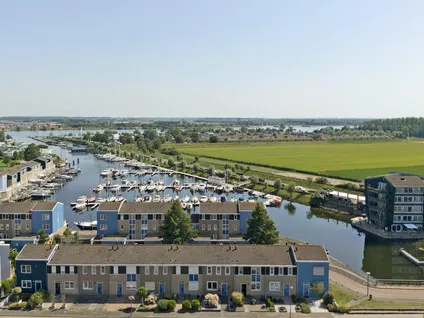
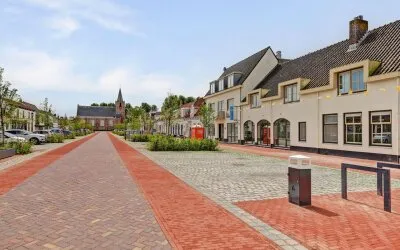
Kortgene-Dorp is a compact, quiet village on the Noord-Beveland peninsula, directly on the Veerse Meer. It has a distinct Zeeland character: low-rise buildings, plenty of greenery in the immediate vicinity, and a community where people still know each other by name. The village is not a commuter town that empties out in the evening, but a place where people really live and meet each other at the baker's or at the harbour.
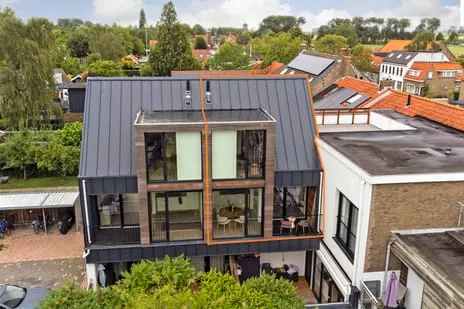
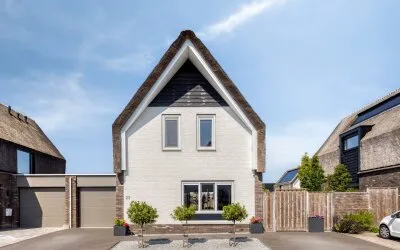
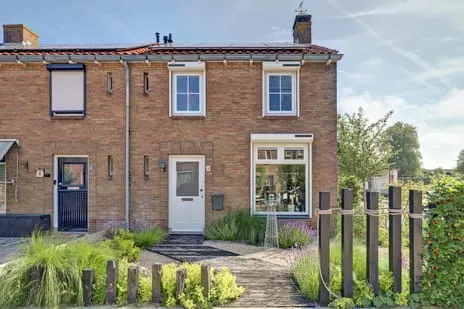
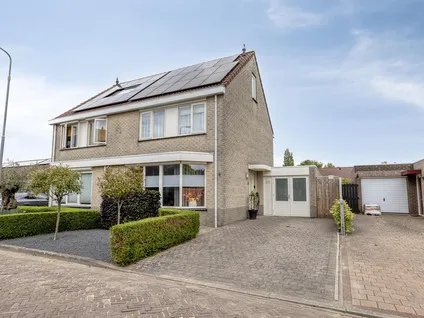
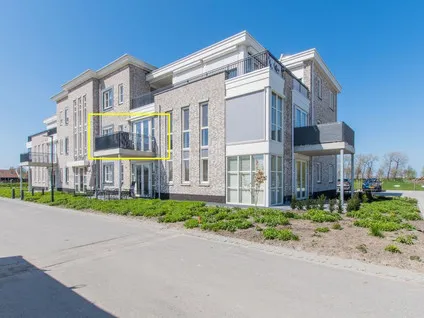
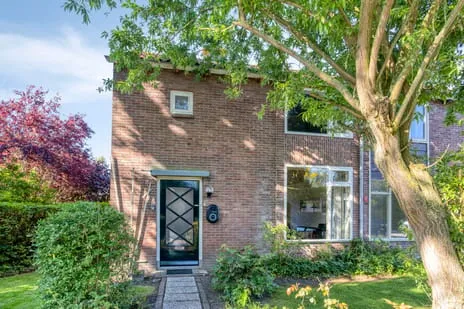
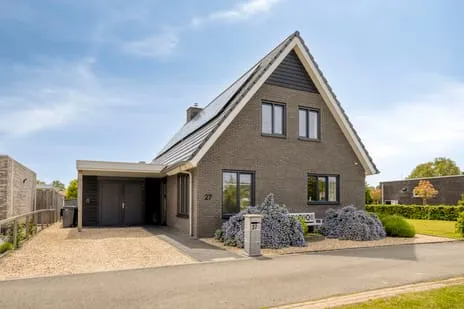
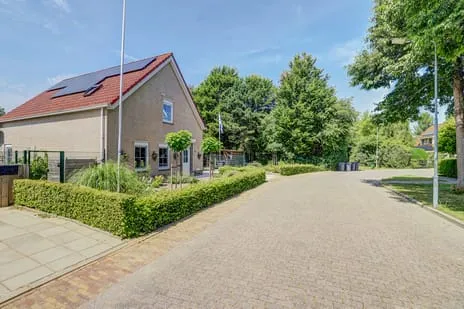
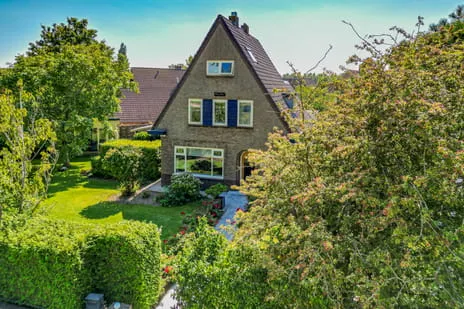
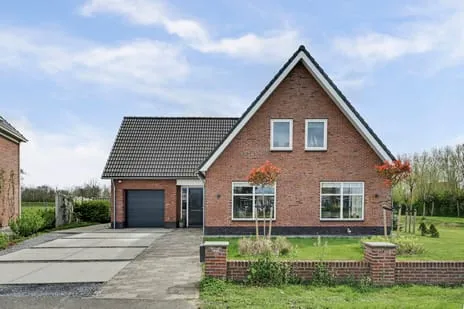
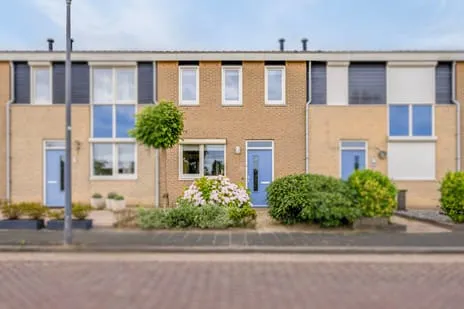
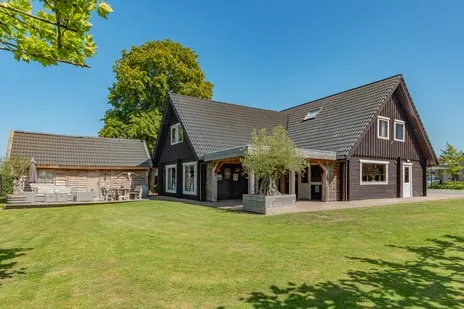
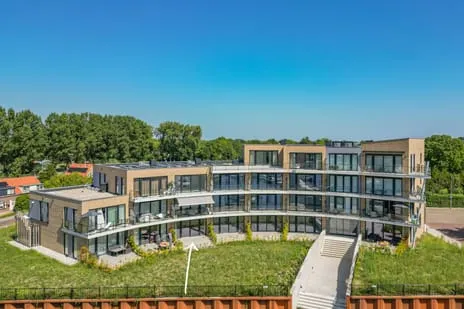
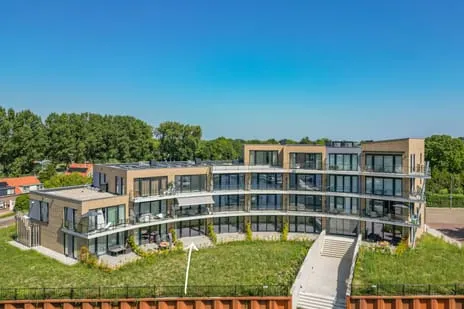
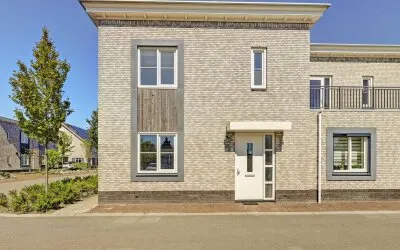
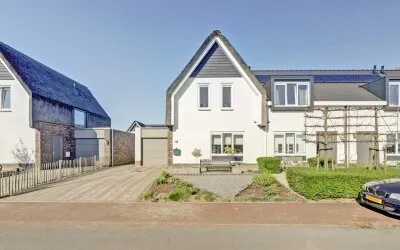
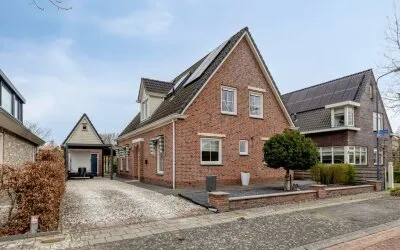
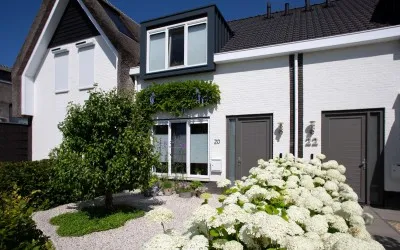
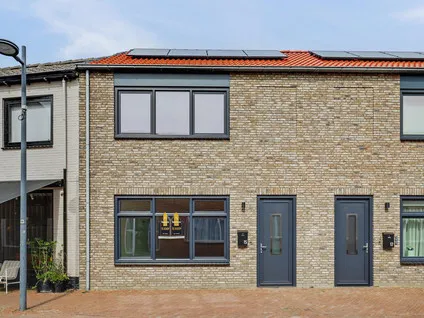
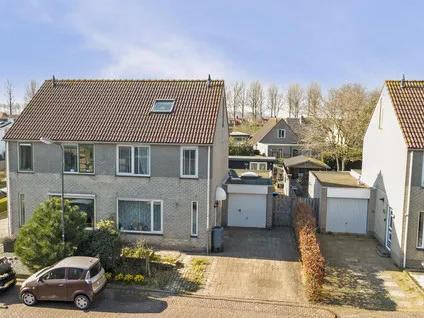
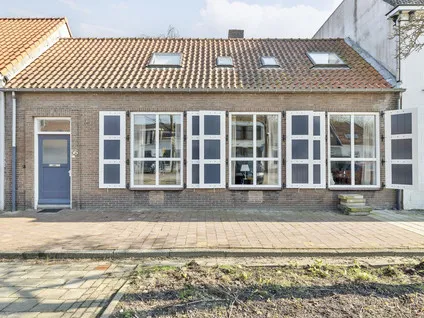
The housing stock consists largely of ground-floor homes, including terraced houses and semi-detached houses from the 1960s, 1970s and 1980s, supplemented by a limited number of detached properties and some newer developments on the edges of the village. Apartments are scarce. This makes Kortgene-Dorp less attractive for those specifically looking for an apartment, but all the more interesting for those who want space and a garden.
In terms of amenities: Kortgene has its own supermarket, a GP practice, a primary school and various small shops and eateries around the harbour. The harbour itself is a central point in the village, with a marina that is quite lively in summer. For more extensive shopping or secondary schools, residents drive to Goes, about 20 minutes away. Public transport is available via bus connections on Noord-Beveland, but the frequency is limited; a car is practically indispensable in practice.
Accessibility by car is reasonable: via the N256 you quickly reach the A58 towards Goes and Middelburg. Cycling within the village and to the surrounding polders is pleasant, but for daily commuting outside the island, the car is dominant. That is an honest point of attention for those considering living here without a car.
Residents particularly appreciate the peace, nature and social cohesion. One resident writes: "You live here close to the water and yet you have all the basic amenities around the corner. It is quiet without being dead still." Criticisms that come up are the limited public transport connections and the fact that the range of shops beyond daily groceries remains limited. View all reviews and neighbourhood data on the Kortgene-Dorp neighbourhood page.
Compared to sister neighbourhoods, Kortgene-Dorp has a more compact, village-like character than Kortgene-Oost, where the supply includes more scattered and detached buildings. The scattered houses around Kortgene offer more space and rurality, but without the proximity of the village. For an overall picture of the district, also see the page on homes for sale in Kortgene.
Who is a home in Kortgene-Dorp interesting for?
Kortgene-Dorp mainly attracts people in the 45-plus age category, and this is reflected in the figures: the largest group of residents is between 45 and 65 years old, followed by those aged 65 and over. Upsizers looking for peace, space and a watery environment generally feel at home here quickly. People who consciously choose a smaller community in the countryside, sometimes as a second home or after retirement, also find their place here.
For first-time buyers, the market is more challenging. The average purchase price of over €354,000 is on the high side for a first purchase, although the lower end of the market (from €175,000) still offers entry-level options. Those who are unsure whether buying is the right time now can also look at rental homes in Kortgene-Dorp as a temporary alternative. Families with school-age children will find a primary school here, but are dependent on surrounding towns for secondary education.
What residents say about Kortgene-Dorp
Residents generally rate Kortgene-Dorp positively, particularly in terms of liveability, greenery and social atmosphere. High scores come for peace and nature; lower scores are for the level of amenities for young people and public transport accessibility. One resident describes it as: "Here you really still know your neighbours. It is not an anonymous housing estate but a village where people look after each other." Want to read all the reviews and see how the neighbourhood scores per category? Then go to the full neighbourhood page of Kortgene-Dorp with all resident reviews and district data.
Compare homes for sale in and around Kortgene-Dorp
On Buurtje.nl you will find homes for sale in Kortgene-Dorp bundled from more than 1,500 sources, supplemented with resident reviews and current neighbourhood figures. This way you can compare not only homes, but also neighbourhoods. Want to broaden your search? Then also check the supply in Kamperland, Wissenkerke or Colijnsplaat. For municipality-wide information and housing policy, you can visit the website of municipality of Noord-Beveland. Buurtje.nl helps you understand the neighbourhood first before you make an offer.
Frequently asked questions
What is the cost of a home in Kortgene-Dorp?
The average purchase price in Kortgene-Dorp over the past year was €354,372, based on 50 sold homes. The range runs from €175,000 to €785,000, depending on the type and condition of the property. With an average living area of 108 m², the price works out to about €3,281 per m². So there are both entry-level homes and larger properties available.
What is the WOZ value in Kortgene-Dorp?
The average WOZ value in Kortgene-Dorp is €251,000. That is lower than the average for the Kortgene district (€311,000) and the municipal average of Noord-Beveland (€302,000). This difference is related to the housing mix in the village, where relatively more older and smaller homes are located.
What is it like to live in Kortgene-Dorp?
Living in Kortgene-Dorp means choosing peace, a village atmosphere, and proximity to the Veerse Meer. The neighbourhood has basic amenities such as a supermarket, GP, and primary school, and a lively harbour. Residents appreciate the social cohesion and nature, but also point out the limited public transport connections and the fact that you have to drive to Goes for more extensive facilities.
Is Kortgene-Dorp suitable for families with children?
Kortgene-Dorp has its own primary school and a safe, quiet living environment, making it attractive for young families. For secondary education, children depend on surrounding places like Goes. The neighbourhood has relatively few young families compared to the 45-plus age group, but does offer space and greenery that appeals to families.
How accessible is Kortgene-Dorp?
Kortgene-Dorp is easily accessible by car via the N256, which connects to the A58 towards Goes and Middelburg, about a 20-minute drive. There are bus services on Noord-Beveland, but the frequency is limited. In practice, a car is almost indispensable for daily commuting. Cycling within the village and to the surrounding polders is quite feasible.
What types of homes are for sale in Kortgene-Dorp?
The supply mainly consists of ground-based homes: terraced houses, semi-detached houses, and detached houses, mostly built from the 1960s to the 1980s. Buying apartments in Kortgene-Dorp is less common; the supply of these is limited. The housing stock totals 867 homes, of which 76% are owner-occupied.
Is there a lot of green space and recreational opportunities in Kortgene-Dorp?
Yes, the location directly on the Veerse Meer makes Kortgene-Dorp attractive for water sports enthusiasts and nature lovers. The marina is a central point and a busy meeting place in summer. Around the village lie polders and cycling routes. This is one of the most frequently mentioned plus points in resident reviews of the neighbourhood.