Homes for sale in Lizzy Ansinghbuurt, Amsterdam
Discover the current supply of homes for sale in Lizzy Ansinghbuurt and view the current asking prices and selling time at the top of the page.

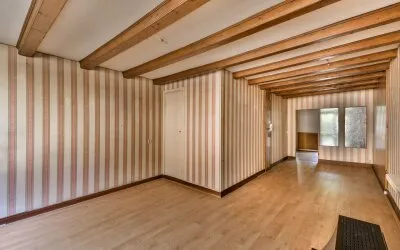
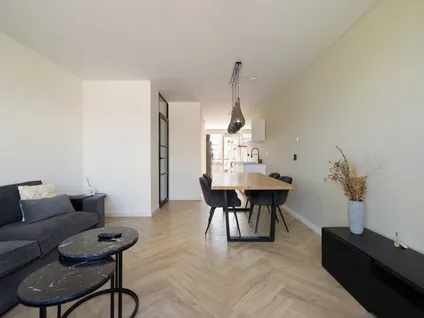
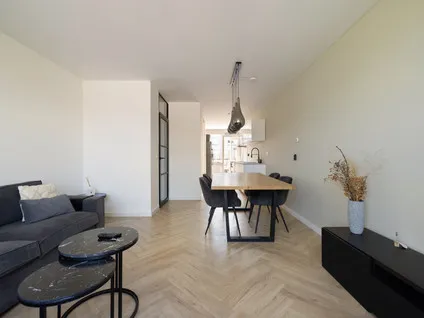
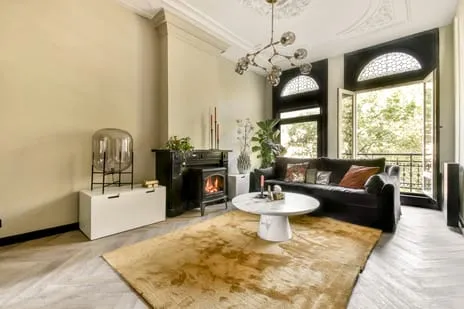
House prices and market figures Lizzy Ansinghbuurt, Amsterdam
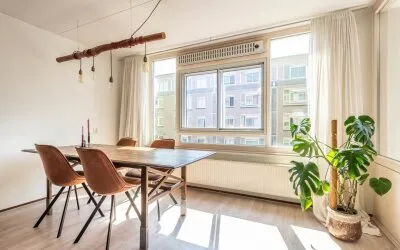
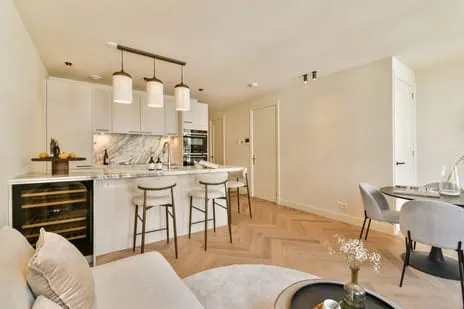
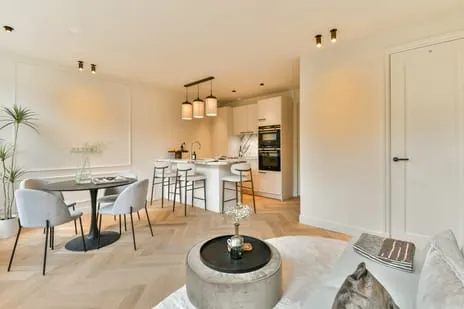
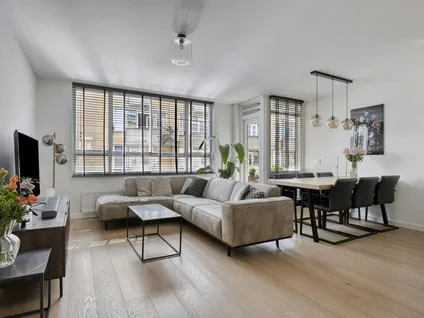
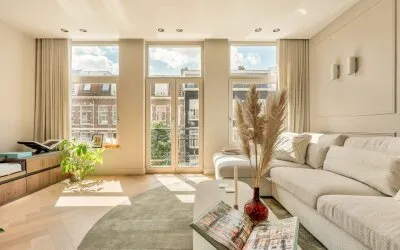
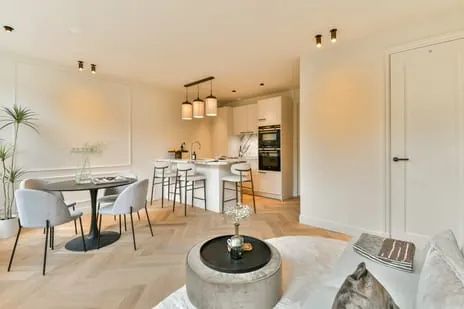
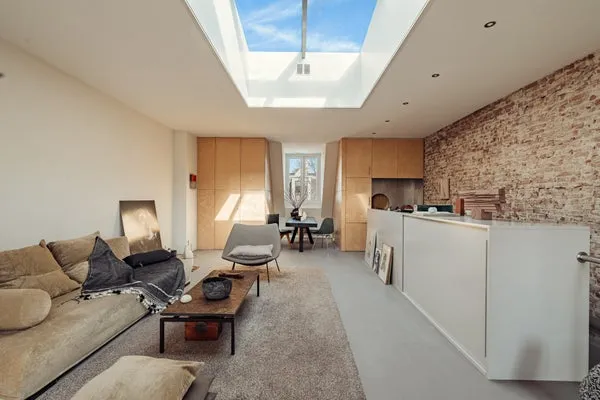
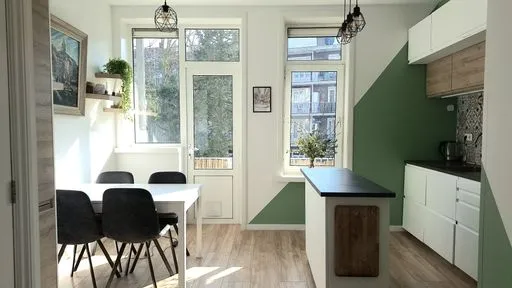
The Lizzy Ansinghbuurt is a predominantly rental neighbourhood: only 24% of the housing stock is owner-occupied, the rest is rented out by housing associations (36%) or private landlords (40%). This makes the supply of owner-occupied homes in Lizzy Ansinghbuurt scarce. In the past twelve months, only 17 homes changed hands, at an average purchase price of €663,118. The range runs from €380,000 to €1,145,000, showing that both entry-level and more spacious apartments come onto the market. With an average living area of 76 m², this works out at a price per square metre of approximately €8,725. The WOZ value is €526,000, slightly below the district average of the Nieuwe Pijp (€528,000) and above the Amsterdam average of €517,000. These are almost exclusively apartments, largely from the early twentieth-century construction period. At the top of this page, see the current asking prices and average time on market for the most recent market situation.
Living in Lizzy Ansinghbuurt, Amsterdam
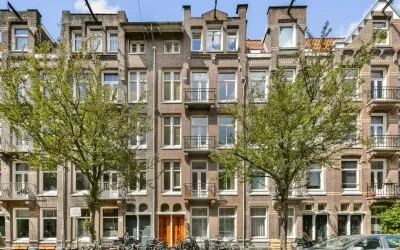
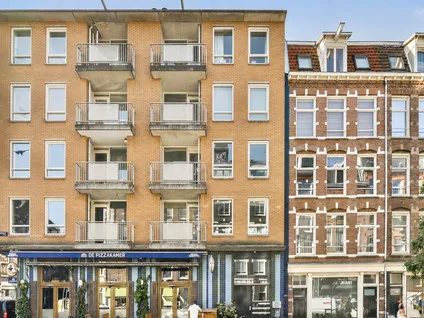
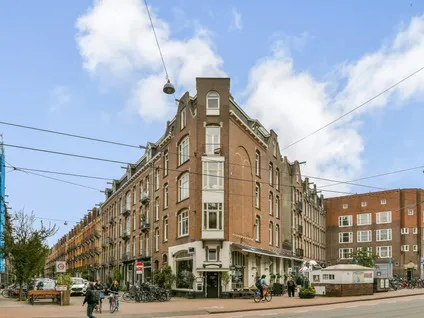
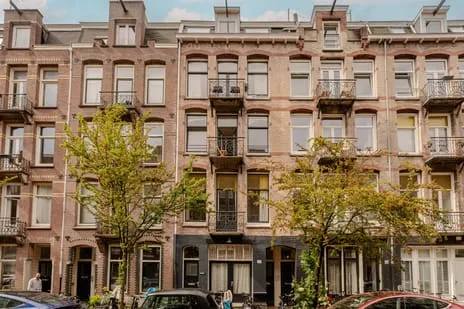
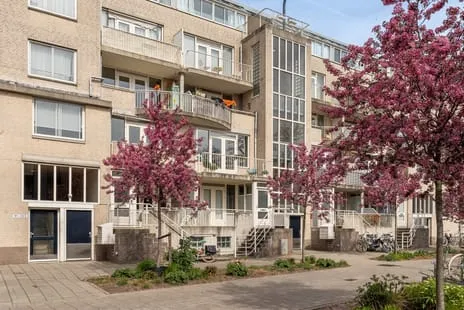
The Lizzy Ansinghbuurt is located in the heart of the Nieuwe Pijp, sandwiched between the Ruysdaelkade, the Stadhouderskade and the Amsteldijk. It is a dense, urban neighbourhood with a predominantly quiet street character behind the busy main roads. The buildings consist almost entirely of closed building blocks from the period 1880-1920, with typical Amsterdam apartment buildings: high ceilings, narrow stairwells and balconies at the rear. Many homes have since been split or merged, which explains the variation in supply.
In terms of amenities, the neighbourhood is well-served without being excessive. The Ferdinand Bolstraat and the Van Woustraat are within walking distance and offer daily groceries at supermarkets such as Albert Heijn and Jumbo, supplemented by specialist shops and eateries. Sarphatipark, one of the greener spots in the Pijp, is reachable within a five-minute walk and serves as an informal meeting place for residents. For parents with children, there are several primary schools in the immediate vicinity, including schools on the Ruysdaelstraat and surrounding side streets. Sports clubs and fitness centres can be found in the wider district.
Accessibility is one of the neighbourhood's strongest points. De Pijp metro station (North-South line) is about a five-minute bike ride away and takes you to Amsterdam Central in four minutes. Tram lines 4 and 24 run along the Ferdinand Bolstraat. By bike, you are in the city centre, at the Zuidas or at Amstel station within ten to fifteen minutes. Motorists are close to the A10 ring road via the Stadhouderskade, although street parking is scarce and paid.
The neighbourhood mainly attracts young professionals and couples: the 25-45 age group forms the largest group, and single-person households are by far the most common at 905. The education level is high (63% highly educated) and the average income is €45,000, slightly below the district average of €49,300. This difference is partly due to the large rental component and a younger influx. Residents appreciate the central location and the lively but not overwhelming atmosphere. One resident describes it as: "You really live in Amsterdam here without the tourist fuss, the neighbourhood has its own rhythm." Read more experiences on the Lizzy Ansinghbuurt neighbourhood page, where scores per category can also be found. For those who want to compare the neighbourhood with its immediate neighbours: the Cornelis Troostbuurt and the Van der Helstpleinbuurt are nearby and have a similar character, but sometimes a slightly larger supply of owner-occupied homes. The Willibrordusbuurt is somewhat quieter in nature.
Who is a home for sale in Lizzy Ansinghbuurt interesting for?
Buying in Lizzy Ansinghbuurt is reserved for buyers with a solid budget and patience. With an average transaction price of over €663,000 and only 17 sales in a year, supply is limited and competition for well-priced properties is fierce. Overbidding is not uncommon in this market. The neighbourhood best suits young dual-income couples or movers who value urban living, good public transport connections and proximity to Sarphatipark. Families with multiple children may find the available floor areas cramped. Those unsure whether buying is the right time can also look at rental homes in Lizzy Ansinghbuurt as a temporary alternative. Keep in mind that VvE contributions and possible ground lease can increase monthly costs.
What residents say about the Lizzy Ansinghbuurt
Residents rate the neighbourhood positively on average, with relatively high scores for location, accessibility and the atmosphere in the streets. Downsides are the limited green space directly in the neighbourhood itself and the parking pressure. A frequently heard comment: "The neighbourhood is quiet enough to live in, but lively enough to never get bored. The Pijp has character." See all reviews and the full neighbourhood data on the page of the Lizzy Ansinghbuurt.
Compare homes for sale in and around the Lizzy Ansinghbuurt
Buurtje.nl bundles the current housing supply from more than 1,500 sources and combines it with resident reviews and district statistics, so you not only search for a home but also get to know the neighbourhood before making a decision. Compare the supply in homes for sale in Nieuwe Pijp for a broader picture of the district. Want to look further in the city? Also check the supply in the Jordaan, the Haarlemmerbuurt or the overall overview of homes for sale in Amsterdam. More information about living and residing in the city can be found on the website of the Municipality of Amsterdam.
Frequently asked questions
What does a home cost in Lizzy Ansinghbuurt?
In the past twelve months, the average purchase price in Lizzy Ansinghbuurt was €663,118. Sale prices ranged from €380,000 to €1,145,000, depending on the size and condition of the property. With an average surface area of 76 m², this works out at a price per square metre of approximately €8,725. Supply is limited: only 17 homes changed hands in a year.
What is the WOZ value in Lizzy Ansinghbuurt?
The average WOZ value in Lizzy Ansinghbuurt is €526,000. This is slightly below the average for Nieuwe Pijp as a whole (€528,000), but above the Amsterdam average of €517,000. The WOZ value gives an indication of the value level, but actual transaction prices are generally higher due to overbidding in the current market.
What is it like living in Lizzy Ansinghbuurt?
Living in Lizzy Ansinghbuurt means life in a dense, urban neighbourhood with a quiet street character. The buildings largely date from the period 1880-1920 and consist of classic Amsterdam apartment buildings. Residents appreciate the central location, the proximity of Sarphatipark and good accessibility by bike and public transport. Drawbacks mentioned are limited parking availability and little greenery directly in the streets themselves.
Is Lizzy Ansinghbuurt suitable for first-time buyers?
First-time buyers with a limited budget will find it difficult in Lizzy Ansinghbuurt: the average transaction price of over €663,000 and tight availability make entry challenging. The neighbourhood mainly attracts young dual-income couples and movers. If first-time buyers still want to buy, they would do well to act quickly and enlist the help of a buying agent, because well-priced homes sell fast.
How accessible is Lizzy Ansinghbuurt?
The accessibility of Lizzy Ansinghbuurt is excellent. De Pijp metro station (North-South line) is about a five-minute bike ride away and quickly connects you to Amsterdam Central and the Zuidas. Tram lines 4 and 24 run along Ferdinand Bolstraat. By bike, you can reach the city centre in ten to fifteen minutes. Motorists have quick access to the A10 ring road via Stadhouderskade, but parking in the neighbourhood itself is scarce and paid.
What type of homes are for sale in Lizzy Ansinghbuurt?
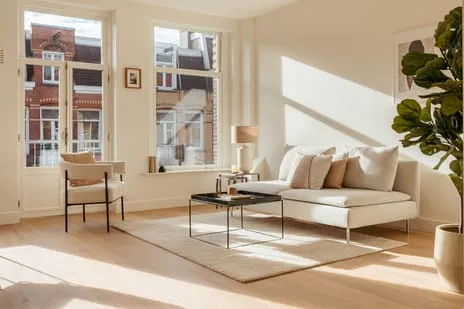
The supply consists almost exclusively of apartments in pre-war building blocks from the period 1880-1920. Think of upstairs apartments with high ceilings, often with a balcony at the rear. Single-family homes or detached houses are hardly found here. Some buildings have been split or merged, so the surface area can vary greatly. The average sold surface area over the past year was 76 m².
Is there enough green space and are there schools nearby?
Sarphatipark is the main green area for residents and is within walking distance. The park offers space for recreation and meeting, but truly extensive greenery is lacking directly in the streets themselves. For families with children, there are several primary schools in the immediate vicinity, including on Ruysdaelstraat and adjacent side streets. Secondary schools are easily accessible by bike or public transport from the neighbourhood.