





133 homes for sale in Nieuwe Pijp, Amsterdam
View the current supply of homes for sale in Nieuwe Pijp, including neighbourhood scores and resident reviews. Compare prices, surface areas and energy labels.



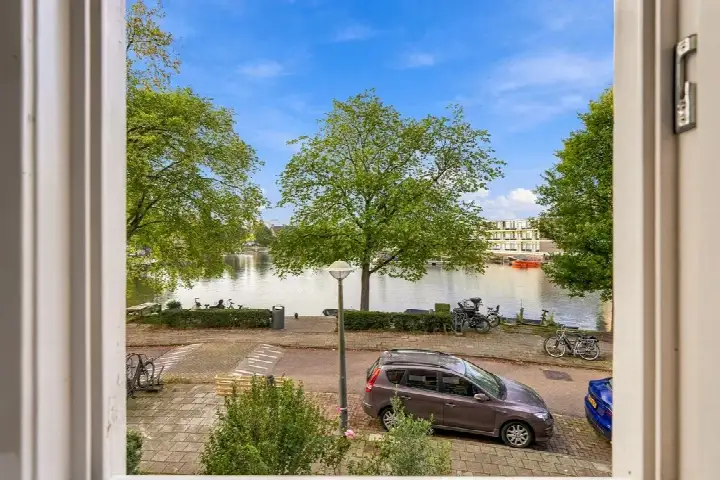


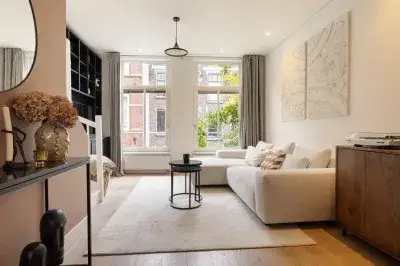


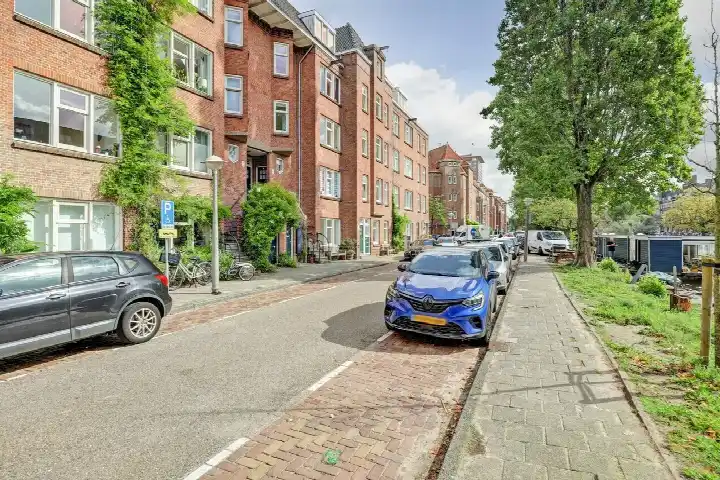






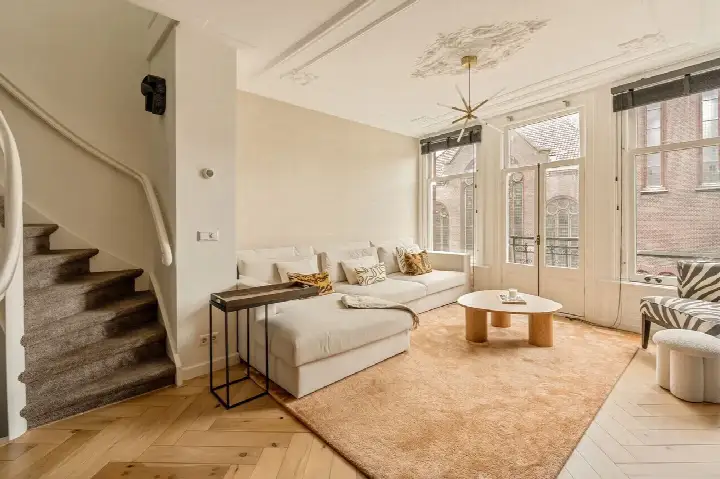


What does a home in Nieuwe Pijp cost?
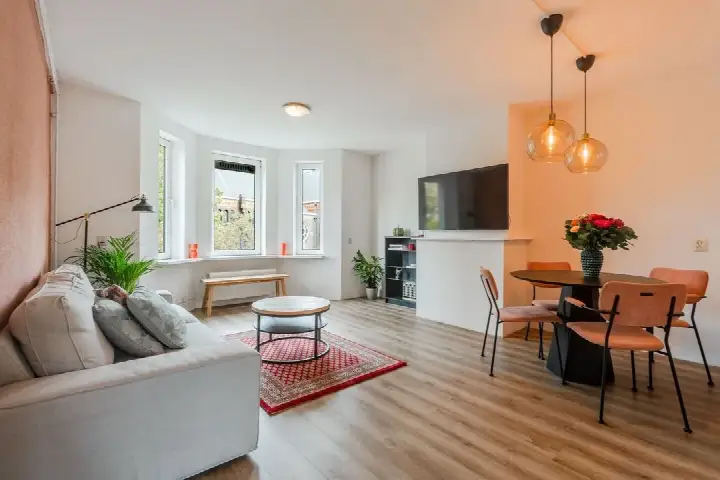
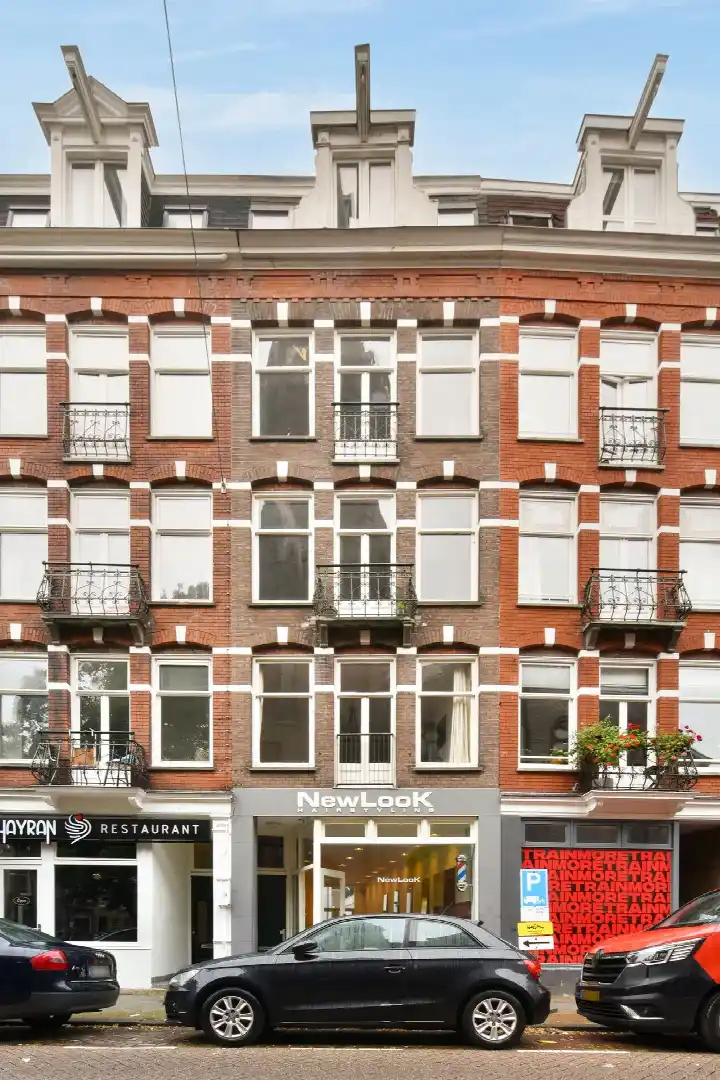
Nieuwe Pijp is predominantly a rental district: only 26% of the more than 7,960 homes are owner-occupied. This makes supply limited and competition among buyers fierce. The average WOZ value is €528,000, slightly above the Amsterdam average of €517,000. But actual transaction prices are higher: in the past twelve months, 231 homes changed hands at an average purchase price of €607,871. The range runs from €132,448 for a small apartment to €2,195,000 for the largest homes. With an average living area of 66 m², you mainly buy apartments in pre-war buildings here. Single-family homes are scarce. Check the overview at the top of this page for current asking prices and selling times.
Living in Nieuwe Pijp: market atmosphere, metro and little greenery
Nieuwe Pijp is the part of Amsterdam-Zuid between the Albert Cuypmarkt and Sarphatipark. It is a neighbourhood where you step over fresh mangoes at the market in the morning and have a choice of dozens of restaurants along Ceintuurbaan and Marie Heinekenplein in the evening. Residents on the Nieuwe Pijp district page rate the neighbourhood 7.5 out of 10. Accessibility scores highest at 8.8, and rightly so: De Pijp metro station (North-South line) is centrally located in the district and takes you to Amsterdam Central in ten minutes. Tram lines 3, 4 and 12 stop along the edges. Resident Z writes: "It is easily accessible by metro and tram, except at night. There is only 1 bus in the area and that is at 5 am, to Schiphol." That night-time public transport gap is a real drawback if you work late.
Amenities score 8.0, which matches the street scene. Within walking distance you will find several Albert Heijn and Jumbo branches, a Marqt on Ferdinand Bolstraat, and the daily Albert Cuypmarkt for vegetables, fish and fabrics. For primary education, there are, among others, Pijlerschool and Catharinaschool. Sarphatipark is the green heart of the neighbourhood, but residents find the total amount of greenery limited. The green score of 6.8 is the second lowest sub-score. Resident Sem sums it up succinctly: "Messy, mixed, little greenery. Sometimes nice, sometimes a lot of poverty, sometimes chaotic." That honesty characterises the district: it is not a slick neighbourhood, but one with character.
Within Nieuwe Pijp, the atmosphere varies per neighbourhood. The Van der Helstpleinbuurt is close to the market and hospitality venues, while the Cornelis Troostbuurt towards the Amstelkanaal is quieter. The Lizzy Ansinghbuurt borders Sarphatipark and attracts families, and the Willibrordusbuurt has a mix of social housing and owner-occupied apartments. Resident Middag sums up the energy: "Lively neighbourhood, 24/7 lively, little noise from neighbours." That sounds contradictory, but the thick walls of the pre-war buildings dampen street noise surprisingly well. More information about the municipality can be found on the page about Amsterdam and on amsterdam.nl.
Does Nieuwe Pijp suit you as a buyer?
With an average purchase price above six hundred thousand euros and apartments averaging 66 m², buying a home in Nieuwe Pijp is mainly realistic for dual-income earners or movers with equity. First-time buyers with a modal income of around €49,300 (the district average) often miss out, unless they bring substantial personal funds. In addition to the purchase price, budget for around 5 to 6% additional costs: transfer tax (2% or exemption for first-time buyers under the threshold), notary, valuation and mortgage advice. Overbidding is more the rule than the exception in this district. If you find the purchase prices too high, you can look at rental homes in Nieuwe Pijp. Families looking for more space sometimes find better options in districts such as Haarlemmerbuurt or Jordaan, although prices there are comparable.
Searching for a home to buy in Nieuwe Pijp
On Buurtje.nl you combine the current sales offering with neighbourhood scores, resident reviews and district statistics, so you assess not only the home but also the neighbourhood. Compare Nieuwe Pijp with other popular districts such as Grachtengordel-West or view the broader overview of homes for sale in Amsterdam to see where you get the most living space for your budget.
What is the average price of a home in Nieuwe Pijp?
The average purchase price in Nieuwe Pijp was €607,871 over the past year. Prices vary widely: from €132,448 for a small apartment to €2,195,000 for the largest homes. The average living area is 66 m².
What kind of homes can I buy in Nieuwe Pijp?
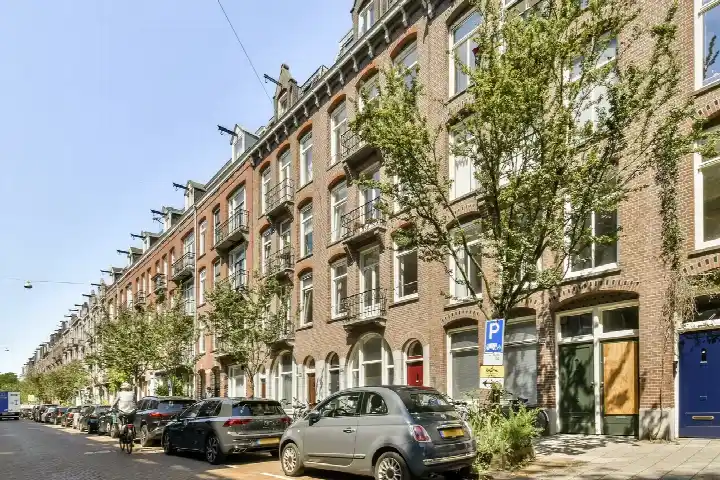
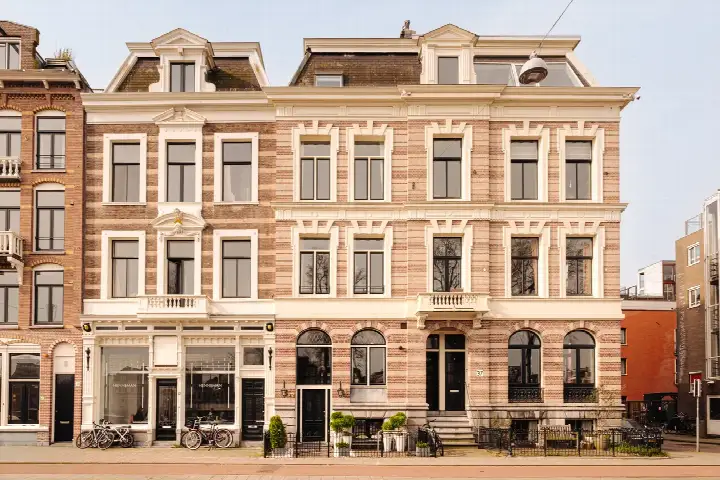
The supply consists almost entirely of apartments in pre-war buildings. Only 26% of the housing stock is owner-occupied, the rest is rental. Buying an apartment in Nieuwe Pijp often means an upstairs home of 50 to 80 m² in a characteristic building.
How is the accessibility if I buy a home in Nieuwe Pijp?
Accessibility is excellent. De Pijp metro station (North-South line) is centrally located in the neighbourhood. Tram lines 3, 4 and 12 stop at the edges. Amsterdam Central Station can be reached in about ten minutes. Night-time public transport is limited: only one night bus runs.
What is the WOZ value in Nieuwe Pijp compared to the rest of Amsterdam?
The average WOZ value in Nieuwe Pijp is €528,000. That is slightly above the Amsterdam average of €517,000. Actual transaction prices are higher because bidding wars are common in this neighbourhood.
Is Nieuwe Pijp suitable for buying a home for a family?
Relatively few families live there; most households are single-person (5,145 out of approximately 7,960 homes). There are good primary schools such as Pijlerschool and Sarphatipark is nearby, but the apartments, averaging 66 m², are cramped for a family. Living in Nieuwe Pijp is better suited to couples or singles.
Resident scores from reviews on Buurtje.nl. Click for statistics, amenities and experiences per neighbourhood.
Lively, with a tram stop right outside and the North-South line station across the street. Albert Cuyp Market within walking distance. Supermarkets within walking distance. Lively bars and restaurants directly below the homes on this side.
Auto-translated to English by AISometimes nice, sometimes a lot of poverty, sometimes chaotic, sometimes ok.
Auto-translated to English by AIIt's really a good neighbourhood. It's easily accessible by metro and tram, except at night. There's only 1 bus in the area and that one at 5 in the morning (to Schiphol) is super annoying. Furthermore, it's nicely green with parks and trees in the neighbourhood. There are also many amenities; shops, bakeries, butchers, eateries, really everything. Also, it's very safe, there are occasional burglaries but they are minor and only target shops. Furthermore, no one has been murdered or large drug labs found in years. Just lock your bike properly. The houses are nice and good, but WAY TOO EXPENSIVE! Renting here is a nightmare if it's not social housing :/
Auto-translated to English by AII think it's a nice, safe neighbourhood, beautiful buildings and it's central.
Auto-translated to English by AI