


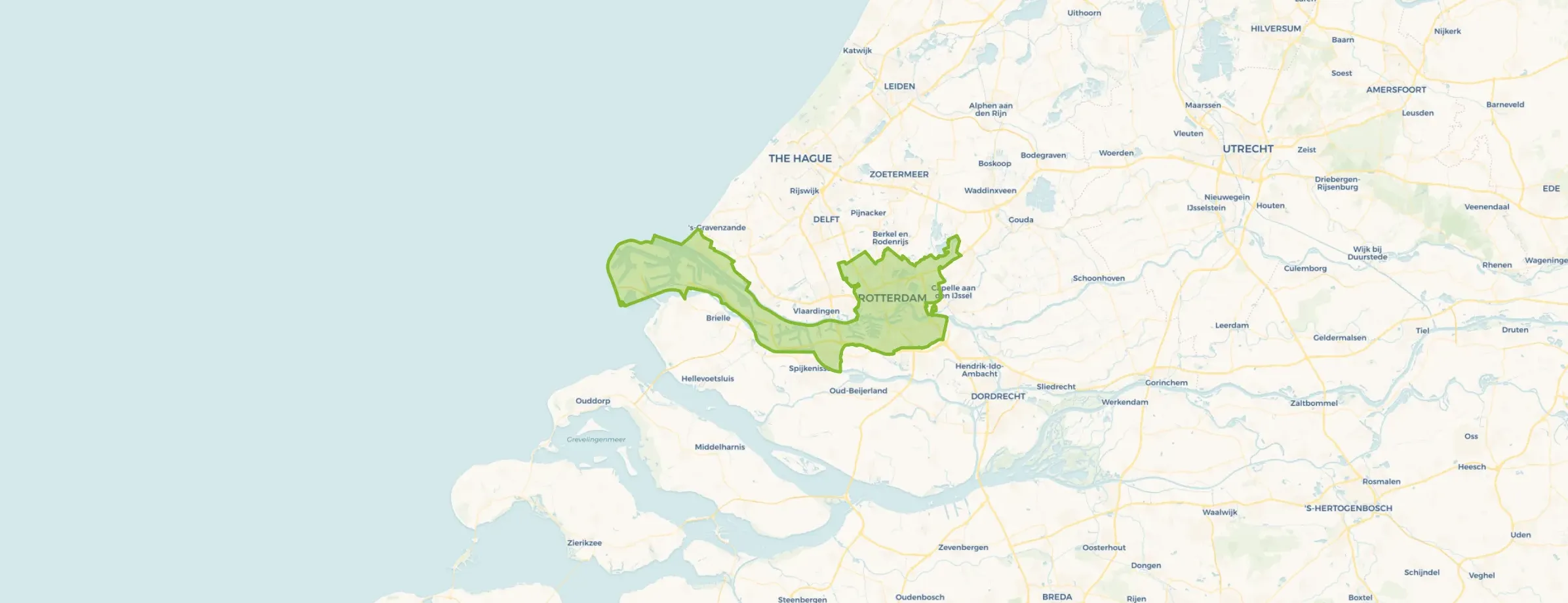

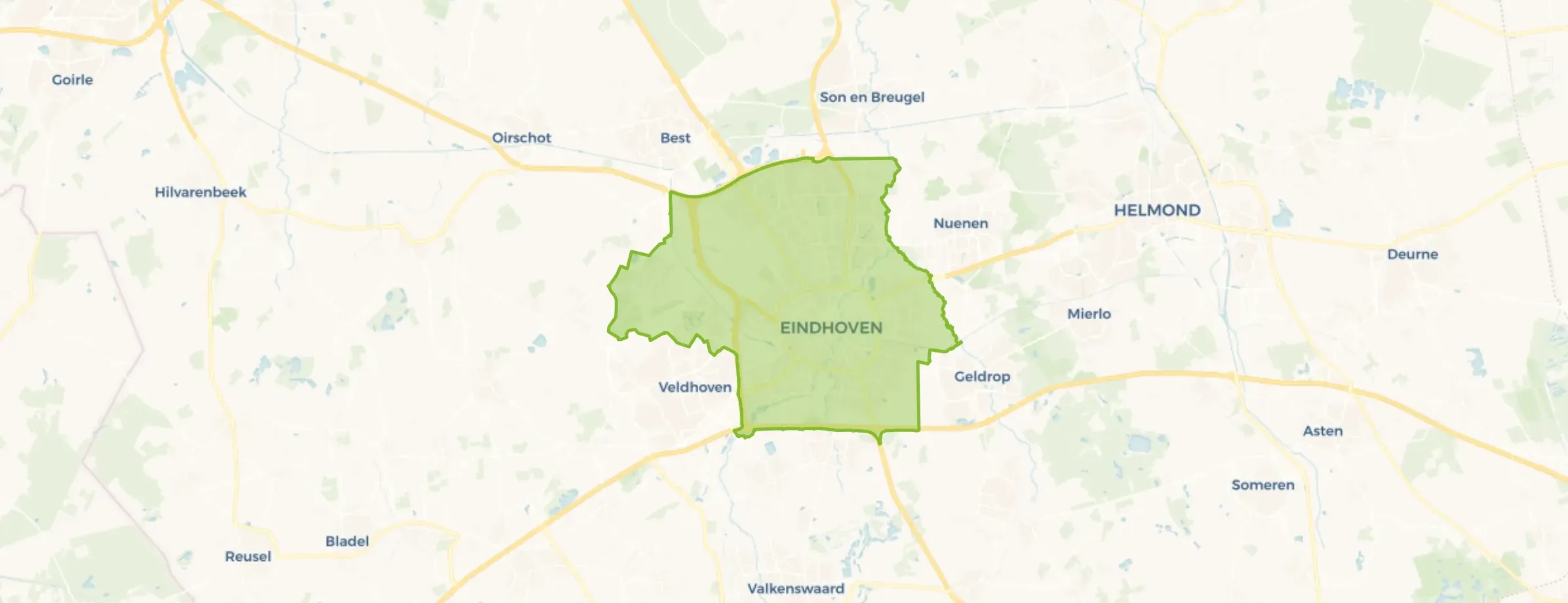


16 homes for sale in Malvert, Nijmegen
View the current supply of homes for sale in Malvert and discover with neighbourhood data and resident reviews whether this Nijmegen neighbourhood suits you.

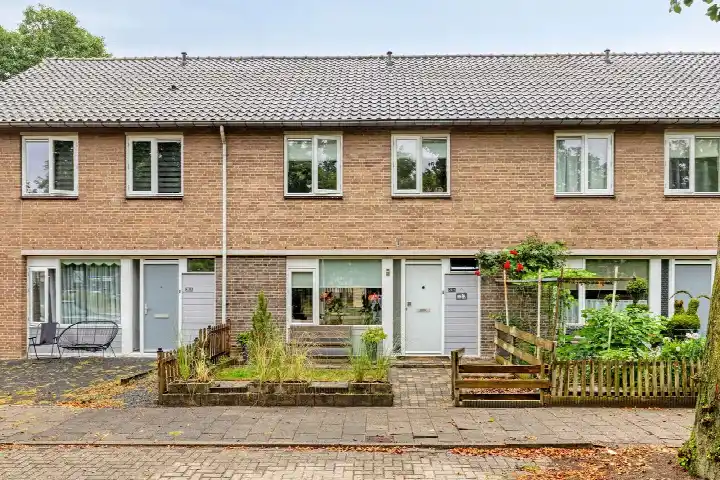
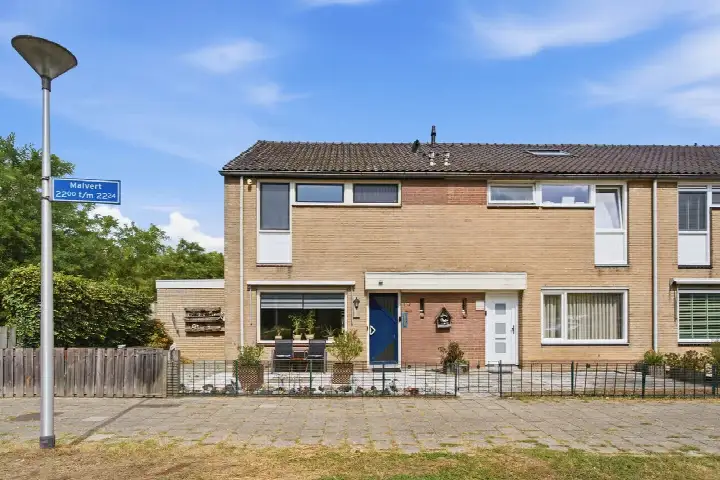
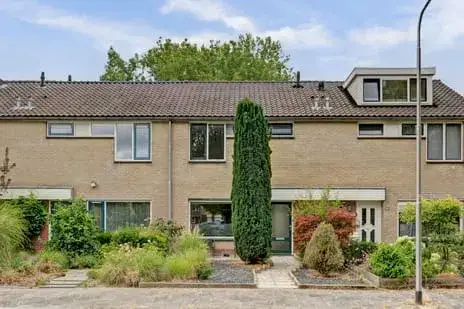


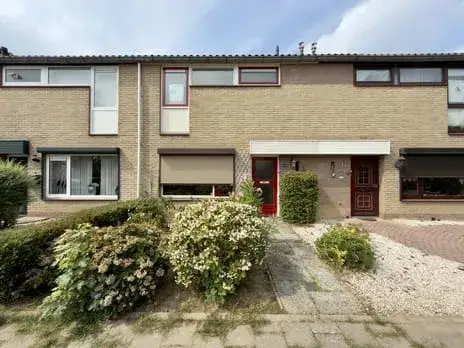


House prices and market figures for Malvert, Nijmegen
Malvert is a buyer's market that is more affordable than the Nijmegen average, but that doesn't mean you'll get a bargain here. Of the more than 1,240 homes in the neighbourhood, only 37% are owner-occupied. The rest are rental properties, a large proportion of which are owned by housing associations. This limited supply of owner-occupied homes puts some pressure on the market.
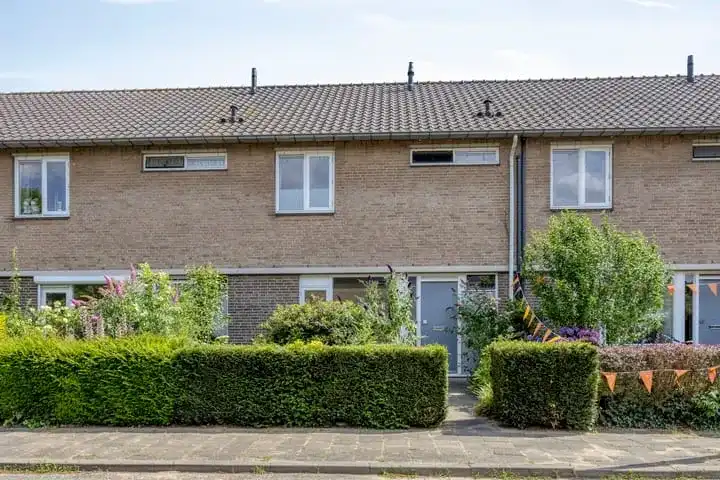
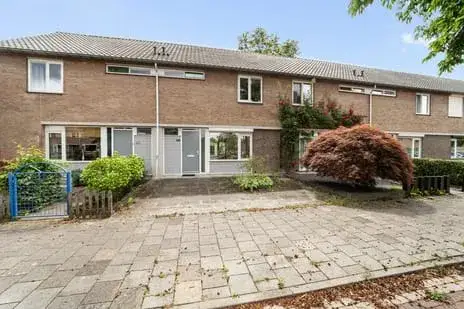
The average WOZ value is €247,000, which is clearly lower than the district average for Dukenburg (€264,000) and well below the Nijmegen average of €362,000. However, actual transaction prices are higher: over the past twelve months, 22 homes were sold with an average purchase price of €333,455. The range ran from €275,000 to €419,000, with an average living area of 105 m². That works out at approximately €3,176 per square metre. The housing stock consists mainly of terraced houses and semi-detached houses from the 1970s, with the occasional apartment complex. For current asking prices and selling times, you can consult the overview at the top of this page.
Living in Malvert, Nijmegen
Malvert is a quiet, well-organised 1970s neighbourhood in the southwest of Nijmegen, part of the Dukenburg district. The neighbourhood has a distinct residential character: wide streets, plenty of greenery between the homes, and relatively little through traffic. It is not a neighbourhood that stands out for architectural features, but rather for the peace you find once you live there.
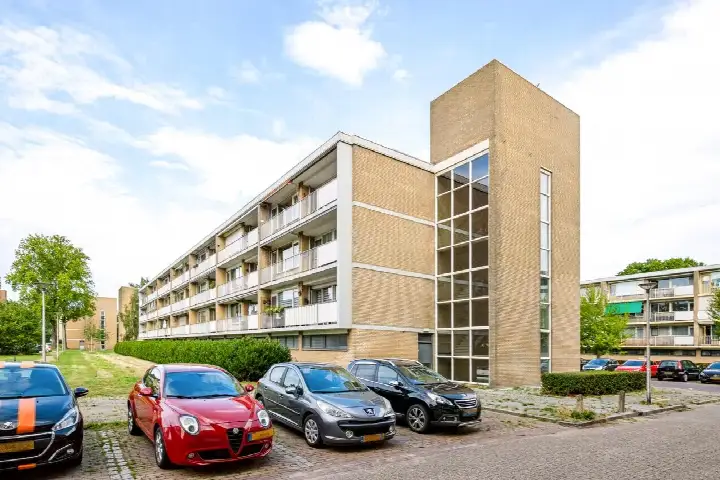
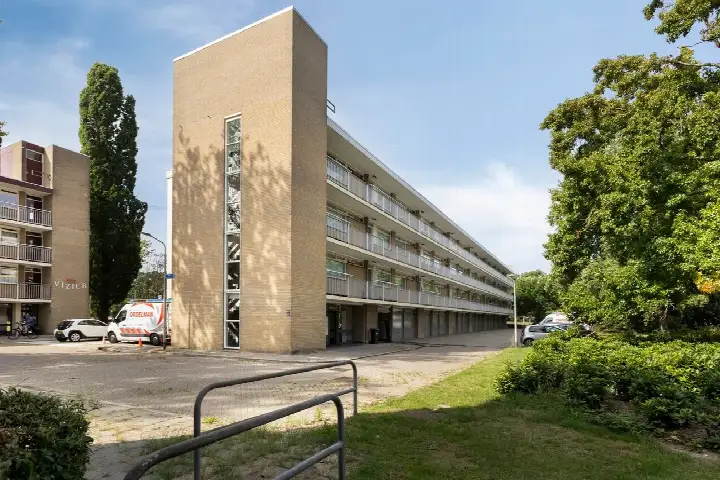
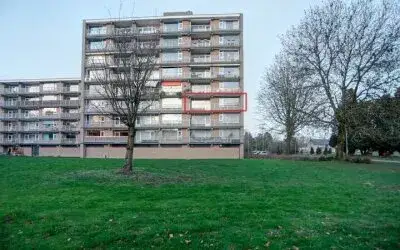
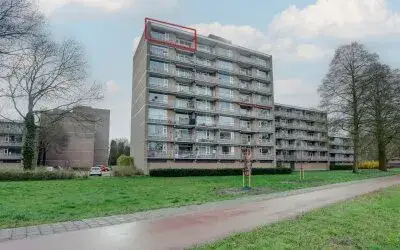
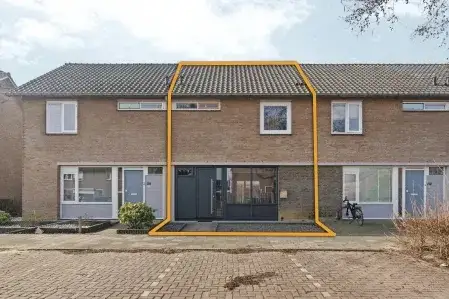
The buildings largely date from the period 1965-1980 and consist mainly of terraced houses with gardens, interspersed with porch flats and a few larger apartment complexes. The homes are functional in design, with reasonable plot sizes by Nijmegen standards. Many buyers appreciate the space you get for your money here compared to neighbourhoods closer to the city centre.
In terms of amenities, Malvert is reasonably self-sufficient. Dukenburg Shopping Centre, a bike ride away in the heart of the district, offers a wide range of supermarkets, a pharmacy, a GP practice and various shops for daily groceries. Within Malvert itself, there are primary schools, making the neighbourhood attractive for families with young children. There are several playgrounds and green strips scattered throughout the neighbourhood, and the nearby Meijhorst Park offers space for recreation.
Accessibility is one of Malvert's stronger points. Via the Graafseweg and the junction with the A73, you are quickly on the motorway towards Venlo or back north. Breng bus lines connect Malvert to Nijmegen station, from where you can reach Arnhem in about twenty minutes. By bike, Nijmegen city centre can be reached in just under a quarter of an hour via the main cycle paths that connect Dukenburg with the city centre.
Residents often describe Malvert as a neighbourhood where you can live quietly without feeling far from everything. On the neighbourhood main page of Malvert you can read all the reviews and neighbourhood data. One resident writes: "It's green and quiet here, the neighbours know each other and the children can play outside. Not spectacular, but just nice to live in." Critical notes are more often about the outdated appearance of some flats and limited parking options at busy times.
Compared to neighbouring communities such as Zwanenveld and Meijhorst, Malvert has a slightly quieter profile with fewer shops within walking distance, but also less nuisance. Tolhuis and Weezenhof are alternatives if you are looking for a bit more urban vibrancy within the same district.
Who is a home in Malvert suitable for?
Malvert mainly attracts young families and home-movers looking for space on a realistic budget. With an average purchase price of €333,455 and homes around 105 m², it is accessible for starters at the upper end, but you do need sufficient equity. Overbidding is not uncommon in this market, especially on well-maintained terraced houses. The limited supply of owner-occupied homes means you have to act quickly when something becomes available. Is buying not feasible now? Then check out the rental properties in Malvert as a temporary alternative, because the rental percentage is high here and something regularly becomes available.
What residents say about Malvert
On the review page of this neighbourhood, residents give their opinions on various topics such as greenery, safety, atmosphere and accessibility. The reviews paint a consistent picture: Malvert is appreciated for its quiet living environment and the presence of greenery, but scores less on the appearance of public spaces and the level of amenities directly in the neighbourhood. One resident sums it up: "For a family, this is a great place. Safe, green, and the school is within walking distance. Only the neighbourhood looks a bit outdated in some places." Check all scores and reviews on the neighbourhood main page for a complete picture.
Comparing homes for sale in and around Malvert
Buurtje.nl bundles listings from more than 1,500 sources in one place, supplemented with resident reviews and district data you won't find anywhere else. This way you can compare not only homes, but also neighbourhoods. Want to see how Malvert compares to the rest of the district? View all homes for sale in Dukenburg or broaden your search to all homes for sale in Nijmegen. Neighbourhoods such as Lankforst and Aldenhof are also worth comparing. More information about living and amenities in Nijmegen can be found on the website of the municipality of Nijmegen.
What does a home cost in Malvert?
Over the past twelve months, the average purchase price in Malvert was €333,455, with an average living area of 105 m². That works out to about €3,176 per square metre. Sale prices ranged from €275,000 to €419,000, depending on the type, condition and location of the property.
What is the WOZ value in Malvert?
The average WOZ value in Malvert is €247,000. That is below the district average of Dukenburg (€264,000) and well below the Nijmegen average of €362,000. Actual transaction prices are higher than the WOZ value, which is common in a tight housing market.
What is it like living in Malvert?
Malvert is a quiet 1970s neighbourhood with plenty of greenery, wide streets and a clear layout. The area has a strong residential character and mainly attracts families and residents who value peace and space over urban vibrancy. Residents appreciate the green surroundings and the sense of safety, but sometimes criticise the dated appearance of parts of the neighbourhood.
Is Malvert suitable for families with children?
Yes, Malvert is a popular choice for families. There are primary schools nearby, plenty of play space between the homes and relatively little through traffic. The homes are typically terraced houses with gardens, which is practical for families. The neighbourhood has a young to middle-aged age structure, with the largest group of residents between 25 and 45 years old.
How accessible is Malvert?
Malvert is easily accessible by car via the Graafseweg and the junction with the A73. By bus (Breng), you are connected to Nijmegen station, from where trains depart towards Arnhem and beyond. By bike, the city centre of Nijmegen can be reached in about fifteen minutes via the main cycle paths through Dukenburg.
What type of homes can you buy in Malvert?
The owner-occupied housing supply in Malvert mainly consists of terraced houses and semi-detached houses from the 1970s. Here and there, apartments are also for sale, although the share of owner-occupied apartments is limited. Buying an apartment in Malvert is therefore less common than buying a ground-based home. The homes have an average area of around 105 m².
What is parking and public space like in Malvert?
Parking can be a challenge at busy times, especially in the streets around the flats and near popular destinations. The public space is spacious with many green strips, but the layout largely dates from the neighbourhood's construction period and is considered outdated by some residents. The municipality of Nijmegen periodically carries out refurbishments in Dukenburg, but the pace varies per sub-neighbourhood.