Homes for sale in Natuurkundigenbuurt-west, Haarlem
Discover the current supply of homes for sale in Natuurkundigenbuurt-west and compare prices, neighbourhood data and resident reviews directly on this page.
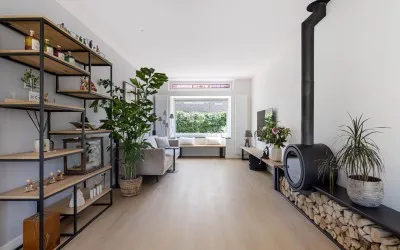
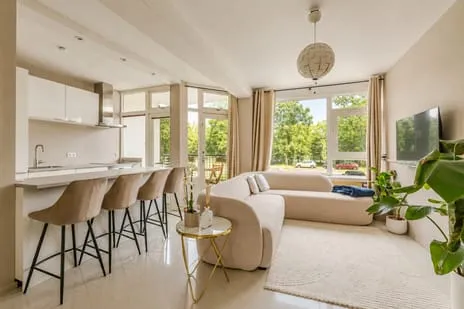

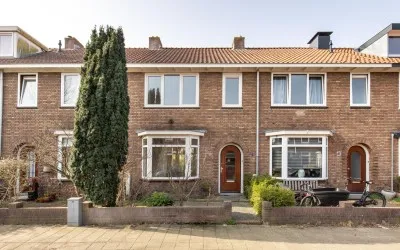
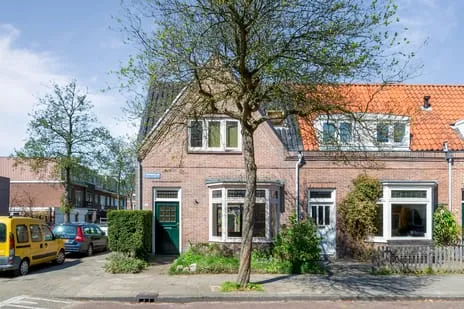
House prices and market figures for Natuurkundigenbuurt-west, Haarlem
The owner-occupied market in Natuurkundigenbuurt-west is solid, but not the most expensive in the Houtvaartkwartier. About 70% of the housing stock is owner-occupied, giving the neighbourhood a stable, owner-oriented character. The average WOZ value is €504,000, slightly below the district average of €539,000 and clearly above the Haarlem average of €480,000. This places Natuurkundigenbuurt-west in the mid-range of the district: more accessible than the most expensive parts of the Houtvaartkwartier, but certainly not an entry-level market.
Over the past twelve months, 15 homes changed hands, with an average sale price of €476,667. The range runs from €275,000 to €850,000, showing that both compact apartments and larger homes come onto the market. With an average living area of 81 m², the price per square metre works out at around €5,885. The market is active but not extremely overheated: the limited annual volume of 15 transactions means you do have to act quickly when something comes up. Check the current listings and asking prices at the top of this page for the most up-to-date situation.
Living in Natuurkundigenbuurt-west, Haarlem
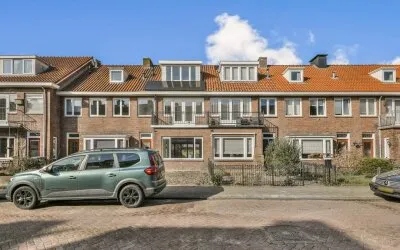
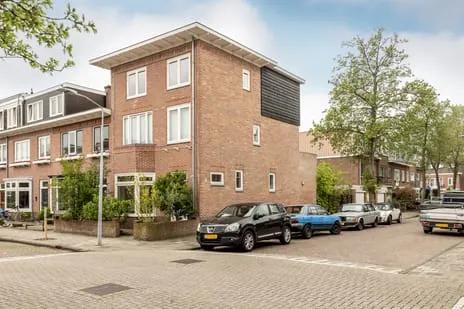
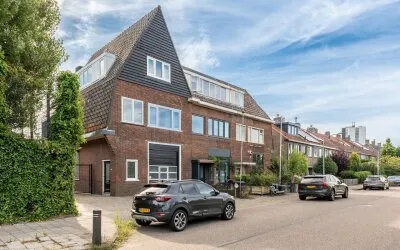
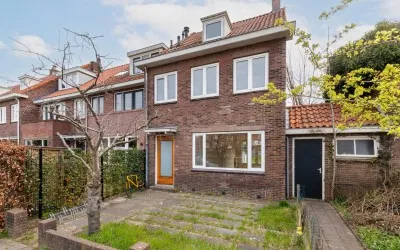
Natuurkundigenbuurt-west is a quiet, urban residential neighbourhood with its own distinct rhythm. The streets are named after physicists, which gives the neighbourhood its name, and the built environment consists largely of terraced houses and porch flats from the 1950s and 1960s. The architecture is sober and functional, but many homes have been thoroughly renovated over the years. You notice that the neighbourhood is inhabited by people who consciously choose it: quiet, orderly, yet within cycling distance of the bustling centre of Haarlem.
The residents are relatively young and highly educated: more than half have a higher professional or university education, and the largest group is between 25 and 45 years old. This is reflected in the atmosphere on the streets. There are young families, but also dual-income couples without children who appreciate the peace and location. The percentage of single-person households is also significant at 255, giving the neighbourhood a light mix of family homes and smaller apartments.
In terms of amenities, the neighbourhood is well provided for. Within walking distance you will find daily groceries at supermarkets on the Zijlweg, one of the main shopping streets in the area. Primary schools in and around the neighbourhood are accessible without needing to take the car. Frederikspark, one of Haarlem's nicer parks, is a short bike ride away and offers space for recreation and sport. For more extensive shopping or culture, the centre of Haarlem is within ten minutes by bike.
Accessibility by public transport is reasonable. Haarlem Centraal can be reached by bike, and from there you can take the train to Amsterdam in twenty minutes or to Leiden in a quarter of an hour. Several bus lines connect the neighbourhood with other parts of the city. By car, the connection to the A9 and A200 is practical. Parking can sometimes be a challenge during peak hours, but is generally not a major problem.
On the neighbourhood main page of Natuurkundigenbuurt-west you can read what residents themselves think. One resident describes the neighbourhood as: "Quiet and green, yet close to everything. You feel like the neighbourhood is yours." That sense of orderliness and character comes up more often in the reviews. Criticisms sometimes concern the limited range of eateries directly in the neighbourhood and the sometimes busy through roads on the edge.
Compared to sister neighbourhood Natuurkundigenbuurt-oost, the western part is slightly quieter in character. The Zeeheldenbuurt and the Geschiedschrijversbuurt are alternatives in the same district with a similar atmosphere but sometimes a different type of housing or price level. Those looking for more urban dynamism can also look at the Oude Stad.
Who is a home in Natuurkundigenbuurt-west suitable for?
Living in Natuurkundigenbuurt-west suits young couples and families who want the peace of a residential area without losing the connection to the city. The average income of €43,300 and a labour participation rate of 73% paint a picture of a neighbourhood of active, working residents. First-time buyers will need substantial financing with an average purchase price of nearly €477,000, although the range down to €275,000 offers some room for smaller apartments. Overbidding is not uncommon in this segment of Haarlem, so factor that in if you are seriously considering buying a home in Natuurkundigenbuurt-west. Those who prefer to rent first or get to know the neighbourhood can find the available supply on the page with rental homes in Natuurkundigenbuurt-west.
What residents say about Natuurkundigenbuurt-west
Residents particularly appreciate the neighbourhood for its combination of peace and location. The scores on safety and liveability are consistently above the Haarlem average. One resident writes: "You really get a sense of neighbourhood here, people know each other and it's clean and quiet." Less enthusiastic are some residents about the limited eateries and the parking supply at busy times. View all reviews and the full neighbourhood data on the overview page of Natuurkundigenbuurt-west.
Compare homes for sale in and around Natuurkundigenbuurt-west
Buurtje.nl bundles listings from more than 1,500 sources in one place, supplemented with resident reviews and district data you won't find anywhere else. This allows you to directly compare homes for sale in Natuurkundigenbuurt-west with the supply in the rest of the Houtvaartkwartier or more broadly in Haarlem. Want to explore other districts too? Then check out the supply in the Haarlemmerhoutkwartier or Zijlwegkwartier. For municipal information about living and permits, you can visit the website of the municipality of Haarlem.
Frequently asked questions
What is the cost of a home in Natuurkundigenbuurt-west?
The average purchase price in Natuurkundigenbuurt-west over the past twelve months was €476,667. The range runs from €275,000 for smaller apartments to €850,000 for larger homes. With an average living area of 81 m², the price per square metre comes to approximately €5,885. Be prepared for bidding above the asking price, as the annual sales volume is limited and competition can quickly increase.
What is the WOZ value in Natuurkundigenbuurt-west?
The average WOZ value in Natuurkundigenbuurt-west is €504,000. This is above the Haarlem average of €480,000 but below the district average of the Houtvaartkwartier, which stands at €539,000. Natuurkundigenbuurt-west is therefore a more accessible part of the neighbourhood, without being cheap.
What is it like to live in Natuurkundigenbuurt-west?
Living in Natuurkundigenbuurt-west feels quiet and well-organised, with a close-knit neighbourhood atmosphere. The residents are relatively young and highly educated, and the location a short bike ride from the centre of Haarlem is widely appreciated. Residents cite safety and liveability as strong points. Criticism sometimes focuses on the limited dining and entertainment options directly in the neighbourhood and parking pressure during busy times.
Is Natuurkundigenbuurt-west suitable for families with children?
Yes, the neighbourhood attracts families: the 0-15 age group has 260 residents, and the largest group of residents is between 25 and 45 years old. Primary schools are within walking distance, and Frederikspark offers space for outdoor play and recreation. The quiet streets and well-organised layout make the neighbourhood child-friendly, although buying a home here is a significant financial step.
How accessible is Natuurkundigenbuurt-west?
Haarlem Centraal is about ten minutes away by bike, and from there you can take the train to Amsterdam in about twenty minutes or to Leiden in a quarter of an hour. Several bus lines connect the neighbourhood to other parts of the city. By car, you can quickly access the A9 and A200 via the Zijlweg and surrounding roads. Parking is generally possible, although it can be a challenge during peak times.
What types of homes are for sale in Natuurkundigenbuurt-west?
The supply mainly consists of terraced houses and porch flats from the 1950s and 1960s, supplemented by a smaller number of larger homes. Many homes have been renovated and made more sustainable over the years. The average living area of sold homes over the past twelve months was 81 m². Those considering buying an apartment in Natuurkundigenbuurt-west will find the most options in the lower price ranges.
How sustainable are the homes in Natuurkundigenbuurt-west?
The average gas consumption in Natuurkundigenbuurt-west is 1,120 m³ per year, which is reasonable for homes from the 1950s and 1960s but indicates that many houses can still be made more sustainable. Electricity consumption is 2,450 kWh. When buying in Natuurkundigenbuurt-west, it is wise to check the energy label carefully, especially for older porch flats. Investments in insulation or a heat pump can significantly reduce monthly costs in the long term.