Homes for sale in Nijmegen-Oud-West, Nijmegen
View the current supply of homes for sale in Nijmegen-Oud-West, including neighbourhood scores and resident reviews, and find a home that suits you.



What does a home cost in Nijmegen-Oud-West?
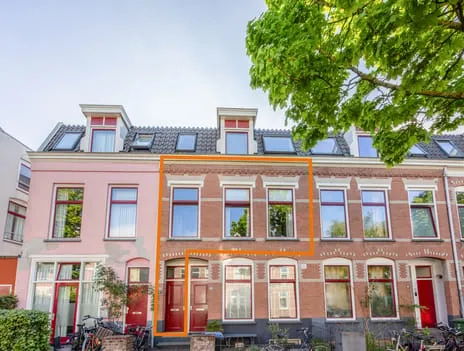
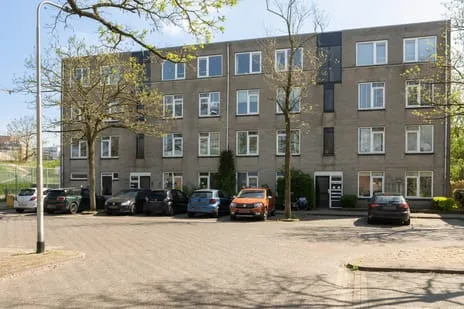
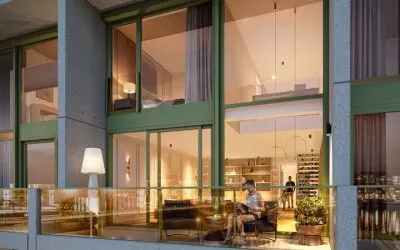
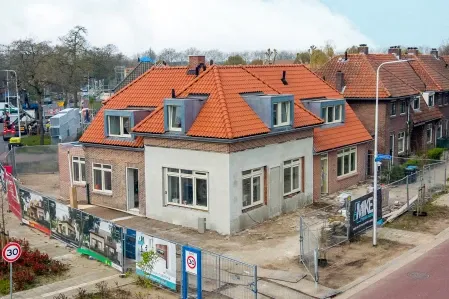
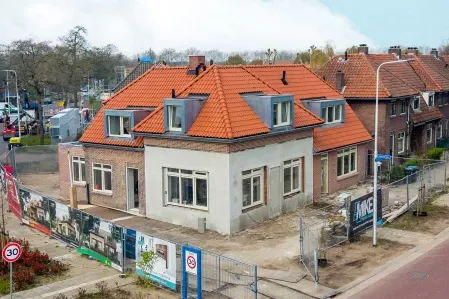
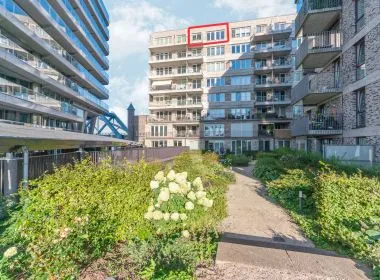
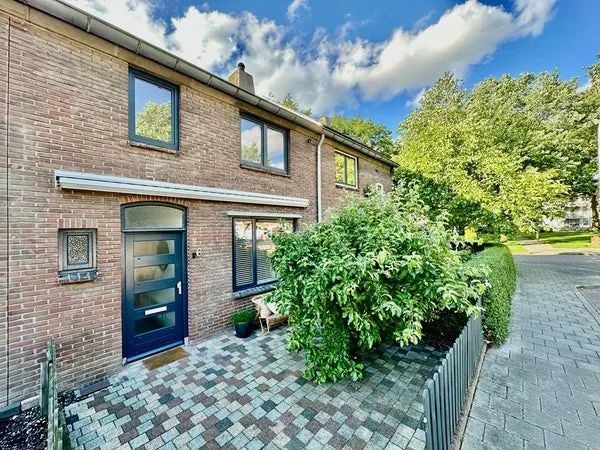
Nijmegen-Oud-West has traditionally been a neighbourhood with many rental properties: 66% of the more than 7,650 homes are rented, nearly half of which are owned by housing associations. Only 34% are owner-occupied homes, which keeps supply limited. The average WOZ value is €348,000, slightly below the Nijmegen average of €362,000. However, actual transaction prices are significantly higher: in the past year, 96 homes changed hands for an average of €471,062. The range is notably wide, from €225,000 for a compact apartment to €2,365,000 for the most expensive home. The average living area of sold homes is 100 m². Those considering buying an apartment in Nijmegen-Oud-West will mainly find porch flats and ground-floor apartments. Additionally, there are terraced houses and a few detached homes, particularly around the Waterkwartier. At the top of this page, view the current listings with asking prices and selling times.
Living in Nijmegen-Oud-West: a working-class neighbourhood with character near the station
Nijmegen-Oud-West is not a slick new-build district, and that is precisely what many residents appreciate. The neighbourhood consists of sub-areas each with its own character: the Waterkwartier with its narrow streets and pre-war homes, the Wolfskuil with a mix of social housing and owner-occupied homes, and the Biezen neighbourhood towards the Maas-Waalkanaal. On the neighbourhood page of Nijmegen-Oud-West, residents rate the area an average of 8.0 out of 10 based on ten reviews. Accessibility (8.9) and amenities (8.9) score particularly high. Resident Liesbeth, who has lived there for almost ten years, calls it "a top location" due to its proximity to everything. Henriette describes the Waterkwartier as "a cosy neighbourhood with a mixed community and various pleasant eateries".
The location is one of its strongest assets. Nijmegen station is a five-minute bike ride away. From there, you can reach Utrecht or Amsterdam in just over an hour. The A73 and A325 are accessible within minutes via the Neerbosscheweg. Bus lines towards the centre, Dukenburg and Lent stop at several points in the neighbourhood. A resident on Buurtje.nl sums it up succinctly: "Nice working-class neighbourhood near the station and centre." Resident J.I. confirms that you can walk to the city centre within fifteen minutes.
In terms of amenities, the neighbourhood is well-equipped. On Hertogstraat and Willemsweg, you will find various shops, cafés and restaurants. There are several supermarkets in the immediate vicinity, including a Jumbo and a Lidl. For primary education, there are, among others, Montessorischool Nijmegen and De Klokkenberg primary school. Sportpark De Biezen offers space for football and other sports. As for green spaces, the neighbourhood is admittedly somewhat sparse; residents give that aspect a 7.2. The Kronenburgerpark on the edge of the centre and the banks of the Maas-Waalkanaal do provide space for walking. Liesbeth notes that "it could be a bit greener" and that the tunnel near the central station could be safer. Herman Sip is more critical, giving the neighbourhood a 6.4 without further explanation. That honesty is part of it: not every corner of the neighbourhood feels the same. Read more experiences on the neighbourhood review page.
Is Nijmegen-Oud-West right for you as a buyer?
The neighbourhood mainly attracts starters and young professionals. The largest age group is 25 to 45 years old, and nearly half of the residents are highly educated. With an average income of €33,500, slightly below the Nijmegen average, it is not a wealthy neighbourhood, but it is a dynamic one. Families with children can find affordable terraced houses here, although supply is limited due to the high rental percentage. Keep in mind that when buying a home in Nijmegen-Oud-West, in addition to the purchase price, you also pay transfer tax (2% or 10.4%), notary costs and possibly costs for overbidding. If buying is not feasible, then consider the listings of rental properties in Nijmegen-Oud-West as an alternative. Seniors can find suitable housing options in the Waterkwartier, such as the care location De Griffioen.
Searching for an owner-occupied home in Nijmegen-Oud-West and surroundings
On Buurtje.nl, you combine the current housing supply with neighbourhood scores and real resident reviews, so you not only choose a home but also the right neighbourhood. Feel free to compare Nijmegen-Oud-West with surrounding areas: view the supply in the centre, the popular neighbourhood Nijmegen-Oost or the more spacious Nijmegen-Nieuw-West. On the municipal page with owner-occupied homes in Nijmegen, you will find the complete overview. More information about living in the municipality can be found on the website of Nijmegen municipality.
Frequently asked questions
What is the average purchase price of a house in Nijmegen-Oud-West?
The average purchase price in Nijmegen-Oud-West over the past year was €471,062, with an average living area of 100 m². Prices vary widely: from €225,000 for a smaller apartment to €2,365,000 for the most expensive home. The average WOZ value is €348,000, slightly below the Nijmegen average of €362,000.
What additional costs do I incur when buying a home in Nijmegen-Oud-West?
In addition to the purchase price, you pay transfer tax (2% for your own home, 10.4% for investors), notary costs for the deed of transfer and mortgage deed, and possibly valuation costs and advisory fees. If you overbid, you often finance the difference between the valuation and purchase price from your own funds. Budget for approximately 4-6% extra on top of the purchase price.
What types of homes for sale are there in Nijmegen-Oud-West?
The neighbourhood has a diverse range: many porch apartments, terraced houses and ground-floor flats, mainly from the pre-war period and the 1950s and 1960s. In the Waterkwartier area, you also find semi-detached houses. Only 34% of the housing stock is owner-occupied, so supply is more limited than in newer neighbourhoods.
How is the accessibility if I buy a house in Nijmegen-Oud-West?
Accessibility scores an 8.9 among residents. Nijmegen station is a five-minute bike ride away, with direct trains to Utrecht, Den Bosch and Arnhem. The A73 and A325 are quickly reachable via the Neerbosscheweg. Several bus routes connect the neighbourhood with the city centre and other districts.
Are there good schools in Nijmegen-Oud-West for families looking for a home to buy?
Yes, residents rate education in the neighbourhood at 7.8 out of 10. There are several primary schools, including the Montessorischool and De Klokkenberg. Secondary schools are within cycling distance in the city centre and Nijmegen-Oost. Residents mention the presence of good schools as a plus point of the neighbourhood.
Fine
Auto-translated to English by AInone
Auto-translated to English by AII haven't lived here very long, the social cohesion between me and the neighbours is very good. I think it's a nice neighbourhood, also conveniently next to the city within a 15-minute walk.
Auto-translated to English by AII think it's a lovely neighbourhood to live in. I feel very safe.
Auto-translated to English by AIOur Waterkwartier is a cosy neighbourhood. Not far from the centre. It has a mixed community. Various cosy eateries in the area. And of course a good school. The elderly have also been catered for with various residential locations including the Griffioen. All kinds of activities are organised there. And there is also a good neighbourhood restaurant.
Auto-translated to English by AIWhat a top location to live! I've been living here for almost 10 years and I really enjoy it! All amenities and motorways are nearby. It could be a bit greener though, and especially the tunnel at the central station could be safer.
Auto-translated to English by AIThe neighbourhood is very cosy Not enough green
Auto-translated to English by AIHygiene: the waste policy in the neighbourhood causes a lot of vermin. Residual waste and plastic waste are put out on the street in bags. The residual waste in particular stinks. Another problem is that the waste is collected early on Monday morning, making it difficult for students to dispose of waste easily. My house and several other student houses in the area therefore sometimes had the problem that waste piled up significantly because no one was home on Sunday evening to put the waste out. Housing: many buildings have been poorly maintained for years, poorly insulated. From the outside, however, they are beautiful. As far as greenery is concerned, it could always be better in my opinion, but we certainly don't have it bad.
Auto-translated to English by AI