





15 homes for sale in Oranjebuurt, Amstelveen
Discover the current supply of homes for sale in Oranjebuurt and compare prices, neighbourhood data and resident reviews to determine if this quiet Amstelveen neighbourhood suits you.



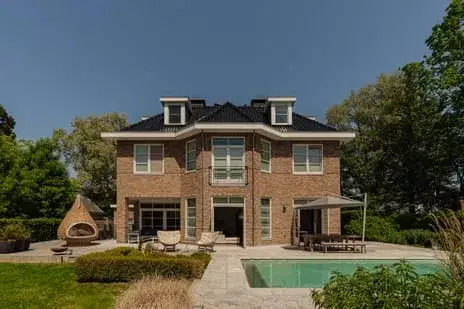


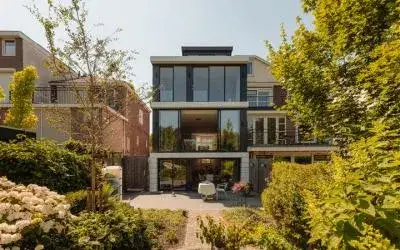
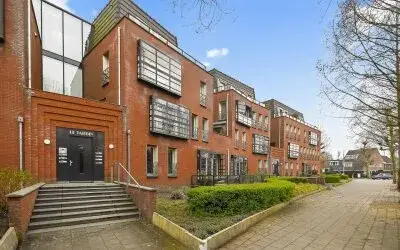
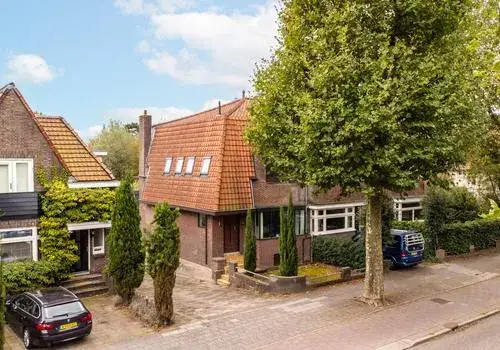
House prices and market figures for Oranjebuurt, Amstelveen
Oranjebuurt is one of the most expensive residential areas in Amstelveen. Of the 351 homes, as many as 89% are owner-occupied, giving the neighbourhood a distinct home-ownership character. The average WOZ value is €1,195,000, more than double the district average in Patrimonium (€737,000) and more than twice as high as the Amstelveen average of €528,000. That difference is no coincidence: Oranjebuurt has many detached houses and spacious semi-detached homes on plots that are hardly found elsewhere in the municipality.
In the past twelve months, 9 homes were sold at an average purchase price of €1,418,333. The range runs from €340,000 to €2,200,000, indicating that besides the large villas, smaller properties also come onto the market. With an average living area of 187 m², this works out at a price per square metre of around €7,585. Check the current listings and asking prices at the top of this page for the most up-to-date situation.
Living in Oranjebuurt, Amstelveen
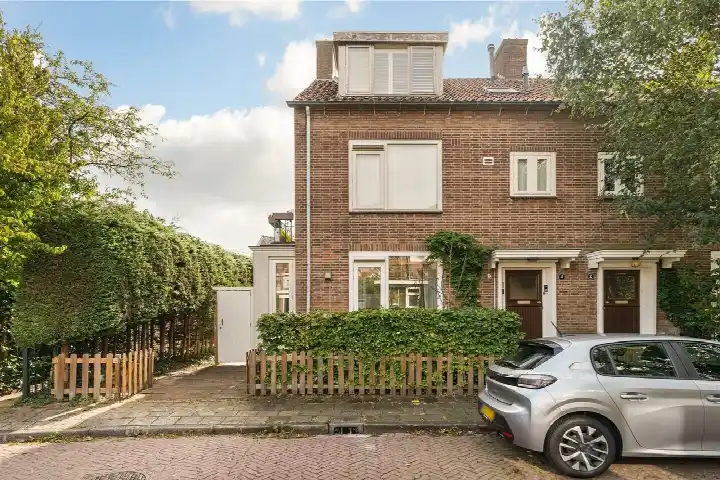
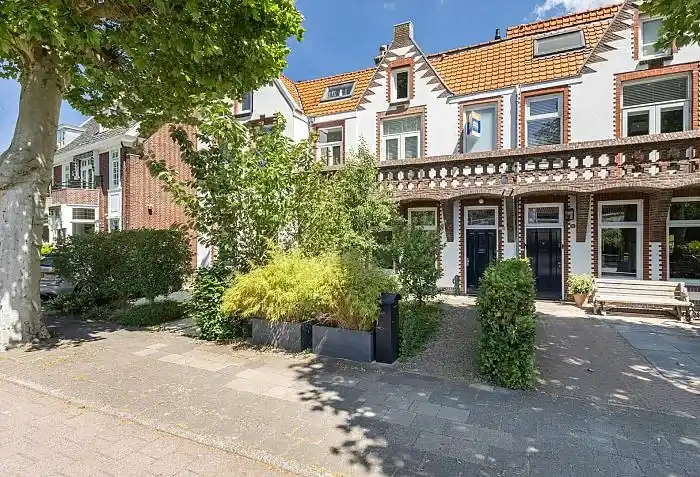
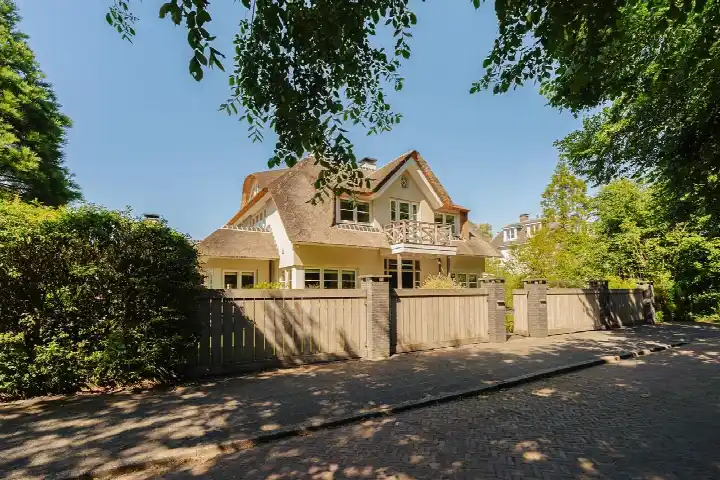
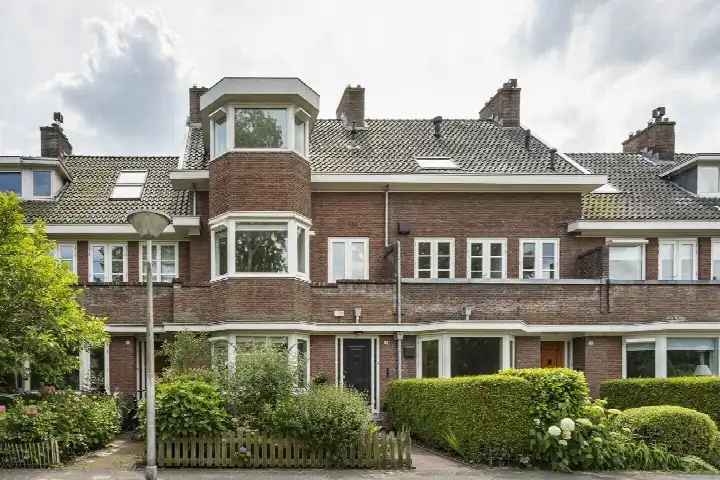
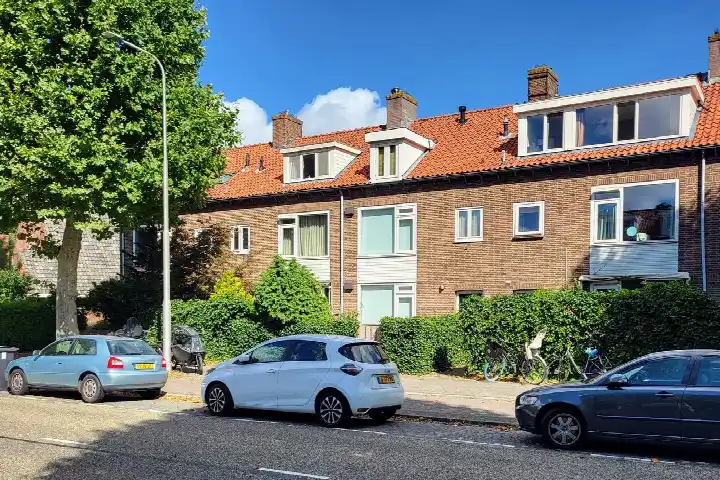
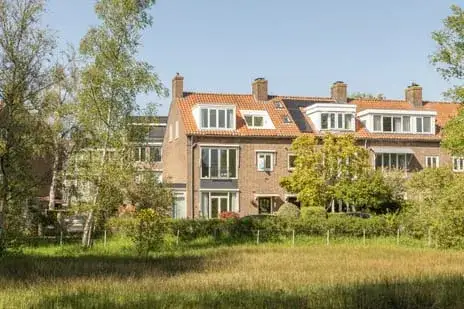
When you first drive into Oranjebuurt, you immediately notice that it has a different scale from the rest of Amstelveen. Wide, tree-lined streets, deep front gardens, detached houses from the 1950s and 1960s, and a striking silence for a neighbourhood so close to the ring road. It is one of the older residential areas of the municipality, with buildings ranging from solid brick villas to some more modern infills where demolition and rebuilding have taken place. The neighbourhood has no shopping street, no hospitality venues on the corner, and no busy through road. That is exactly what many residents are looking for here.
In terms of amenities, Oranjebuurt relies on the nearby facilities of Amstelveen. Stadshart is within cycling distance, offering a full range of shops including supermarkets, specialist stores and eateries. For daily groceries, you hardly need to leave the neighbourhood towards the adjacent districts. Schools in the immediate vicinity are available for both primary and secondary education; Amstelveen has a wide range of schools with good reputations, partly due to the international community the city is home to. For sports, tennis clubs, a golf course and various sports associations are accessible in the wider Amstelveen area.
Accessibility is good, although the neighbourhood is primarily car- and bike-friendly. The A9 and A10 motorways are reachable within minutes, providing quick connections to Amsterdam, Schiphol and the rest of the Randstad. By bus, you can reach the metro stops of Amsterdam Zuidoost or Amsterdam Zuid, from where you can take the national rail network. Amstelveen does not have its own train station, but the light rail connection towards Amsterdam is a common alternative. By bike, you can be in the centre of Amstelveen or at the Amsterdam ring road within a quarter of an hour.
Residents appreciate the peace, space and green character of the neighbourhood. A frequently heard comment in the reviews on the Oranjebuurt neighbourhood page is that it feels like living outside the city while being right in the middle of it. One resident writes: "You really get the feeling of a quiet, green residential area here, but Amsterdam is just around the corner. That combination is unmatched anywhere else." Critical notes sometimes concern the limited walking distance to daily amenities and the fact that you need a car or bike for almost everything. Compared to Elsrijk or Randwijck, Oranjebuurt is more exclusive and quieter, but also less lively at street level. The broader district Patrimonium offers more variety in housing types and price levels for those wanting more choice.
Who is a home in Oranjebuurt suitable for?
Oranjebuurt is not a neighbourhood for first-time buyers. With an average purchase price of over €1.4 million and a WOZ value close to that, this is emphatically a neighbourhood for movers with substantial equity or a high income, as the figures confirm: the average income per resident is €90,100. The largest age group is 45 to 65 years old, and families with children are the most common household type. That says something about the residents who consciously choose this: people looking for space, peace and a stable living environment for the long term. Be aware of the limited supply: on average, fewer than ten homes are sold per year, so when something becomes available, quick action is required. If you find the neighbourhood attractive but your budget falls just short, you can also look at rental homes in Oranjebuurt or similar homes for sale elsewhere in Amstelveen.
What residents say about Oranjebuurt
The resident reviews on Buurtje.nl show a consistent picture: highly rated for peace, greenery and safety, slightly lower for liveliness and amenities within walking distance. One resident describes it as: "Quiet streets, friendly neighbours and plenty of space for the children to play outside. I wouldn't want to live anywhere else in Amstelveen." The neighbourhood attracts people who consciously choose living comfort over urban hustle and bustle. View all reviews, category scores and full neighbourhood data on the Oranjebuurt overview page.
Comparing homes for sale in and around Oranjebuurt
On Buurtje.nl, you will not only find the current housing supply from more than 1,500 sources in one place, but also the neighbourhood scores, resident reviews and demographic data that help you assess whether Oranjebuurt really suits you. Want to compare? The district Patrimonium offers a broader price range, while districts such as Elsrijk and Uilenstede Kronenburg offer a different living environment. For a complete overview of all available homes in the municipality, you can also view the supply of homes for sale in Amstelveen. More information about living and residing in the municipality can be found on the website of Amstelveen municipality.
What does a home in Oranjebuurt cost?
In the past twelve months, homes in Oranjebuurt sold for an average of €1,418,333. The range runs from €340,000 to €2,200,000, depending on type and size. The average living area is 187 m², resulting in a price per square metre of approximately €7,585. Supply is scarce: on average, fewer than ten homes are sold per year in this neighbourhood.
What is the WOZ value in Oranjebuurt?
The average WOZ value in Oranjebuurt is €1,195,000. That is significantly higher than the district average of Patrimonium (€737,000) and more than twice the municipal average of Amstelveen (€528,000). The high WOZ value reflects the exclusive character of the neighbourhood, with many detached and spacious homes.
What is it like to live in Oranjebuurt?
Oranjebuurt is a quiet, green residential neighbourhood with wide streets, deep gardens and predominantly detached houses from the 1950s and 1960s. The atmosphere is calm and comfort-oriented, without busy shopping streets or catering establishments in the neighbourhood itself. Residents appreciate the combination of tranquillity and the proximity of Amsterdam and Amstelveen's amenities. The neighbourhood scores highly on safety and living environment.
Is Oranjebuurt suitable for families with children?
Yes, the neighbourhood is distinctly a family neighbourhood. Families with children are the most common household type, and the 45 to 65 age group is the largest. The spacious homes with gardens, quiet streets and proximity to schools and sports facilities make Oranjebuurt attractive for families looking for a stable, safe living environment. The high average income of €90,100 per resident indicates that this is an affluent neighbourhood.
How accessible is Oranjebuurt?
Oranjebuurt is easily accessible by car: the A9 and A10 motorways can be reached within minutes, giving quick access to Amsterdam, Schiphol or the ring road. By public transport, there are bus connections to Amsterdam metro stops. Amstelveen does not have its own train station, but the light rail connection to Amsterdam is a commonly used alternative. By bicycle, you can reach the centre of Amstelveen in about fifteen minutes.
What type of homes are for sale in Oranjebuurt?
The supply mainly consists of detached houses and semi-detached houses, largely built in the 1950s and 1960s. The average living area of sold homes is 187 m², indicating that most properties are spacious. Buying apartments in Oranjebuurt is less common; the neighbourhood is characterised by ground-based homes on large plots. Of the total housing stock of 351 homes, 89% are owner-occupied.
Is there much supply and how quickly do homes sell in Oranjebuurt?
Supply in Oranjebuurt is limited. In the past twelve months, only 9 homes were sold, making the market scarce. This means that as a buyer, you need to be able to act quickly when something becomes available that matches your wishes. See the top of this page for the current selling time in days and the current number of available homes for the most recent information.