





31 homes for sale in Polder Dronthen, Kampen
Discover the current supply of homes for sale in Polder Dronthen and check neighbourhood data, resident reviews and market figures to determine if this polder district suits you.







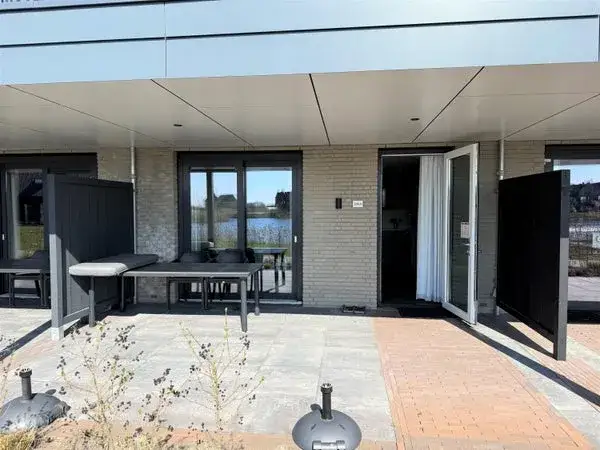




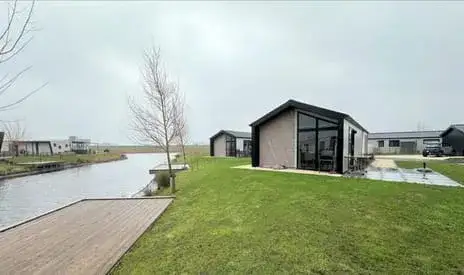


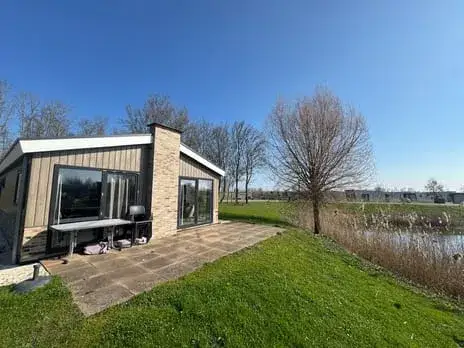
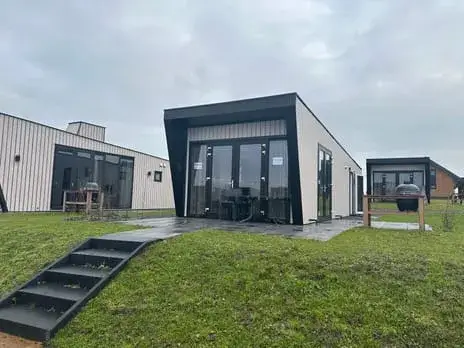



House prices and market figures for Polder Dronthen, Kampen
The owner-occupied market in Polder Dronthen is pronounced: 73% of the housing stock is owner-occupied, and you can tell. With only 49 homes in total, this is a small, stable neighbourhood where little comes on the market. Over the past twelve months, 7 homes were sold, with an average sale price of €361,143 and a range from €149,500 to €650,000. That last figure reveals that there are also detached or larger homes among them. The average home has a floor area of 113 m², which works out to around €3,195 per square metre.
The WOZ value in Polder Dronthen is €538,000, which is significantly higher than the district average of Kampen (€289,000) and the municipal average of €314,000. That difference is considerable and points to a specific housing stock: larger, detached homes on spacious plots are the norm here, not the exception. Rental homes are scarce, and social housing from a housing association is completely absent. For the current supply and the average asking price at this moment, see the overview at the top of this page.
Living in Polder Dronthen, Kampen
Polder Dronthen is not a neighbourhood in the classic sense of the word. There are no shopping streets, no schoolyards that fill up in the morning, no corner supermarket. This is polder. Open land, low horizons, and a handful of homes scattered across an agricultural area north of Kampen, bordering the former Drontermeer and the Flevopolder. Those who live here have consciously chosen to do so.
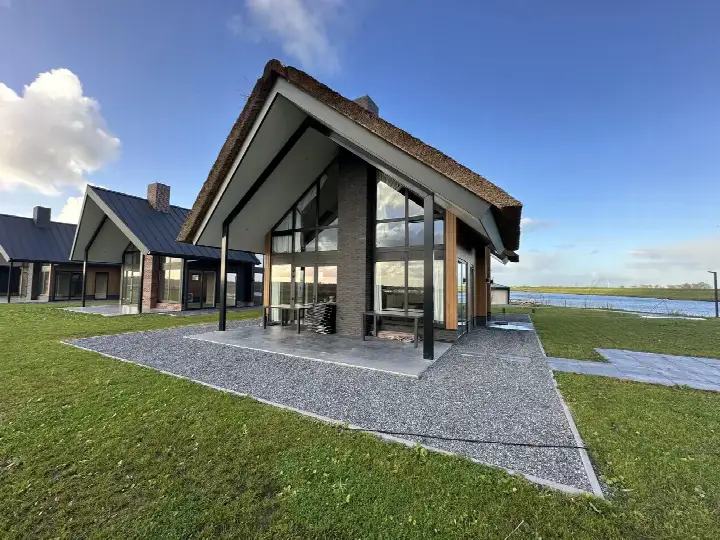
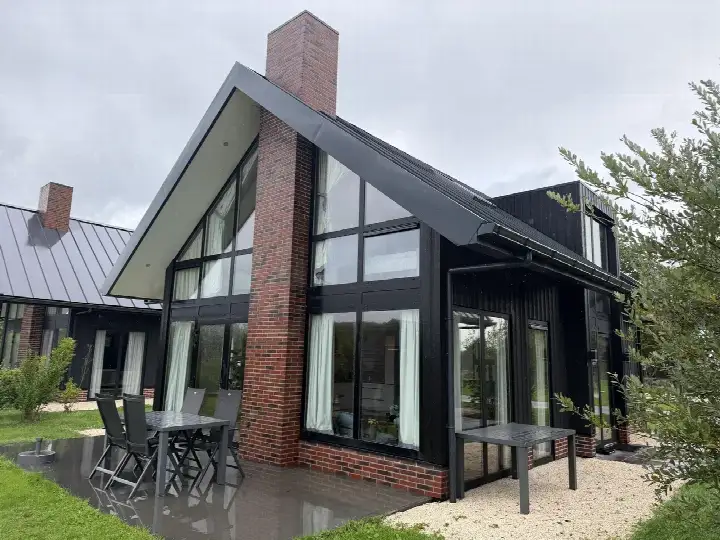
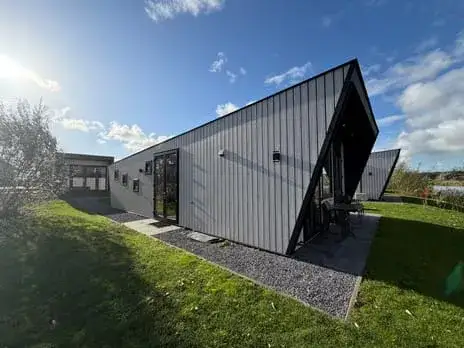
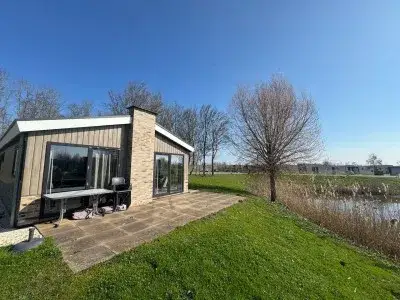
The built-up area consists largely of detached homes and farmhouses, some converted into residential farmhouses. Construction periods vary, but it is rarely about new-build estates from the 1990s or terraced houses. Space is the product: large plots, privacy, views over the open landscape. That attracts a specific audience, and the demographic data confirms this. The largest age group is 45 to 65 years (50 out of 135 residents), and nearly half of the households are married. Families with children make up the majority of households.
You won't find amenities in the neighbourhood itself. For daily shopping, you drive to Kampen, where you can find, among others, a Jumbo and an Albert Heijn in the centre or along the main roads. Primary and secondary schools are also located in Kampen itself, a few kilometres away. Sports clubs, GPs and pharmacies are all accessible from the city.
Accessibility by car is reasonable: the N307 and the connection towards the A6 and A28 can be reached within a few minutes. Kampen has a train station with connections to Zwolle, from where you can continue to the rest of the country. Public transport to Polder Dronthen itself is limited, however, so a car here is not a luxury but a necessity. Cyclists can reach Kampen via the polder road network, but that requires perseverance in bad weather.
Residents value peace and space above all else. On the neighbourhood page of Polder Dronthen you can read what people write about their living environment. One resident describes it as follows: "You don't live in a neighbourhood here, you live in the landscape. That's exactly why we came to live here." The downside that comes up more often: little social cohesion due to the scattered buildings, and dependence on the car for almost everything.
Those looking for a more urban atmosphere would be better off looking at the Binnenstad of Kampen or at Hanzewijk/Greente, where more amenities are within walking distance. For a more village-like character with a bit more sense of community, Zalk or Wilsum offer interesting alternatives within the municipality of Kampen.
Who is a home for sale in Polder Dronthen interesting for?
Polder Dronthen suits buyers who consciously choose space, peace and outdoor living, and who are willing to sacrifice urban proximity for it. Families with school-age children can live here perfectly well, provided they accept the logistics of the rural area. First-time buyers will find it difficult: the average sale price of over €361,000 and the scarce supply make this no entry-level market. Movers or people who consciously want to take a step back from an urban environment are more at home here.
The supply is limited and homes rarely come on the market, so flexibility and patience are not unnecessary qualities. Those who are also open to renting can take a look at the rental homes in Polder Dronthen, although that supply is equally small. Buying an apartment in Polder Dronthen is almost impossible; the market here revolves around ground-based homes.
What residents say about Polder Dronthen
Resident experiences in Polder Dronthen consistently revolve around two themes: the quality of the living environment and the distance to amenities. Those who appreciate nature and silence give high scores for living enjoyment. Those who depend on public transport or expect daily walking distance to shops are less enthusiastic. One resident writes: "The peace here is priceless, but you have to be willing to put up with the driving." View all reviews and neighbourhood data on the overview page of Polder Dronthen.
Compare homes for sale in and around Polder Dronthen
On Buurtje.nl you will find homes for sale in Polder Dronthen brought together from more than 1,500 sources, supplemented with resident reviews and neighbourhood data that you won't find all in one place elsewhere. This way you can better assess whether the neighbourhood suits you, before you look at the home. Also compare the supply in the broader district of Kampen or view all homes for sale in the municipality of Kampen. Other neighbourhoods worth comparing: Groene Hart, Brunnepe and Kampen-Zuid. More about the municipality can be found on the website of the municipality of Kampen.
What is the cost of a home in Polder Dronthen?
The average purchase price in Polder Dronthen over the past twelve months was €361,143, with a range from €149,500 to €650,000. The average home has a floor area of 113 m², which works out to about €3,195 per square metre. Supply is limited: only 7 homes were sold in a year, so anyone wanting to buy must be patient and able to act quickly.
What is the WOZ value in Polder Dronthen?
The average WOZ value in Polder Dronthen is €538,000. That is significantly higher than the district average of Kampen (€289,000) and the municipal average of €314,000. This difference is explained by the housing stock: Polder Dronthen mainly consists of large, detached houses and farmhouses on spacious plots, which pushes the average up considerably.
What is it like living in Polder Dronthen?
Living in Polder Dronthen means choosing peace, space and an agricultural landscape. There are no shops, schools or other amenities in the neighbourhood itself; these are found in Kampen, a few kilometres away. The buildings consist of detached houses and farmhouses scattered across the polder area. Residents appreciate the quiet and the views, but also emphasise that a car is essential.
Is Polder Dronthen suitable for families with children?
Families make up the largest household group in Polder Dronthen, so the answer is yes, provided you accept the logistics of living in a rural area. Schools are not within walking distance; children are taken to Kampen. The space and nature around the homes are actually a plus for many families. First-time buyers will find it more difficult due to the higher average purchase prices and scarce supply.
How accessible is Polder Dronthen?
By car, Polder Dronthen is reasonably accessible via the N307, with connections to the A6 and A28 within a few minutes. Kampen has a train station with connections to Zwolle and beyond. However, public transport to Polder Dronthen itself is very limited, making a car almost indispensable. Cycling to Kampen is possible via the polder roads, but not a daily option for everyone.
What types of homes are for sale in Polder Dronthen?
The housing supply in Polder Dronthen consists almost exclusively of detached houses and former farmhouses converted into residential farmhouses. Buying terraced houses or apartments in Polder Dronthen is virtually impossible; the market here revolves around ground-based homes with spacious plots. The construction periods vary, from older agricultural buildings to more modern detached houses.
Is there a lot of green and nature around Polder Dronthen?
Yes, that is precisely the characteristic of this neighbourhood. Polder Dronthen lies in an open polder area north of Kampen, bordering the former Drontermeer and the Flevopolder. Walking and cycling in nature is possible right from your front door. For those who prioritise nature and space over urban proximity, this is one of the most attractive aspects of buying a home in Polder Dronthen.
Offices with the most homes in Kampen on Buurtje.nl, last 12 months.
 Mevrouw Vastgoed MakelaardijKampen328 homes
 Berg MakelaardijIJsselmuiden136 homes
 Meuleman Makelaardij & Taxatiebureau o.zKampen121 homes
Alpina MakelaardijNijverdal103 homes
 Bonthuis Vaartjes Makelaars (eerst Alex Makelaars)Kampen82 homes
 JIP makelaars KampenKampen56 homes
Van Dijk MakelaardijKampen47 homes
 UwTweedehuismakelaarBiddinghuizen22 homes
Keizer GarantiemakelaarsWezep20 homes
Maxx ZwolleZwolle15 homes