Homes for sale in Ridderoordsche Bossen, De Bilt
Discover homes for sale in Ridderoordsche Bossen and view the current listings, recent sale prices and neighbourhood data directly on this page.
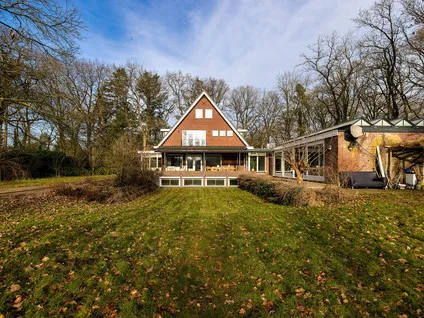
House prices and market figures Ridderoordsche Bossen, De Bilt
House prices in Ridderoordsche Bossen are significantly lower than you would expect based on the surrounding area. The average WOZ value is €961,000, which is well above the municipal average of De Bilt (€580,000), but below the district average of Bilthoven Noord (€1,130,000). This difference says something about the type of housing stock here: it is a small neighbourhood with only 55 homes, of which 56% are owner-occupied and 44% are owned by private landlords. There are no social housing properties.
In the past twelve months, two homes have been sold, with an average purchase price of €422,500 and a range of €420,000 to €425,000. The average floor area was 65 m², which works out at a price of around €6,500 per square metre. That is on the high side for this size, but fits with the location in a green, quiet area within the municipality of De Bilt. Supply is limited and variable. Check the current overview at the top of this page for the most recent asking prices and selling times.
Living in Ridderoordsche Bossen, De Bilt
Ridderoordsche Bossen is not a neighbourhood you stumble upon by chance. It is a quiet enclave on the edge of Bilthoven, wedged between woodland and the more spacious residential areas of Bilthoven Noord. The name says it all: trees, paths and low building density define the character of this place. With 280 residents and 55 homes, it is one of the smallest neighbourhoods in the municipality of De Bilt, and you notice that. It is quiet, orderly and green here, without having to drive far for amenities.
The housing stock mainly consists of detached houses and spacious semi-detached houses, partly built in the 1950s and 1960s. Apartments are hardly to be found here. Anyone considering buying an apartment in Ridderoordsche Bossen will be disappointed: that segment is almost entirely absent. The buildings are modest in scale, the gardens are large and the streets are quiet. The streetscape is reminiscent of an emerging villa neighbourhood, without the frills that word sometimes brings.
For daily shopping, the centre of Bilthoven is within cycling distance, with, among others, an Albert Heijn and various specialist shops on Soestdijkseweg-Noord and in the centre. Bilthoven station is about a ten-minute bike ride away and offers direct connections to Utrecht Centraal (around 12 minutes) and Amersfoort. From Utrecht you have connections to the national rail network. By car, the A28 is quickly accessible via the N234, making the neighbourhood attractive for people who regularly drive to Utrecht or Amersfoort.
Schools are available in the immediate vicinity of Bilthoven, including primary schools in the district and secondary schools such as Nieuwe Lyceum and Werkplaats Kindergemeenschap in Bilthoven itself. For sports, there are tennis clubs, football clubs and a swimming pool in Bilthoven. The woodland around the neighbourhood offers plenty of space for walking and running.
The population structure is striking: the largest age group is 65-plus (115 of the 280 residents), while families with children are underrepresented. That colours the atmosphere: it is a quiet neighbourhood where people know each other but are not intrusive. Residents appreciate the peace, nature and location. On the neighbourhood page of Ridderoordsche Bossen you can read what residents themselves write about life here. One resident describes the neighbourhood as: "You live here in the green, but you are never far from anywhere. It is the combination of peace and accessibility that keeps us here."
Compared to neighbouring communities such as Bilthoven Noord I and Bilthoven Noord II, Ridderoordsche Bossen is more compact and greener in character. Prices in the wider district Bilthoven Noord are on average higher, making Ridderoordsche Bossen relatively more accessible, although supply is scarce.
Who is a home in Ridderoordsche Bossen interesting for?
Living in Ridderoordsche Bossen best suits people who value peace and nature over urban vibrancy. Based on demographics, this is a neighbourhood for over-55s and retirees looking for a quiet, green environment with good accessibility. But also dual-income couples without children, who work in Utrecht or Amersfoort, will find an attractive base here. Starters and young families will find the supply limited and the prices per square metre high for the floor area offered. Be honest with yourself: supply is small and homes are rarely offered for sale here. Overbidding is a realistic possibility. Those looking for more choice can also look at homes for sale in Bilthoven Noord or alternatives in the municipality of De Bilt. Would you rather rent before buying? Then check out the rental properties in Ridderoordsche Bossen as an intermediate step.
What residents say about Ridderoordsche Bossen
Residents rate Ridderoordsche Bossen positively, particularly in terms of greenery, peace and safety. Scores for accessibility are somewhat lower, which is understandable for a neighbourhood deliberately located on the edge of the built-up area. One resident writes: "It is very quiet and green here, you hardly notice the hustle and bustle of the city. Only for shopping do you have to cycle a bit." View all reviews and the full neighbourhood data on the overview page of Ridderoordsche Bossen.
Compare homes for sale in and around Ridderoordsche Bossen
Buurtje.nl bundles the supply from more than 1,500 sources in one place, supplemented with resident reviews and district data that you won't find anywhere else. This way you can compare not only homes, but also neighbourhoods. In addition to Ridderoordsche Bossen, Bilthoven Noord I and Bilthoven Noord II are interesting alternatives within the same district. Those who want to look further will also find supply in Maartensdijk, Groenekan and other cores of De Bilt. More information about the municipality can be found on the website of the municipality of De Bilt.
Frequently asked questions
What does a home cost in Ridderoordsche Bossen?
In the past twelve months, two homes were sold in Ridderoordsche Bossen, with an average purchase price of €422,500. The range was between €420,000 and €425,000. The average floor area was 65 m², resulting in a price of approximately €6,500 per square metre. Supply is limited, so current asking prices may differ. See the most recent figures at the top of this page.
What is the WOZ value in Ridderoordsche Bossen?
The average WOZ value in Ridderoordsche Bossen is €961,000. This is well above the municipal average of De Bilt (€580,000), but below the average of the wider Bilthoven Noord district (€1,130,000). The high WOZ value reflects the green location and spacious homes in this small neighbourhood.
What is it like to live in Ridderoordsche Bossen?
Ridderoordsche Bossen is a quiet, green neighbourhood on the edge of Bilthoven with a strong forest character. The neighbourhood has only 280 residents and a low building density. Residents appreciate the peace, nature, and good accessibility to Utrecht via Bilthoven station. It is a neighbourhood for people who consciously choose a quiet living environment without being far from the city.
Is Ridderoordsche Bossen suitable for seniors and retirees?
Yes, the neighbourhood suits seniors and retirees well. The largest age group in Ridderoordsche Bossen is 65-plus, with 115 of the 280 residents. The quiet surroundings, greenery, and manageable scale of the neighbourhood match what many older people are looking for. Younger families with children are clearly less represented here.
How accessible is Ridderoordsche Bossen?
Bilthoven station is about a ten-minute bike ride away and offers direct train connections to Utrecht Centraal (approximately 12 minutes) and Amersfoort. By car, the A28 is quickly reachable via the N234. Bus services run through Bilthoven towards Utrecht and surrounding areas. Accessibility by bike to the centre of Bilthoven is good, although the neighbourhood does rely on a bike or car for daily errands.
What type of homes are for sale in Ridderoordsche Bossen?
The housing stock in Ridderoordsche Bossen mainly consists of detached houses and semi-detached houses, many built in the 1950s and 1960s. Buying apartments in Ridderoordsche Bossen is virtually impossible: this segment is almost entirely absent. The homes generally have spacious gardens and are on larger plots than average in De Bilt.
How large is the housing supply in Ridderoordsche Bossen and how often do homes become available?
Ridderoordsche Bossen is a very small neighbourhood with only 55 homes in total. Homes rarely come onto the market here: in the past twelve months, only two sales were registered. Anyone wanting to buy a home in Ridderoordsche Bossen must be patient and able to act quickly when something becomes available. The current supply is at the top of this page.