


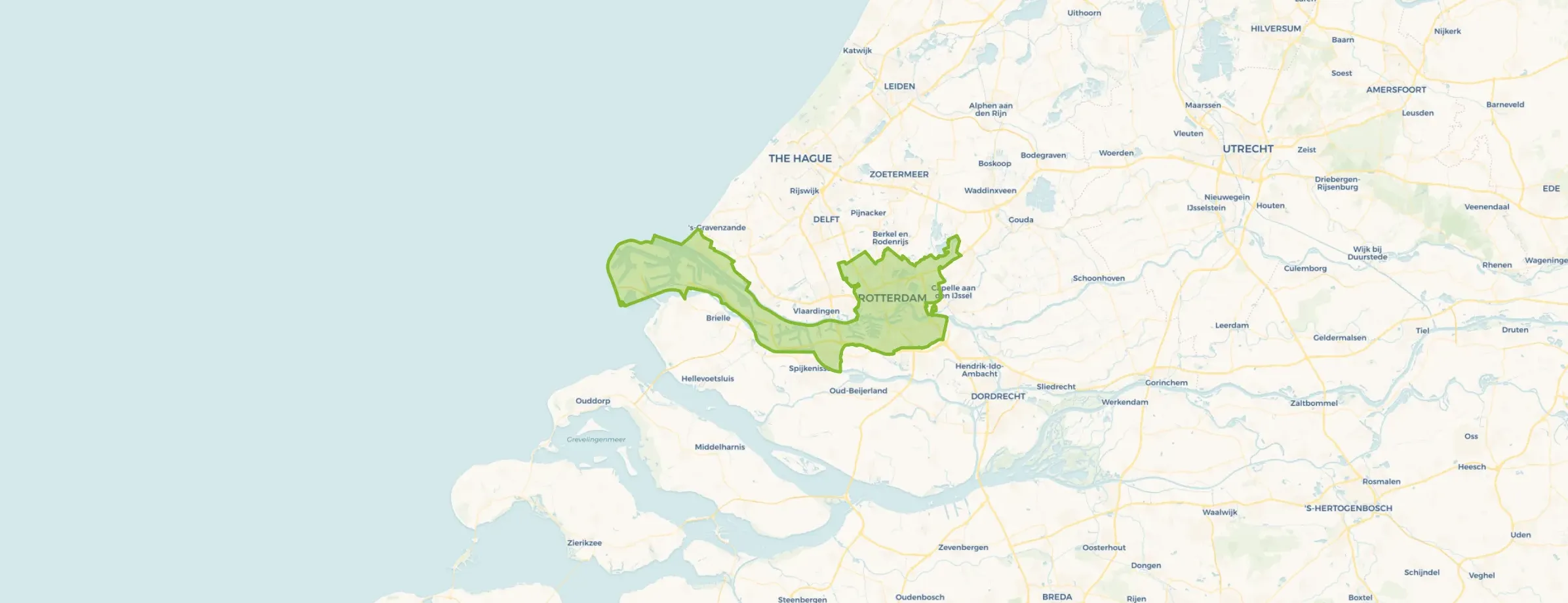



4 homes for sale in Rode Dorp, Deventer
Check the current supply of homes for sale in Rode Dorp and discover through neighbourhood data and resident reviews whether this Deventer neighbourhood suits you.



House prices and market figures for Rode Dorp, Deventer
The owner-occupied market in Rode Dorp is relatively small. Only 36% of homes are owner-occupied; the rest are rental properties, a large proportion of which are owned by housing associations (52%). This means that the supply of owner-occupied homes in Rode Dorp is limited, and only seven homes changed hands in the past twelve months. The average purchase price was €466,500, with a range of €340,000 to €592,500 and an average living area of 134 m². That works out at approximately €3,480 per square metre. The realised sale prices are notably high compared to the average WOZ value in the neighbourhood, which stands at €244,000. This WOZ value is also clearly lower than the district average of Voorstad (€264,000) and the municipal average of Deventer (€324,000). This difference suggests that the neighbourhood predominantly consists of social housing, while the relatively scarce owner-occupied homes form a separate, higher price segment. For an overview of the types of homes currently available and current asking prices, see the top of this page.
Living in Rode Dorp, Deventer
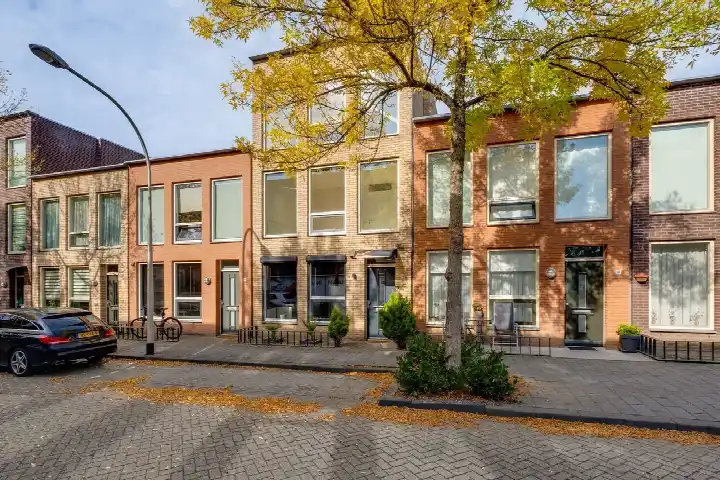
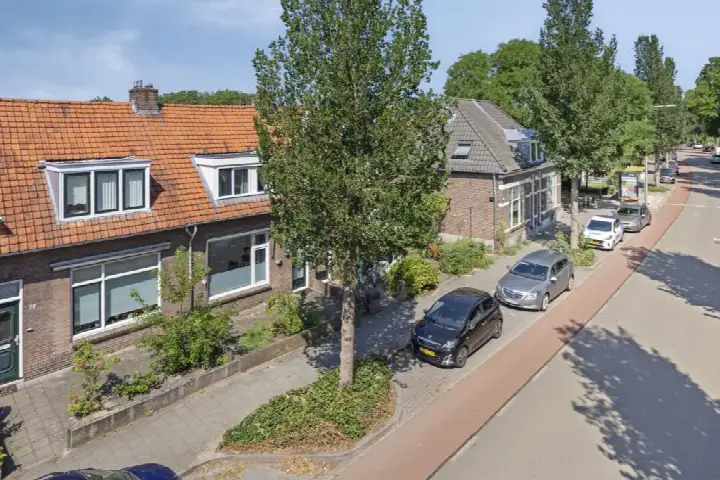
Rode Dorp has a distinctive character that you won't easily forget when cycling through it. The neighbourhood owes its name to the red brick workers' houses built here in the early twentieth century, largely for workers employed in nearby industry. This construction period is still clearly visible: terraced houses with narrow facades, small front gardens and a tight street pattern define the streetscape. It is not a neighbourhood that stands out for its wealth, but rather for a certain down-to-earthness and authenticity that residents appreciate.
The location is favourable for those who want to reach the centre of Deventer without a car. Deventer station is within cycling distance, roughly ten to fifteen minutes by bike. From the station, you can reach Zwolle or Utrecht in less than an hour. Bus connections are available to the city centre and other districts. By car, the Rijksstraatweg and Hanzeweg provide quick access to the A1 or A348, making the neighbourhood attractive for commuters to Zutphen or Apeldoorn as well.
Daily shopping can be done in the immediate vicinity: supermarkets are accessible in the adjacent part of the Voorstad district and in the centre. For children, there are primary schools in and around the neighbourhood, and the proximity of the centre means that sports clubs, libraries and cultural facilities are never far away. The Nieuwe Plantsoen and the IJsselkade offer green escape routes within a short cycling distance.
Residents describe Rode Dorp as a neighbourhood with character but also with challenges. On the neighbourhood main page of Rode Dorp you will find all reviews and neighbourhood data. One resident writes: "It's not a fancy neighbourhood here, but people know each other and there's always life on the street. I wouldn't leave quickly." This sense of social cohesion is a recurring theme in the reviews, although parking pressure and the state of some public spaces are also critically assessed.
Compared to neighbouring communities such as Burgemeestersbuurt and Oudegoedstraat, Rode Dorp has a somewhat rougher character, but also more affordability in the rental segment. Those who prefer a greener and quieter environment might look instead at Brinkgreven or Rielerweg-West. Within the district of Voorstad, the differences between neighbourhoods are large, so it pays to compare several neighbourhoods before making a decision.
Who might be interested in buying a home in Rode Dorp?
Given the demographic composition, with many single-person households and a large group of 25- to 45-year-olds, the neighbourhood mainly appeals to young starters and singles. However, the realised purchase prices are not low: anyone wanting to buy a home here should expect at least €340,000. This makes Rode Dorp less accessible for true starters with a limited budget. Movers who appreciate the atmosphere of an authentic workers' neighbourhood and seek proximity to the centre fit this profile better. Be honest about it: supply is scarce and competition for a home that becomes available can be fierce. Those who are flexible can also look at rental properties in Rode Dorp as an intermediate solution.
What residents say about Rode Dorp
On the neighbourhood page of Rode Dorp, Buurtje.nl collects reviews from people who actually live or have lived there. Residents most appreciate the social atmosphere and central location. They are less positive about the public space and parking. One resident sums it up succinctly: "Rode Dorp has soul, but the municipality could invest a bit more in the streets and squares." The scores per category, such as liveability, amenities and safety, can be found on the neighbourhood main page.
Comparing owner-occupied homes in and around Rode Dorp
Buurtje.nl combines current housing supply from more than 1,500 sources with resident reviews and neighbourhood data, so you not only search for a home but also understand whether the neighbourhood suits you. In addition to Rode Dorp, other neighbourhoods in the Voorstad district are worth exploring, such as Oosterstraat and Rielerweg-Oost. If you want to look more broadly within Deventer, districts such as Binnenstad, De Hoven and Zandweerd each offer their own living environment. More information about living and permits in the municipality can be found on the website of the municipality of Deventer.
What does a home cost in Rode Dorp?
In the past twelve months, seven homes were sold in Rode Dorp, with an average purchase price of €466,500. The range ran from €340,000 to €592,500, with an average living area of 134 m². That works out to approximately €3,480 per square metre. Supply is scarce, so anyone wanting to buy a home in Rode Dorp would do well to be alert to new listings.
What is the WOZ value in Rode Dorp?
The average WOZ value in Rode Dorp is €244,000. That is lower than the district average of Voorstad (€264,000) and significantly lower than the municipal average of Deventer (€324,000). This difference is linked to the large share of social housing in the neighbourhood, which pulls down the WOZ value of the total housing stock.
What is it like to live in Rode Dorp?
Living in Rode Dorp means choosing an authentic working-class neighbourhood with early twentieth-century red brick terraced houses and a close-knit community atmosphere. Residents appreciate the social cohesion and the central location close to the city centre and the station. Criticisms mainly concern the state of the public space and parking pressure. The neighbourhood mainly attracts young adults and single-person households.
Is Rode Dorp suitable for first-time buyers?
Rode Dorp has a young population, with the largest group of residents between 25 and 45 years old and many single-person households. Yet the realised purchase prices are not low: the minimum sale price in the recent period was €340,000. First-time buyers with a limited budget will find little room here. Those who are flexible can also consider the rental homes in the neighbourhood as an alternative, because 64% of the housing stock consists of rental homes.
How accessible is Rode Dorp?
Rode Dorp is conveniently located relative to Deventer station, which is reachable by bicycle in about ten to fifteen minutes. From Deventer, you can travel quickly by train to Zwolle, Apeldoorn and Utrecht. By car, the neighbourhood connects to the A1 and A348 via the Rijksstraatweg and Hanzeweg. Bus services connect the neighbourhood with the city centre and surrounding districts.
What types of homes are for sale in Rode Dorp?
Rode Dorp largely consists of early twentieth-century terraced houses in red brick, built for workers. They are mostly ground-floor homes with a limited but functional surface area. The share of owner-occupied homes is relatively low at 36%; the rest are rental homes. Buying apartments in Rode Dorp is less common, although the supply varies per period. View the current listings at the top of this page for the most recent home types.
How is safety and liveability in Rode Dorp?
Residents generally rate the atmosphere in Rode Dorp as social and involved, but the liveability of the public space receives less positive feedback. The labour participation rate in the neighbourhood (56%) and the average income (€26,600) are below the municipal average, which is linked to the social housing structure of the district. For a complete picture of safety and liveability scores per category, you can consult the resident reviews on the neighbourhood homepage.