





10 homes for sale in Tigrisdreef en omgeving, Utrecht
Discover the current supply of homes for sale in Tigrisdreef and surroundings and view neighbourhood data, resident reviews and market figures to determine if this Utrecht neighbourhood suits you.

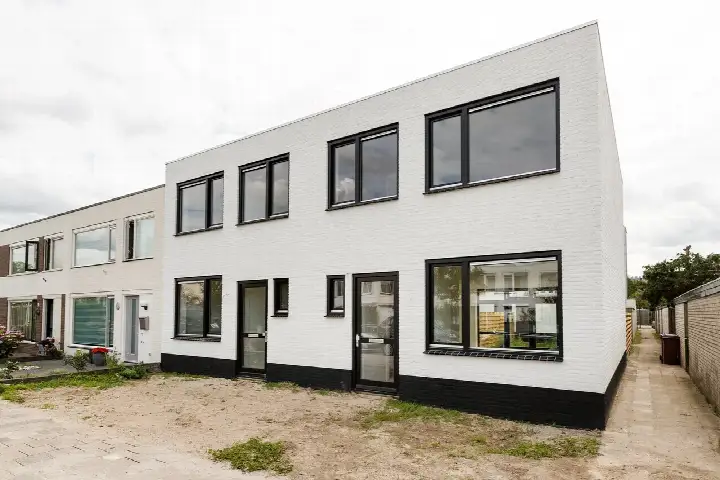
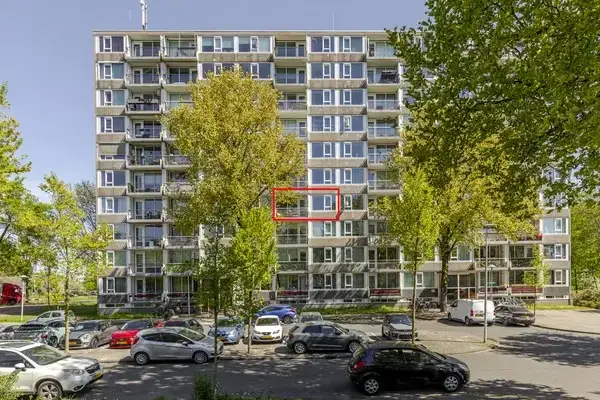
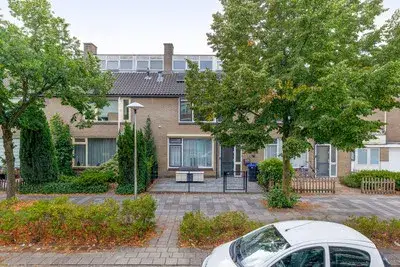
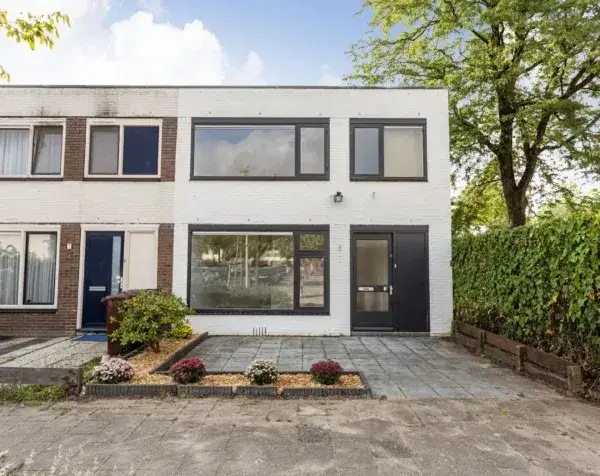

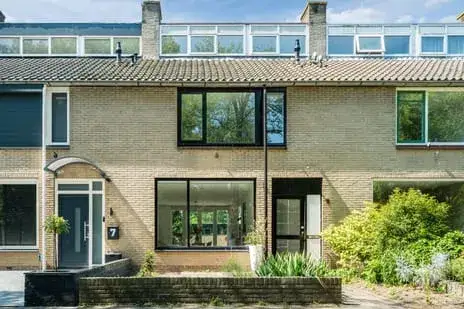
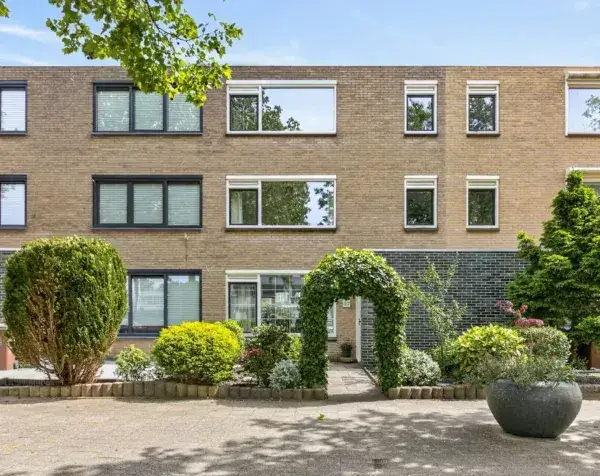
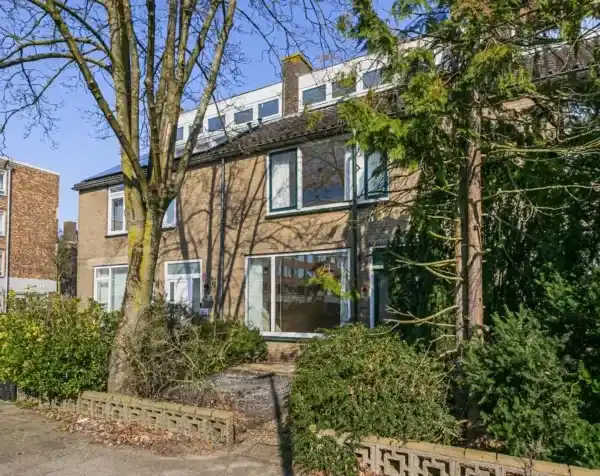

House prices and market figures for Tigrisdreef and surroundings, Utrecht
The owner-occupied market in Tigrisdreef and surroundings is limited in size, but that doesn't make the figures any less interesting. Only 20% of the more than 1,900 homes in this neighbourhood are owner-occupied, the rest are rental properties, the vast majority of which are owned by a housing association. This means that owner-occupied homes here are relatively scarce and, as a buyer, you need to keep a close eye on when something becomes available.
The average WOZ value is €293,000, slightly below the district average of Overvecht (€301,000) and clearly below the Utrecht average of €458,000. However, actual transaction prices are higher: over the past twelve months, five homes were sold for an average of €402,000, with a range of €275,000 to €500,000. With an average living area of 83 m², this works out to about €4,843 per square metre. That's steep for a neighbourhood with relatively low WOZ values, indicating that the available owner-occupied housing stock is diverse and that supply and demand strongly interact. The current listings and asking prices can be found at the top of this page.
Living in Tigrisdreef and surroundings, Utrecht
Tigrisdreef and surroundings is a typical post-war urban neighbourhood in the northern part of Utrecht, built in the 1960s and 1970s as part of the large-scale expansion of the Overvecht district. The streets are wide, and the buildings consist mainly of porch flats, gallery flats and a limited number of ground-level terraced houses. It's not a neighbourhood that stands out for architectural features, but it has its own rhythm and a close-knit social structure that you don't find everywhere in Utrecht.
The neighbourhood has over 4,400 residents, with the largest group aged between 25 and 45. Single-person households are the most common, although there are also families with children. The average income is €26,200, significantly lower than the Utrecht average of €42,000, which accurately reflects the social composition of the neighbourhood. The labour participation rate is 50%.
In terms of amenities, the neighbourhood is reasonably self-sufficient. The Overvecht shopping centre is within cycling distance and offers supermarkets, a pharmacy, a library and various shops for daily groceries. Primary schools are present in the neighbourhood itself, although education scores a relatively low 6.3 in resident ratings. Maximapark, one of the largest parks in Utrecht, is nearby and attracts families and sports enthusiasts from across the city. Resident Suus aptly describes it: "Cosy neighbourhood, close to a city park where there's regularly something to do for children and adults."
Accessibility scores well: a 7.8 from residents. That matches reality. Several bus routes connect the neighbourhood to Utrecht Central, and by bike you can reach the city centre in twenty minutes. The A27 is quickly accessible via the Europalaan, which also makes the neighbourhood attractive for commuters. Parking is generally not a problem, although it can vary by street.
To be fair: not everyone is equally enthusiastic. A long-term resident notes that the neighbourhood is changing and writes that the district feels split into parts that are doing well and parts that need more attention. This picture is confirmed by the resident score of 7.1 out of 10, where safety (7.8) and sense of community (7.8) score relatively high, but beauty and housing both come in at 6.0. Living in Tigrisdreef and surroundings therefore requires realistic expectations, but also offers genuine neighbourhood involvement. Read more about the character of the neighbourhood on the neighbourhood main page of Tigrisdreef and surroundings, including all resident reviews and district data.
If you compare this neighbourhood with neighbouring areas, you see similar patterns. Taag- en Rubicondreef and surroundings and Wolga- en Donaudreef and surroundings have a similar layout and population composition. Those looking for more greenery and water might also consider Vechtzoom-zuid, which borders the Vecht and has a quieter character.
Who is buying in Tigrisdreef and surroundings interesting for?
Buying a home in Tigrisdreef and surroundings is particularly attractive for first-time buyers and young families who want to live in Utrecht without paying the highest prices in the city. The average purchase price of €402,000 is more realistic than in many other Utrecht neighbourhoods, although supply is scarce and you need to be able to act quickly when something becomes available. Movers looking for space on a relatively modest budget can also find something here, especially if they value a green environment and good accessibility. Keep in mind that the proportion of owner-occupied homes is small: few homes come onto the market. If you're flexible, the rental properties in Tigrisdreef and surroundings are an alternative to get to know the neighbourhood first.
What residents say about Tigrisdreef and surroundings
Residents give the neighbourhood an average of 7.1 based on four reviews. The highest scores go to safety, accessibility and sense of community, all three at 7.8. Housing and beauty score the lowest at 6.0. Resident Suzanne Linnenbank writes: "Nice contact with the neighbours, shops nearby, plenty of greenery." That sums up in a few words exactly what the neighbourhood offers. View all reviews and sub-scores on the page of Tigrisdreef and surroundings.
Compare owner-occupied homes in and around Tigrisdreef and surroundings
On Buurtje.nl you'll find owner-occupied homes in Tigrisdreef and surroundings combined with resident reviews, neighbourhood scores and demographic data, brought together from more than 1,500 sources. This way you can not only see what's for sale, but also whether the neighbourhood suits you. Want to look more broadly? Compare with other neighbourhoods in Overvecht, or view the total supply of owner-occupied homes in Utrecht. Neckardreef and surroundings and Zamenhofdreef and surroundings are also neighbourhoods in the same district worth comparing. For those who want to search further in the city, Noordoost and West are also interesting alternatives. More about the municipality can be found on the website of the municipality of Utrecht.
What does a home cost in Tigrisdreef and surrounding area?
Over the past twelve months, five homes were sold with an average purchase price of €402,000. The range ran from €275,000 to €500,000. With an average living area of 83 m², the price per square metre comes to approximately €4,843. Supply is scarce, so anyone wanting to buy a home in Tigrisdreef and surrounding area would do well to act quickly.
What is the WOZ value in Tigrisdreef and surrounding area?
The average WOZ value in Tigrisdreef and surrounding area is €293,000. That is slightly below the district average of Overvecht (€301,000) and well below the Utrecht average of €458,000. However, actual transaction prices are higher than the WOZ value, which is typical of the current Utrecht housing market.
What is it like to live in Tigrisdreef and surrounding area?
Living in Tigrisdreef and surrounding area means choosing a post-war urban neighbourhood with a close-knit community, plenty of green space nearby and good accessibility. Residents give the neighbourhood a 7.1 out of 10. Safety and sense of community score highest, while beauty and housing score somewhat lower. The neighbourhood has a mixed character and is more functional than attractive, but offers genuine neighbourhood involvement.
Is Tigrisdreef and surrounding area suitable for first-time buyers?
For first-time buyers, buying an apartment in Tigrisdreef and surrounding area is one of the more affordable options within Utrecht, with purchase prices starting from €275,000. The neighbourhood has good public transport connections and daily amenities are nearby. However, supply is limited: only 20% of the housing stock is owner-occupied, so you need to be alert to new listings.
How is the accessibility of Tigrisdreef and surrounding area?
Residents rate accessibility at 7.8. Several bus routes run from the neighbourhood to Utrecht Central, and by bike you can reach the city centre in about twenty minutes. The A27 motorway is quickly accessible via the Europalaan, making the neighbourhood also easily accessible for motorists and commuters.
What type of homes are for sale in Tigrisdreef and surrounding area?
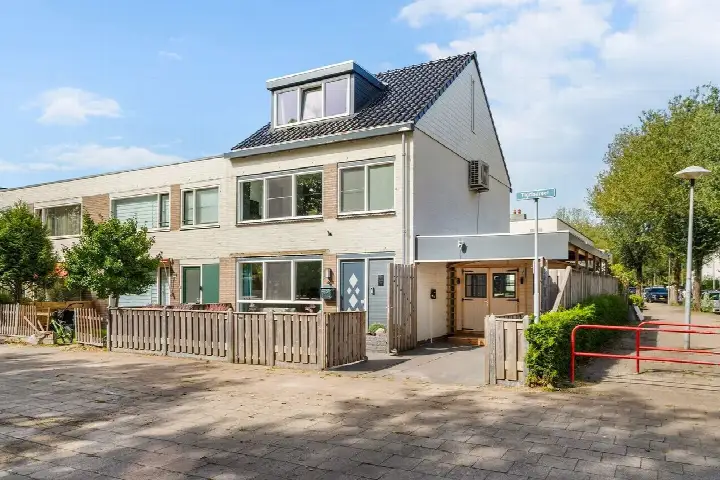
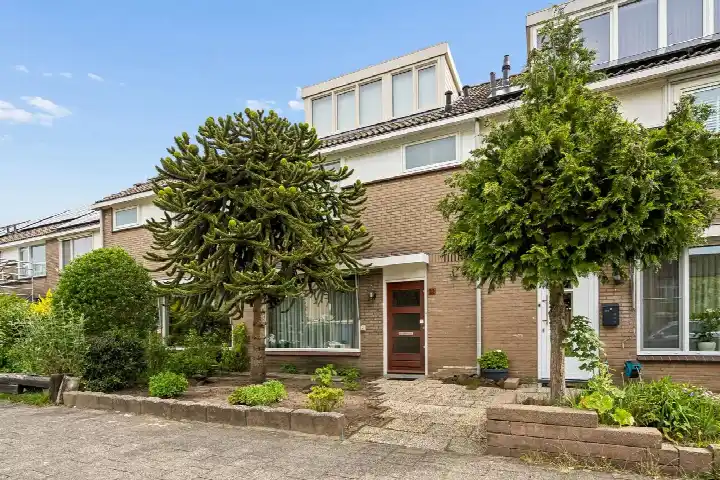
The housing stock in Tigrisdreef and surrounding area consists mainly of flats and porch-access apartments from the 1960s and 1970s, supplemented by a limited number of ground-floor terraced houses. The share of owner-occupied homes is small at 20%. Anyone considering buying a home in Tigrisdreef and surrounding area should expect a limited and diverse supply, where both apartments and single-family homes may be available.
Is there a lot of green space in Tigrisdreef and surrounding area?
Green space scores a 7.2 in resident ratings. The neighbourhood is a short distance from Maximapark, one of the largest parks in Utrecht, where regular activities are organised for children and adults. Residents cite the proximity of this park as a clear plus point of the neighbourhood.
Cosy neighbourhood, close to a city park where there is regularly something to do for children and adults.
Auto-translated to English by AII was born and raised here, a lot has changed over the years but it remains a nice and cosy neighbourhood
Auto-translated to English by AII've lived here my whole life and see my neighbourhood deteriorating day by day, such a shame and sad. The area is also really split into multiple parts, unfortunately.
Auto-translated to English by AINice contact with the neighbours, shops nearby, plenty of greenery.
Auto-translated to English by AI