Homes for sale in Waterland, Nissewaard
Discover the current supply of homes for sale in Waterland. Check prices, neighbourhood scores and resident reviews to make the right choice.
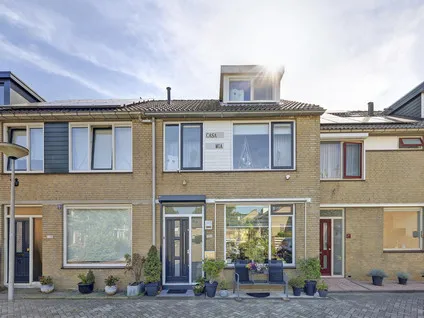
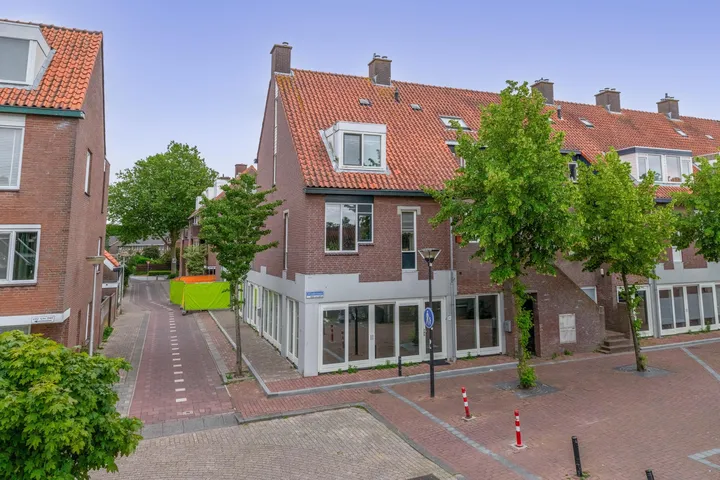

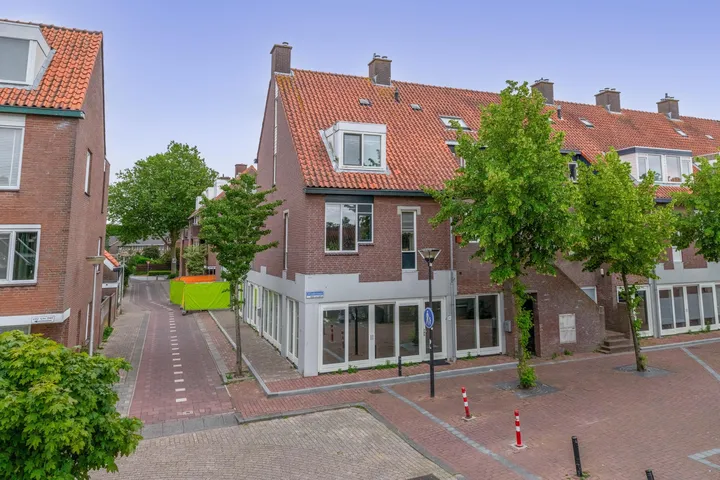
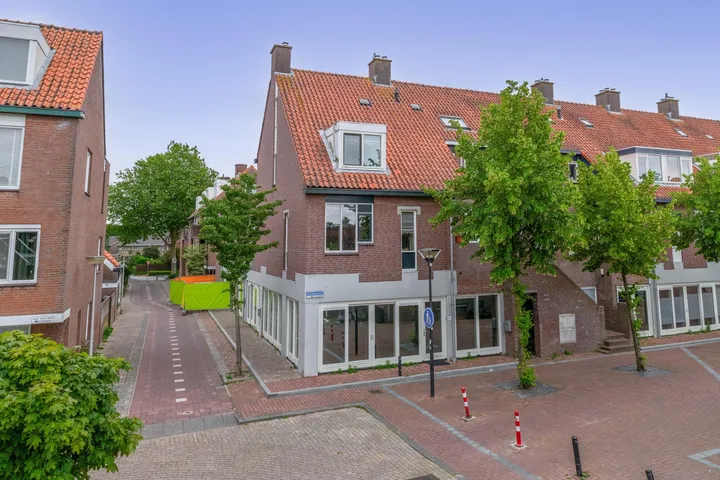

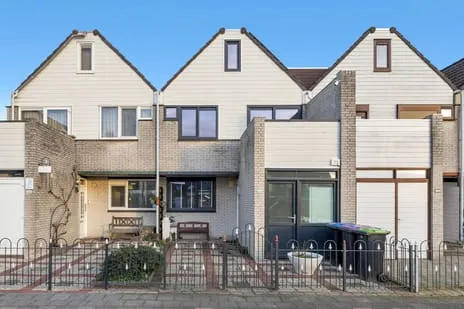
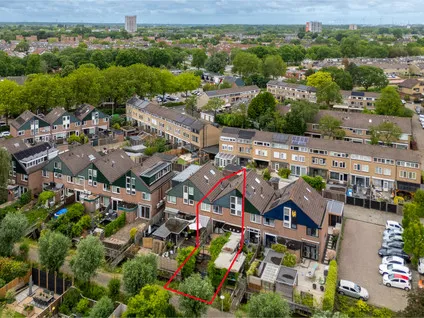
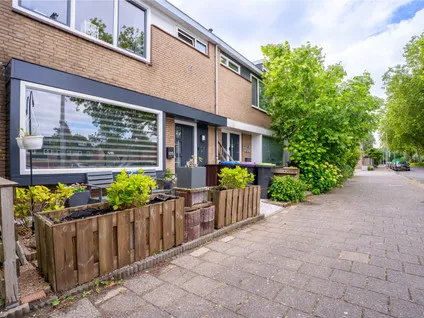
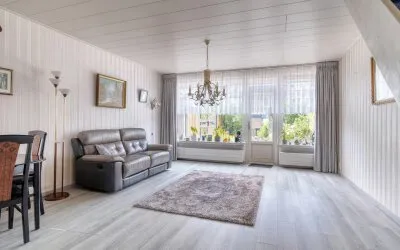
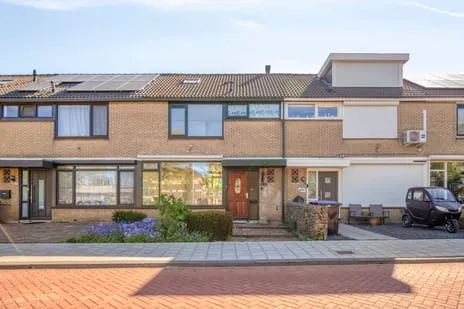
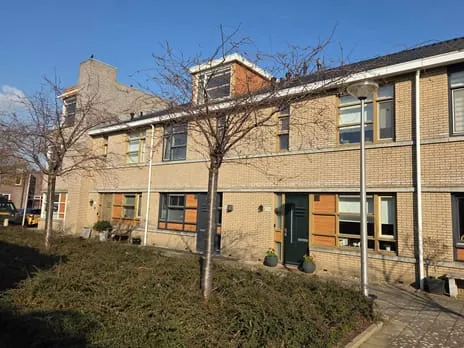
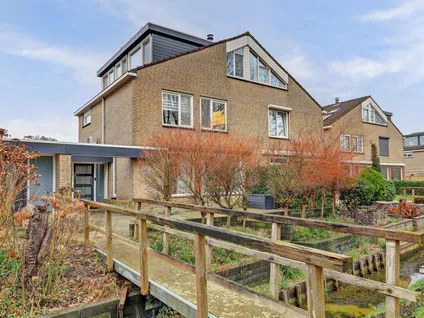
Purchase prices in Waterland: below the municipal average, but with considerable spread
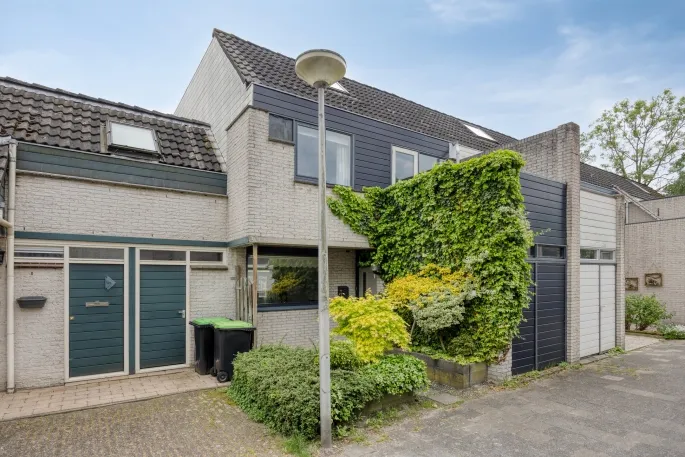
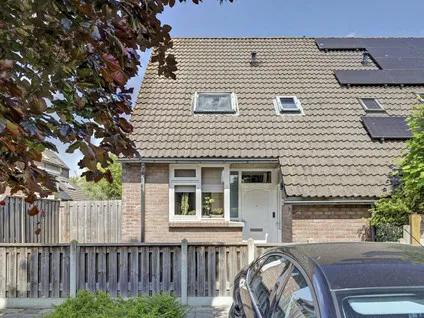
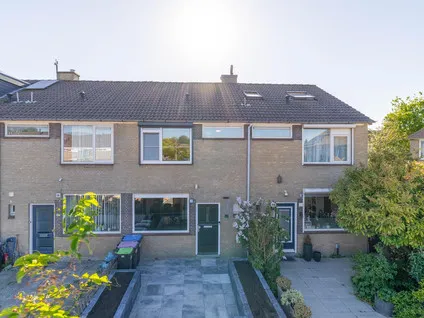
Waterland is a pronounced owner-occupied district: over 71% of the housing stock consists of owner-occupied homes, compared to 29% rental. The average WOZ value is €271,000, slightly below the average of Nissewaard as a whole (€279,000). Yet actual transaction prices are significantly higher: over the past twelve months, 52 homes were sold with an average purchase price of €384,069. The range was notably wide, from €265,000 to €695,000, indicating that Waterland offers both entry-level homes and larger single-family houses. The average living area of the sold homes was 111 m². For current asking prices and available supply, you can consult the overview at the top of this page, which is updated daily.
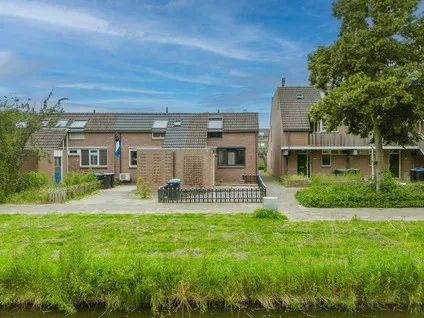
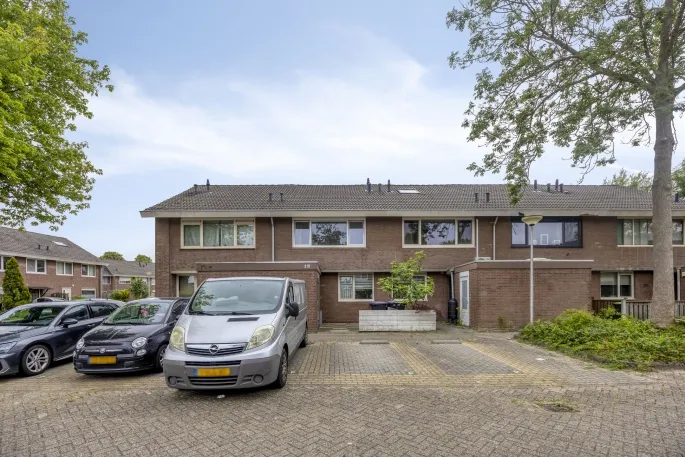
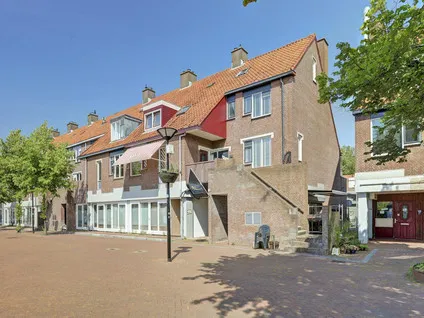
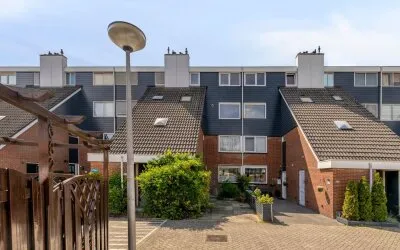
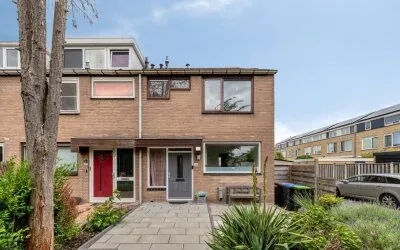
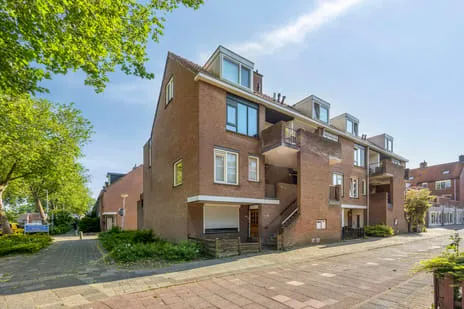
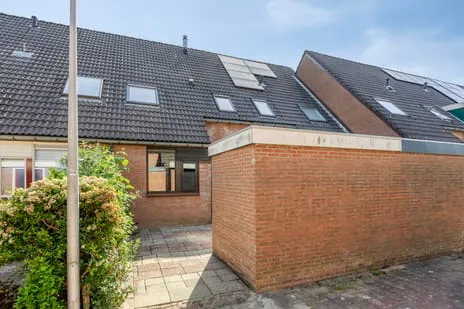
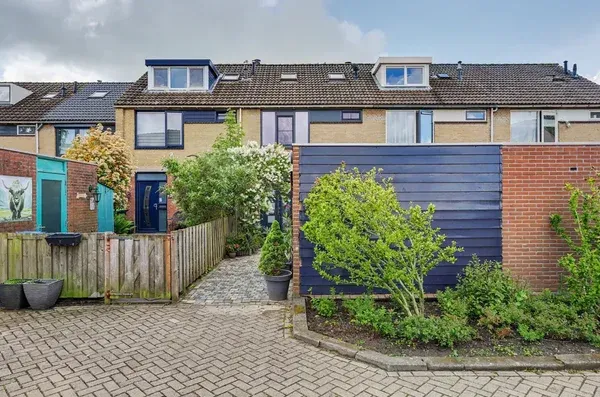
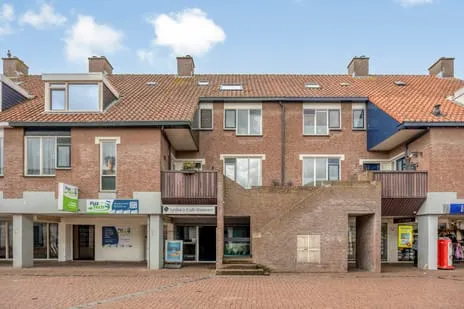
Compared to owner-occupied homes in Nissewaard broadly, Waterland positions itself in a middle segment. The supply largely consists of terraced houses and semi-detached houses from the 1980s and 1990s, supplemented by new-build apartments in the younger sub-areas. Detached houses are also available, but they largely account for the upper end of the price range.
Waterland from the inside: green, quiet and strongly family-oriented
Living in Waterland feels different from the more urban districts of Spijkenisse. The district owes its name not for nothing to its green character: many neighbourhoods are named after animals and nature, think of Karperveen, Kikkerveen and Ottersveen. Between the residential streets lie water features, green strips and play areas that give the district an open, airy character. This appeals to families: the largest age group is 25 to 45 years and households with children form the largest category with 1,520 families.
On the district main page of Waterland you can read what residents themselves write about their neighbourhood. A recurring theme in the reviews is the peace and space: residents appreciate that children can play outside without it feeling busy or unsafe. Criticism mainly focuses on the accessibility of facilities outside the district and on public transport in the evening hours, a point to consider if you do not have a car.
In terms of facilities, Waterland is reasonably self-sufficient for daily shopping. Waterland Shopping Centre offers supermarkets, a pharmacy and some service providers. For a larger range of shops, the centre of Spijkenisse is within cycling distance. Primary schools are spread throughout the district, which is a practical advantage for families. Sports clubs for football, tennis and swimming can be found in the immediate vicinity. In terms of accessibility: Spijkenisse Centrum metro station and the RandstadRail connect the district to Rotterdam in about twenty to twenty-five minutes. Via the A15 and A29 you are quickly on the motorway towards Rotterdam or Dordrecht. Bus services run frequently during the day, but in the evenings and at weekends the timetable is more limited. Sub-areas such as Park Waterland and Baarsveen are located a bit further from the main access roads, which is a consideration for some buyers. More information about municipal developments can be found on the website of the municipality of Nissewaard.
For which buyers is Waterland a serious option?
Waterland mainly attracts young families and movers who are looking for space without paying Rotterdam prices. With an average purchase price of over €384,000 and an entry price around €265,000, there is also room for starters, although overbidding in this segment is not exceptional. In addition to the purchase price, take into account transfer tax (2% for homes above the starter exemption), notary costs and possible renovation costs for older homes. If you are not yet sure whether buying is the right step, you can also look at rental homes in Waterland as a temporary alternative.
Searching for owner-occupied homes in Waterland and surrounding neighbourhoods
Buurtje.nl combines current housing supply with resident reviews and district statistics, so you not only see what a home costs but also what it is really like to live there. Compare Waterland also with adjacent districts such as Schiekamp, Hoogwerf or Vierambachten to get a good picture of what is available for you within Nissewaard.
Frequently asked questions
What is the average price of a home in Waterland?
Over the past twelve months, the average purchase price in Waterland was €384,069, with an average living area of 111 m². Prices ranged from €265,000 to €695,000, depending on property type and location. The average WOZ value in the neighbourhood is €271,000.
What are the additional costs when buying a home in Waterland?
In addition to the purchase price, as a buyer you pay transfer tax (2% for homes above the starter exemption of €510,000 in 2024), notary costs for the deed of transfer and mortgage deed, and possibly estate agent fees. Budget on average 3 to 5% of the purchase price for additional costs. For older homes in Waterland, renovation or sustainability costs may also be a factor.
What types of homes can I buy in Waterland?
Waterland consists largely of terraced houses and semi-detached houses, mainly built in the 1980s and 1990s. In the newer sub-areas, apartments are also for sale. Detached houses are available but less common and are generally at the top of the price range. Buying an apartment in Waterland is possible, but the supply is more limited than for single-family homes.
How accessible is Waterland for people working in Rotterdam?
Via the RandstadRail and metro network, you can reach Rotterdam Central from Spijkenisse Centrum in about twenty to twenty-five minutes. By car, Waterland connects to the A15 and A29. Bus connections are good during the day, but more limited in the evenings and on Sundays. That is something to consider if you do not have a car.
Is Waterland a suitable neighbourhood to buy a home as a family?
Waterland is distinctly a family neighbourhood: the largest age group is 25 to 45 years old, and households with children form the largest category. There are several primary schools in the neighbourhood, green spaces and playgrounds are plentiful, and the neighbourhood is known for its quiet character. Residents cite the space and safety for children as strong points. Daily shopping facilities are available; for more extensive amenities, you rely on the centre of Spijkenisse.