Municipality in Utrecht
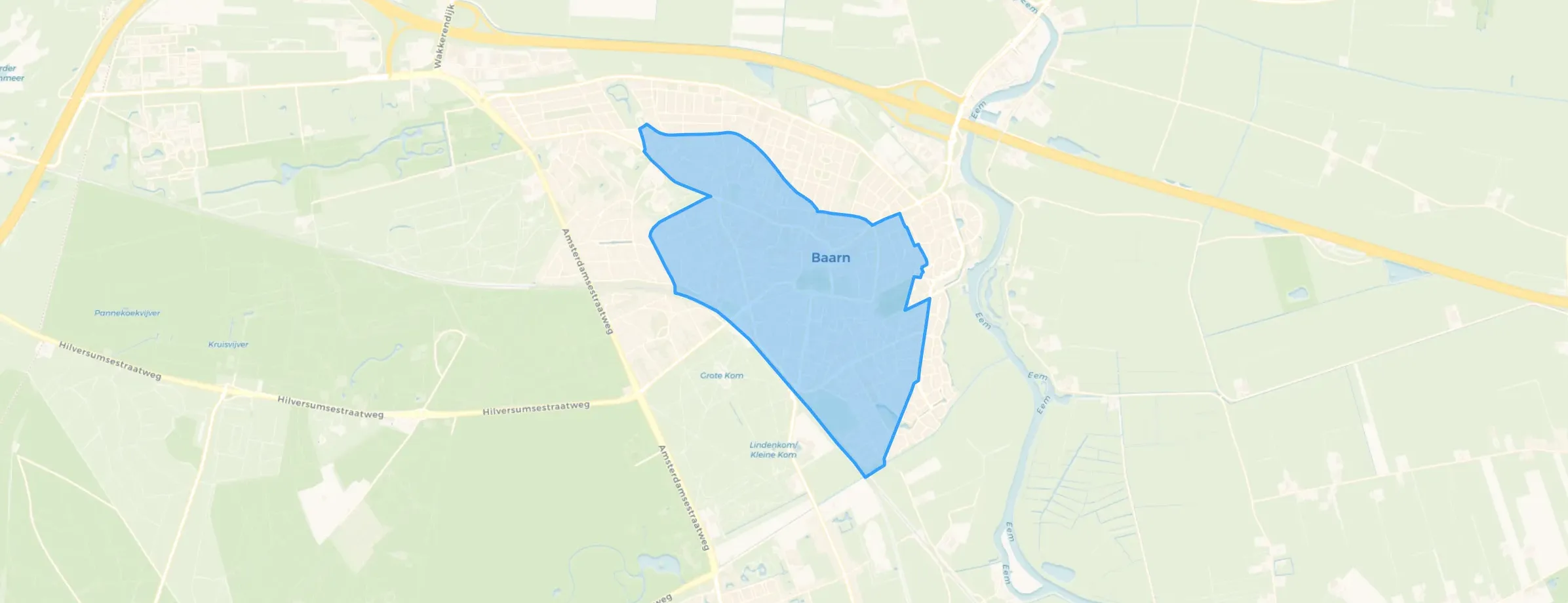
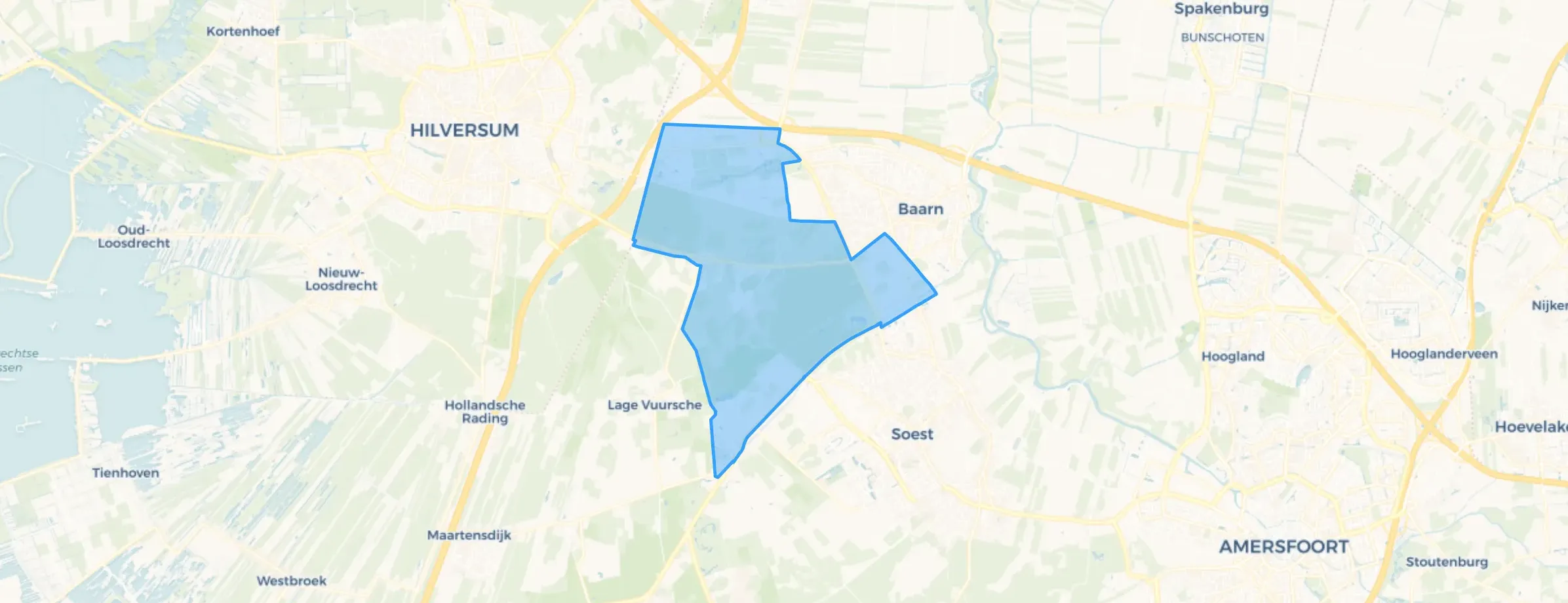
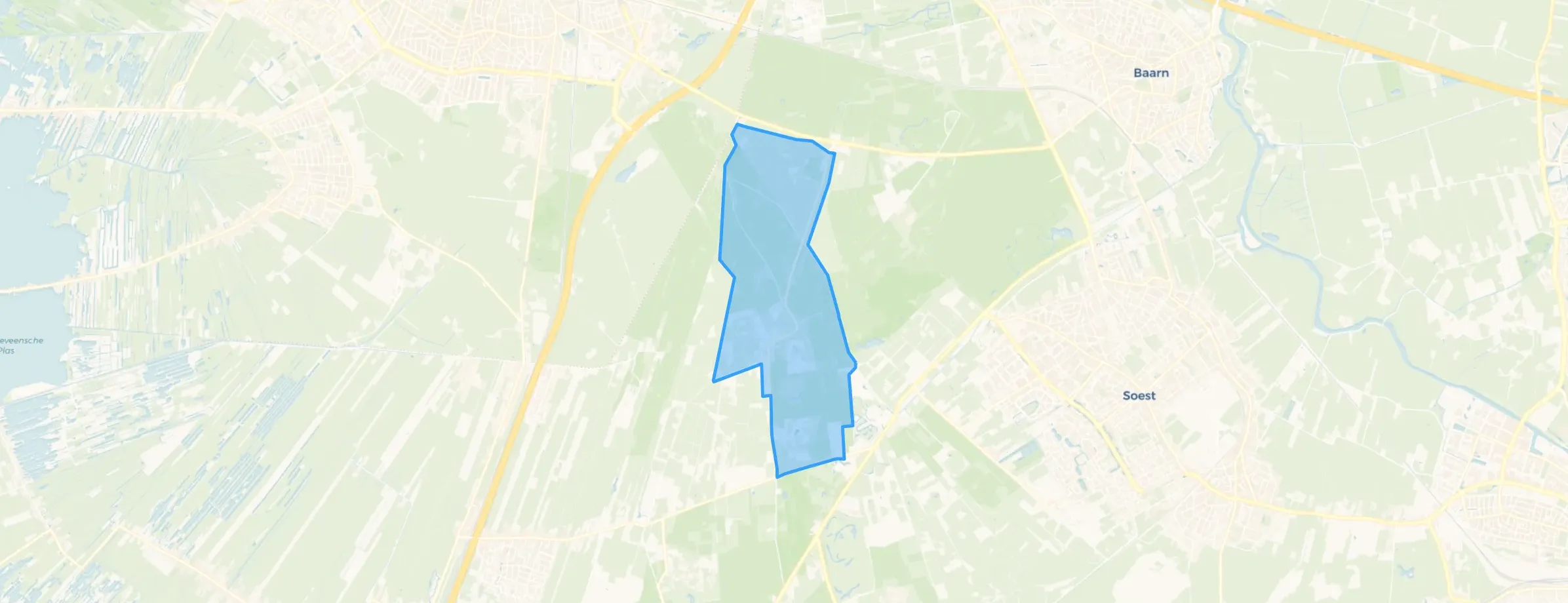
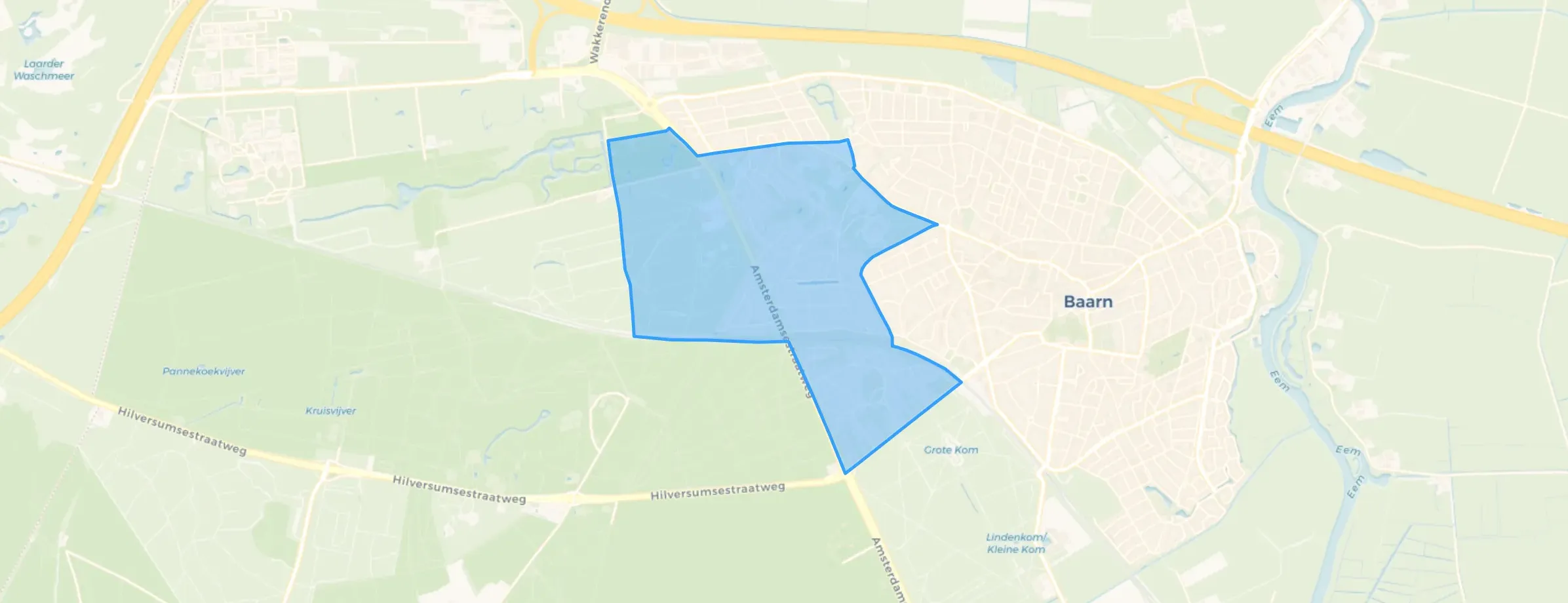
Baarn is located in the province of Utrecht The municipality has a total area of 3.301 hectares, of which 3.254 hectares are land and 47 hectares are water. The municipality is coded as GM0308. The postcode area is 3741AB-3749AW.
Baarn has 25.184 residents. Of these, 48,7% are men and 51,3% are women. Most residents are 45 to 65 years (27,8%). The other age groups are 25,5% for '65 years or older', 21,6% for '25 to 45 years', 15,5% for '0 to 15 years' and 9,6% for '15 to 25 years'. Of the residents, 47,3% is unmarried, 37,8% is married, 8,9% is divorced and 6,0% is widowed. 19.672 residents originate from the Netherlands, 1.815 come from Europe and 3.697 come from countries outside Europe.
There are 11.318 households in Baarn. 39,3% of these are single-person households, 28,9% households without children and 31,8% households with children. The average household size is 2,1 persons. The national average is 2,1 persons.
In Baarn there are 19.500 income recipients. The average income per income recipient is €50.300, which is €8.100 (19%) higher than the national average of €42.200. Per resident, the average income is €41.200, which is €6.300 (18%) higher than the national average of €34.900. Most residents of Baarn are highly educated. 39,8% have a university or higher professional education (HBO/WO), 35,0% have an intermediate education (HAVO, VWO or MBO 2-4) and 25,2% have a lower education (VMBO or MBO 1).
Of the 25.184 residents, around 73% are in paid employment, which amounts to 18.384 people. This is 1% higher than the national average of 72%. The majority of workers are in salaried employment (78%), while 22% are self-employed. In Baarn, 31% of residents receive a benefit. The largest group is those receiving a state pension (AOW). 5.780 people receive this benefit.
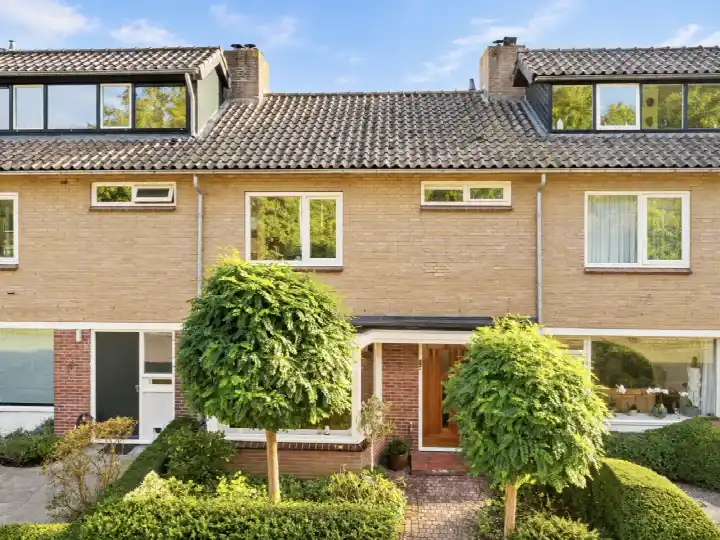
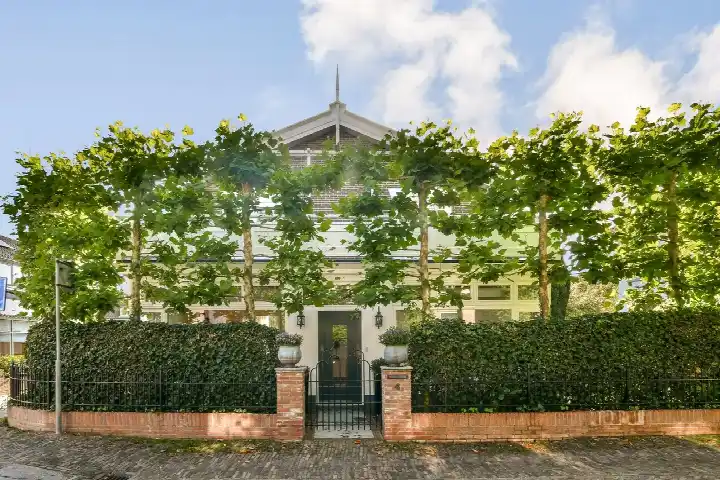
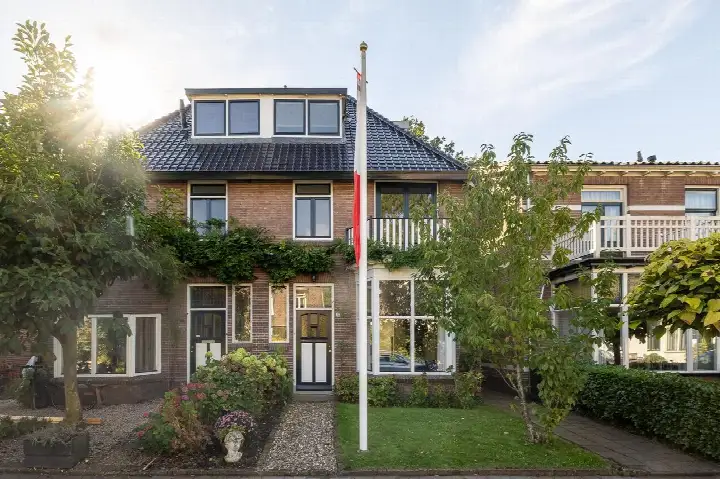
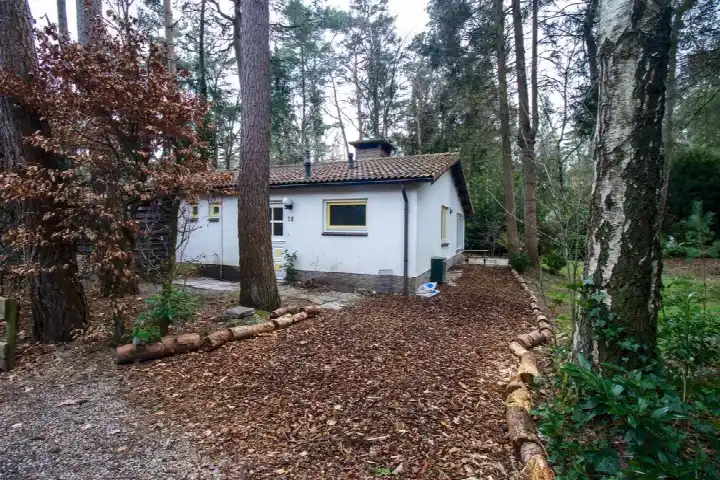
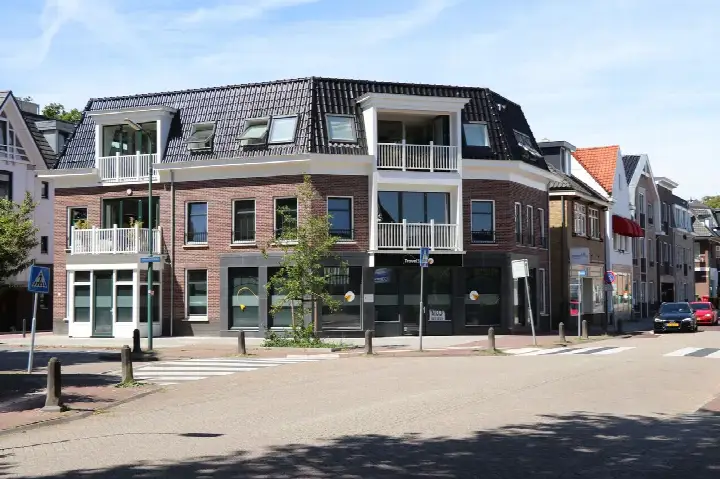
In Baarn there are 11.947 homes with an average assessed value (WOZ) of €508.000. Of these, around 94% are occupied and 6% unoccupied. Most homes are owner-occupied. This amounts to 38% rental homes and 62% owner-occupied homes. Of the homes, 62% privately owned, 25% owned by housing associations and 13% owned by other landlords. The most common construction periods in Baarn are 1950-1970 (27%) and 1970-1980 (16%).
There are currently no homes for sale in Baarn. The most recently listed home is Bernard Zweerslaan 5 by Broekman & Calis Makelaars. No homes were sold in Baarn over the past year.
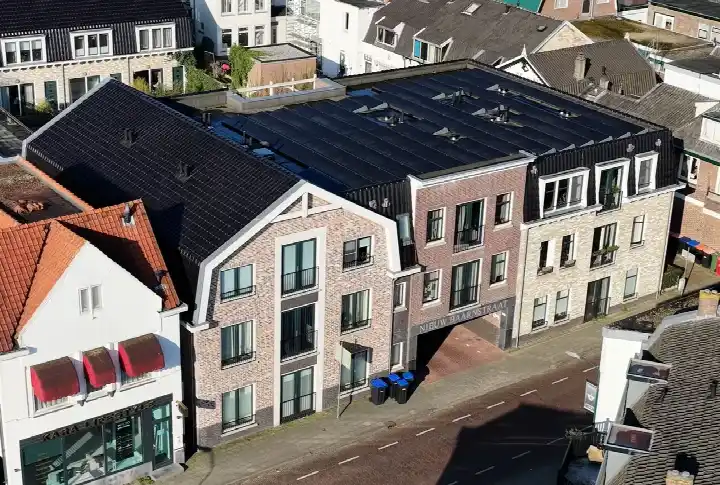
There are currently no homes for rent in Baarn. The most recent home is Nieuwstraat 25A, offered by Rotsvast. No homes were let in Baarn over the past year.
No recent rental data available for Baarn.
In Baarn there are 8.581 addresses with a registered energy label. The most common labels are C (25%), A (23%) and B (14%). On average, an address in Baarn uses 2.610 kWh of electricity per year. This is 2% above the national average of 2.550 kWh. Natural gas consumption, at 990 m³ per year, is 24% above the national average of 800 m³.
Better stay away, then you don't have to witness or experience the dull misery. Nobody misses anything!
Auto-translated to English by AIGreetings from outside. Sometimes have a chat about fireworks, rubbish, dreary weather, cleaned up. Beautiful houses and complex. Lots of nature. I'm busy sowing flower beds for even more wild flowers. It's not in the centre but for me it's fine by bike. I feel safe because I live alone on a gallery, you can't just walk in. There are no busy roads in the immediate vicinity. People know me (in my previous home I never spoke to or greeted anyone). There's no litter. It's a nice house, fairly new, nice interesting architecture. Facilities are easily accessible by bike, or for example with the elderly bus. I can still take the little dog out at night/dark if necessary. It's just that contact doesn't go much further than greetings and a short chat. I've never had to leave my keys inside, except once when I could call the neighbour. My friend had a spare. There's a lot of green... a pond, planting with reeds. Trees. Accessibility? When I cycle, I'm not directly on a busy road. It's really a residential area, meaning shops are not within walking distance. More like cycling distance. I've never heard of any break-ins or anything. People check on me... if I'm okay etc. I also get stuff from neighbours that I can either use or pass on to a give-away shop. Win-win. The communal hall is cleaned every week. When it snowed, someone cleared it. I maintain the flower beds, sow seeds etc. But someone else pruned the ivy from the flower bed by the front door, on their own voluntary initiative. Across the street there are occasional parties with young people, but I don't mind that / it's fun. Go for it. Different cultures live here but no one bites each other. In the hall, people put things they no longer want. You can take them. Recently someone got married, with a flower arch... I spontaneously took a photo. Also of a couple living there. Spontaneous. Nice. I can leave my bike outside. That's all I know. I only have one reason to leave: if I might start living together again.
Auto-translated to English by AIApart from the occasional unsafety in this little village, I couldn't have wished for a better place on earth to live. Villages are always so cosy, and this one is no exception. Everything is accessible and everyone is well provided for. Baarn is beautiful!
Auto-translated to English by AINot much happens in the neighbourhood, but it's always cosy. There's a supermarket and some small snack bars and bakeries. Everyone looks out for each other, without too many arguments or fights. There's police occasionally, it's clean. People can easily reach a school and it's just cosy :)
Auto-translated to English by AIBorn and raised in this neighbourhood where many cultural people and churches come together. Schools and childcare also a large playground.. for children. Community centre and associations also present. Supermarket within walking distance. Also a nice park that is closed at night. And yes also a cemetery and a funeral home in the neighbourhood. Medical centre also there with pharmacy, physio and dentist and GPs. Accessible for everyone. From young to old lives here. People know each other, or not, but that is usually what the person wants themselves. Parking is a bit of an issue, but there is usually a spot. Most houses were built just after the war. Grew quickly until 1980. After that time buildings were replaced or renovated. 3 emergency homes for refugees since this year. This neighbourhood is absolutely not boring or quiet... 24 hours there is movement... I wouldn't want to leave here soon. Public transport unfortunately gone, but maybe that will come back a bit. All in all you can be born here and die. Only downside is that there are hardly any things for young people aged 14 to 21. They then look further than the neighbourhood. But complain about this neighbourhood no I cannot do that. A few more bins and a better mentality in cleaning up could sometimes use a lesson here, but that is more for the municipality.... Also the preservation and protection of greenery could be better from the municipality.
Auto-translated to English by AIIt's a fine neighbourhood, not very special or very good, but certainly not bad
Auto-translated to English by AI+ Beautiful meadows and view of the polder + Quiet - Lots of weeds
Auto-translated to English by AIThe housing stock is mainly post-war — 50% was built between 1945 and 1990.
Over the past year a home for sale in Baarn was listed for an average of €753,713 (€5,790 per m²). That is 43% above the Dutch national average.
A rental home in Baarn cost an average of €2,055 per month (€20 per m²).
Residents give Baarn a 7.4 out of 10 based on 7 reviews. The strongest score is for accessibility (8.7), the weakest for housing (6.5).
From Baarn you can on average reach a supermarket at 0.7 km, a GP at 0.9 km, a railway station at 1.5 km, a primary school at 0.6 km (as the crow flies, source: CBS).
Right now you will find 165 homes for sale and 11 homes for rent in Baarn.