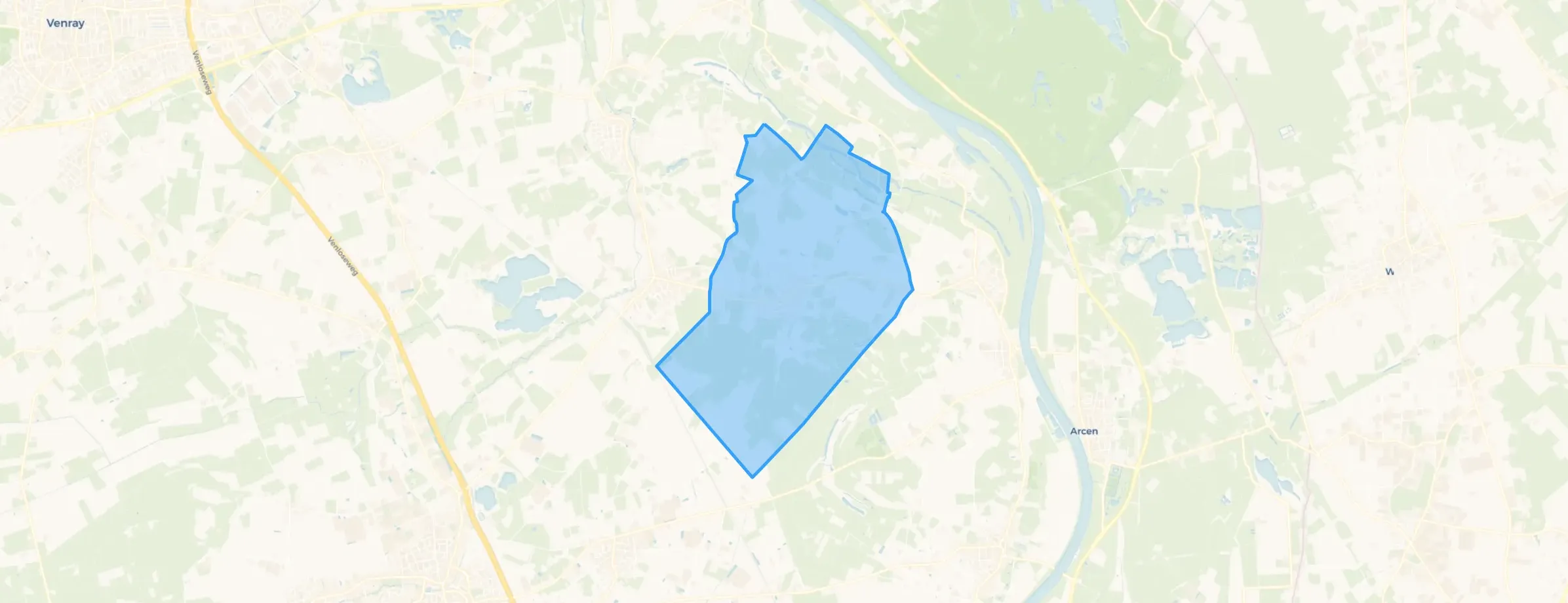
Municipality in Limburg
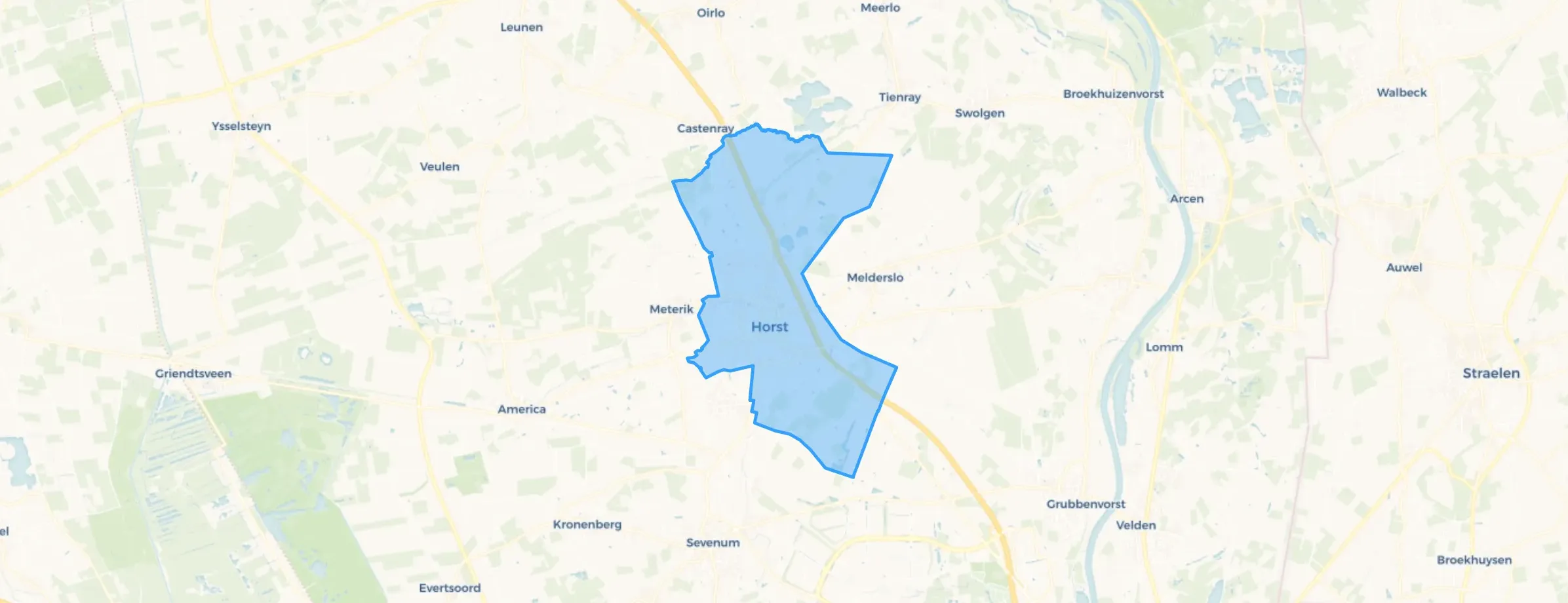
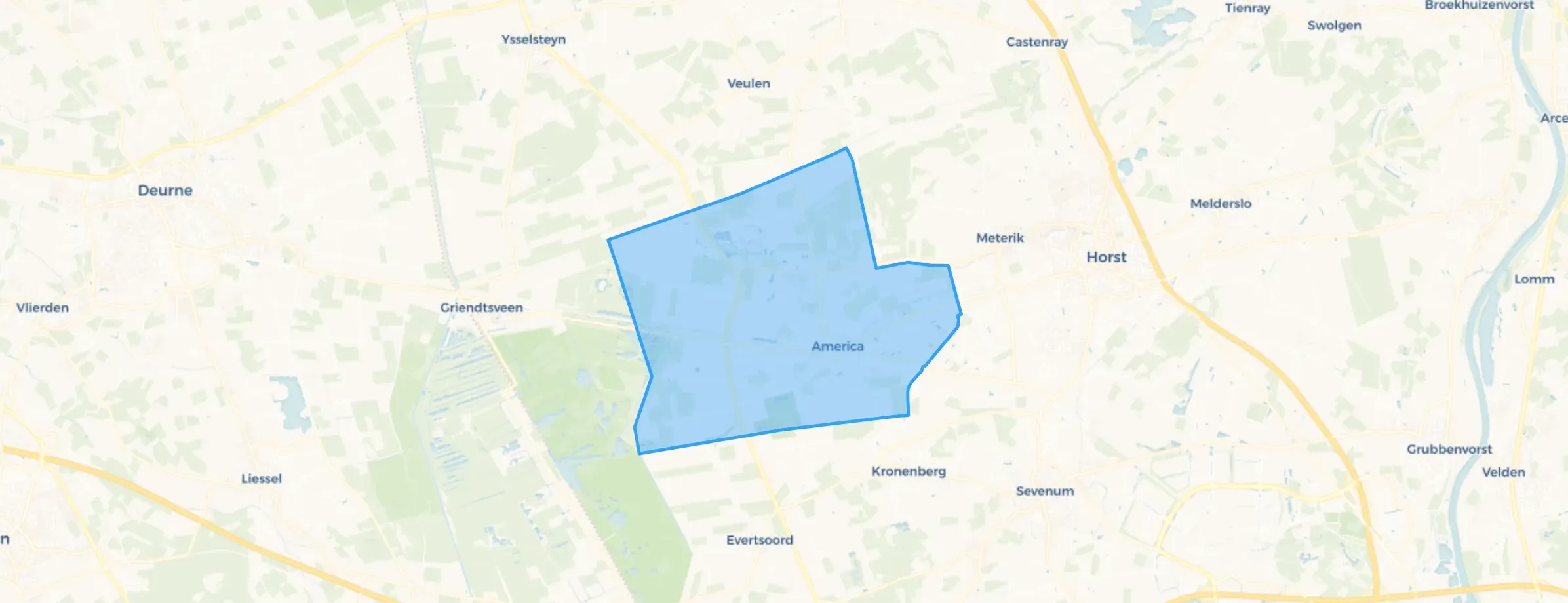
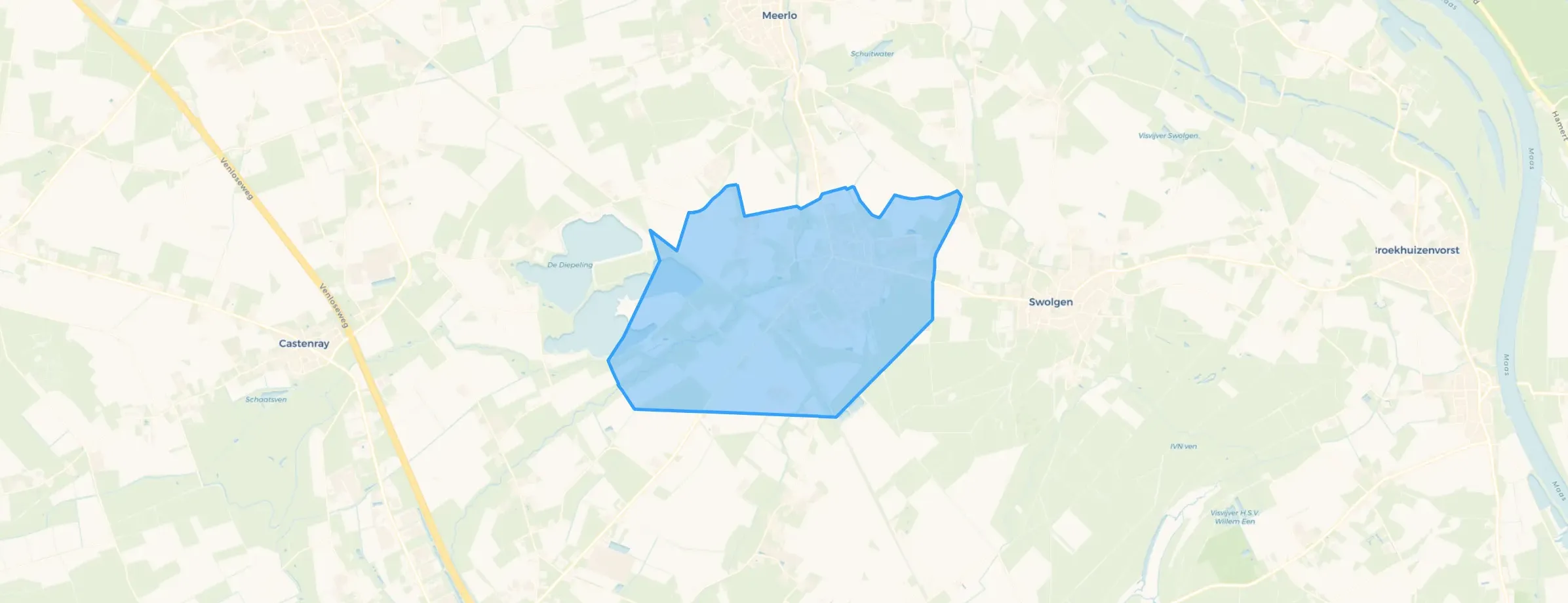
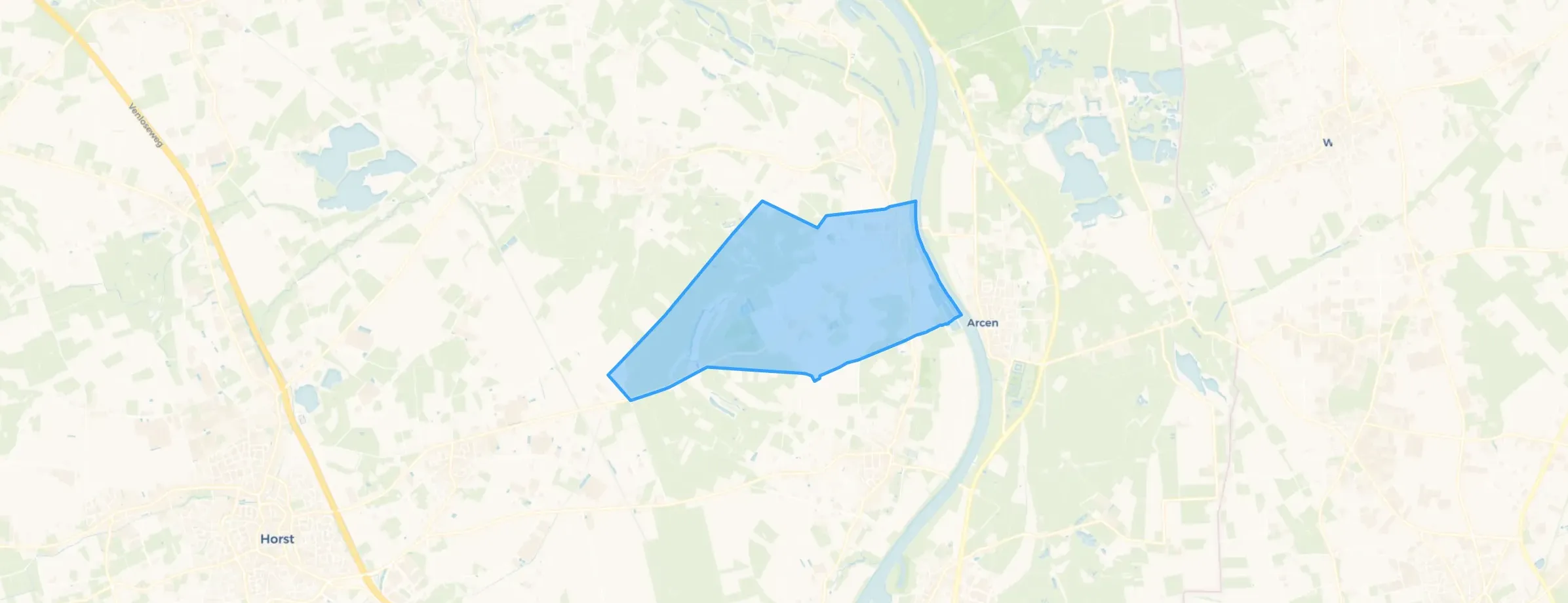
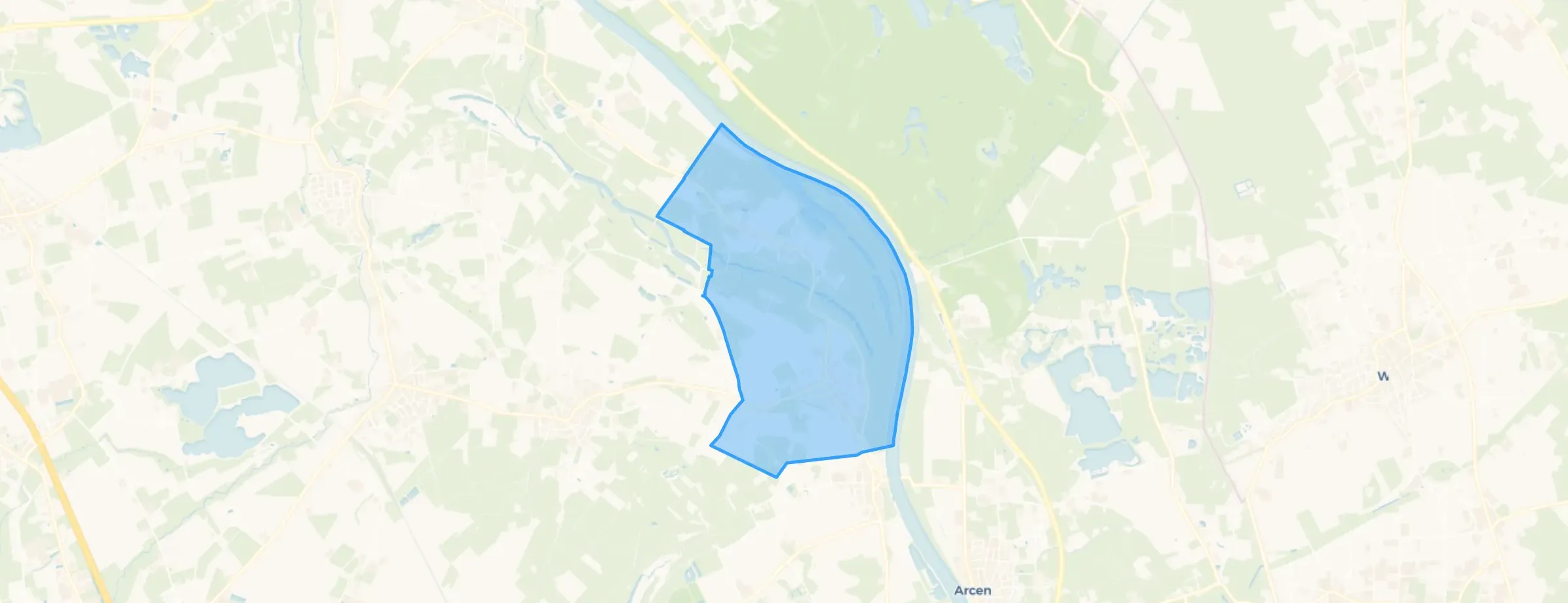
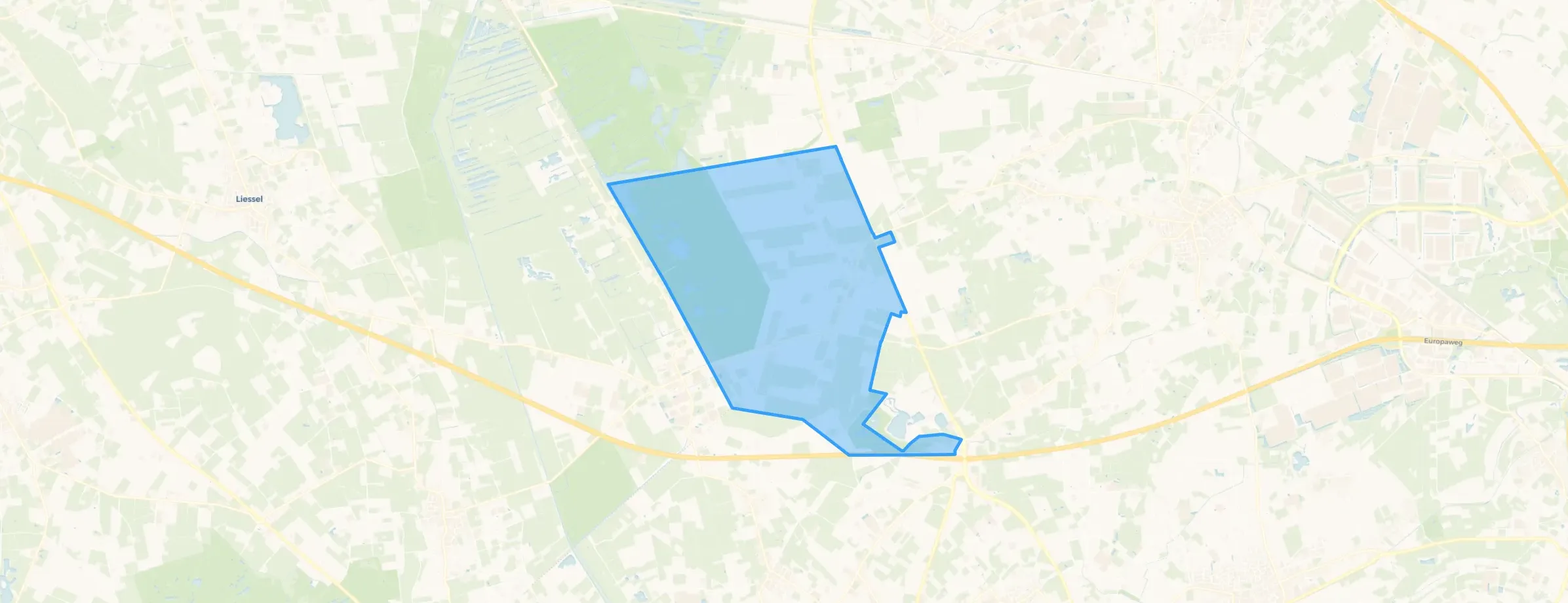
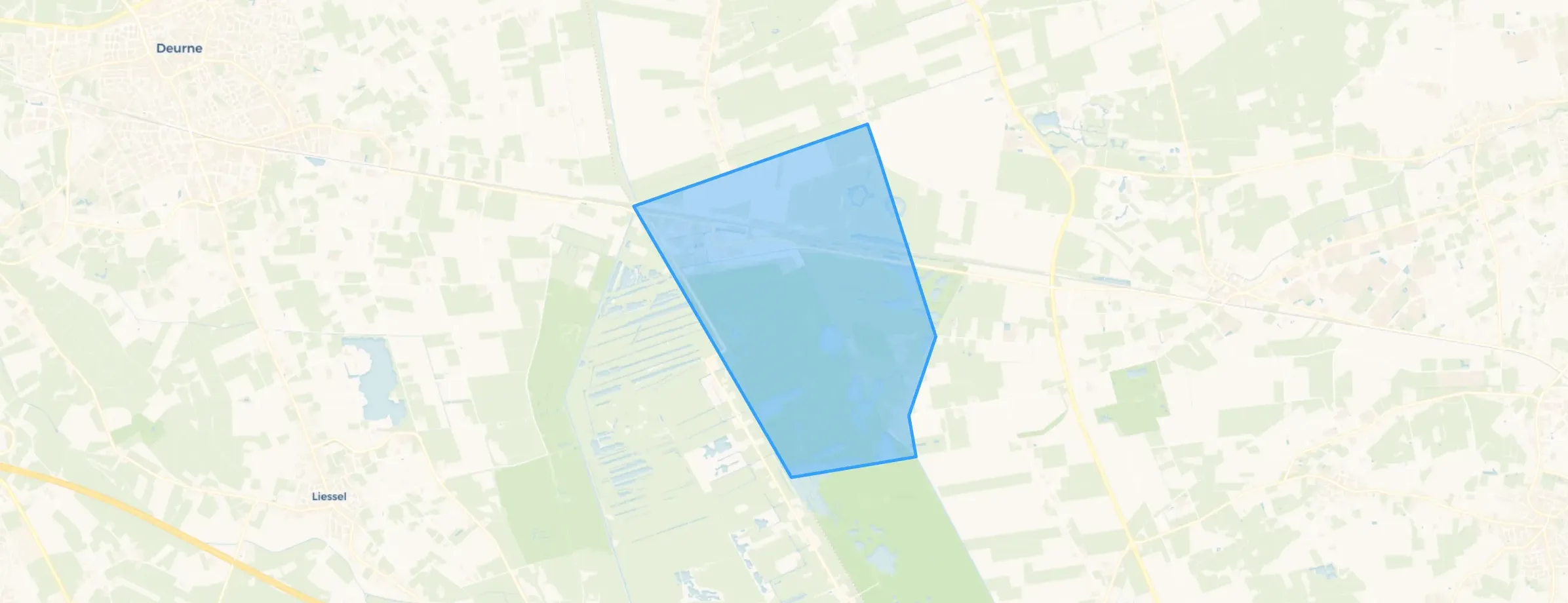
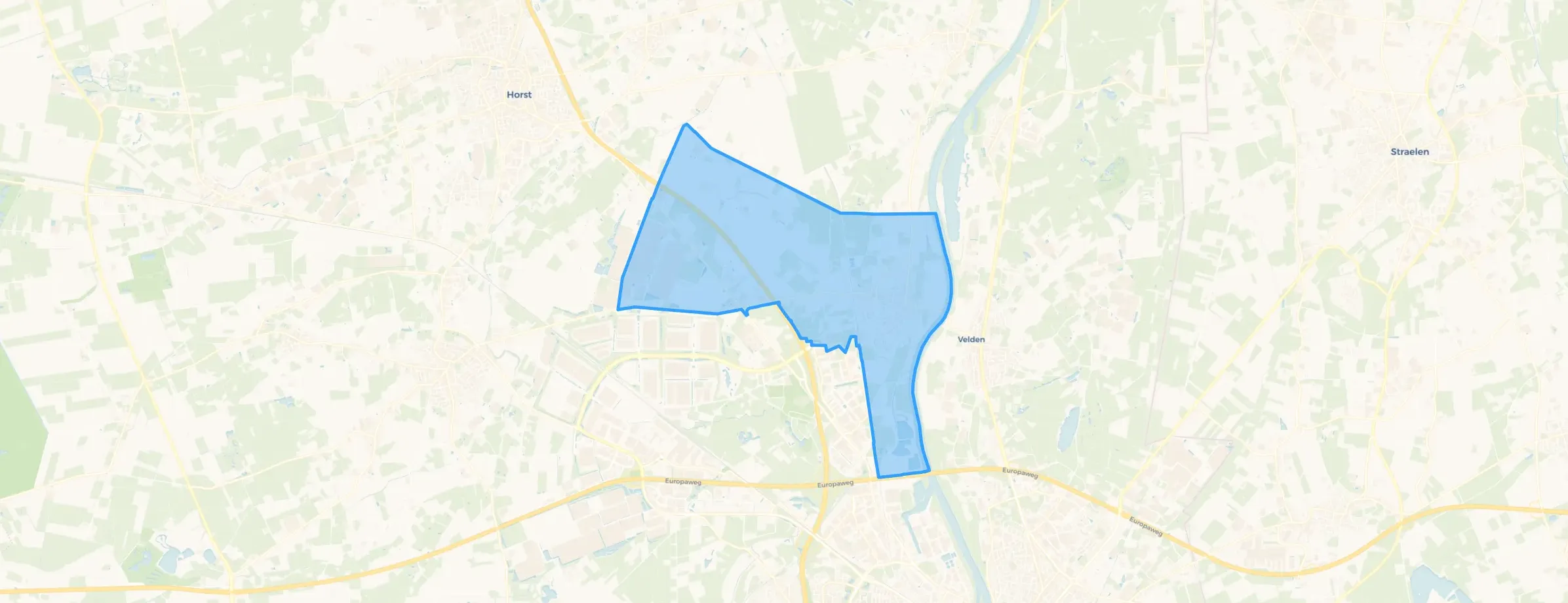
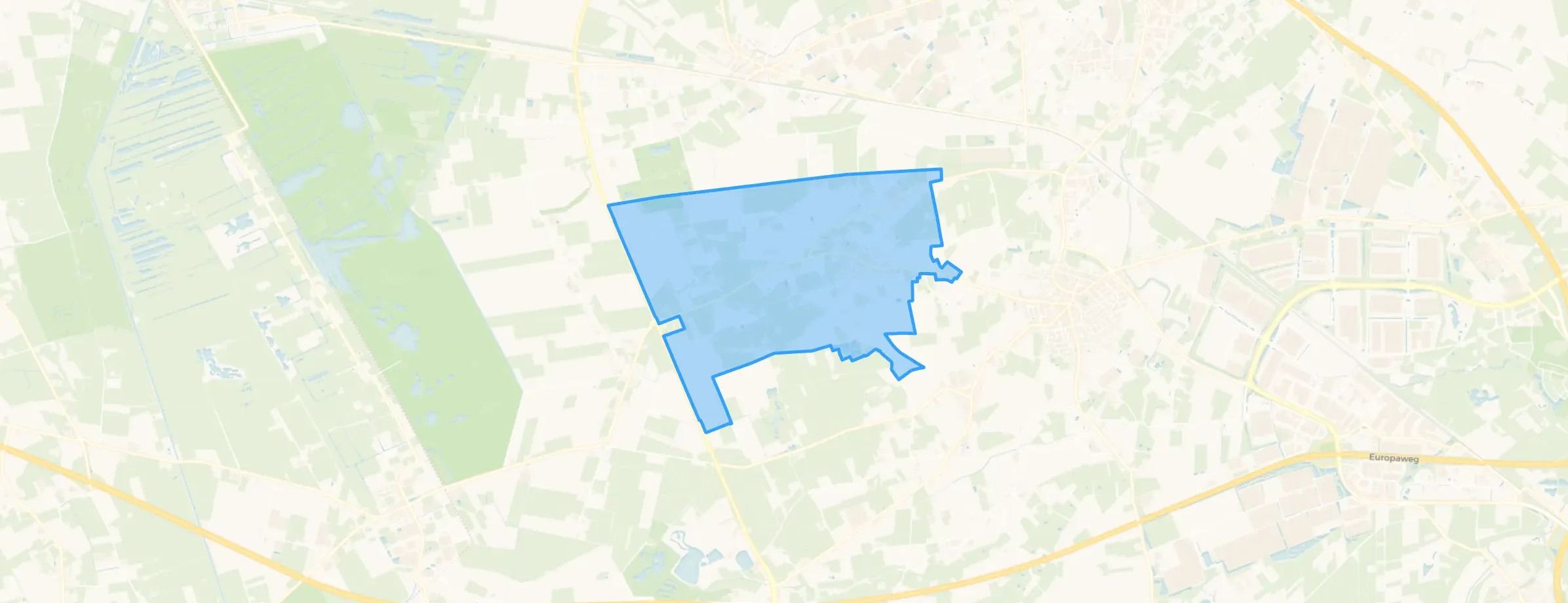
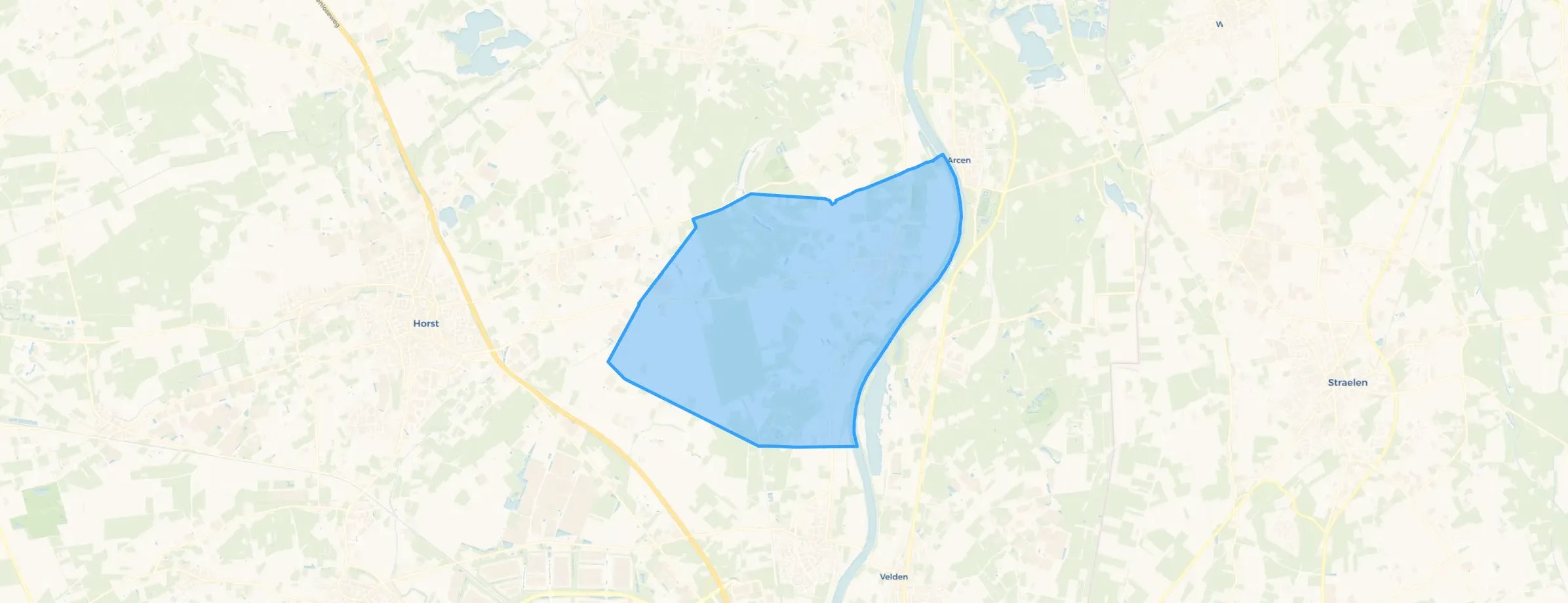
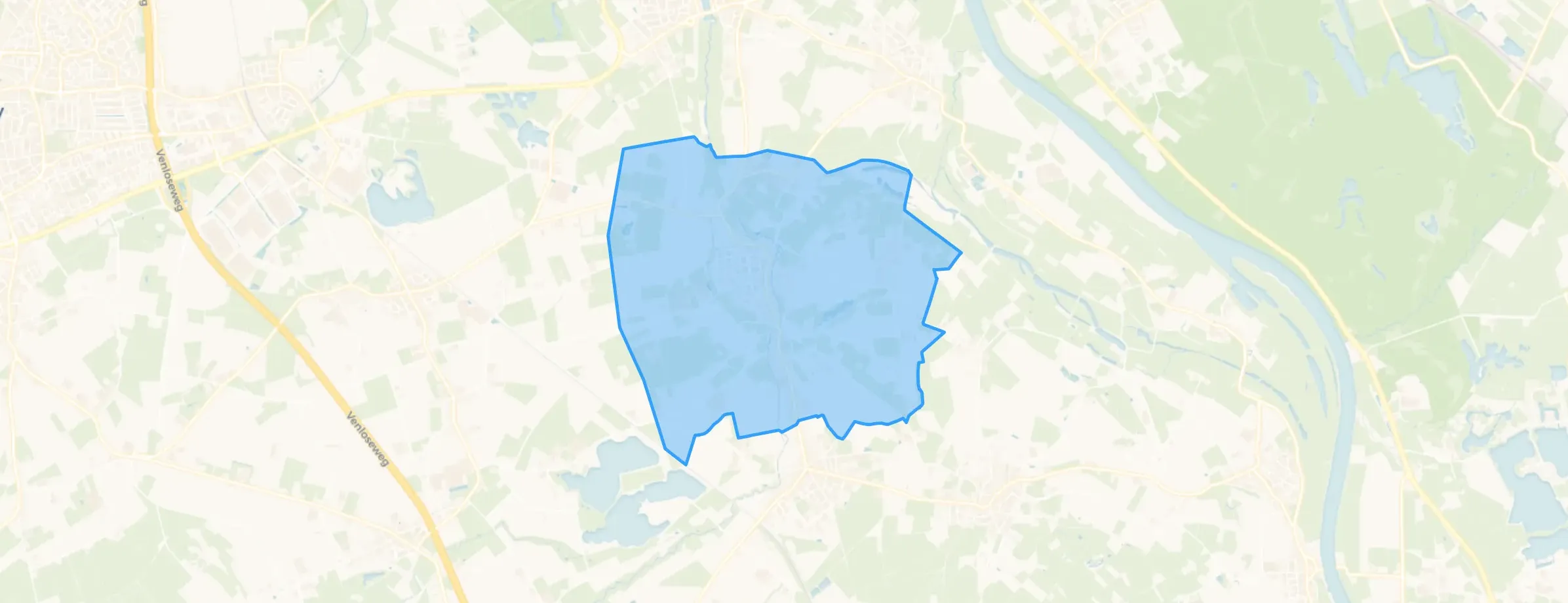
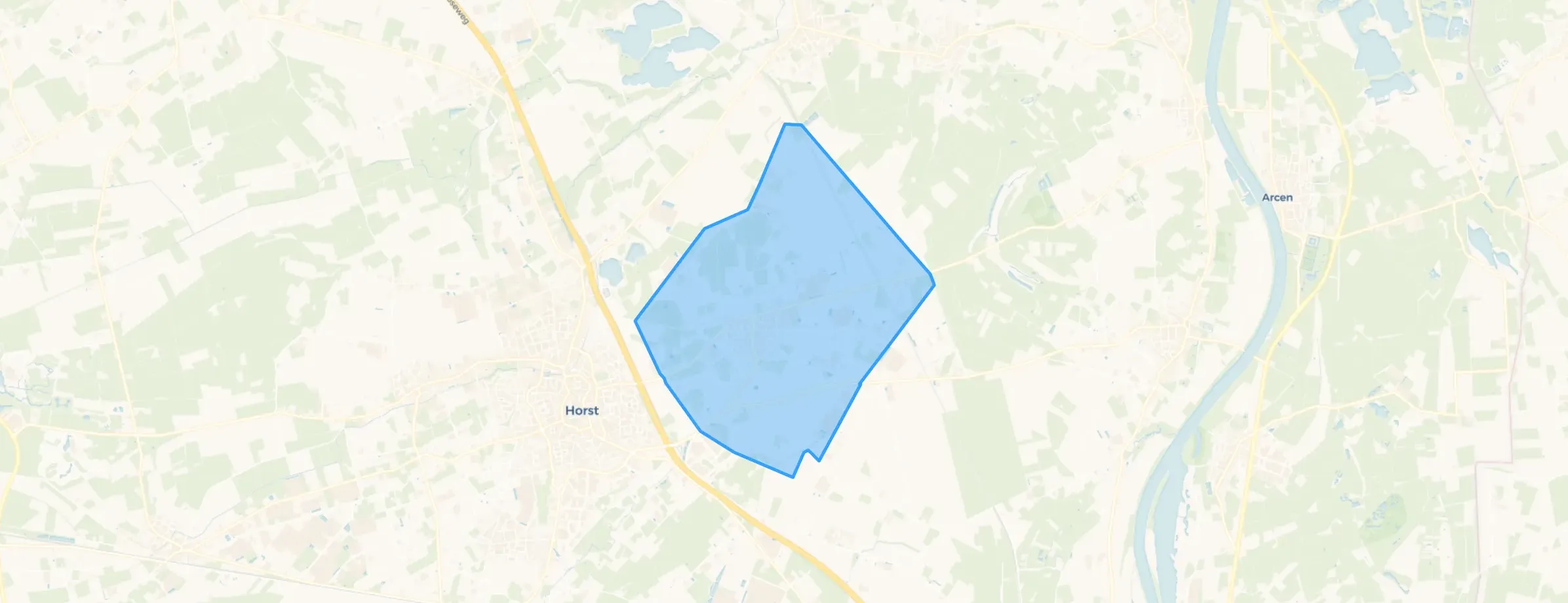
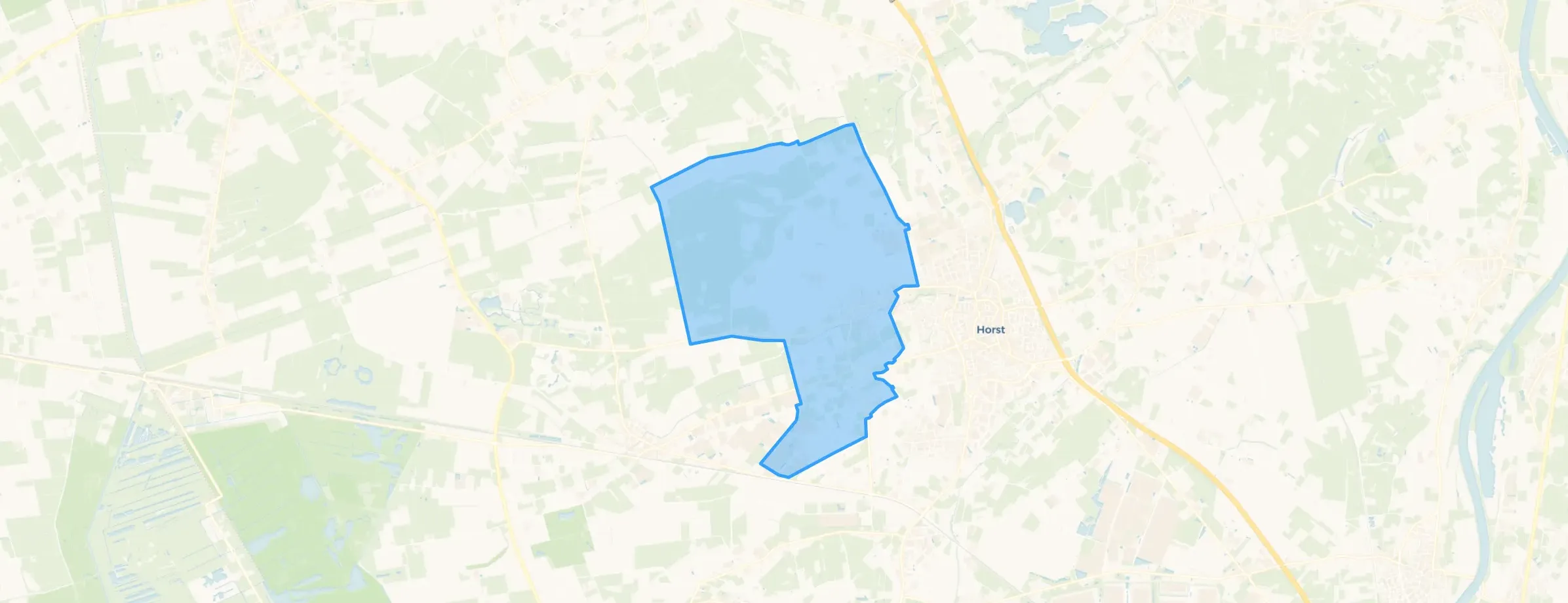
Horst aan de Maas is located in the province of Limburg The municipality has a total area of 19.192 hectares, of which 18.867 hectares are land and 324 hectares are water. The municipality is coded as GM1507. The postcode area is 5766PB-5977NS.
Horst aan de Maas has 44.242 residents. Of these, 50,4% are men and 49,6% are women. Most residents are 45 to 65 years (28,2%). The other age groups are 24,2% for '65 years or older', 23,4% for '25 to 45 years', 13,4% for '0 to 15 years' and 10,8% for '15 to 25 years'. Of the residents, 46,0% is unmarried, 42,4% is married, 6,0% is divorced and 5,6% is widowed. 37.273 residents originate from the Netherlands, 4.608 come from Europe and 2.361 come from countries outside Europe.
There are 19.561 households in Horst aan de Maas. 32,7% of these are single-person households, 35,1% households without children and 32,1% households with children. The average household size is 2,2 persons. The national average is 2,1 persons.
In Horst aan de Maas there are 37.200 income recipients. The average income per income recipient is €38.900, which is €3.300 (8%) lower than the national average of €42.200. Per resident, the average income is €33.600, which is €1.300 (4%) lower than the national average of €34.900. Most residents of Horst aan de Maas are educated to an intermediate level. 47,1% have an intermediate education (HAVO, VWO or MBO 2-4), 27,5% have a university or higher professional education (HBO/WO) and 25,4% have a lower education (VMBO or MBO 1).
Of the 44.242 residents, around 77% are in paid employment, which amounts to 34.066 people. This is 5% higher than the national average of 72%. The majority of workers are in salaried employment (85%), while 15% are self-employed. In Horst aan de Maas, 28% of residents receive a benefit. The largest group is those receiving a state pension (AOW). 9.630 people receive this benefit.
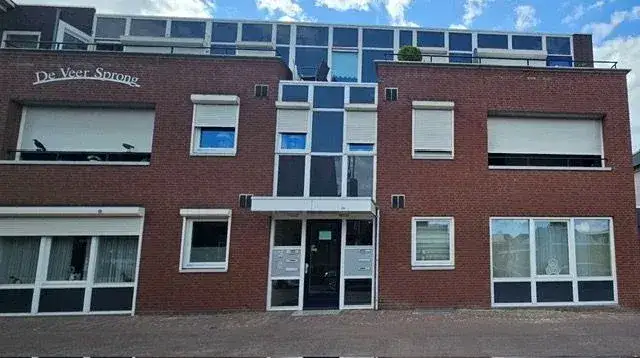
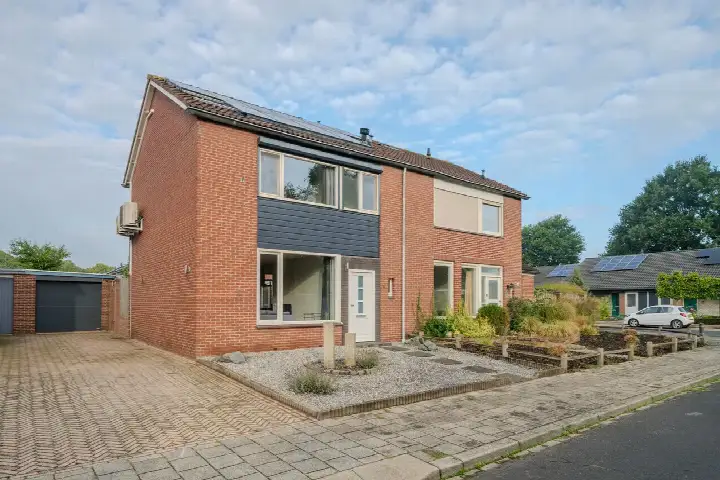
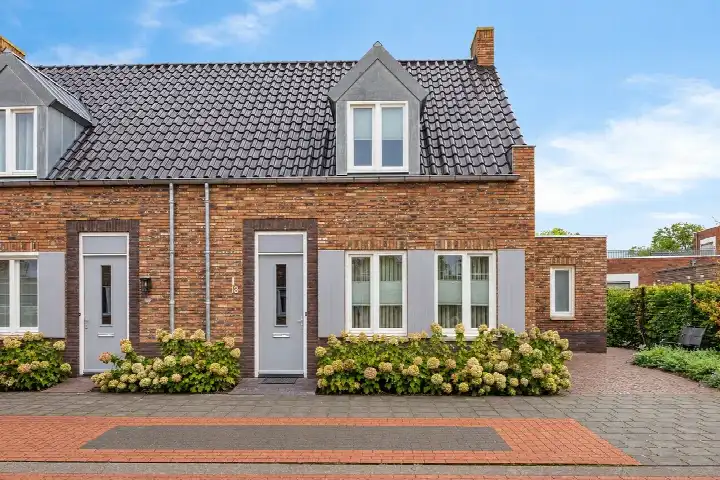
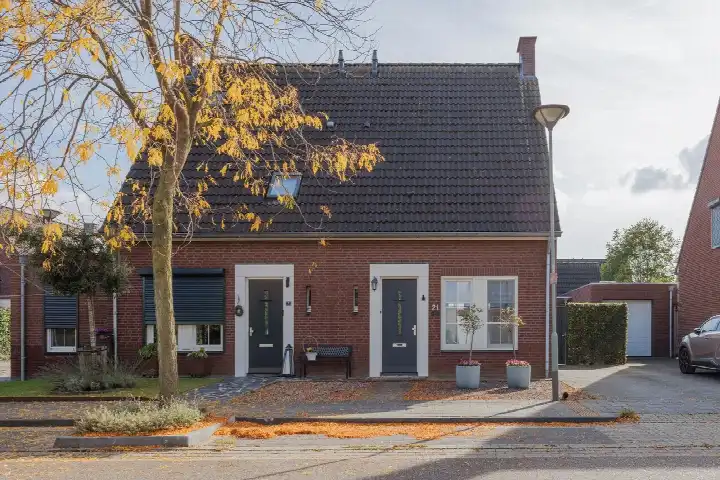
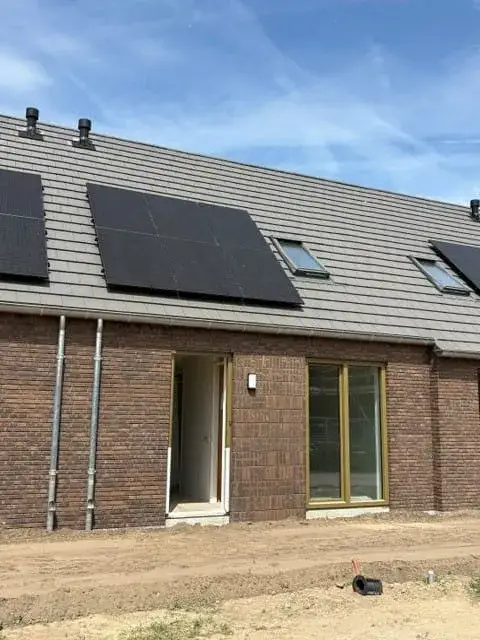
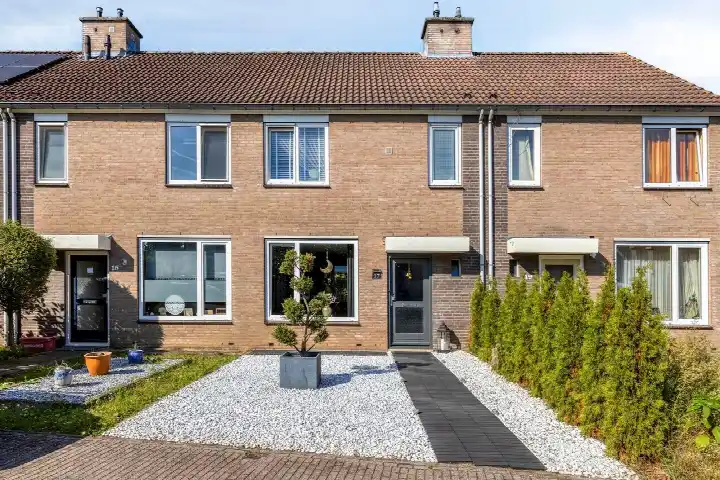
In Horst aan de Maas there are 18.910 homes with an average assessed value (WOZ) of €368.000. Of these, around 97% are occupied and 3% unoccupied. Most homes are owner-occupied. This amounts to 25% rental homes and 75% owner-occupied homes. Of the homes, 75% privately owned, 15% owned by housing associations and 10% owned by other landlords. The most common construction periods in Horst aan de Maas are 1950-1970 (19%) and 1970-1980 (18%).
There are currently no homes for sale in Horst aan de Maas. The most recently listed home is Van Frezinstraat 9 by InterMakelaars B.V. op Funda. No homes were sold in Horst aan de Maas over the past year.
There are currently no homes for rent in Horst aan de Maas. The most recent home is Doolingsbemden 3A, offered by www.thuisinlimburg.nl. No homes were let in Horst aan de Maas over the past year.
No recent rental data available for Horst aan de Maas.
In Horst aan de Maas there are 12.385 addresses with a registered energy label. The most common labels are A (28%), C (27%) and B (15%). On average, an address in Horst aan de Maas uses 3.110 kWh of electricity per year. This is 22% above the national average of 2.550 kWh. Natural gas consumption, at 980 m³ per year, is 23% above the national average of 800 m³.
I give this neighbourhood a failing grade on several important aspects. Safety feels limited due to persistent nuisance and lack of supervision. The community is not close-knit; many residents move away quickly or pass away, resulting in little social cohesion. Hygiene leaves much to be desired. There is often rubbish on the streets and public spaces are poorly maintained. Housing is also of poor quality. Many homes are in bad condition, with deferred maintenance and conditions reminiscent of slums. Furthermore, the living environment is unpleasant due to constant noise pollution and air pollution. The lack of greenery and an attractive natural environment makes the neighbourhood even less pleasant to live in. All in all, this is an area where the quality of life is low and improvement is needed in many areas. Due to the poor living conditions, noise pollution and pollution, I recommend considering another neighbourhood. Avoid this area if you value peace, safety and a clean living environment.
Auto-translated to English by AIFriendly people, always up for a chat, coffee or tea, interested in each other, in short a place to live with pleasure !!!
Auto-translated to English by AIGood contact with the whole area!!
Auto-translated to English by AIa beautiful village. where a lot is done for the people. many active associations.
Auto-translated to English by AIwe have many associations in our neighbourhood and attention is also paid to the elderly. in our neighbourhood.
Auto-translated to English by AISuper good for families and older people
Auto-translated to English by AIWe have known each other since the houses were delivered thirty years ago, helpful people, in short a pleasant environment to live in!!!
Auto-translated to English by AINice friendly people, have time for each other and are helpful!!
Auto-translated to English by AIThe housing stock is mainly post-war — 59% was built between 1945 and 1990.
Over the past year a home for sale in Horst aan de Maas was listed for an average of €484,659 (€3,119 per m²).
A rental home in Horst aan de Maas cost an average of €1,356 per month (€11 per m²). That is 37% below the national average.
Residents give Horst aan de Maas a 8.0 out of 10 based on 19 reviews. Education stands out with a 8.6; nature and greenery lags behind with a 7.6.
The housing supply in Horst aan de Maas is remarkably efficient: 57% has an A, A+ or B label. The average natural gas consumption per household is 980 m³ per year.
From Horst aan de Maas you can on average reach a supermarket at 1.7 km, a GP at 1.8 km, a railway station at 5.2 km, a primary school at 0.8 km (as the crow flies, source: CBS).
Right now you will find 214 homes for sale and 6 homes for rent in Horst aan de Maas.